






Cobalt and Iron Red
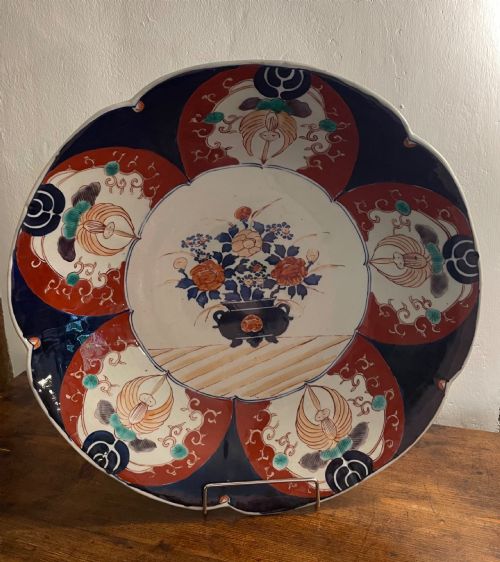
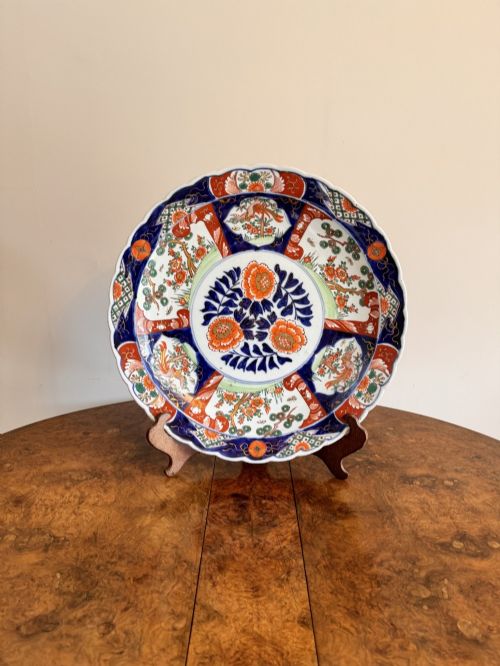
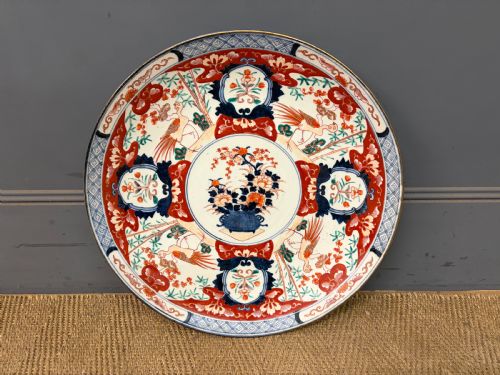
Cobalt and iron red brings together rich blue underglaze and deep rust-coloured enamel on porcelain, creating striking contrast across chargers, plates, and vases.
Cobalt and Iron Red
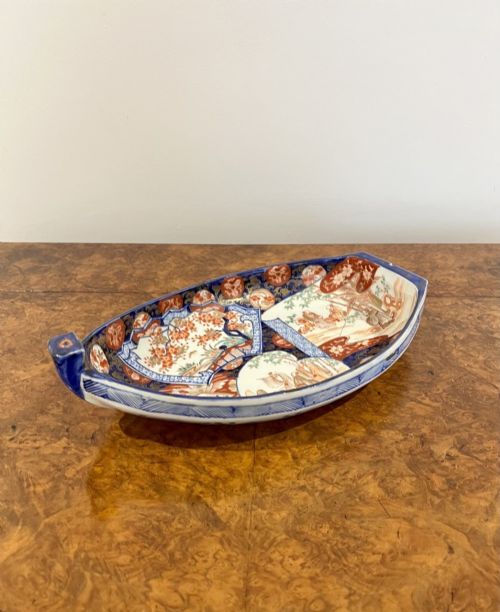
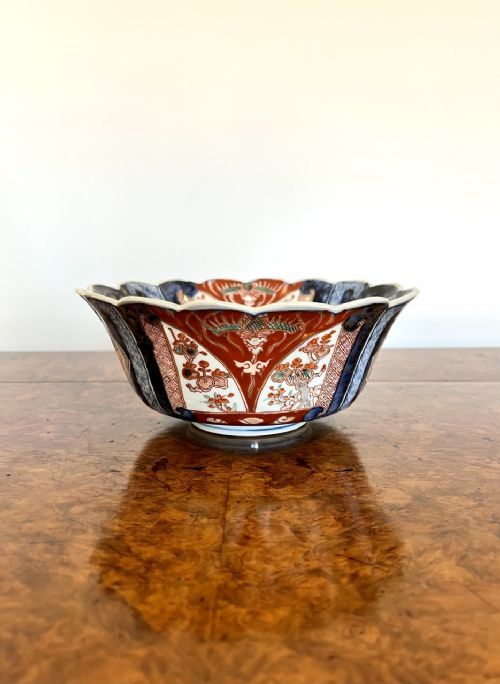
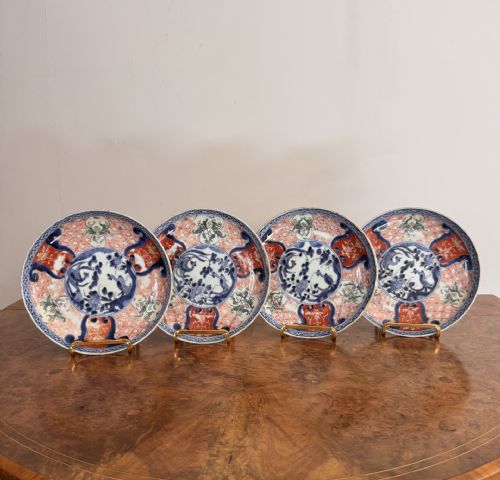
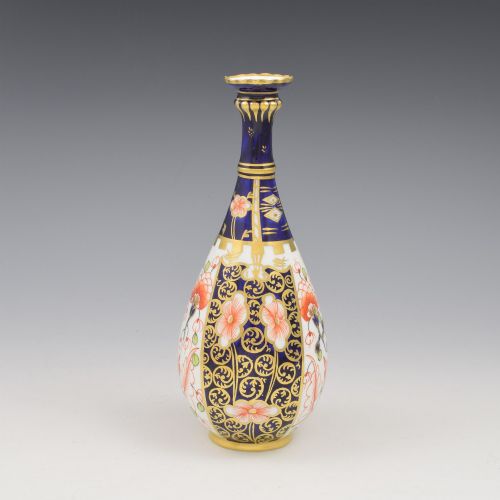
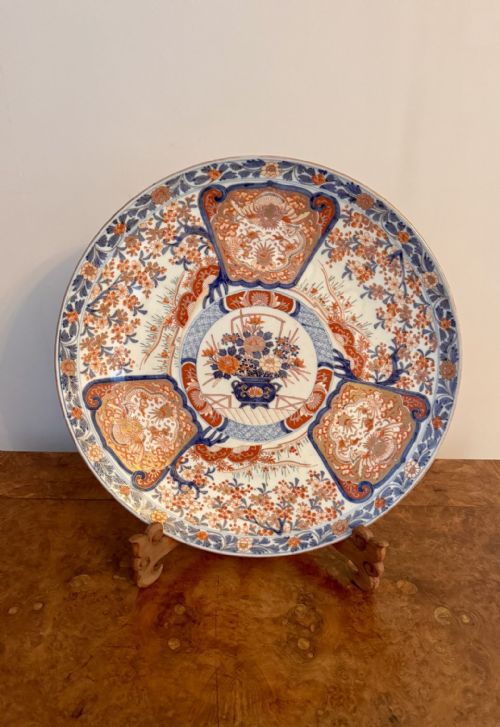
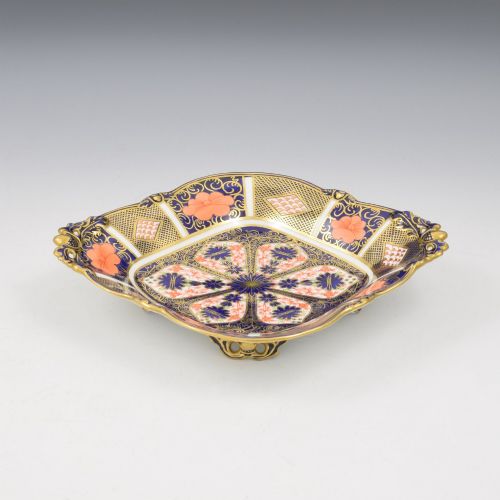
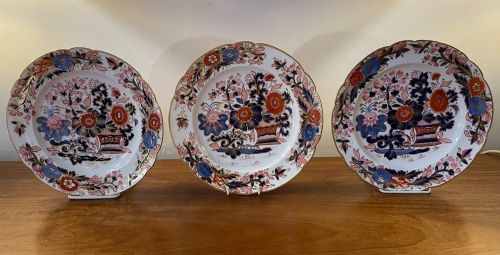
Cobalt and iron red pieces comprise decorative plates, chargers, bowls, vases, and serving dishes spanning the nineteenth and early twentieth centuries. These ceramic items emerge from Japanese Imari traditions alongside English interpretations produced by factories such as Royal Crown Derby and Staffordshire potteries.
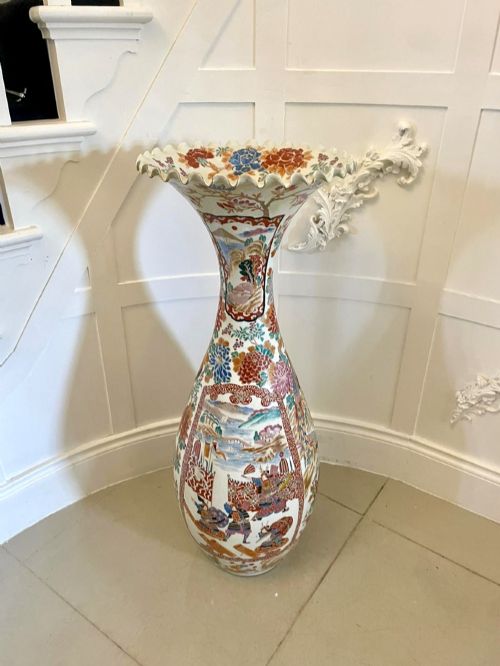
Japanese Meiji period and Victorian examples dominate the selection, featuring scalloped edges, hexagonal forms, and floor-standing shapes. Buyers find everything from single cabinet plates to matched pairs and large garnitures decorated with exotic birds and figures.
How they were made
Potters shaped porcelain, bone china, and ceramic bodies before applying cobalt blue pigment beneath a transparent glaze and firing the pieces. Enamel colours including iron red and additional details such as gold leaf, gilt, or gold gilt were added in subsequent low-temperature enamel firings.
The combination of underglaze blue and overglaze iron red required precise kiln control to achieve distinct tones without the pigments running together. Artisans often incorporated moulded contours, pierced openwork, and hand-painted motifs to finish the ceramic surfaces.
Cobalt and Iron Red Retail Price Guide 2026
Typical asking prices for cobalt and iron red among the pieces listed under this phrase on Sellingantiques today, from the lower quarter to the upper quarter. They describe what is for sale here now, not the wider market.
Some chargers proudly depict all seven lucky gods, hedging their household bets in vibrant cobalt and iron red.
What varies in quality
Quality rests in the crispness of the cobalt painting beneath the glaze and the durability and saturation of the iron red enamel on the surface. Superior pieces display meticulous brushwork, registration that aligns the intricate patterns correctly, and generous application of gold leaf or gilt.
The weight of the porcelain body, the regularity of scalloped or lobed edges, and the complexity of figural scenes such as the Seven Lucky Gods separate standard production items from exceptional workshop output.
Royal Crown Derby·Stevenson and Hancock
The Cobalt and Iron Red Glossary
- Imari palette
- A decorative scheme employing cobalt blue, iron red, and supplementary colours like gold, originating in Japan and later copied in Europe.
- Meiji Period
- The era in Japanese history spanning from 1868 to 1912, noted for expansive porcelain production and international export.
- Charger
- A large decorative plate or disk, typically intended for display on a wall or sideboard rather than dining use.
- Garniture
- A set of matching vases or vessels, usually numbering three or five, designed to sit together on a mantelpiece or cabinet.
- Underglaze
- Pigment applied to the unfired or biscuit ceramic body before the transparent glaze layer is added and fired.
Cobalt and Iron Red: Frequently Asked Questions
What is Imari style pottery?
Imari style pottery refers to ceramics decorated in a distinctive palette of cobalt blue, iron red, and gilt, taking inspiration from Japanese wares exported through the port of Imari. English factories adopted these patterns during the nineteenth century, producing bone china and porcelain items that mirrored the vibrant aesthetic.
These pieces combine underglaze blue painting with overglaze enamel work, creating a layered appearance that proved popular for both domestic use and decorative display.
How do I display a charger?
Chargers are large decorative plates designed primarily for visual impact rather than serving food. Collectors typically mount them on specialised wall hangers or display them upright on sturdy plate stands within cabinets.
Placing them where natural light can catch the gilt highlights and iron red enamels enhances their visual depth in a room.
How can I tell Meiji period porcelain apart?
Meiji period Japanese porcelain often exhibits dense, intricate patterning featuring birds, floral motifs, or traditional figures rendered in iron red and cobalt blue. The ceramic bodies tend to be crisp, frequently accompanied by scalloped or lobed edges shaped during the moulding process.
Examining the foot ring and the clarity of the enamel colours helps distinguish these late nineteenth and early twentieth century export pieces from earlier Edo production.
What are garniture vases?
Garniture vases are sets of matching vessels, usually comprising three or five pieces designed to be arranged symmetrically on a mantelpiece or large piece of furniture. They share identical decorative motifs in the cobalt and iron red palette, creating a cohesive visual arrangement across the set.
In period interiors, these groupings served as primary decorative focal points in formal reception rooms.