



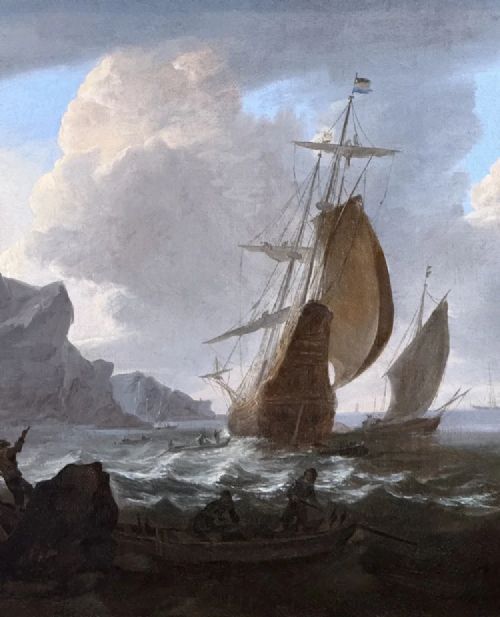
Coastal Wall Art Painting
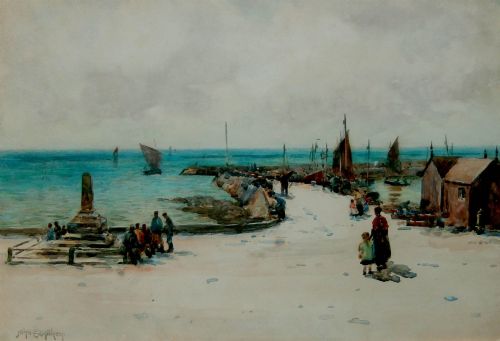
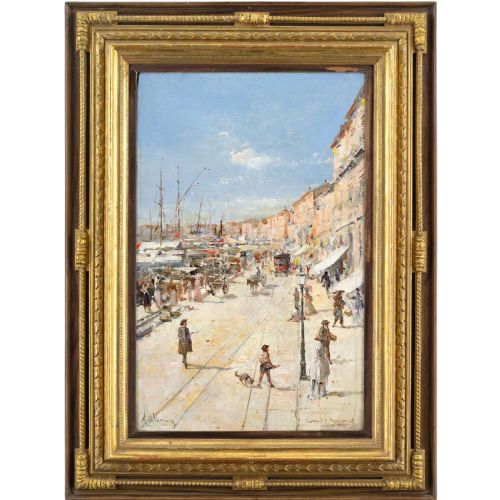
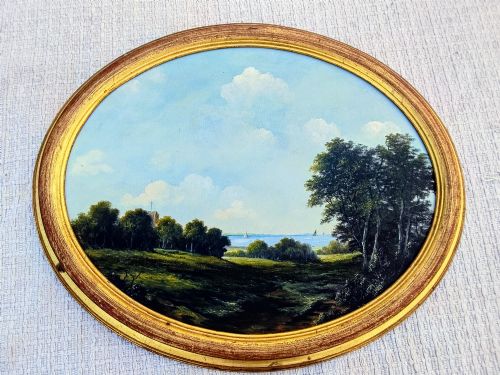
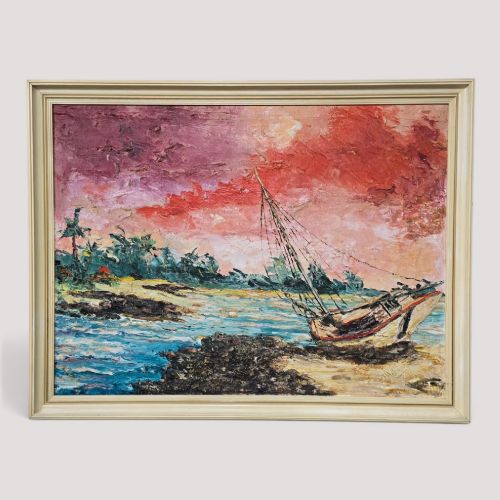
Coastal wall art painting captures maritime scenes, fishing boats and harbours through the brush of past centuries.
Coastal Wall Art Painting
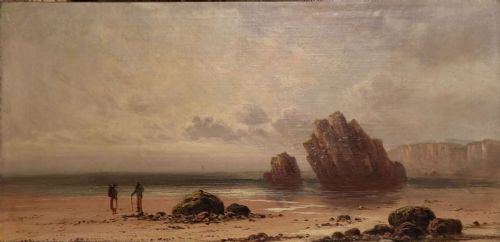
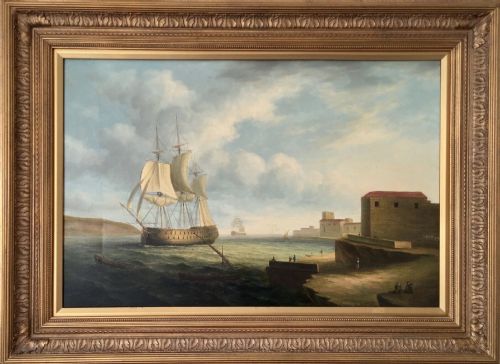
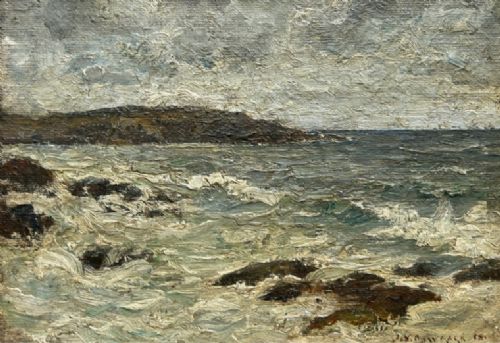
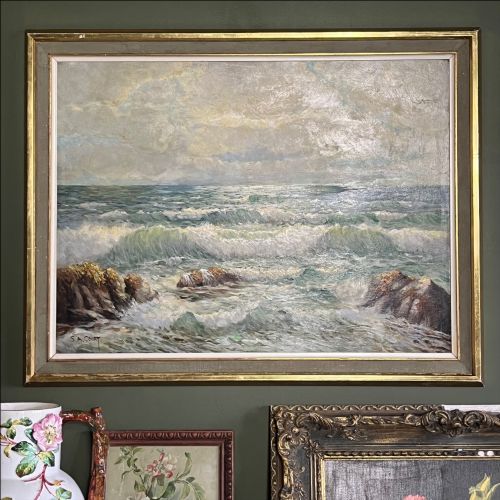
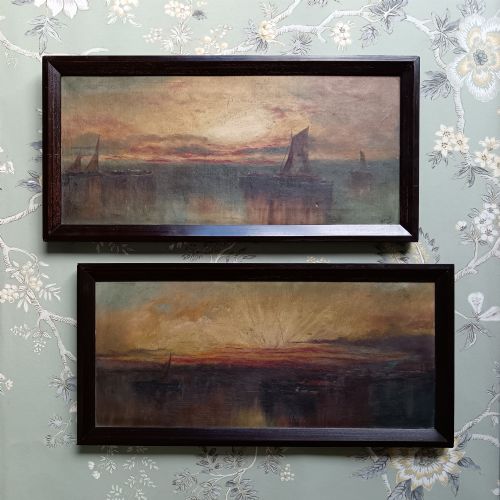
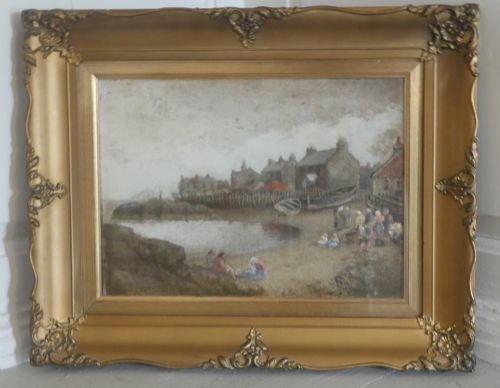
A buyer seeking coastal wall art painting encounters works spanning the nineteenth century through the mid-twentieth century, capturing seascapes, harbours and maritime life. These pieces document changing shorelines and seafaring traditions using traditional painting methods.
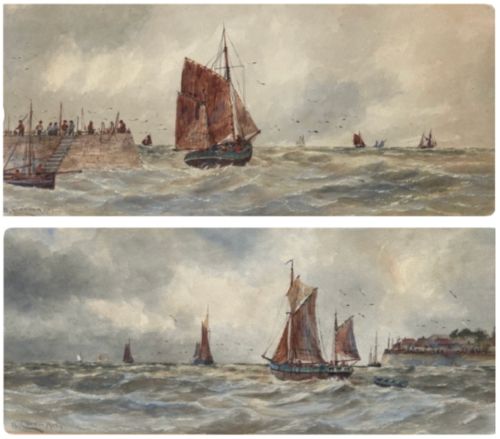
The most common items on this page include watercolours and oil paintings on canvas or board, created across periods from the Victorian era to mid-century modern movements. Subjects range from calm estuaries and bustling fishing ports to stormy seas and quiet coastal paths.
Materials and construction
Works in this selection utilise oil paint or watercolour applied to canvas, paper, wood panels or board. Canvases are stretched over wooden frames, whilst watercolours are typically worked on paper and protected behind glass.
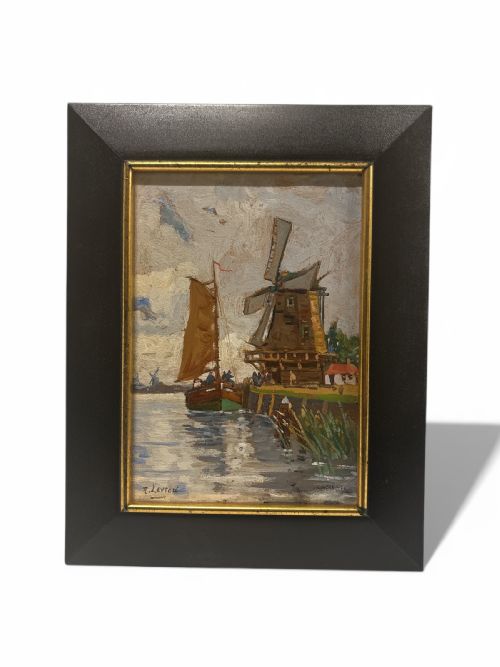
Framing often incorporates wood mouldings with gilt finishes, complementing the maritime subject matter. Artists employed techniques ranging from en plein air observation to detailed studio compositions using impasto or fluid washes.
The listings span from the nineteenth century to the 1960s, featuring oil, watercolour and mixed media on canvas, paper and wood.
Distinctions in quality
Quality rests upon the artist's ability to render light, atmosphere and movement on water and shore. Superior examples demonstrate confident brushwork, accurate perspective in marine architecture and a coherent sense of place.
Condition of the support material and pigment stability also separate examples. Works preserved with original frames and minimal intervention retain greater integrity compared to those requiring extensive restoration.
James Hardy·Kenneth Cozens·James Orrock·William Cannon·R Leyton·Sidney A Court·B Nash·Edward Mills·John E Aitken·William Banks Fortescue·Augusto Alberici·Bonaventura Peeters·Lucy Pratt·Clive Browne·Peter Brannan·Paul Bret·Bernard Benedict Hemy·Thomas Creswick·James Fry·Ethel Sands·Thomas Maidment·TB Hardy·Donald McIntyre·Cecil Allan Mould·John Wilson Carmichael
The Coastal Wall Art Painting Glossary
- Watercolour
- A painting method where fine pigments are suspended in a water-based, transparent solution applied to paper. This medium allows for luminous washes and delicate depiction of coastal light.
- Impasto
- A technique where paint is laid onto a surface in very thick layers, usually thick enough that the brush or painting-knife strokes are visible. It adds tactile texture to waves and cliffs in maritime scenes.
- En plein air
- The act of painting outdoors to capture the actual and instantaneous effects of natural light on a landscape. This approach defines many modernist and impressionist coastal views.
- Panel
- A rigid flat piece of wood or board used as a support for oil painting. Panels provide a stable surface that resists the flexing common in stretched canvas.
Coastal Wall Art Painting: Frequently Asked Questions
How do I care for antique watercolours?
Watercolour paintings require protection from direct sunlight to prevent fading of the delicate pigments used by artists. Keep them in rooms with stable humidity levels to avoid paper degradation.
Ensure the glazing remains intact and the backing board is acid-free to preserve the paper support over decades.
What subjects appear in these paintings?
The works display fishing boats, merchant ships, harbours, sandy beaches and dramatic rocky coastlines. Scenes range from calm everyday harbour life to vessels navigating stormy seas.
Locations span British coastal towns as well as continental European ports in Italy and the Netherlands.
How do I date an oil painting?
Dating relies on stylistic clues, clothing styles of figures, types of vessels depicted and framing methods. Signatures, artist biographies and exhibition labels on the reverse offer precise chronological markers.
Materials such as board types and canvas weaves also help narrow the period of creation.
Where should I hang maritime art?
These paintings suit spaces with consistent ambient light, away from direct heat sources like radiators or fireplaces. Wall placement should allow comfortable eye-level viewing to appreciate fine brushwork.
Pairing works with complementary period frames enhances their visual impact within a room.