

Coastal Art Painting
A coastal art painting captures the shifting moods of the sea and shore across the nineteenth and twentieth centuries.
Coastal Art Painting
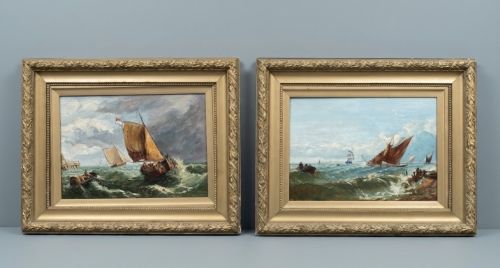
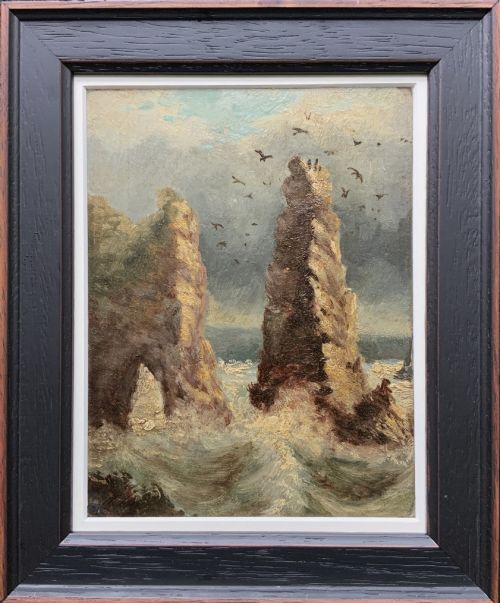
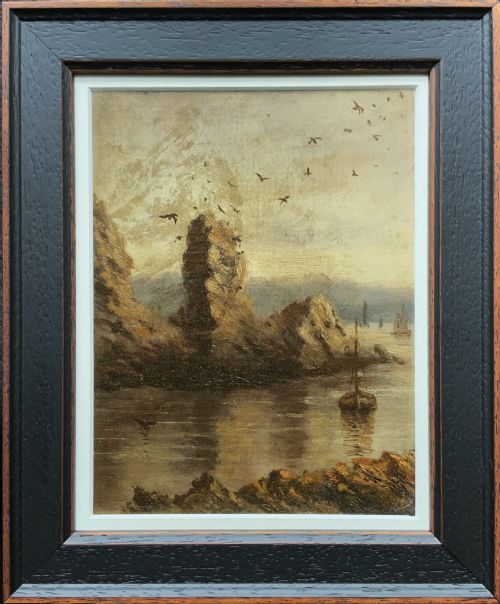
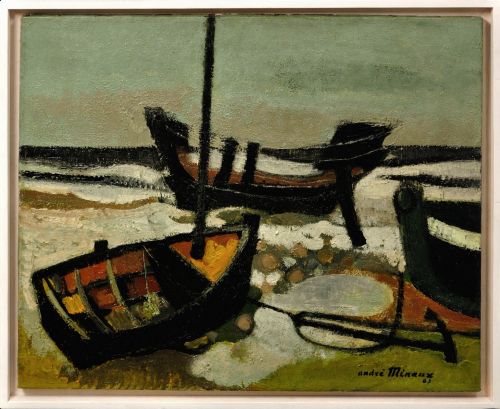
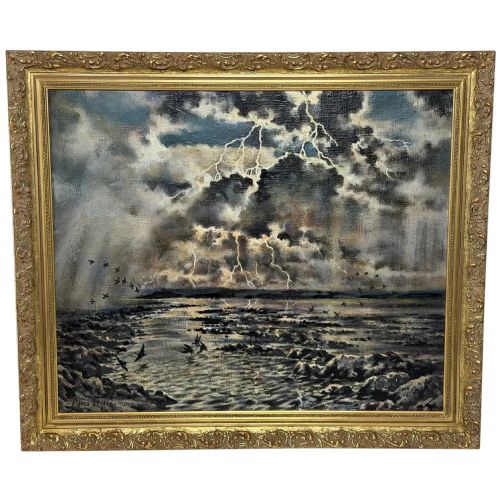
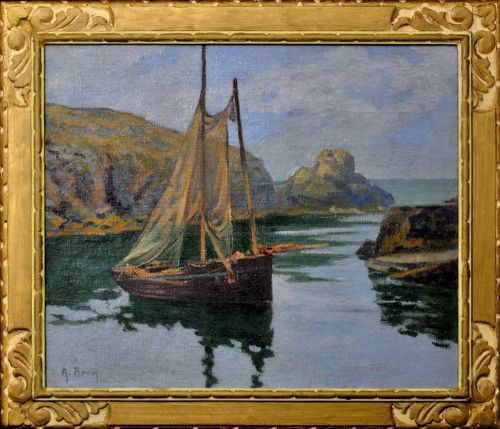
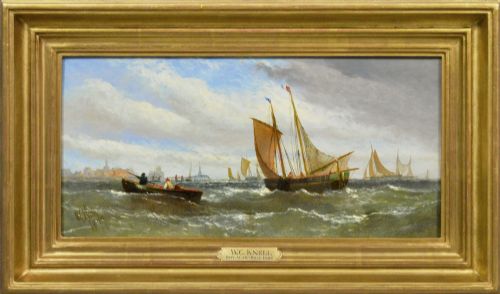
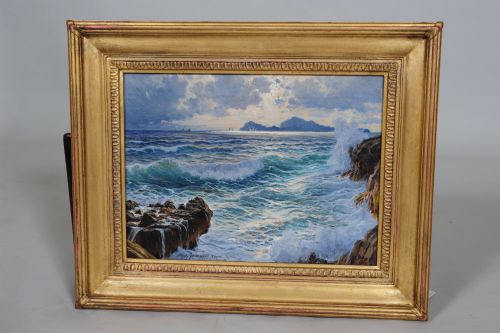
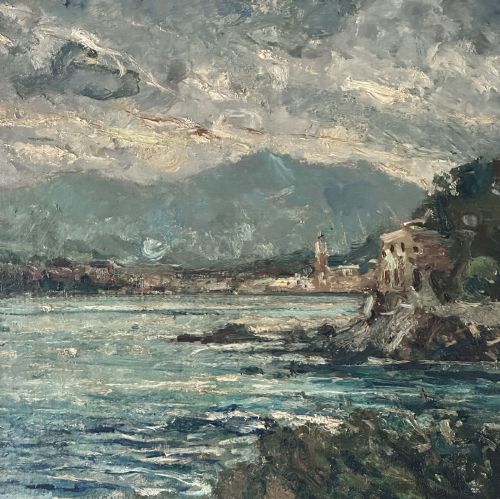
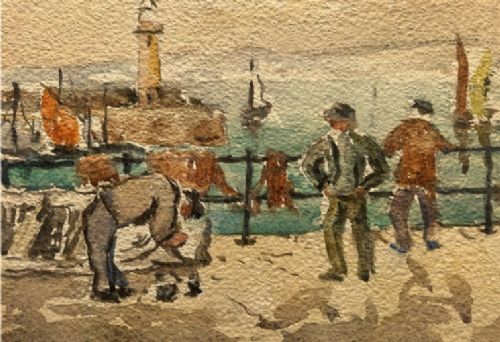
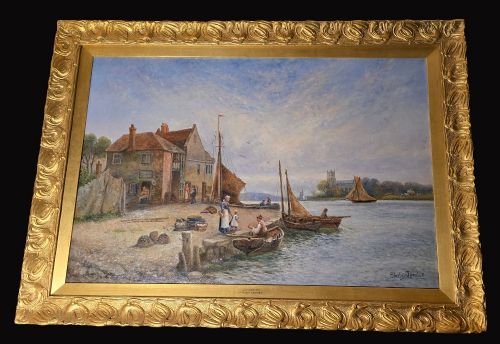
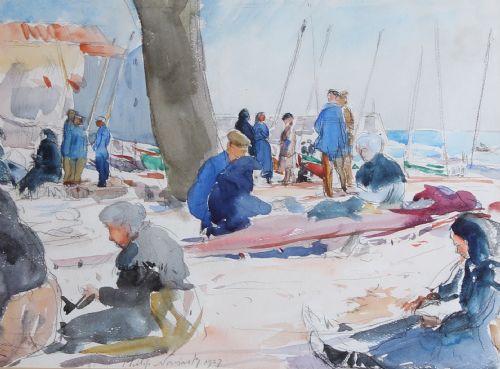
A coastal art painting brings together maritime scenes, harbour views, and seaside landscapes executed in various media. Buyers searching for a coastal art painting encounter works spanning from the nineteenth century through the mid-twentieth century.
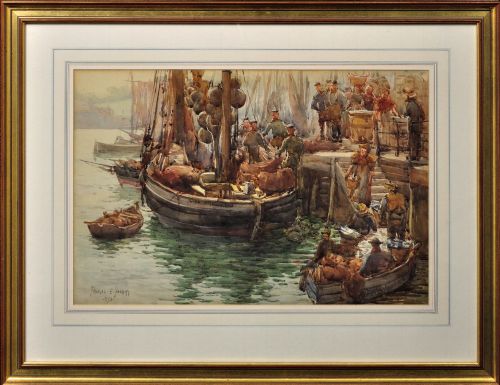
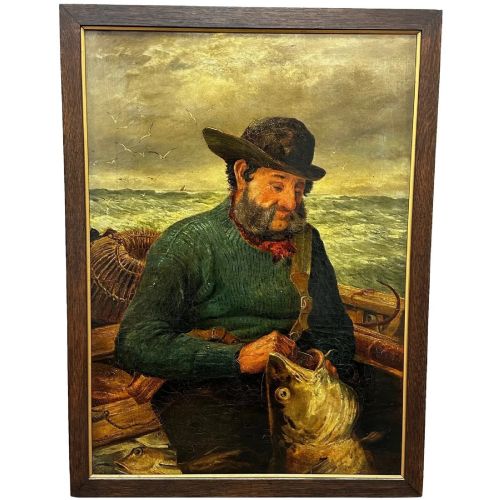
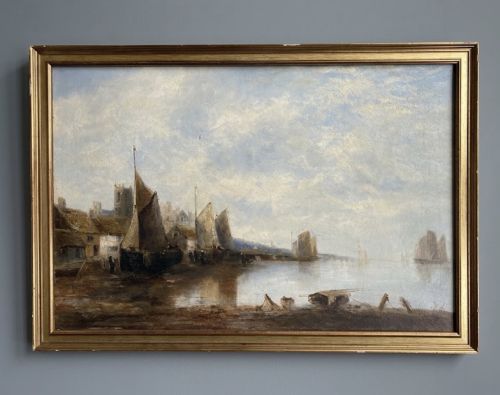
The most common versions met on this page include watercolours on paper and oil paintings on canvas or board. These pieces range from detailed depictions of fishing boats in British ports to impressionistic interpretations of Mediterranean shores.
Makers and artists recorded in these works span distinct periods such as the Victorian era, Edwardian period, and Mid-Century Modern movements. Each piece reflects the prevailing aesthetic of its decade, from traditional marine realism to looser plein air studies.
Materials and techniques
Artists utilised oil paint and watercolour as primary mediums, applying them to canvas, wood panels, paper, and board. Framed works often incorporate glass to protect delicate works on paper.
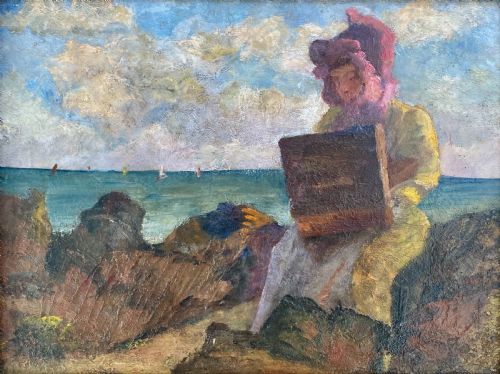
Techniques range from en plein air observation capturing immediate light conditions to studio watercolours finished with precise washes. Canvases and panels frequently show the texture of brushwork characteristic of impressionist and post-impressionist approaches.
Coastal Art Painting Retail Price Guide 2026
Typical asking prices for coastal art painting among the pieces listed under this phrase on Sellingantiques today, from the lower quarter to the upper quarter. They describe what is for sale here now, not the wider market.
Listings feature works from the 19th Century, Edwardian era, and Mid-Century Modern periods.
Distinctions in quality
Quality rests upon the artist's command of light, atmosphere, and spatial depth within the marine setting. Stronger pieces convey the motion of water and the luminosity of sky with confident, purposeful brushwork.
Compositional balance and the handling of pigment differentiate accomplished works from more formulaic topographical records. Superior examples demonstrate a distinct personal vision rather than relying on standard picturesque tropes.
Philip Naviasky·Robert Buchan Nisbet·Donald McIntyre·Nicolaas Martinus Wijdoogen·James Hardy·Kenneth Cozens·James Orrock·William Cannon·Thomas William Morley·Hector Caffieri
The Coastal Art Painting Glossary
- En plein air
- Painting outdoors to capture direct natural light and atmospheric effects. This approach gained prominence in the later nineteenth century.
- Gilt
- Covered thinly with gold leaf or gold paint, typically describing picture frames. Gilt surrounds many traditional oil paintings and watercolours on this page.
- Marine
- Pertaining to the sea, shipping, and coastal views. Marine art encompasses harbour scenes, naval vessels, and open seascapes.
- Watercolour
- A paint consisting of water-soluble pigments, traditionally applied to paper. It produces transparent washes prized for capturing coastal light.
Coastal Art Painting: Frequently Asked Questions
How do I date an antique coastal painting?
Dating relies on stylistic clues, framing materials, and artist signatures recorded in the listing details. Victorian and Edwardian works often feature specific palette choices and traditional framing methods.
Mid-century pieces shift towards looser brushwork and modern colour harmonies. Examining the backing board or canvas substrate provides further chronological evidence.
What is the difference between oil and watercolour marine art?
Oil paintings utilise pigment suspended in drying oil on canvas or wood, offering rich textures and deep colour saturation. Watercolours employ water-soluble pigments on paper, yielding luminous and transparent effects.
Oils generally require sturdy wooden or gilt frames, whereas watercolours need glazing with glass to protect the paper surface from atmospheric moisture.
Where should I hang a coastal artwork?
These paintings suit spaces with controlled natural light away from direct, harsh sunlight that could fade pigments or discolour paper. Maintaining a stable indoor environment protects both the canvas and the gilt frames from excessive humidity fluctuations.
Grouping works by period or palette enhances their visual impact on a wall.
Are all these paintings British in origin?
While many pieces document British and Scottish coastal locations such as St Ives, Scarborough, and the North Sea, continental European scenes also appear. Works depicting Mediterranean harbours in Italy and Sicily demonstrate the broader geographic scope of the artists.
Signatures and titles usually indicate the specific coastal region represented.