
Club Style Armchairs
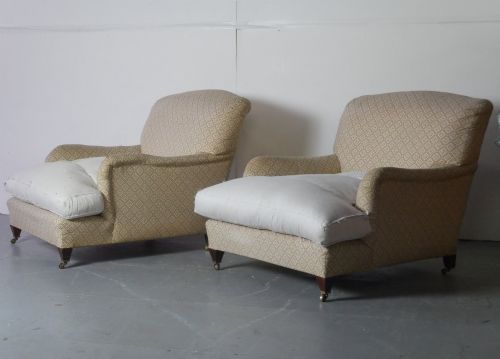
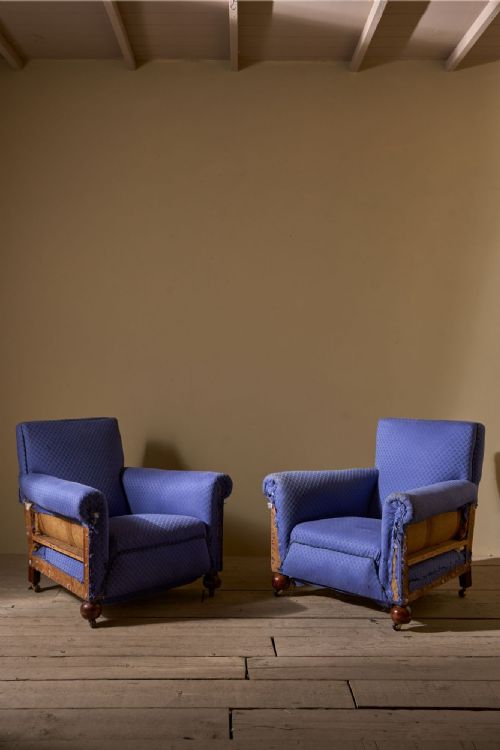
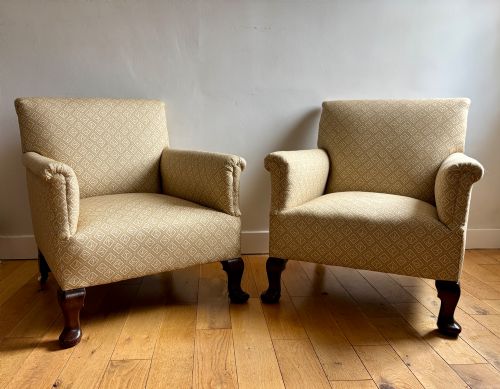
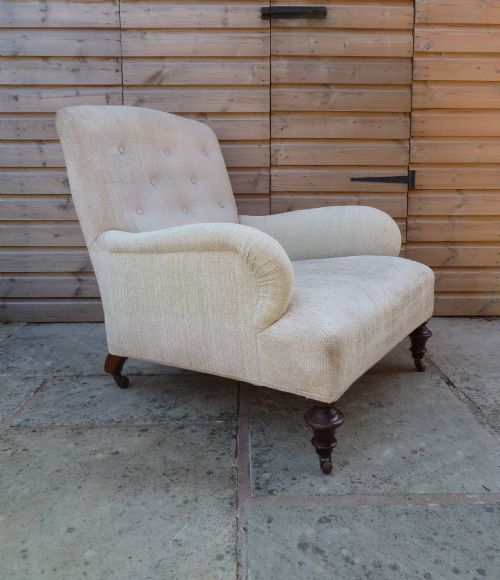
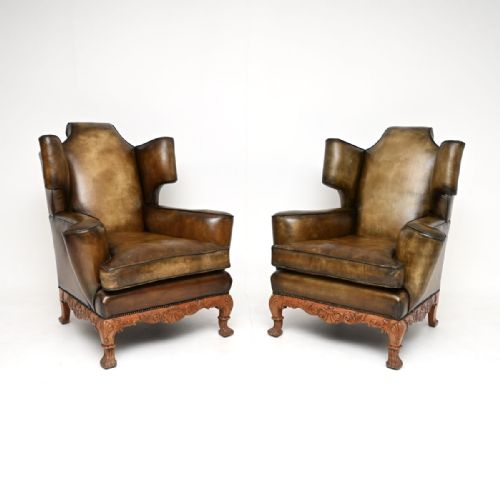
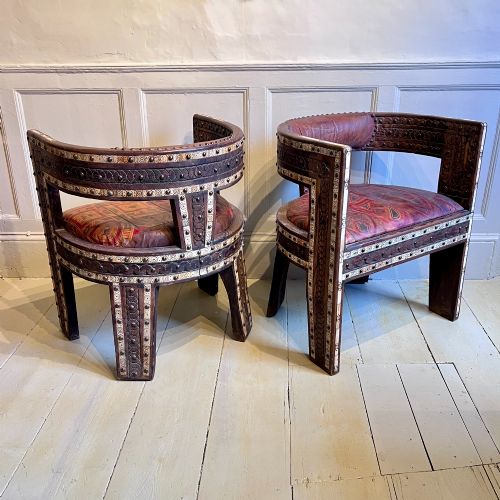
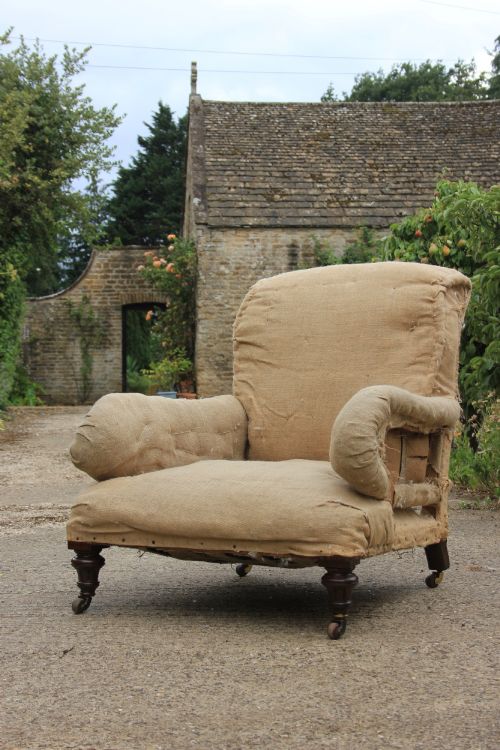
Club style armchairs bring deep comfort and robust character to a room, built around low profiles and generous proportions.
Club Style Armchairs
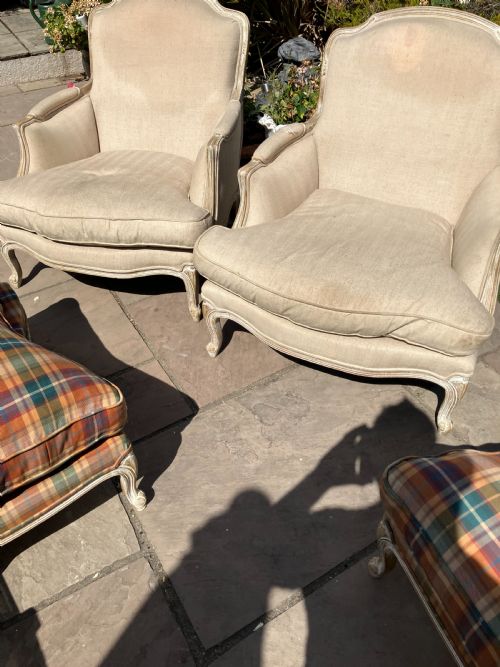
Club style armchairs encompass deep-seated upholstered seating designed primarily for relaxation, originating in robust forms that prioritise substantial cushioning. When exploring these pieces, buyers encounter various historical interpretations ranging from nineteenth-century Victorian examples to twentieth-century Art Deco iterations.
Makers and workshops historically produced these armchairs using traditional framing methods, resulting in enduring seating options. The offerings vary from compact tub chairs to oversized library armchairs upholstered in leather, velvet, or silk.
Materials and construction methods
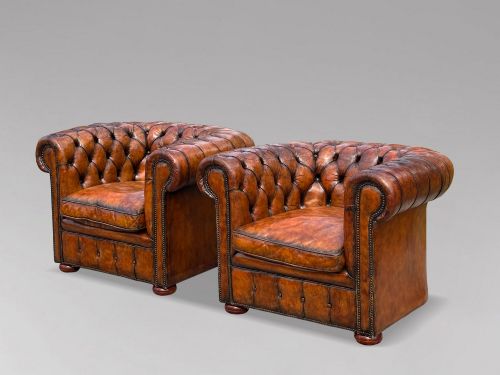
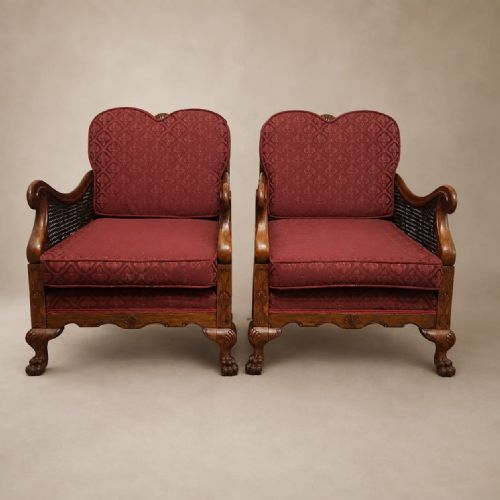
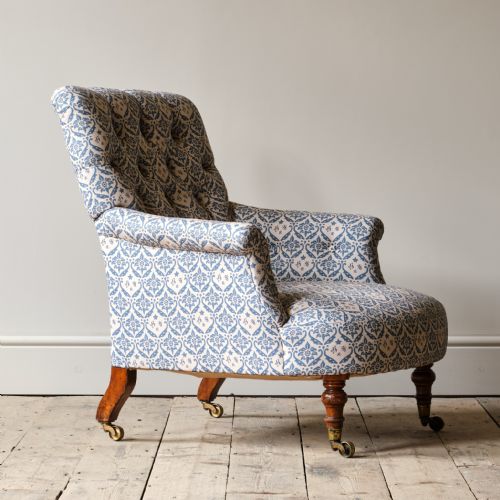
Upholstery choices define the tactile quality of each armchair, utilising durable leather, silk, velvet, and standard woven fabrics. Decorative elements frequently include brass detailing, carved woodwork, and exposed polished legs that complement the primary frame material.
Assessing craftsmanship and condition
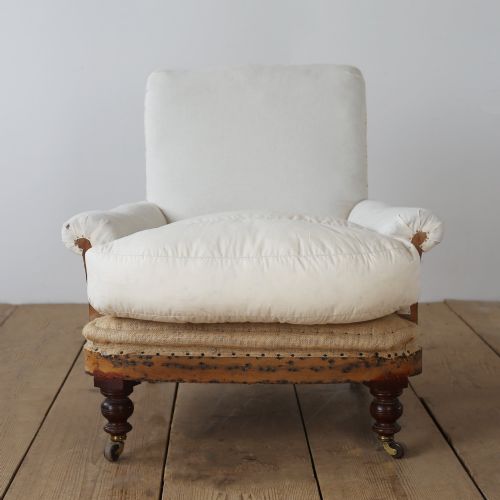
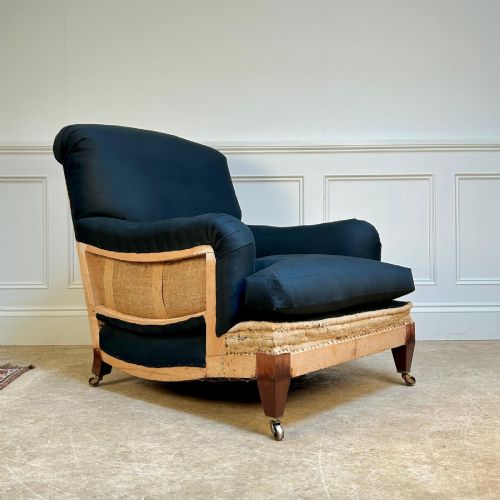
Quality separates pieces through the integrity of the internal frame construction and the preservation of original upholstery materials. Superior examples display careful joinery in woods like mahogany or walnut alongside resilient stuffing that maintains proper support.
The distinction between standard production and finer execution lies in the detailing of the woodwork, such as hand-carved elements or aesthetic movement legs. Patina on leather surfaces and the precise stitching of fabric or velvet further indicate the standard of manufacture.
Howard and Sons·Whytock and Reid·Gillows·SF Cullen
The Club Style Armchairs Glossary
- Bergere
- An enclosed armchair with stuffed upholstery on a cane or upholstered frame, often featuring exposed wooden trim in walnut or mahogany.
- Tub chair
- A compact armchair characterised by a continuous curved back and armrest structure, commonly upholstered in leather or fabric.
- Library armchair
- A substantial, deep-seated armchair designed for reading rooms, typically constructed with heavy wood framing and supportive cushioning.
- Wing back armchair
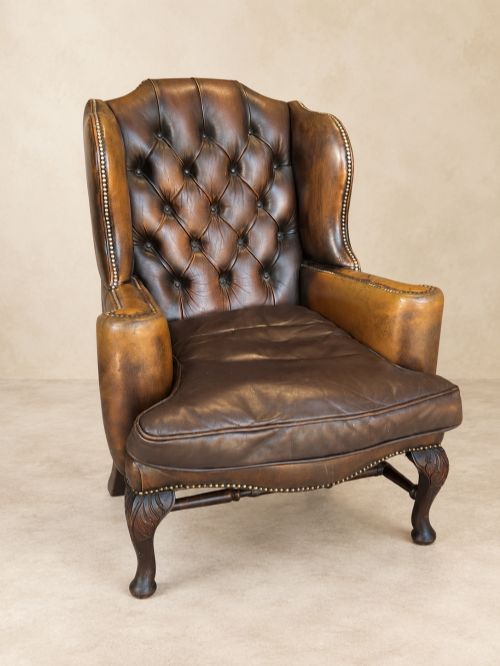
- A high-backed seat featuring protective side panels designed to shield the occupant from drafts, frequently finished in leather.
- Bridge-water armchair
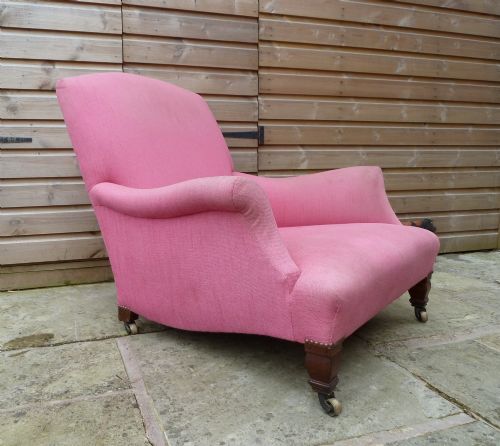
- A classic English seating form featuring low, rolled arms and deep proportions, often associated with traditional country house interiors.
Club Style Armchairs: Frequently Asked Questions
How do I date a club armchair?
Dating involves examining the framing materials, upholstery techniques, and stylistic cues present in the design. Victorian and Edwardian examples often feature heavier carved woodwork or distinct leg shapes.
Twentieth-century pieces, such as Art Deco variants, display cleaner geometric lines and different fabric applications that reflect the manufacturing trends of their respective decades.
Are these armchairs comfortable for daily use?
Their original design prioritised deep seating and supportive padding, making them well-suited for extended periods of sitting. The incorporation of traditional internal materials ensures reliable support over time.
Maintenance of the upholstery and internal webbing helps preserve the original comfort levels in older and antique examples.
What materials were used in construction?
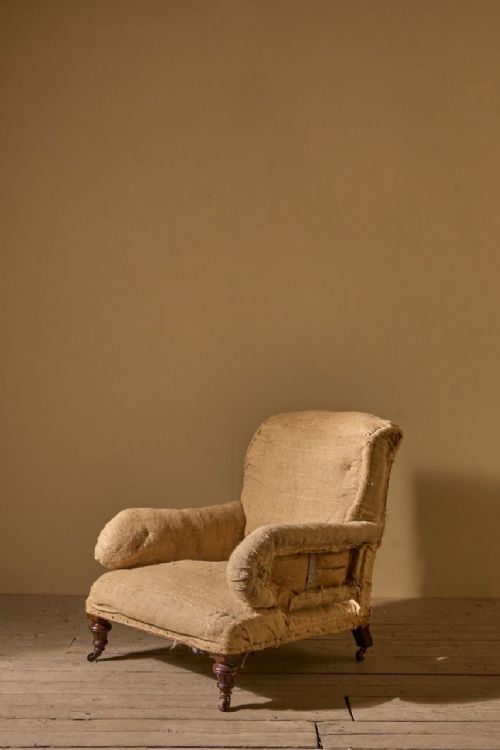
Frames are predominantly built from hardwoods such as mahogany, walnut, oak, and general timber. Internal support relies on traditional layers of hessian, calico, and resilient stuffing.
Outer coverings vary widely from patinated leather and velvet to silk, calico, and standard woven fabrics, often accented with brass details.