
Clear Lead Crystal Glasses
Clear lead crystal glasses bring weight and brilliance to the table, spanning Georgian, Victorian, and Edwardian periods.
Clear Lead Crystal Glasses
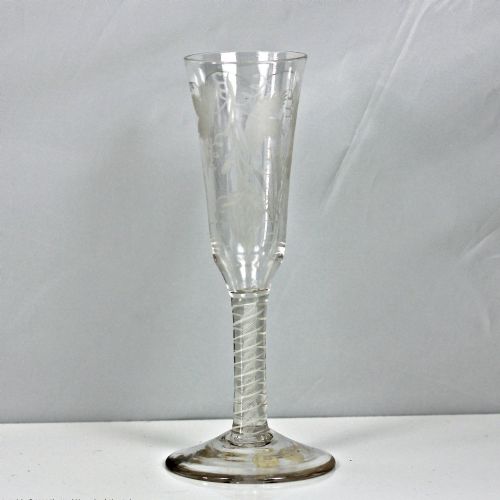
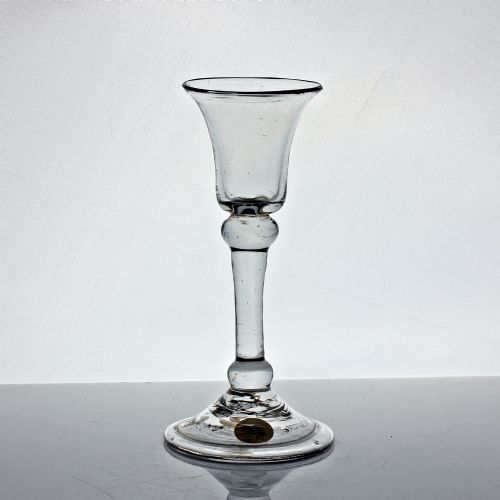
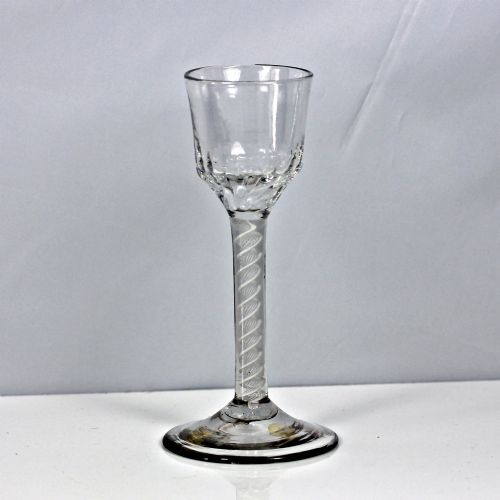
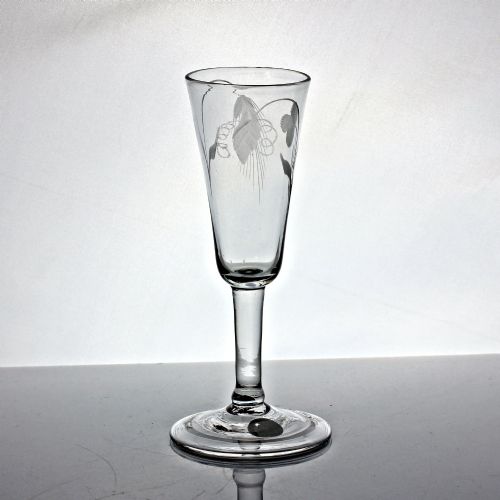
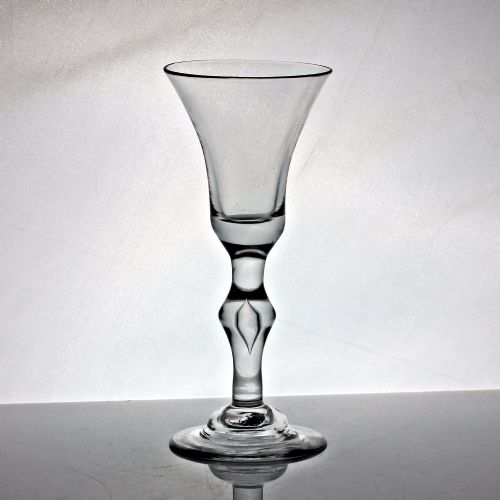
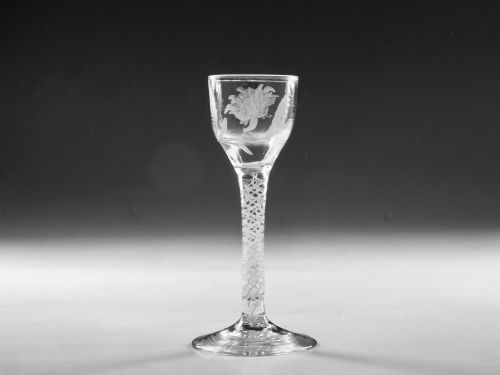
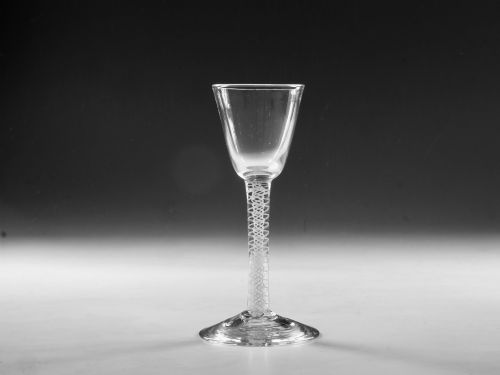
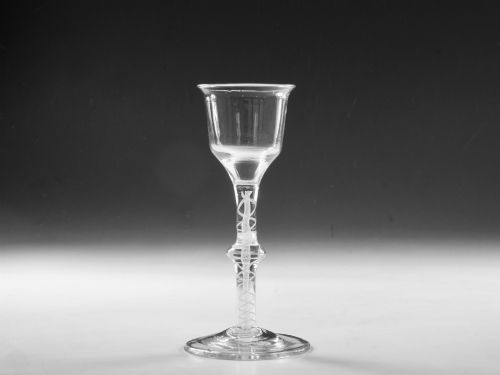
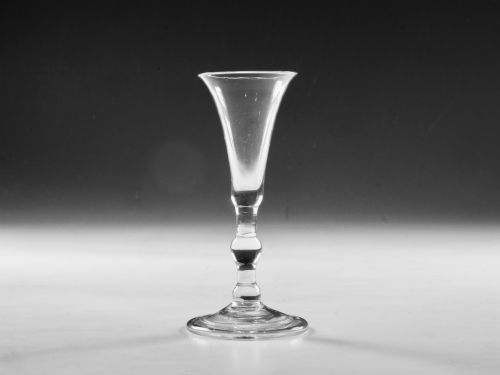
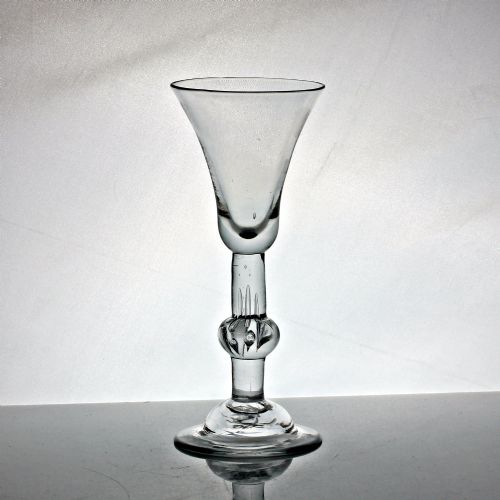
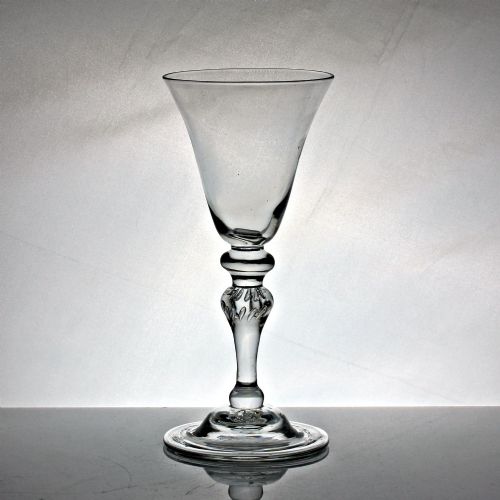
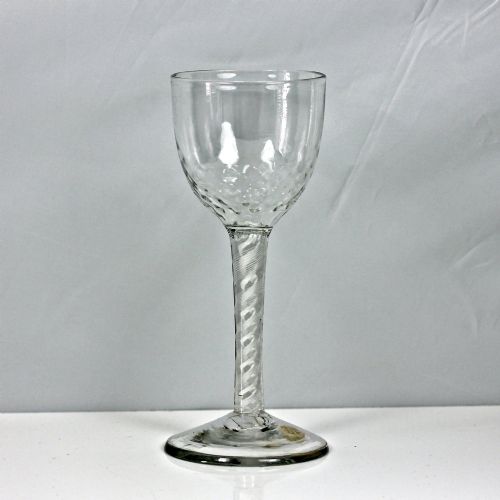
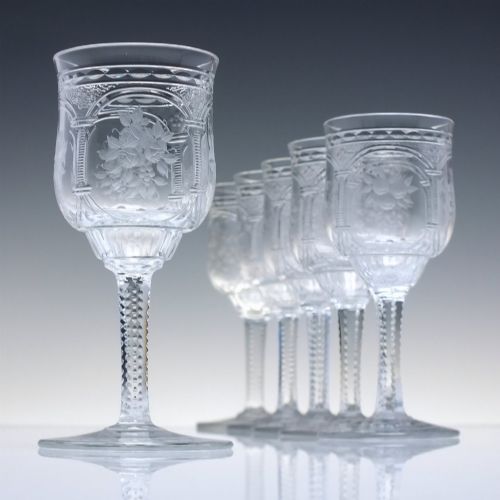
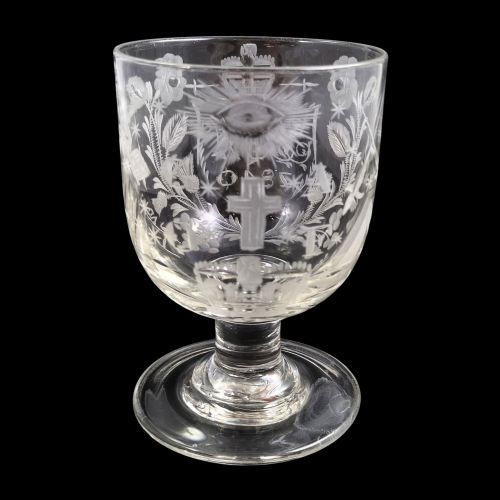
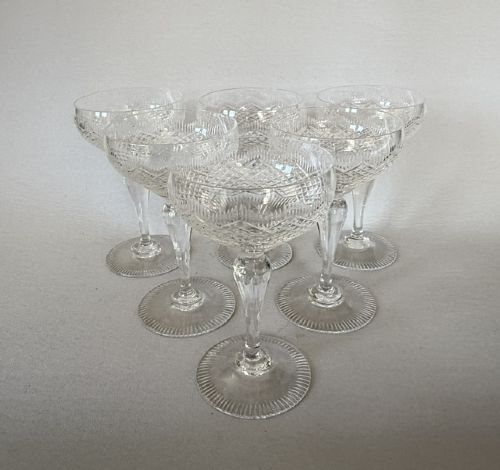
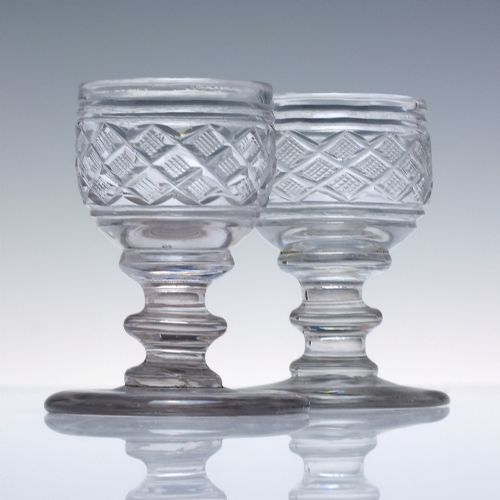
Clear lead crystal glasses encompass drinking glasses, rummers, decanters, and champagne coupes spanning periods from the 18th Century through to the 1930s. Buyers searching for clear lead crystal glasses encounter drinking vessels ranging from early Georgian air twist wine glasses to Edwardian cut glass decanters and Victorian rummers.
English and continental workshops produced these items across distinct stylistic eras including Regency, French Restoration, and Art Deco. The selection on this page demonstrates the wide variety of glassware utilised for wine, beer, water, and spirits over three centuries.
Standards of Execution
The degree of clarity and the weight of the material distinguish superior examples from standard production. Heavier lead content creates a deeper ring and sharper refraction through the facets.
Execution of cut decoration and engraved motifs demonstrates the artisan's control. Crisp lines, well-balanced stems, and evenly finished feet indicate superior craftsmanship across Georgian and Victorian pieces.
A French scent bottle hides a tiny portrait of Napoleon inside, proving that early glassmakers loved a miniature secret.
Val St Lambert
The Clear Lead Crystal Glasses Glossary
- Rummer
- A large drinking glass used for wine, beer, or punch during the Georgian and Victorian periods. These heavy vessels often feature cut decoration around the lower bowl.
- Air twist
- An optical effect inside a glass stem created by elongating air bubbles trapped within the molten metal. This technique appears frequently on 18th Century wine and ale glasses.
- Flint glass
- An early term for high-clarity glass containing lead oxide, developed to improve brilliance and weight. It forms the basis of many pieces produced in the Georgian era.
- Ogee bowl
- A bell-shaped drinking vessel contouring inwards at the rim and outwards towards the base. This profile is common on 18th Century wine glasses.
- Pontil mark
- A rough scar on the base of a glass where the holding rod was detached after blowing. Polished pontils indicate finer finishing work on antique drinkware.
Clear Lead Crystal Glasses: Frequently Asked Questions
What is the difference between flint glass and lead crystal?
Flint glass is an early historical term for glass containing lead oxide, developed to increase weight and refractive index. Lead crystal is the modern designation for the same heavy, high-clarity material.
Both substances contain lead, which gives the items their characteristic ring and brilliance. The terminology largely reflects the period of manufacture rather than a chemical difference.
How can I date an old wine glass?
Examine the stem construction, bowl shape, and foot formation to determine the likely period. Air twists and folded feet point towards the 18th Century, whilst heavy facet cutting typically suggests the 19th Century.
Tool marks and pontil scars on the underside provide further clues regarding manufacturing methods. Comparing the weight and glass colour against known examples helps narrow down the decade.
Can I use antique glassware every day?
These items were made for dining and drinking, meaning they function well for special occasions or daily use. Careful handling prevents chips on the delicate rims and cut facets.
Store them upright on stable shelves away from edge risks. Hand washing after each use ensures the glass remains clear and sound for future generations.