


Clear Lead Crystal Decanter
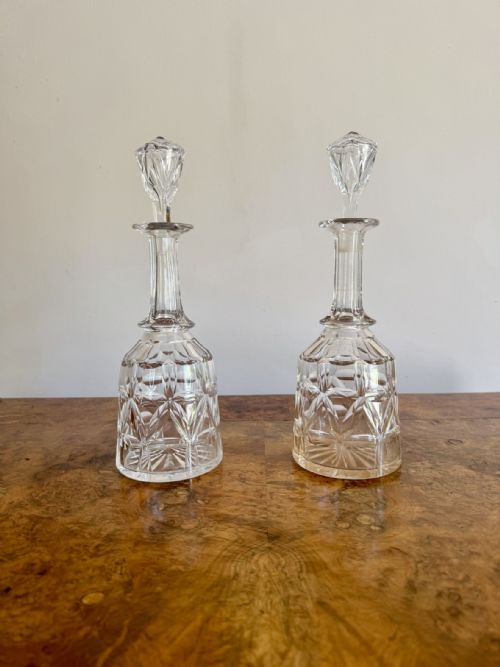
A clear lead crystal decanter brings heavy brilliance and refined proportion to a dining table or sideboard, holding spirits and wine with traditional elegance.
Clear Lead Crystal Decanter
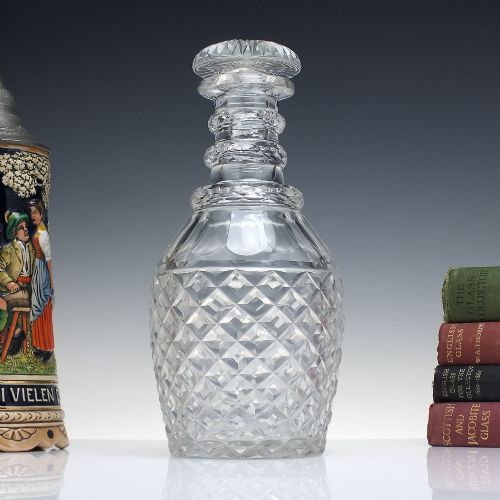
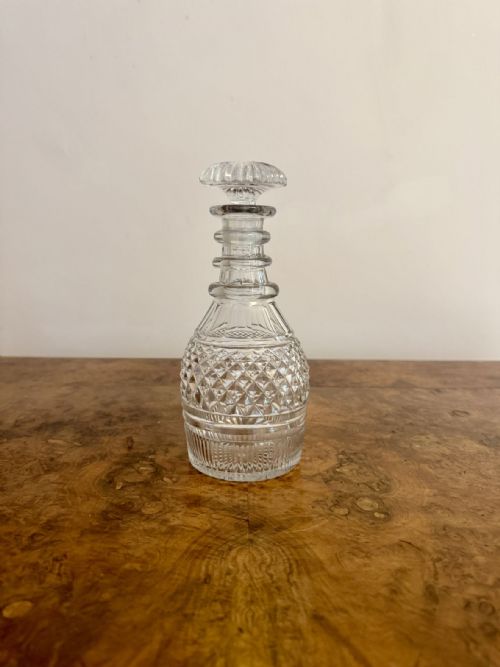
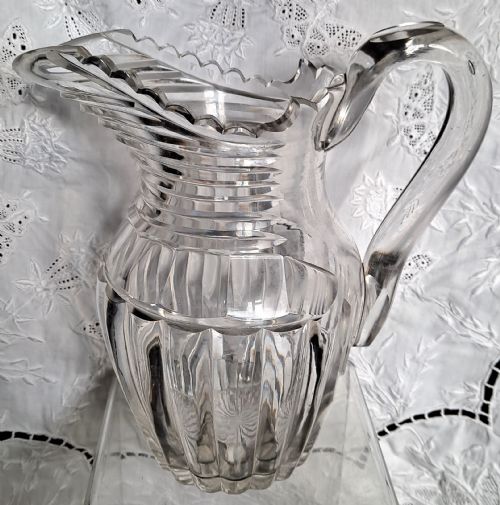
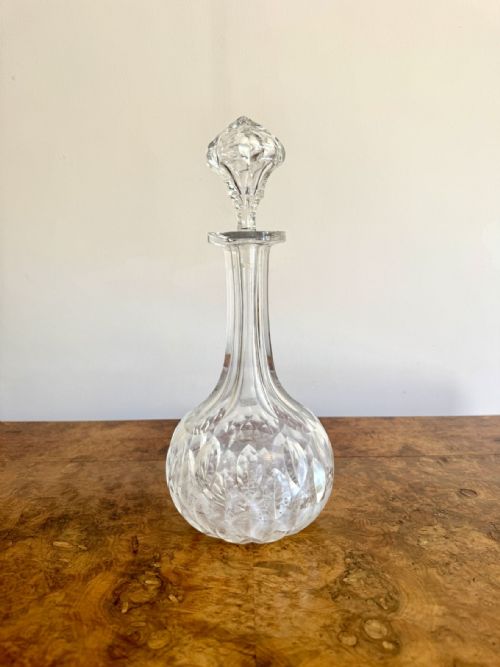
When searching for a clear lead crystal decanter, buyers encounter vessels spanning the Georgian, Regency, Victorian and Edwardian eras. The selection comprises traditional spirit and wine decanters alongside water jugs, ewers, and three-ring carafes.
Most pieces met on this page date from the nineteenth century and the Edwardian period, showcasing distinct bottle shapes from shoulder decanters to heavy Prussian styles. Pairs and trios appear frequently alongside individual vessels.
English origins dominate the inventory, with makers utilising lead glass and crystal to produce functional barware that has survived from the eighteenth century onward.
Materials and manufacturing techniques
The objects are produced from heavy lead glass, lead crystal, and clear cut glass, which provide the high refractive index necessary for deep brilliance. Artisans shaped the molten material through blowing and optical blowing techniques.
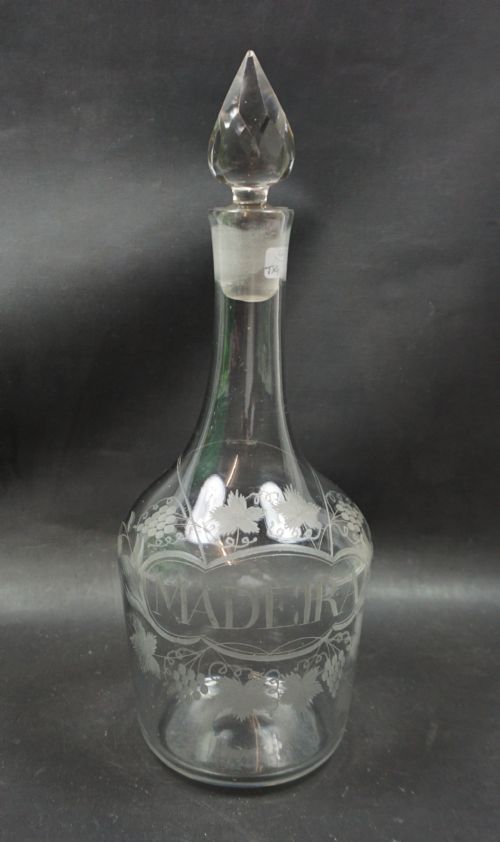
Surface ornamentation relies on deep wheel cutting, pillar and prism cutting, and ring neck formations. Some examples feature engraved spirit labels such as Madeira, Brandy, or Whisky.
Materials documented across the inventory include lead crystal, cut glass, lead glass, and optically blown crystal.
Distinctions in craftsmanship and material
Superior examples demonstrate crispness in the wheel-cut facets and substantial weight from a high lead content in the crystal. The clarity of the glass and precision of neck rings distinguish finer vessels from standard production pieces.
The integration of matched stoppers and balanced proportions elevate certain items, while engraved lettering or specific maker attributions reflect higher levels of atelier work.
James Powell
The Clear Lead Crystal Decanter Glossary
- Lead crystal
- Glass containing a significant proportion of lead oxide, increasing weight, clarity, and the dispersion of light. This material allows for deeper and sharper facet cutting.
- Prussian decanter
- A bottle form characterised by a tapering body and multiple horizontal neck rings. These rings were originally designed to provide a secure grip for pouring.
- Pillar cut
- A decorative cutting technique featuring broad, vertical flutes or pillars down the body of the vessel. It creates strong linear reflections in clear glass.
- Ship's decanter
- A low, wide-based decanter designed with a heavy bottom to prevent tipping at sea. The stable geometry kept contents secure on rolling tables.
Clear Lead Crystal Decanter: Frequently Asked Questions
How do I date a decanter?
Dating relies on bottle shape, neck ring configuration, and the style of cutting. Georgian and Regency examples often feature three neck rings and mallet or Prussian silhouettes, while Edwardian and Victorian pieces show heavier, broader facet cutting.
The presence of pontil marks on the base and the composition of the lead glass further indicate the period of manufacture, distinguishing eighteenth-century lead glass from later Edwardian crystal.
What is a ship's decanter?
A ship's decanter is a distinct bottle form with a broad, heavy base that tapers outward toward the bottom. This low centre of gravity provided stability on moving vessels during ocean voyages.
Today, these pieces function well on modern sideboards where stability and a wide footprint are practical advantages.
How should I clean cut glass?
Cleaning heavy crystal requires careful handling in warm water with mild detergent, avoiding sudden temperature changes that can stress the glass. A soft brush helps clear residue from deep wheel-cut facets without scratching the surface.
For internal staining, traditional methods involve mild cleaning solutions rather than abrasive tools to preserve the interior clarity of the lead crystal.
Are these decanters meant for daily use?
These vessels were originally manufactured for serving wine, brandy, and whisky at the table. Their robust lead glass construction makes them suitable for contemporary service of spirits and water.
Living with antique barware connects modern dining spaces with historical traditions of hospitality and glassmaking.