

Clear Glass Stopper Decanter
A clear glass stopper decanter brings functional elegance to a table, offering a traditional way to serve spirits and wine.
Clear Glass Stopper Decanter
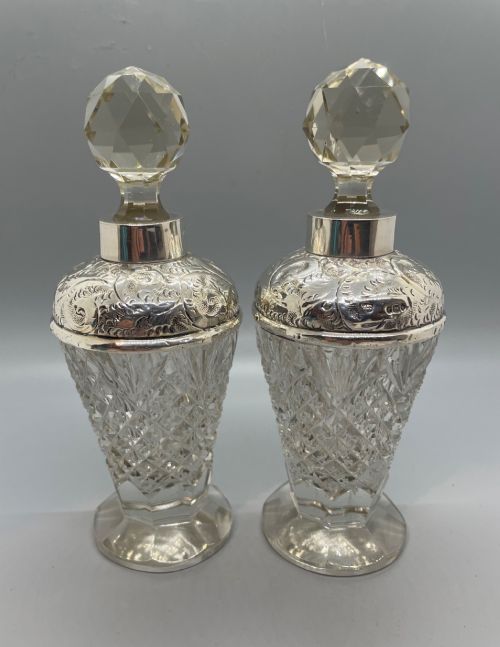
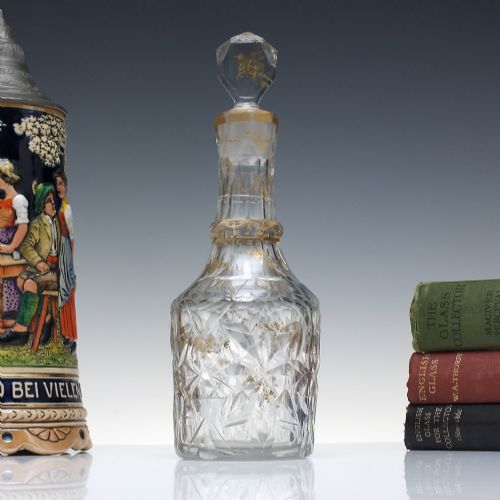
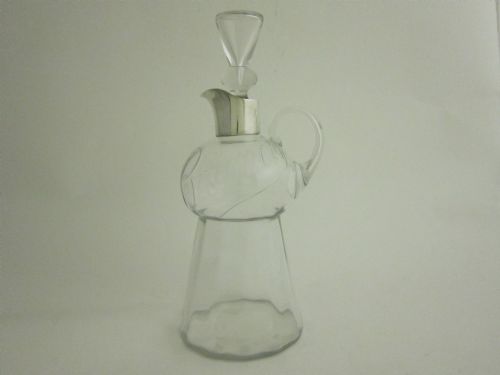
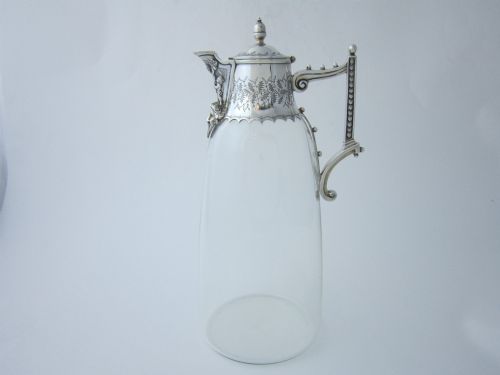
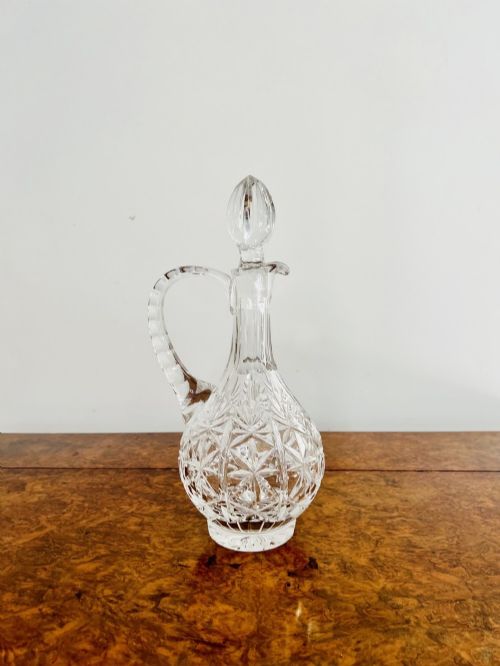
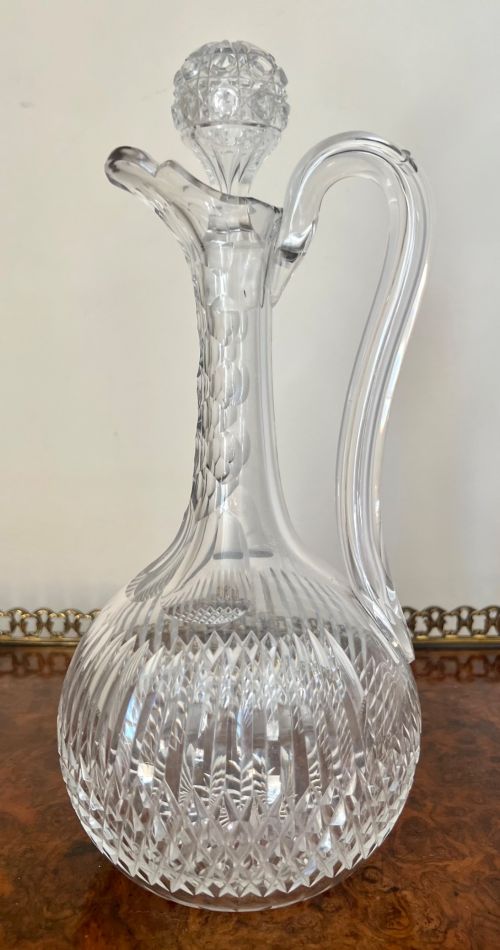
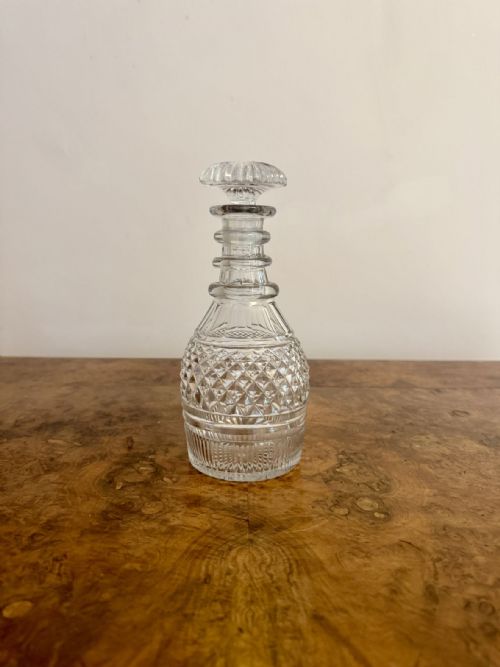
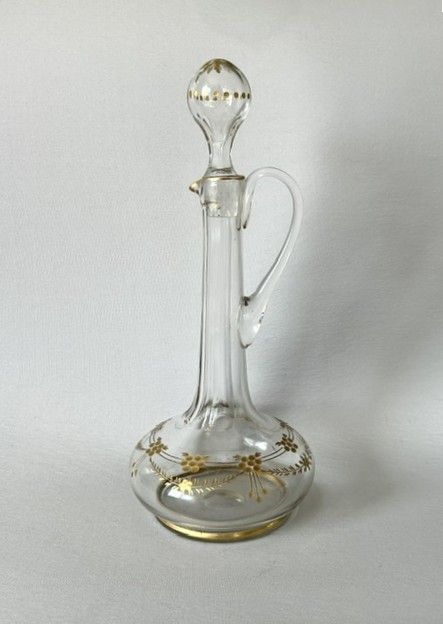
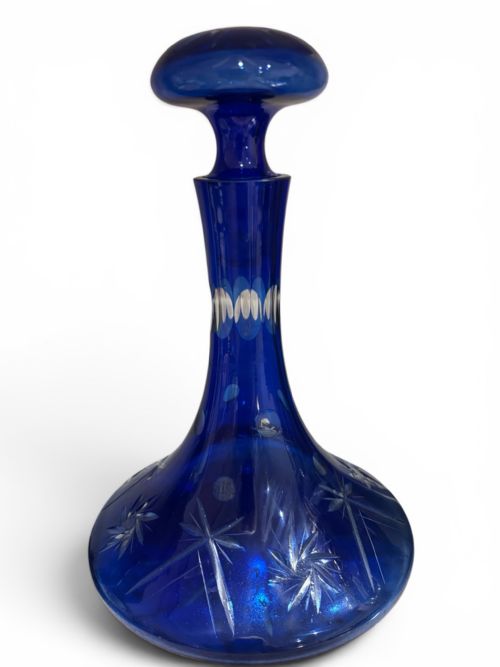
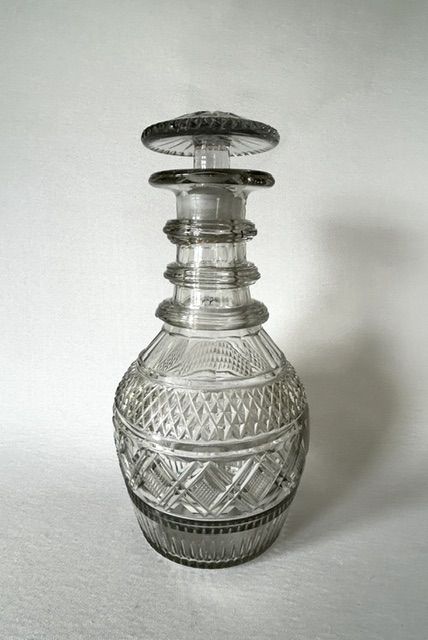
When you search for a clear glass stopper decanter, you encounter pieces spanning from the eighteenth century through the Edwardian period and into the early twentieth century. These vessels take various forms, including traditional spirit and wine bottles, bell-shaped jugs, ship's decanters, and claret jugs fitted with silver or silver-plated collars.
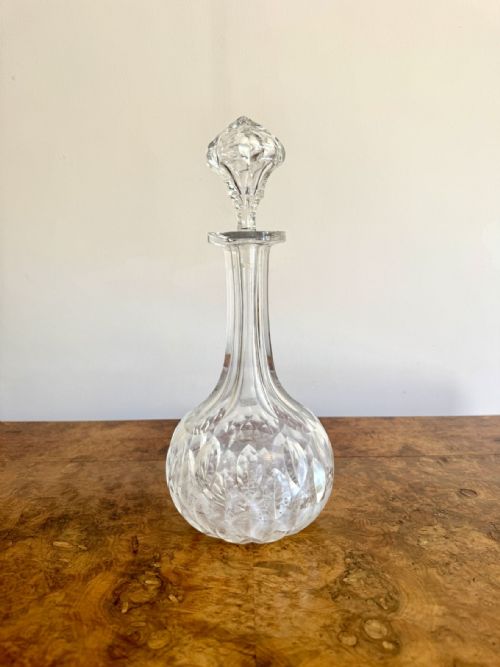
The selection ranges from George III and Regency examples to Victorian and Edwardian items, often featuring cut glass, crystal, or plain blown glass. Many incorporate fitted stoppers designed to preserve the contents of the bottle while displaying the material clarity.
Materials and construction
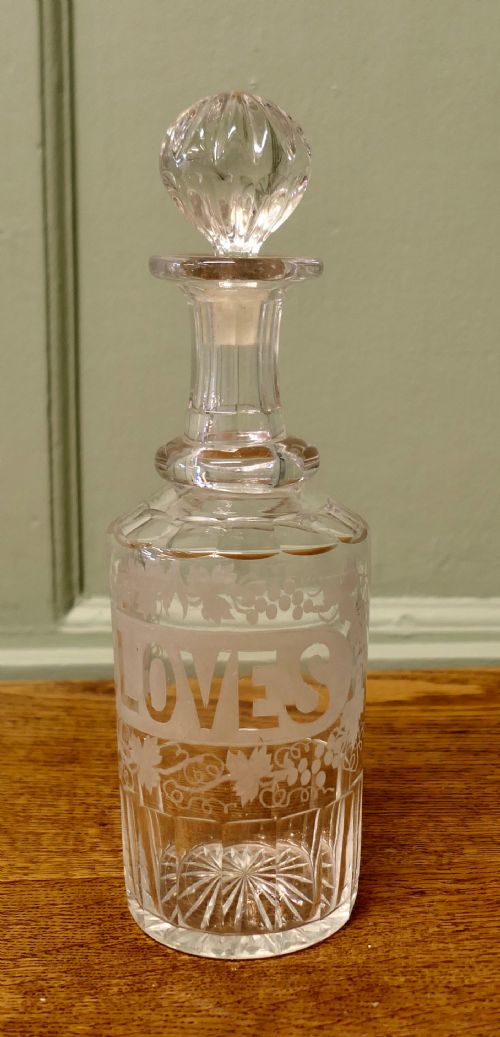
The primary material is glass, frequently described as crystal, lead crystal, or cut glass, shaped through blowing and heavy faceting or wheel-engraving. Artisans utilised techniques such as optical blowing and surface etching to create decorative patterns across the body of the vessel.
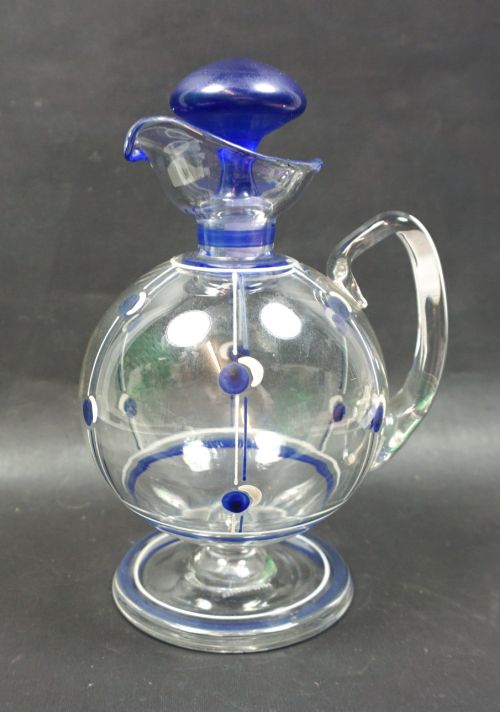
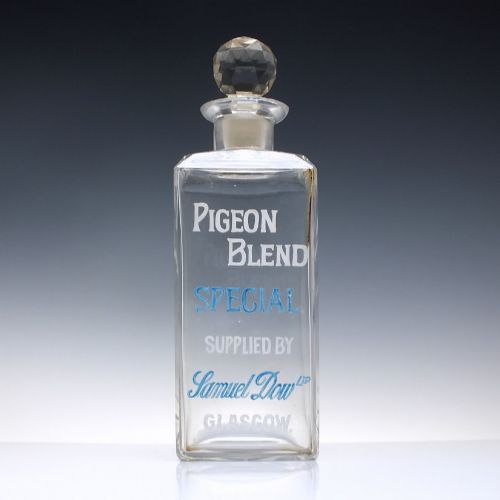
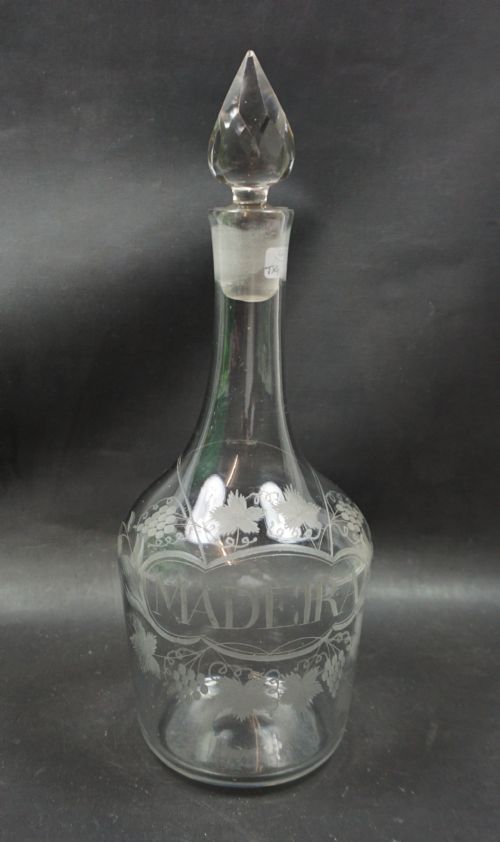
Many examples are mounted with sterling silver or silver plate, particularly around the collar and handle, and some pieces incorporate enamel decoration, gilding, or applied glass labels naming specific contents like Madeira.
Listings include items spanning from the eighteenth century through the Georgian, Victorian, and Edwardian periods up to the nineteen-thirties.
Judging quality and execution
Quality rests in the weight of the metal and glass, the precision of the wheel-cut facets, and the clarity of the material itself. Heavier lead crystal bodies with deep, crisp cutting and well-fitted stoppers distinguish finer examples from simpler blown glass versions.
The integration of precious metal mounts, such as hallmarked sterling silver collars, alongside hand-engraved inscriptions or enamel work, separates standard utility pieces from works produced by notable ateliers.
James Giles·James Powell
The Clear Glass Stopper Decanter Glossary
- Stopper
- The glass plug that seals the neck of the decanter. It is ground to fit a specific bottle.
- Cut glass
- Glass decorated by holding it against a revolving wheel to cut facets or patterns into the surface. This technique creates sharp geometric light refractions.
- Claret jug
- A pouring vessel designed specifically for serving red wine, often fitted with a hinged silver mount and handle. These frequently incorporate a spouted rim.
- Ship's decanter
- A decanter with a wide, stable base and a sloping body designed to prevent tipping at sea. This shape became popular during the Georgian and Regency periods.
Clear Glass Stopper Decanter: Frequently Asked Questions
How do I clean an old decanter?
Residue inside can be removed using warm water with mild detergent, avoiding harsh abrasives that might scratch the interior surface.
After washing, leave the stopper out until the interior dries completely to prevent moisture retention.
Can I use these for serving wine daily?
These vessels are suitable for serving wine and spirits provided the glass and internal surfaces remain clean and free from persistent staining.
Care should be taken when washing antique lead crystal to avoid thermal shock from sudden temperature changes.
How do I date a decanter?
Dating relies on stylistic markers, cutting patterns, and any associated silver hallmarks indicating the year of manufacture.
Georgian pieces often feature distinct shoulder shapes and hand-cut flutes, whereas Edwardian examples display lighter wheel-engraved motifs.
What is the purpose of the stopper?
The stopper limits evaporation and oxidation of the contents by creating a seal within the neck of the bottle.
Matching the original stopper to the body is important, as each was individually ground to fit its specific neck.