
Clear Glass
Clear glass encompasses centuries of tableware, lighting and vanity items, offering an honest window into the craftsmanship of the past.
Clear Glass
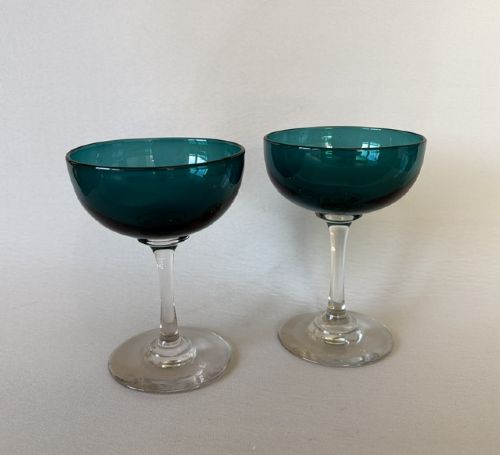
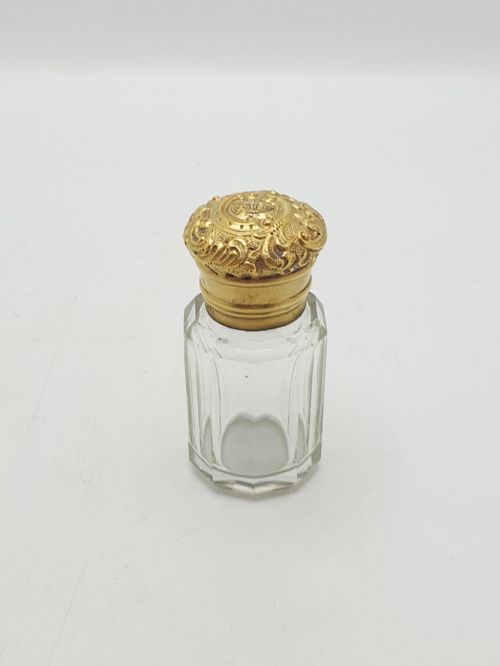
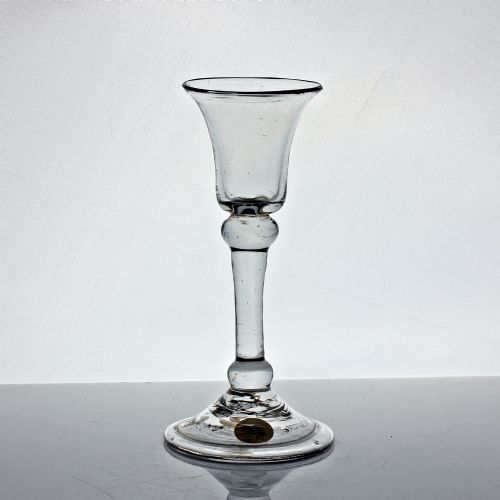
When you search for clear glass, you encounter everything from Georgian drinking vessels to twentieth-century chandeliers. The pieces appearing most frequently span eighteenth-century wine and ale glasses, Victorian scent bottles, and grand multi-tier light fixtures.
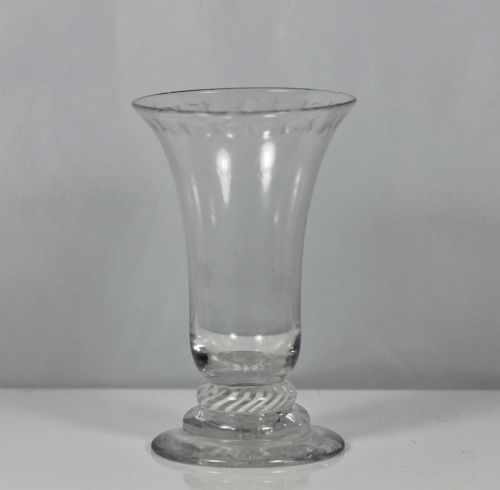
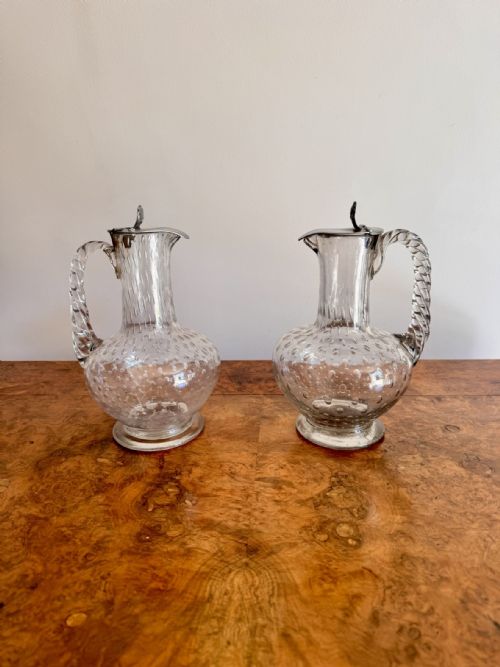
Tableware forms dominate the earlier periods, including jelly glasses, ratafia glasses, and claret jugs. Lighting and mirrors represent the later periods, drawing on Edwardian, Art Nouveau, and Art Deco aesthetics.
How they were made
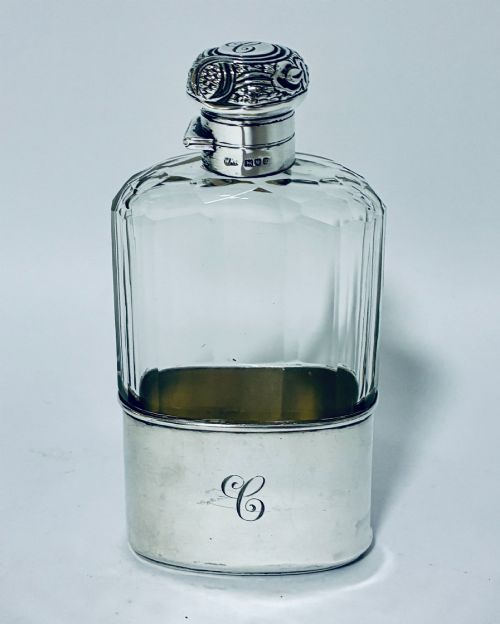
Maker operations utilised lead glass, crystal, and standard glass compositions, often pairing them with sterling silver, silver plate, or brass mounts. Cut glass relied on heavy wheel-cutting techniques to achieve deep facets on decanters, jugs, and scent bottles.
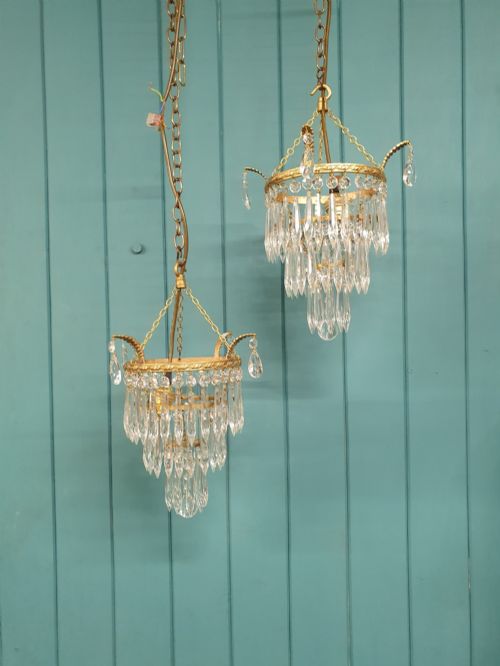
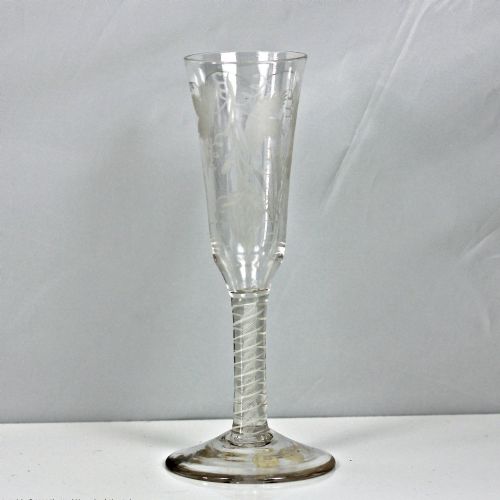
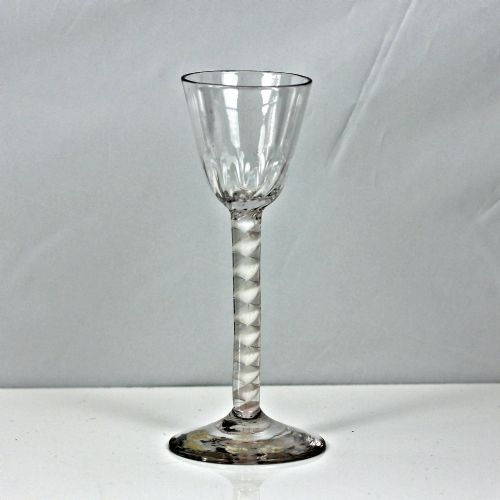
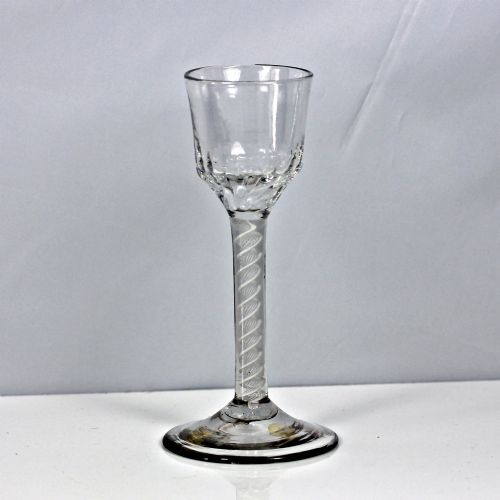
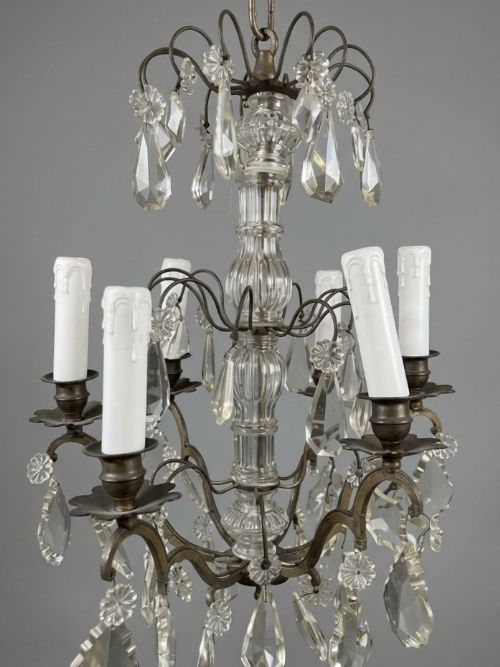
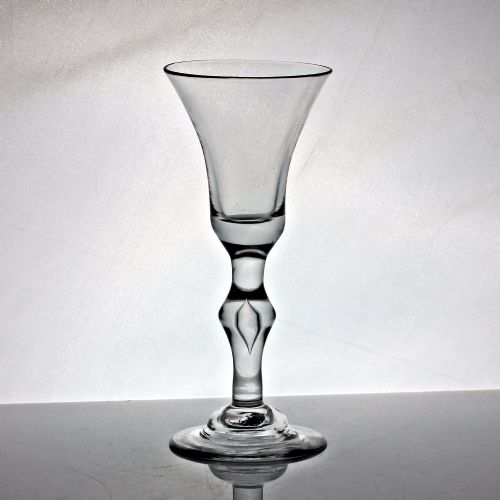
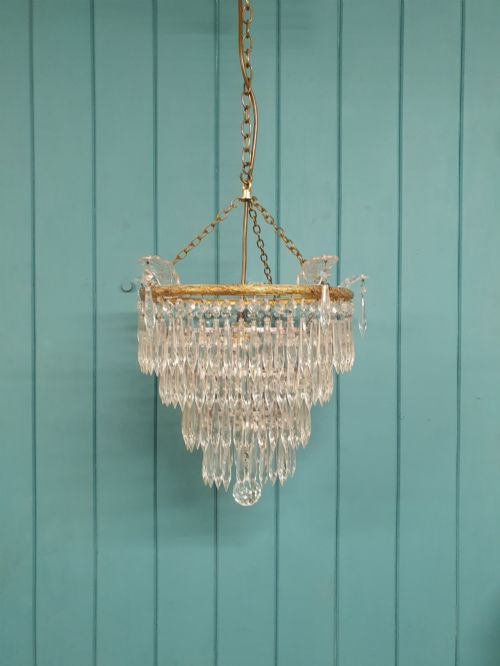
Drinking vessels from the eighteenth century frequently incorporated intricate internal structures like air twists and opaque twists within their stems. Lighting fixtures combined moulded glass components with metal frameworks to suspend prisms and drops.
Listings span the eighteenth, nineteenth, and early twentieth centuries, featuring materials from standard glass and lead crystal to sterling silver mounts.
What varies in quality
Quality rests upon the purity of the metal, the crispness of the wheel-cut facets, and the balance of the form. Earlier vessels demonstrate refinement through folded feet, air tears, and precisely drawn stems rather than heavy ornamentation.
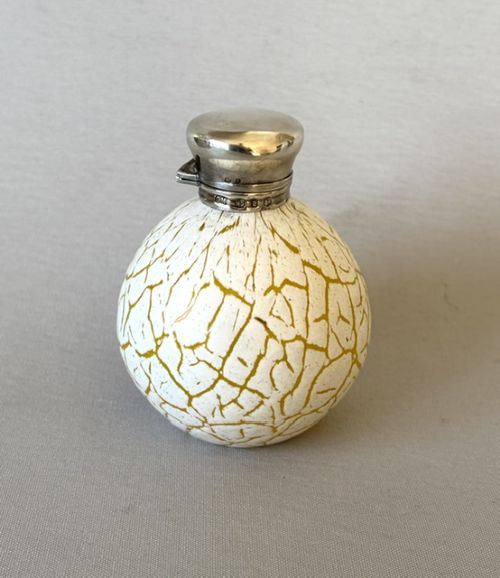
In lighting and scent bottles, the integration of metal mounts, such as gilt sterling silver, elevates the piece. The depth and brilliance of the glass material itself distinguish standard domestic utility items from exhibition-grade examples.
Baccarat Vallee
The Clear Glass Glossary
- Opaque twist
- A stem decoration formed by drawing out threads of white or coloured enamel glass inside a clear outer layer. This technique dates predominantly to the eighteenth century.
- Champagne flute
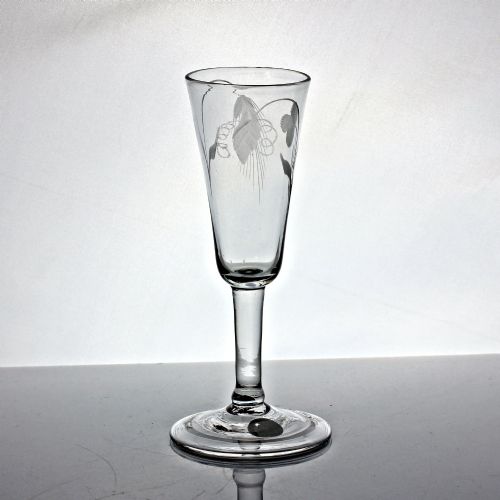
- A tall, narrow vessel designed to retain carbonation. Antique examples often feature delicate cut patterns or engraved bowls.
- Ratafia glass
- A narrow flute utilised for sweet fruit cordials. These pieces frequently exhibit elaborate engraving or gilding upon the bowl.
Clear Glass: Frequently Asked Questions
How do I date antique clear glass?
Dating relies upon examining the form of the object, the pontil mark on the base, and the composition of the material itself. Georgian drinking vessels, for instance, display distinct stem formations and bowl shapes.
Later Victorian and Edwardian examples introduce machine-moulding, heavier lead crystal weights, and metal mounts that correspond to specific hallmarks or stylistic periods.
What is lead crystal?
Lead crystal is a variety of glass containing lead oxide, which increases the weight, refractive index, and clarity of the material. This composition allows for deeper, sharper wheel-cutting.
Pieces made from this material scatter light effectively, creating the intense sparkle observed in chandeliers and fine decanters.
How were air twist stems created?
Glassmakers trapped elongated air bubbles inside the molten metal of a stem before twisting and drawing it to length. This created spiral threads running through the centre of the glass.
Such stems required considerable skill to ensure symmetry and stability within eighteenth-century wine glasses.
Can I use antique glassware today?
Many antique drinking glasses remain structurally sound for gentle use, though hand washing is essential to preserve the fragile metal. Older glass is sensitive to thermal shock and harsh detergents.
Displaying and occasional dining use allow you to appreciate the tactile qualities of eighteenth and nineteenth-century glass firsthand.