

Clear Glass Table
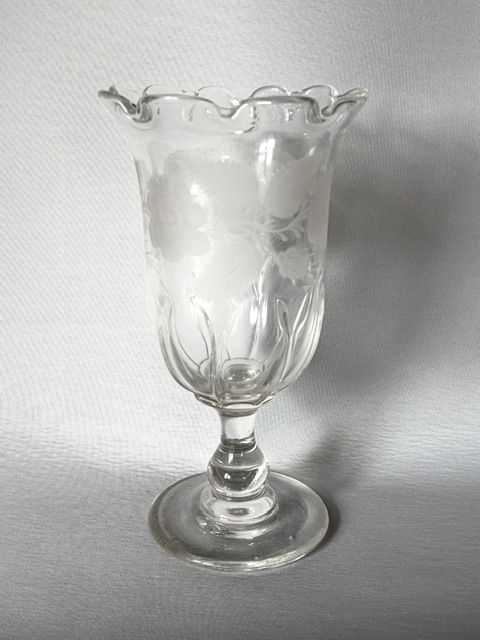
These diverse objects associated with a clear glass table span several centuries of domestic glasswork, offering decorative function and tactile charm to any room.
Clear Glass Table
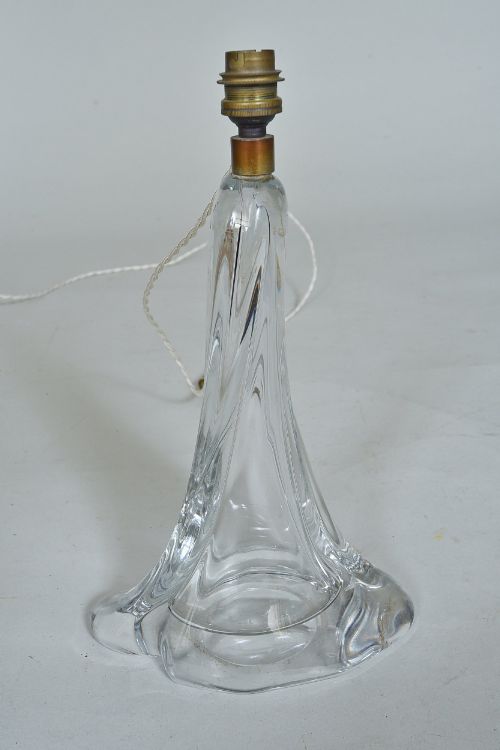
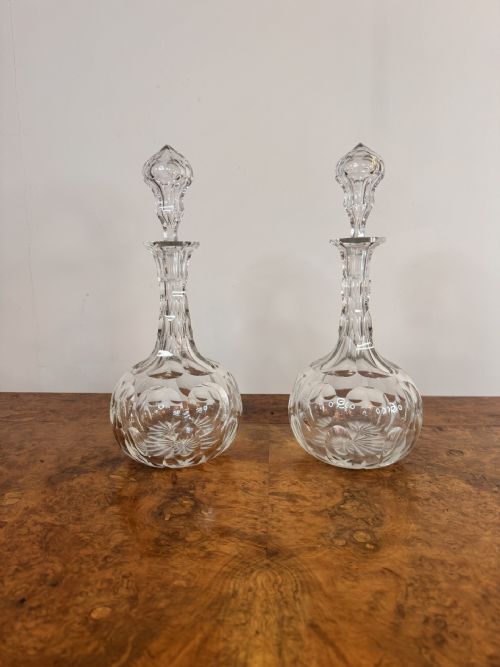
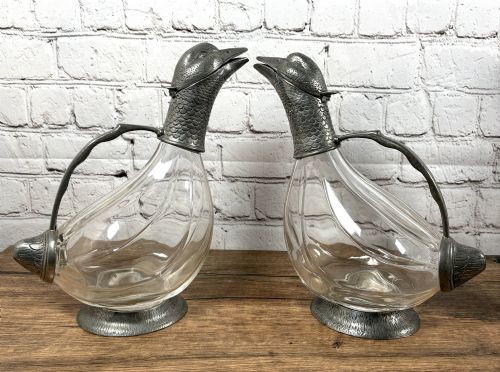
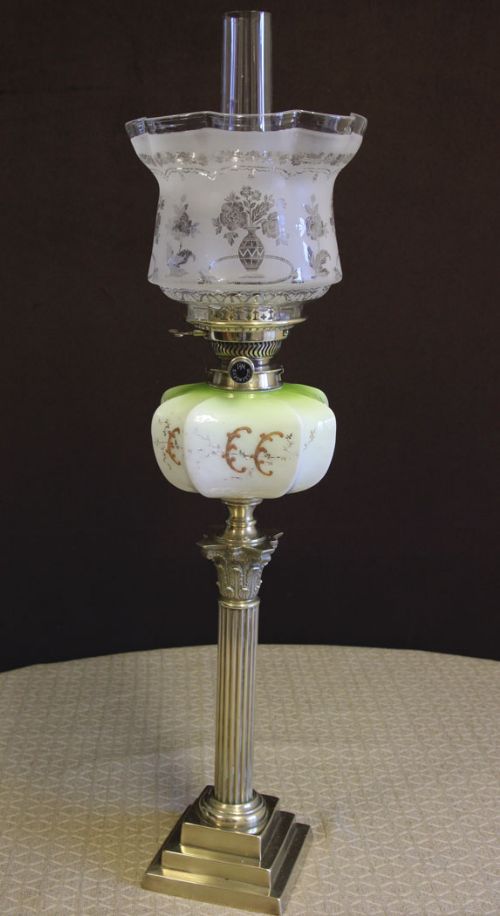
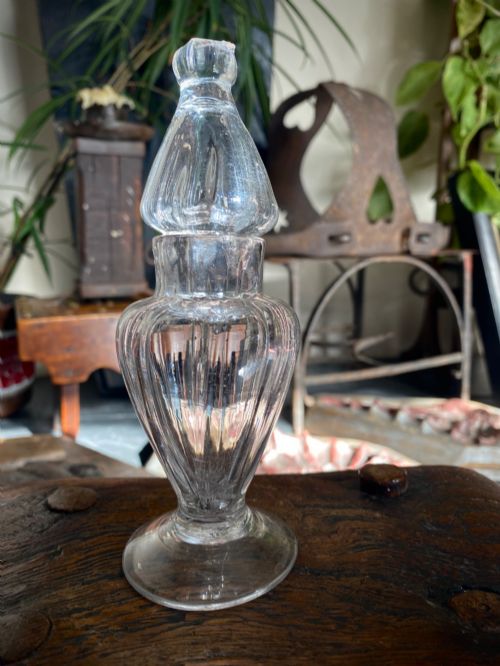
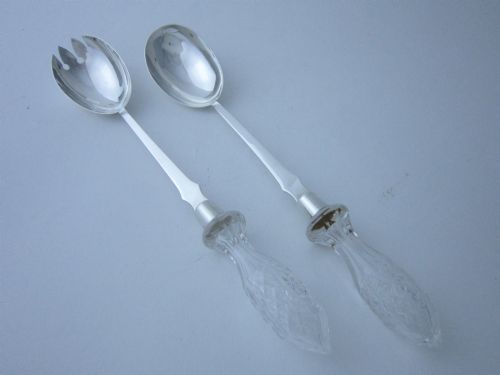
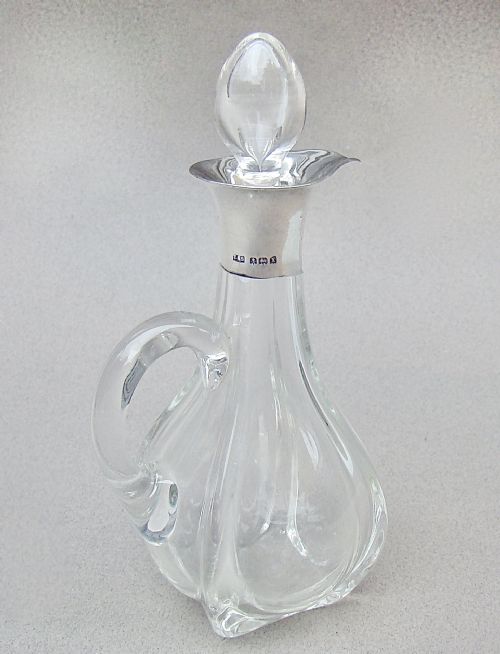
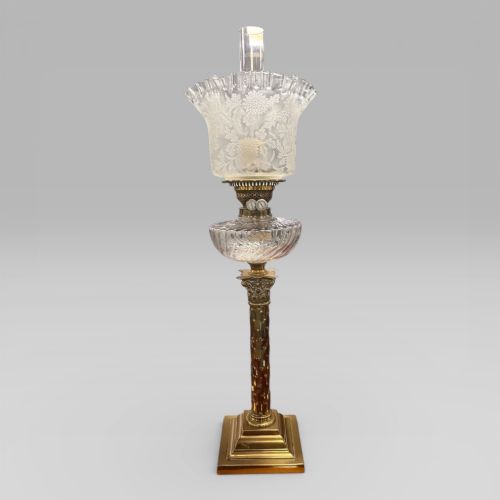
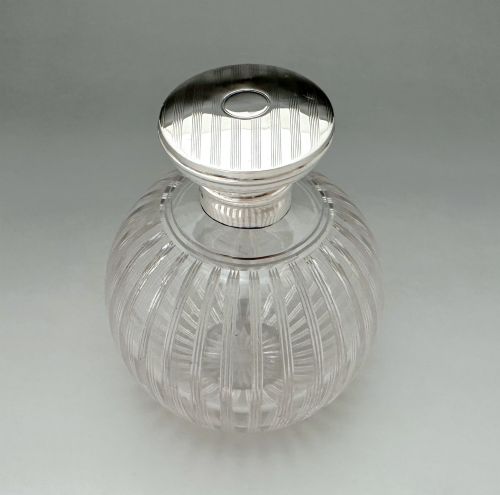
A clear glass table search uncovers a wide range of antique vessels and furnishings, from functional lighting and tableware to decorative display pieces. The items span various historical eras, encompassing Victorian oil lamps, Edwardian decanters, and Art Deco perfume bottles alongside occasional furniture.
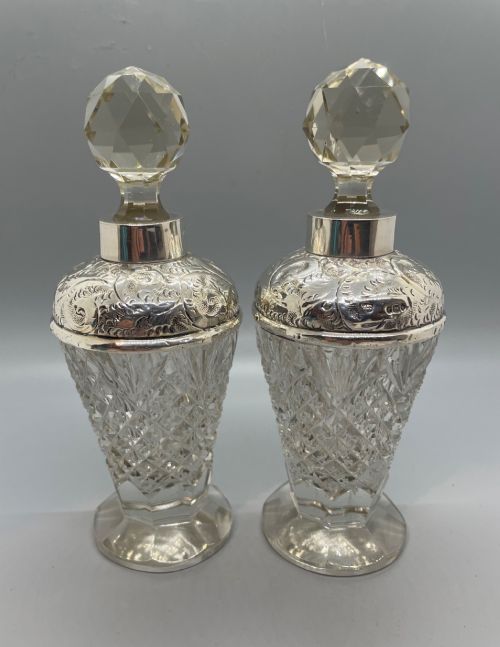
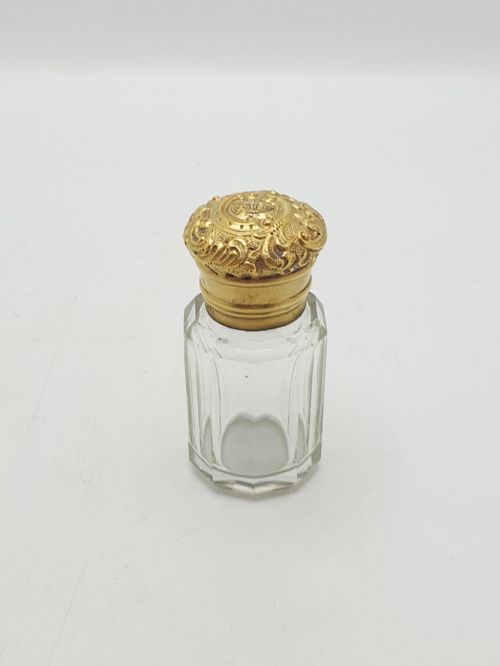
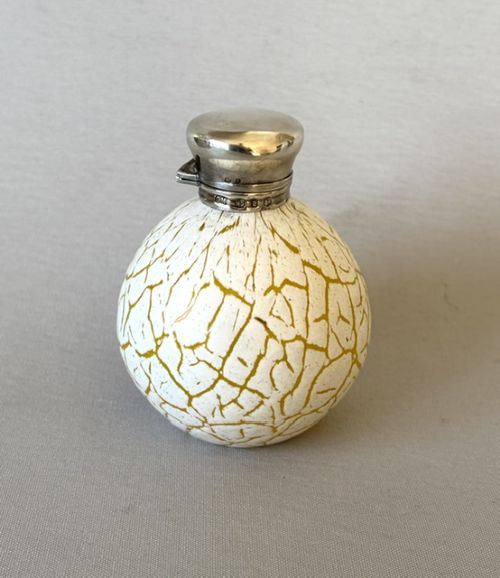
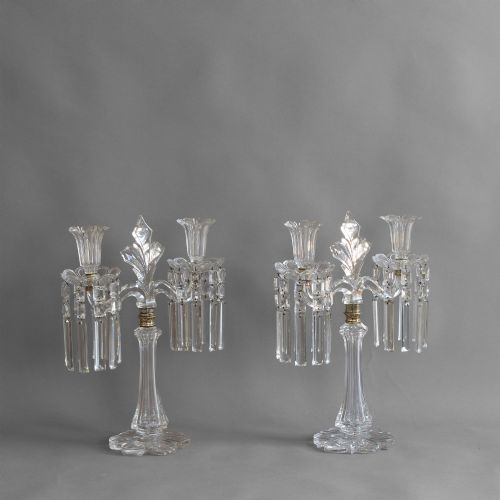
Victorian and Edwardian items dominate the selection, frequently combining transparent glass with brass, sterling silver, or gilt mounts. Table lamps, scent bottles, and centrepieces represent the most common forms encountered on this page.
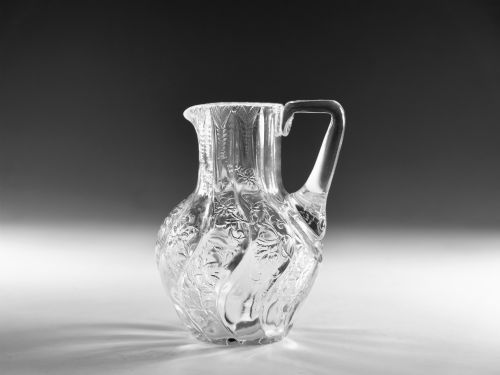
Earlier periods are represented by Georgian patch stands and nineteenth-century jugs, while twentieth-century examples lean towards geometric Art Deco designs and modernist crystal lighting. These objects reflect shifting domestic habits, moving from utilitarian lighting and storage to purely decorative interior accents.
Materials and construction techniques
Makers utilised lead crystal, cut glass, and standard blown glass, shaping vessels through free-blowing, mould-blowing, and intricate wheel-cutting. Heavier pieces often incorporate hand-cut facets like hobnail patterns to maximise light refraction.
Metal components such as brass columns, gilt bronze, and sterling silver collars are integrated securely into the glass bodies using specialised adhesives, threaded rods, or tight-fitting metal mounts. Tortoise shell, enamel, and ceramic elements occasionally supplement the primary glass and metal structures.
Clear Glass Table Retail Price Guide 2026
Typical asking prices for clear glass table among the pieces listed under this phrase on Sellingantiques today, from the lower quarter to the upper quarter. They describe what is for sale here now, not the wider market.
Some Art Deco glass items feature affectionate love birds tucked safely inside opalescent glass clock cases.
Factors influencing quality
The clarity of the material and the precision of the cutting define the upper tier of the range, where crisp geometric lines and brilliant polish distinguish superior work from softer, mould-pressed alternatives. Heavier lead content provides a resonant ring and greater heft, marking out finer crystal pieces.
The integration of precious metals elevates certain items, particularly when sterling silver mounts bear clear hallmarks or when makers incorporate specialised materials like tortoiseshell and gilt bronze. Superior examples maintain crisp surface detail on both the glass faceting and any accompanying metalwork without excessive wear.
Stevens & Williams·R Lalique·Tiffany & Co.·Karl Palda·Hinks of Birmingham
The Clear Glass Table Glossary
- Lead crystal
- Glass containing a significant proportion of lead oxide, which increases the weight, brilliance, and softness of the material for easier cutting.
- Hobnail cut
- A raised, faceted pattern resembling the head of a traditional clout nail, frequently seen on Edwardian and Victorian heavy glass.
- Overshot glass
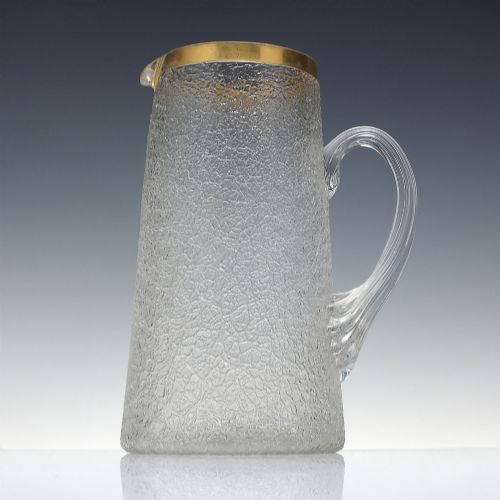
- A technique where fine threads of molten glass are trailed across the surface of a blown vessel, creating a textured, frosted effect.
- Patch stand
- A small pedestal dish historically used to hold cosmetic patches or beauty spots during the eighteenth century.
- Duplex burner
- A specific double-wick oil lamp mechanism developed in the nineteenth century to produce a brighter, steadier flame.
Clear Glass Table: Frequently Asked Questions
Are these glass items suitable for daily use?
Many items like decanters, bowls, and table lamps remain fully functional for modern domestic settings. Care must be taken with delicate cut crystal and antique scent bottles to avoid accidental chips.
Heavier items handle regular placement well, but extreme temperature changes can crack old glass.
How can I tell Victorian glass from later pieces?
Victorian pieces often feature hand-applied handles, polished pontil marks on the base, and heavier proportions compared to mass-produced twentieth-century wares. The integration of solid brass or sterling silver mounts points strongly towards nineteenth-century manufacturing standards.
Examining the wear patterns on the base offers further clues regarding the age of handling.
What is the difference between glass and crystal?
Crystal typically contains lead oxide, which gives the material a higher density, greater light dispersion, and a clear ringing sound when struck. Standard glass lacks this lead content, resulting in a lighter weight and less refractive sparkle.
Pieces described as lead crystal will feel noticeably heavier in the hand than basic glass equivalents.