

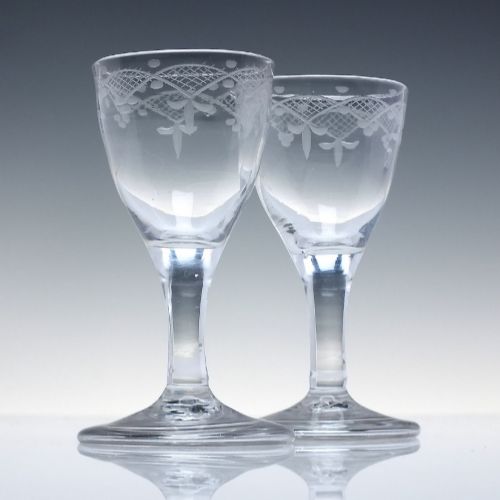
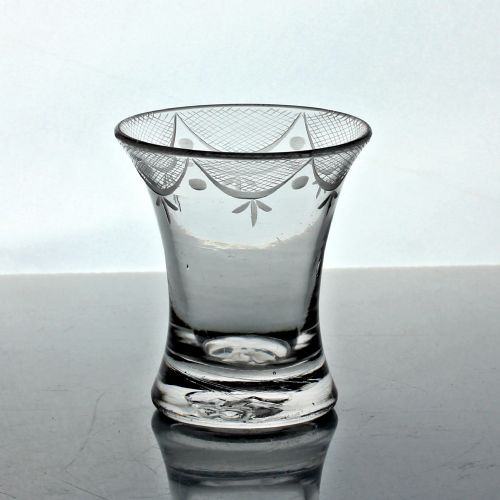

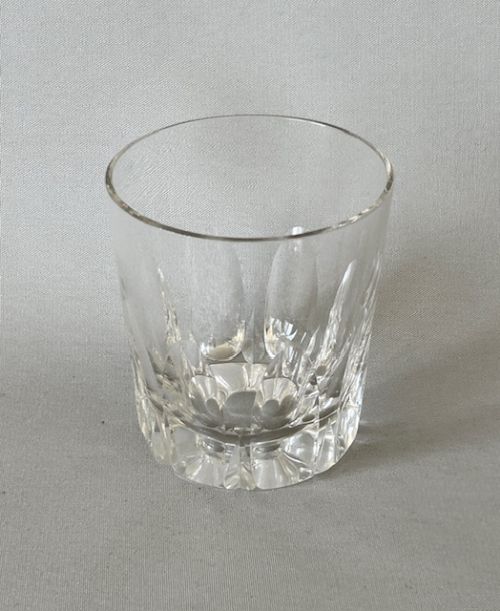
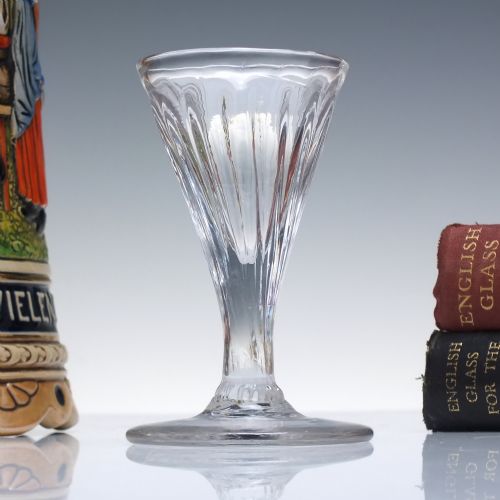

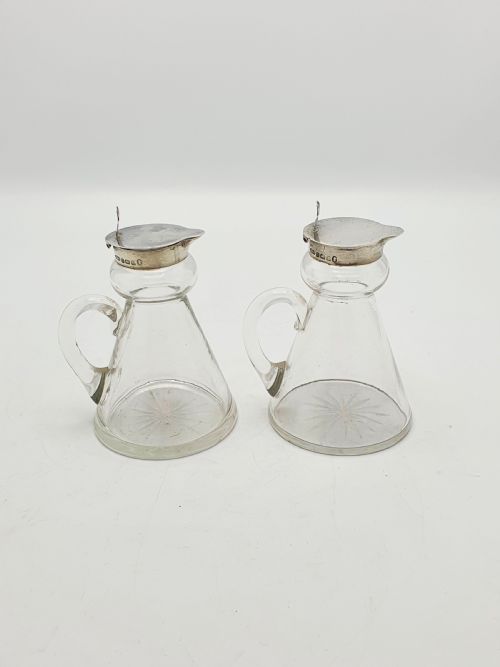

Clear Glass Dram
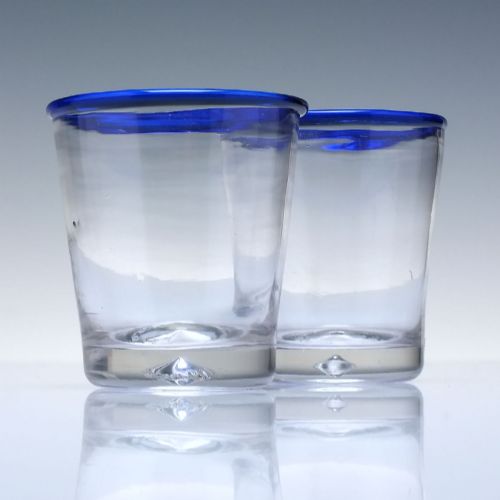
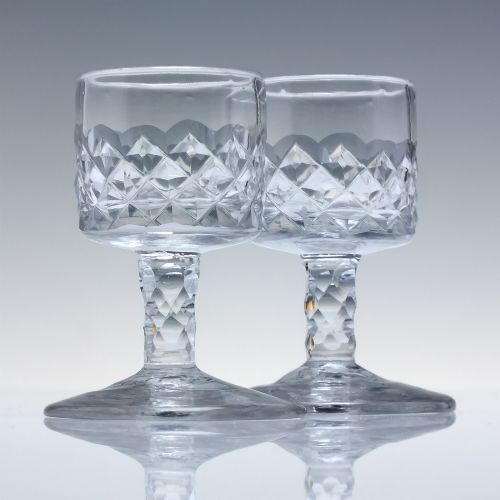
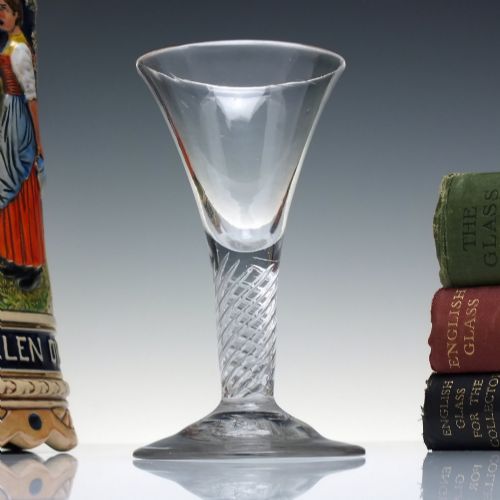
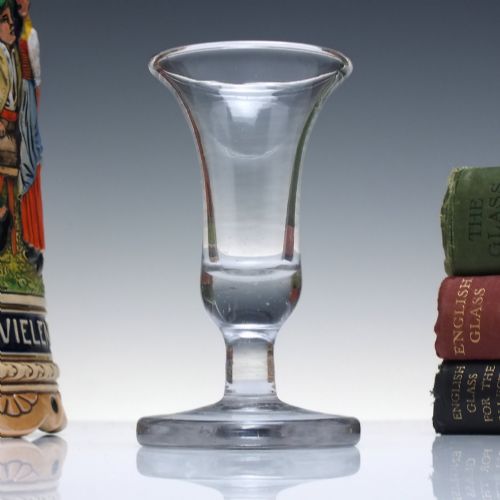
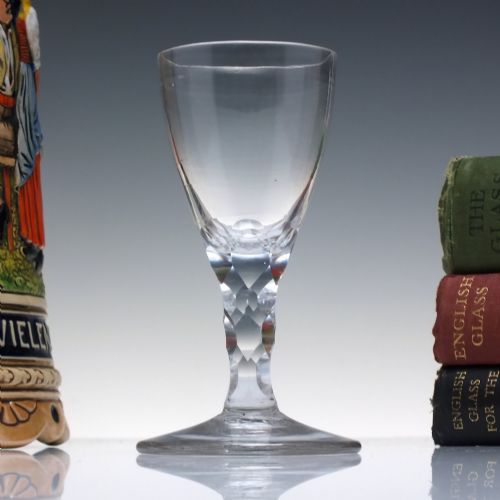
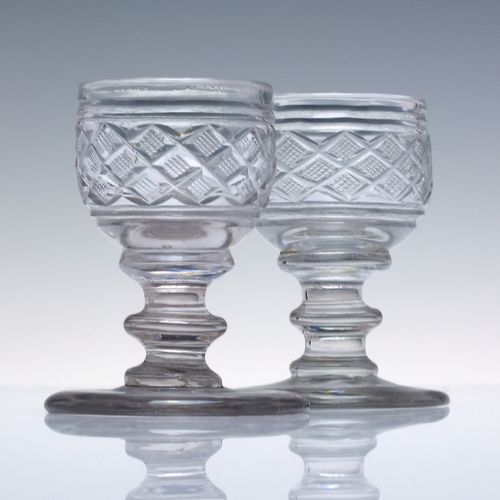
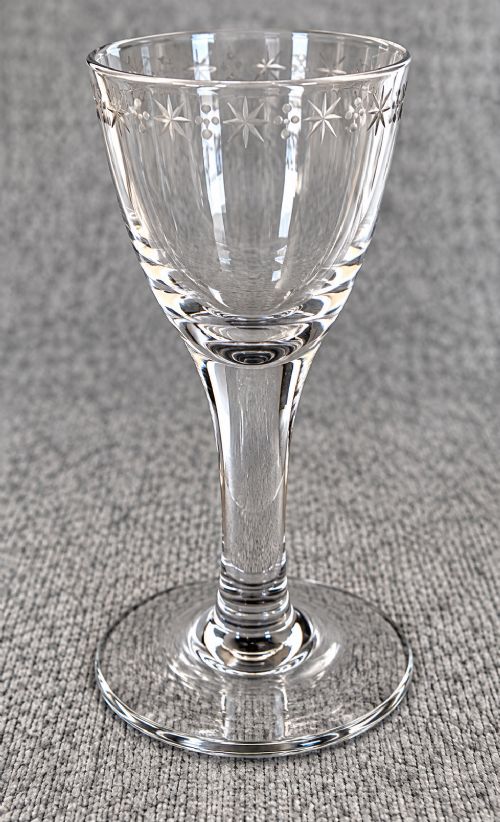
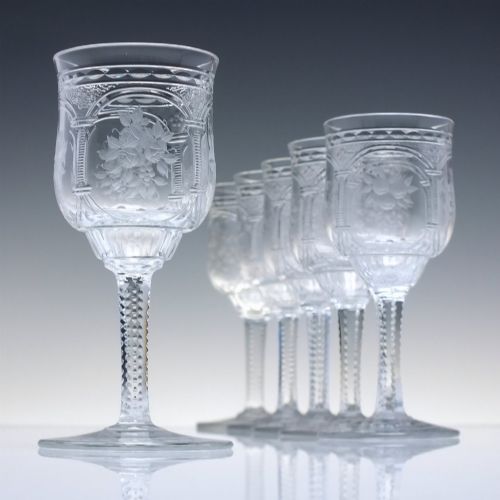
These clear glass dram glasses are small historical vessels designed for drinking spirits, offering collectors tactile links to eighteenth and nineteenth-century drinking customs.
Clear Glass Dram
When you search for clear glass dram, you encounter small drinking vessels and spirit measures produced across the eighteenth, nineteenth, and early twentieth centuries. The selection centres on early drinking glasses alongside silver-mounted whiskey noggins and spirit flasks.
The eighteenth-century examples lean towards engraved dram glasses, firing glasses, and baluster forms from the Georgian period. You also meet later Victorian tumblers and Edwardian decanting vessels alongside twentieth-century silver-topped pieces.
How they were made
Makers utilised lead glass, crystal, and hand-blown glass, shaping the metal while molten to create sturdy drinking vessels and heavy bases. Techniques such as rib moulding, cutting, and engraving decorated the surfaces.
Mounts and lids in sterling silver were added to specific whiskey noggins and spirit flasks, often bearing hallmarks that date the metal components precisely.
Clear Glass Dram Retail Price Guide 2026
Typical asking prices for clear glass dram among the pieces listed under this phrase on Sellingantiques today, from the lower quarter to the upper quarter. They describe what is for sale here now, not the wider market.
Listings feature lead glass, sterling silver, and hand-blown glass across Georgian, Victorian, and Edwardian periods.
What varies in quality
Quality rests in the handling of the metal and the crispness of the cutting or engraving. Early baluster stems and folded feet demonstrate superior weight and balance.
The integration of sterling silver mounts and clear glass bodies shapes the distinction between simple utilitarian items and finer display pieces.
Hukin and Heath
The Clear Glass Dram Glossary
- Baluster stem
- A heavy, thick stem found on early drinking glasses, often featuring nodes or knops reminiscent of architectural supports.
- Folded foot
- A glass base where the rim is turned under to create a thickened, rounded edge for extra strength.
- Firing glass
- A heavy-based drinking glass designed to be banged on a table to create a sharp sound instead of a toast.
- Whiskey noggin
- A small decanter or jug, frequently fitted with a silver mount and handle, used for serving individual measures of spirits.
- Rib moulding
- A decorative technique creating raised vertical ridges on the body of a glass vessel by blowing into a ribbed mould.
Clear Glass Dram: Frequently Asked Questions
What is a dram glass?
A dram glass is a small historical drinking vessel specifically sized for holding a single measure of spirits like whisky or gin. These glasses date primarily from the eighteenth and nineteenth centuries.
Collectors prize them for their compact forms and the variety of cutting, engraving, and stem formations found across different decades.
How were whiskey noggins used?
Whiskey noggins served as personal decanters or small pouring jugs at the dining or smoking table. They often sat alongside a water jug and a small glass for mixing spirits to taste.
Many examples feature sterling silver collars, hinged lids, and sometimes a matching silver-mounted label indicating the contents.
How do I date an old glass?
Dating relies on observing manufacturing characteristics such as pontil marks, glass chemistry, stem formation, and decorative styles. Eighteenth-century pieces frequently display heavier lead metal and folded feet.
Silver mounts on noggins and flasks provide a reliable guide through official hallmarks stamped into the metal by assay offices.
Can I use antique glassware?
These historical vessels are delicate and benefit from careful handling rather than heavy daily use. Hand washing in lukewarm water preserves the fragile glass and any associated silver components.
Displaying them in cabinets or on open shelving allows you to appreciate the optical properties of the old metal safely.