



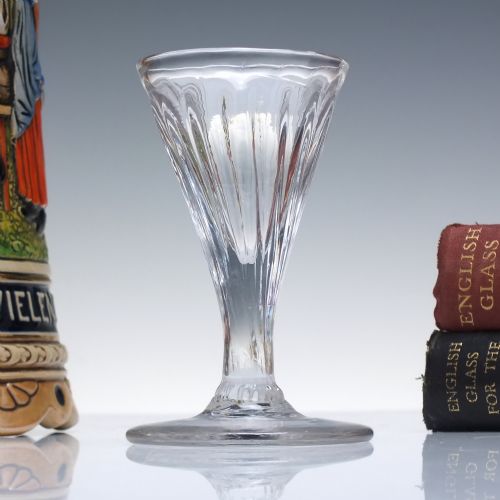

Clear Glass Dram Glasses
Clear glass dram glasses are small vessels designed for strong spirits, offering collectors a tactile link to Georgian and later drinking customs.
Clear Glass Dram Glasses
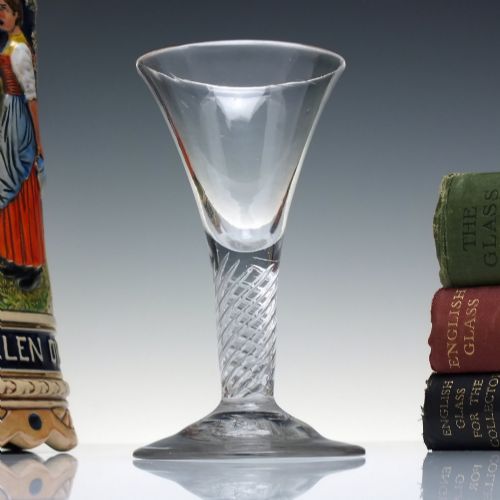
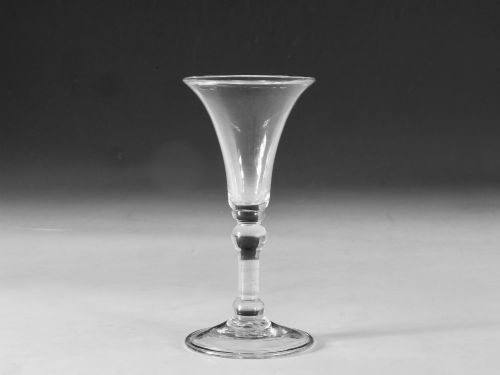
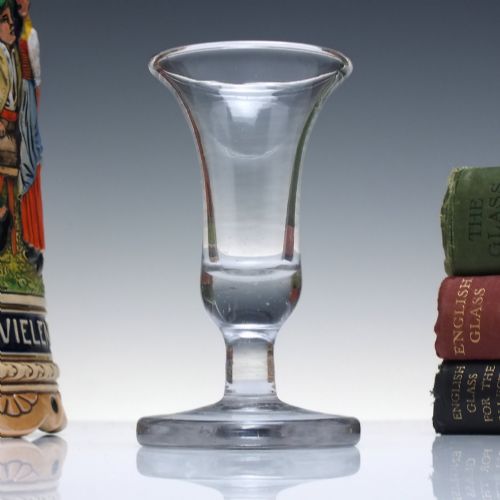
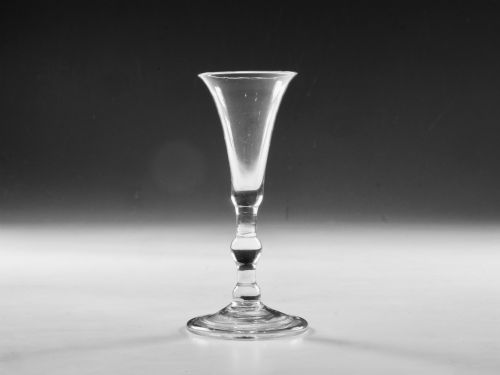
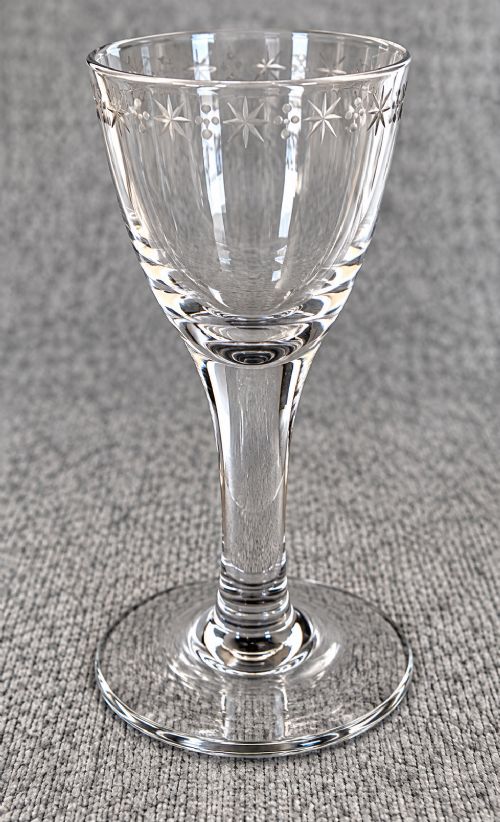
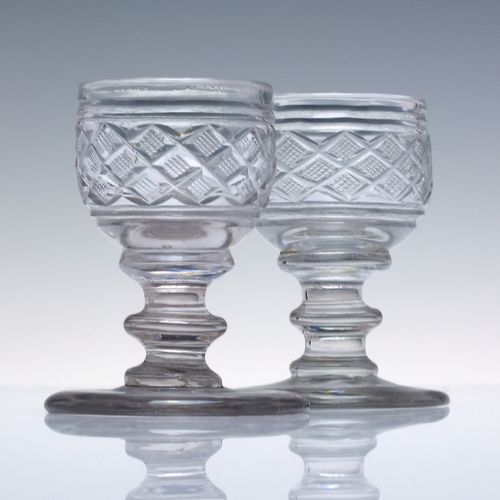
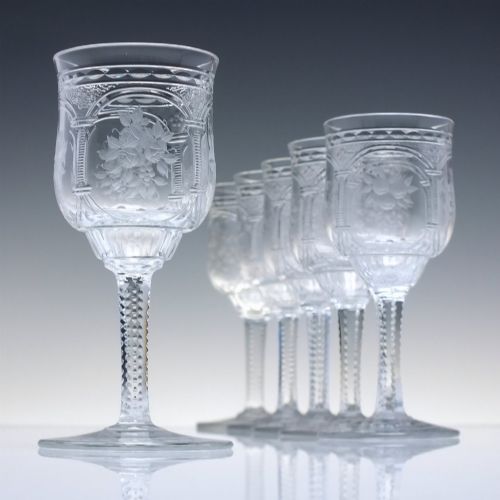
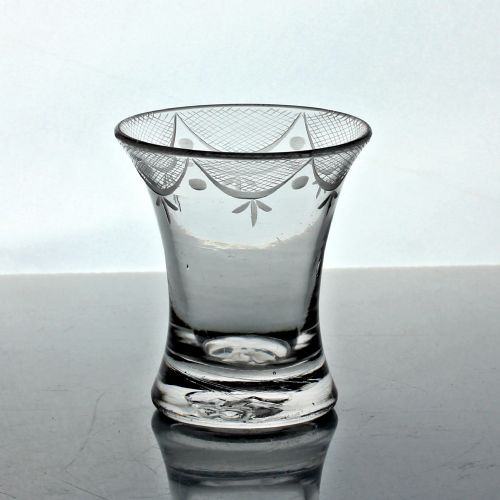
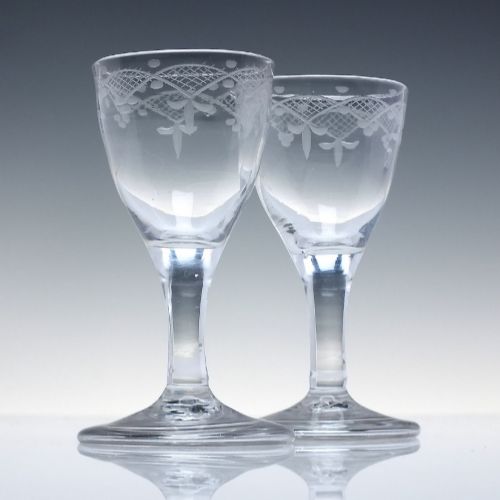
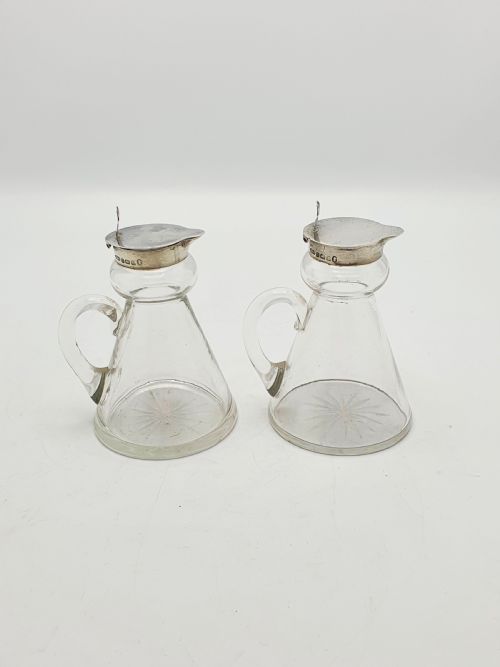
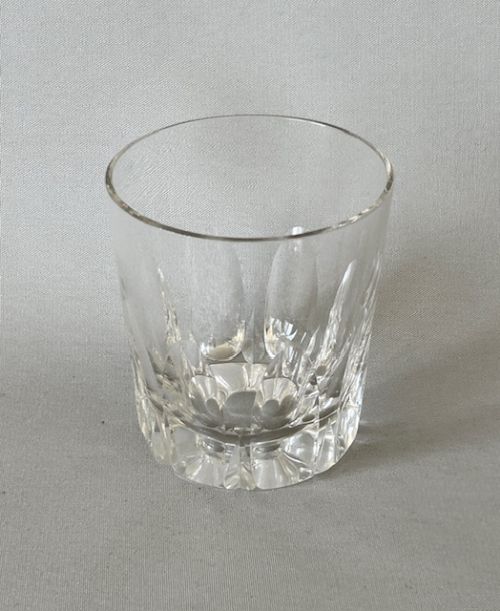
Clear glass dram glasses encompass historical drinking vessels primarily originating from the Georgian period through to the early twentieth century. When searching for clear glass dram glasses, buyers most frequently encounter eighteenth-century examples featuring heavy baluster stems, rib moulding, or air twist formations. These small drinkware pieces also appear in Victorian, Edwardian, Art Nouveau, and Art Deco iterations alongside sterling silver mounted whiskey noggins.
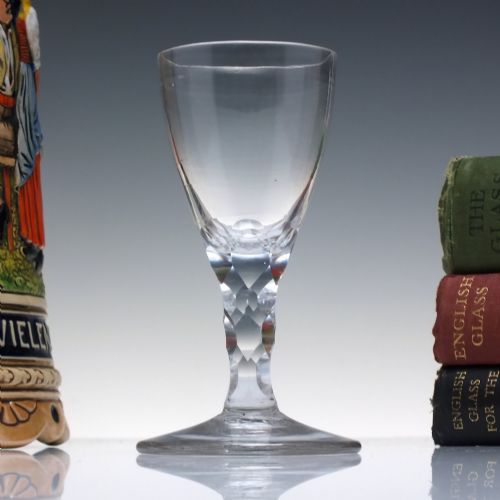
The selection ranges from simple folded foot cordial glasses and facet cut dram glasses to engraved firing glasses and pedestal stem gin glasses. Makers and studios such as Baccarat, Hukin and Heath, and period English glasshouses contribute to the diverse array of forms available. Each piece reflects the specific social habits of its era, from tavern toasts to private parlour drams.
Assessing Quality
Quality rests in the proportional harmony of the bowl, stem, and foot, alongside the purity and tactile weight of the lead glass or crystal. Superior pieces exhibit crisp facet cutting, precise air twist threads, or clean rib moulding without excessive distortion. The fineness of contemporary hand engraving or etching also separates standard tavern wares from finer parlour examples.
Condition and originality dictate desirability, particularly the presence of untouched folded feet and undamaged silver mounts on noggins. Maker attribution, such as signed Baccarat production or marked sterling silver hardware, elevates certain items above unmarked vernacular pieces. The optical brilliance of the clear metal remains a primary indicator of superior material composition.
Clear Glass Dram Glasses Retail Price Guide 2026
Typical asking prices for clear glass dram glasses among the pieces listed under this phrase on Sellingantiques today, from the lower quarter to the upper quarter. They describe what is for sale here now, not the wider market.
Early drinkers slammed heavy-based firing glasses onto tavern tables so hard they sounded like musket fire.
Baccarat·Hukin and Heath
The Clear Glass Dram Glasses Glossary
- Air twist
- A stem formation containing internal spiralling channels of air created during the glass-making process. This decorative technique appears frequently in Georgian drinking vessels.
- Firing glass
- A heavy-footed glass designed to be banged on a table rather than set down gently during toasts. These pieces possess thick bases to withstand the impact.
- Whiskey noggin
- A small spirit decanter or jug, often fitted with a sterling silver collar and handle. They were commonly used for serving individual measures of whiskey.
- Folded foot
- A glass base where the outer rim is doubled under to create a thickened, rounded edge. This method adds weight and strength to the foot of the vessel.
- Baluster
- A thick, turned stem shape resembling architectural pillars found on early eighteenth-century glassware. It provides substantial heft to small dram glasses.
Clear Glass Dram Glasses: Frequently Asked Questions
What is a dram glass?
A dram glass is a small historical drinking vessel specifically sized for a single measure of strong spirits like whisky or gin.
These pieces date largely from the eighteenth and nineteenth centuries, reflecting historical drinking scales that preceded modern standard measures.
How were whiskey noggins used?
Whiskey noggins served as individual decanters for holding and pouring small quantities of liquor at the table or fireside.
Often fitted with silver mounts and handles, they allowed a host to serve spirits without passing a large decanter.
What makes a firing glass different?
Firing glasses feature unusually thick and heavy bases designed to withstand being thumped onto wooden tables during toasts.
This robust construction prevented breakage when groups slammed the glasses down in unison after drinking a toast.
How do you date old glass?
Dating relies on observing manufacturing traits such as pontil marks, metal composition, stem formations, and cutting styles.
Georgian pieces often show distinct baluster or air twist stem designs, while later Victorian items display heavier geometric cutting.