


Clear Glass Cloche
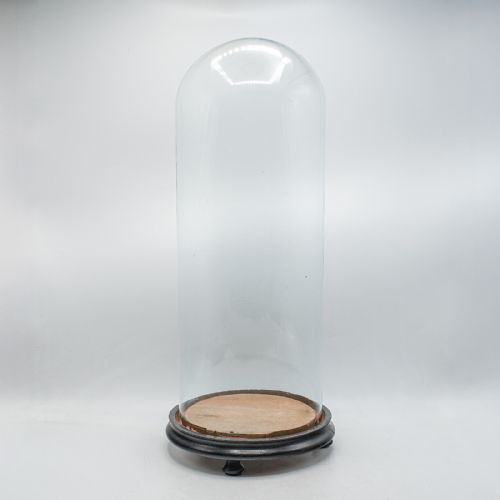
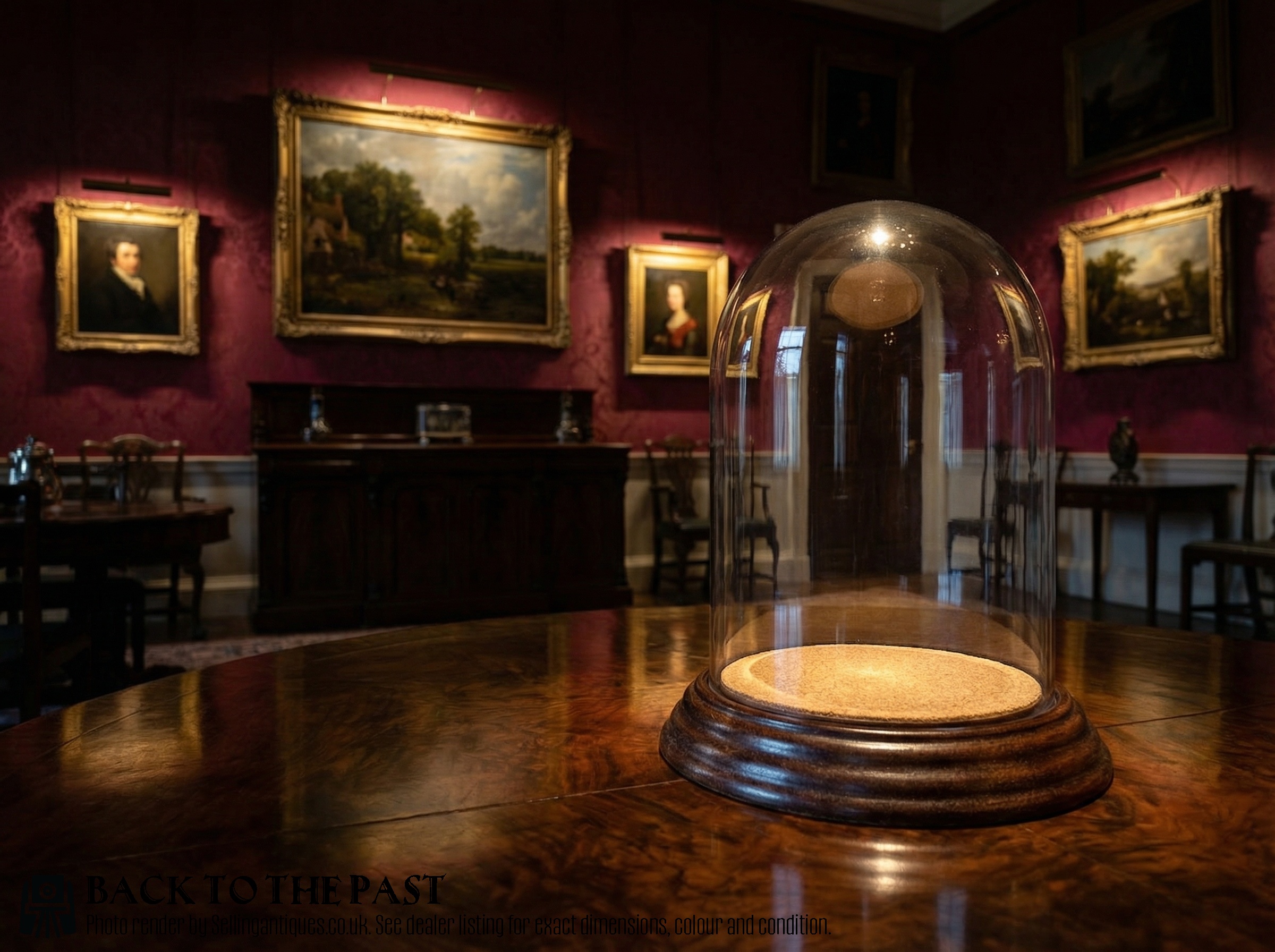
These clear glass cloche options are protective display domes and covers that shelter delicate curiosities, giving mantelpieces and cabinets a clean focal point.
Understanding clear glass cloche pieces
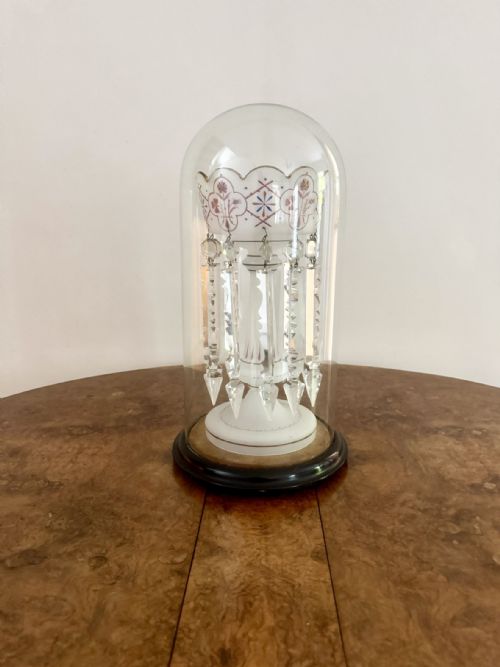
A clear glass cloche is primarily represented here by display domes, glass domes and cloches, display domes and cloches, mantel lustres, and taxidermy domes. These pieces originate from the Victorian and Edwardian periods, including specific dates such as 1880, 1900, and the wider nineteenth century.
The objects served to protect fragile interior items while keeping them visible for observation in domestic spaces. The selection on this page focuses heavily on taxidermy displays alongside traditional glass covers.
Materials and construction methods
The primary material is glass, formed into large curved domes that sit atop solid bases. These transparent covers provide an uninterrupted view of the enclosed objects.
Bases are constructed from wood, ebonised wood, and oak, often providing a sturdy foundation for the glass canopy. Some incorporate marquetry and fabric elements like velvet to enhance the presentation of the displayed contents.
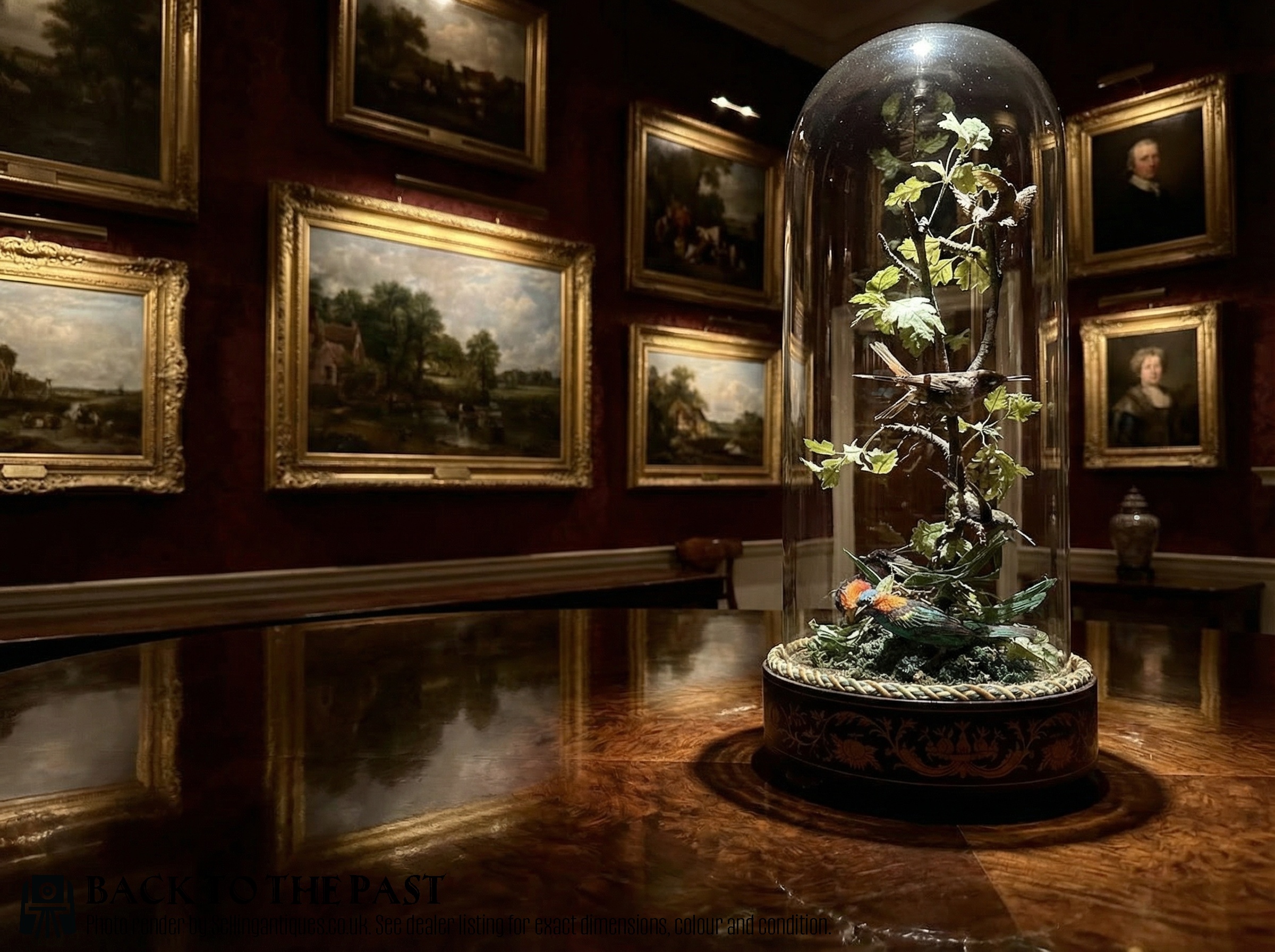
Internal arrangements frequently include feathers and taxidermy subjects such as birds, secured within the wooden and glass enclosures.
Retail Price Guide 2026
Typical UK retail prices for clear glass cloche, calculated from the Sellingantiques database of over a million retail prices indexed since 2003. This retail price guide relies exclusively on Sellingantiques data; no external sources or auction records are used, so the figures do not describe the wider market.
Several domes proudly house compositions of taxidermy birds, keeping feathered friends safely behind glass for over a century.
Distinguishing quality across the range
Quality separates simple glass covers from elaborate display cases through the complexity of the wooden base and the clarity of the blown glass. Finer examples integrate materials like ebonised wood, marquetry, or velvet linings.
The Clear Glass Cloche Glossary
- Cloche
- A bell-shaped glass cover used to protect and display delicate objects or plants. The term derives from the French word for bell.
- Taxidermy dome
- A glass cover paired with a base specifically designed to house preserved animals or birds. These showcases kept dust away from delicate feathers and specimens.
- Mantel lustre
- A decorative glass ornament, often featuring hanging prisms, placed upon a fireplace mantel. They appear alongside domes in period displays.
- Ebonised wood
- Timber treated to resemble dark ebony wood. This finish was common on the bases of Victorian and Edwardian display pieces.
- Marquetry
- The art of applying pieces of veneer to a structure to form decorative patterns. This technique appears on the wooden bases of select display cases.
Frequently Asked Questions
What is a clear glass cloche used for?
These glass covers protect delicate items from dust and damage while keeping them fully visible. They were historically utilised for taxidermy birds, dioramas, and decorative ornaments.
Today, buyers use them in domestic interiors to display curiosities, preserved botanicals, and small sculptures on tables or mantelpieces.
How do I date a Victorian glass dome?
Dating relies on the materials of the base, the construction of the glass, and the style of the enclosed display. Victorian pieces often feature ebonised wood or oak bases with hand-blown glass.
Closer inspection of any internal taxidermy or fabric lining, such as velvet, helps narrow the production period between the nineteenth century and the Edwardian era.
How do I care for antique glass domes?
Maintenance requires gentle cleaning of the glass surface with a soft cloth to remove dust. Harsh chemical cleaners should be avoided to protect the aged glass and surrounding materials.
The wooden bases and any internal elements like feathers or taxidermy benefit from stable indoor environments away from direct sunlight and excessive moisture.