
Clear Cut Glass Bottle
A clear cut glass bottle combines heavy brilliance with practical function, offering a tactile piece of historic glasswork for daily display or use.
Clear Cut Glass Bottle
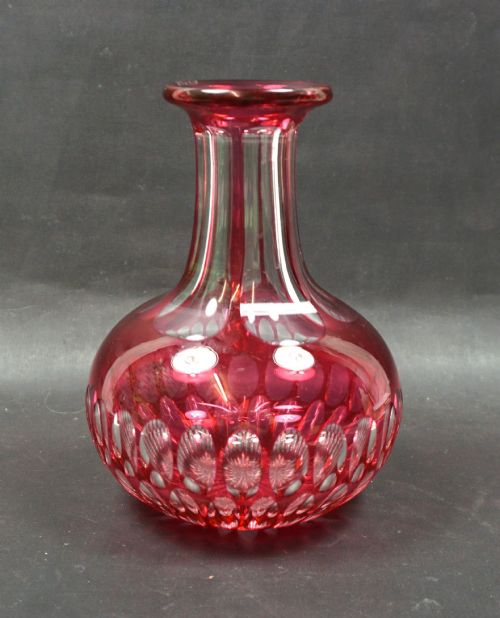
A clear cut glass bottle search uncovers a diverse array of utilitarian vessels designed for spirits, scents and table service. These pieces span centuries of production, appearing primarily as decanters, carafes, perfume bottles and cruet sets.
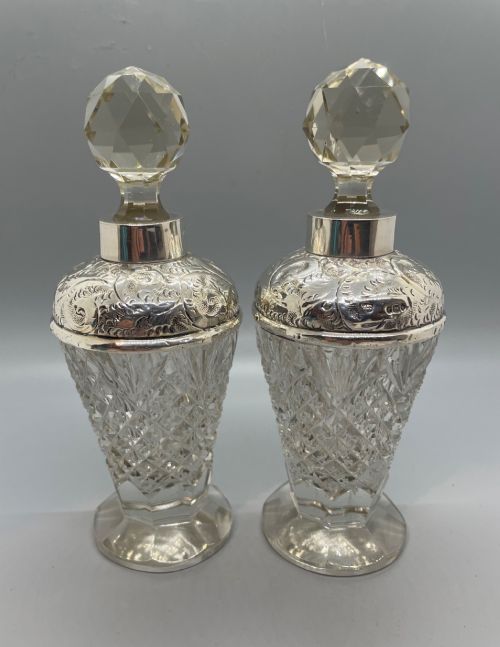
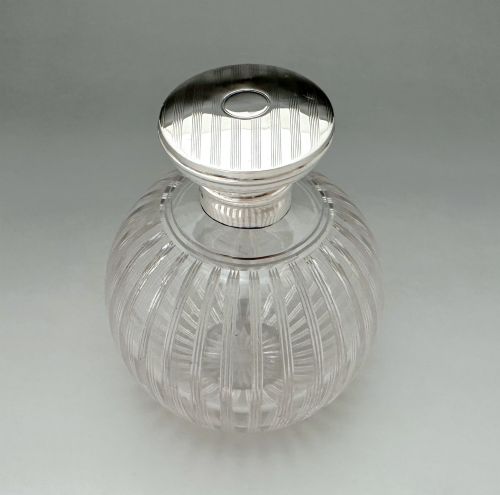
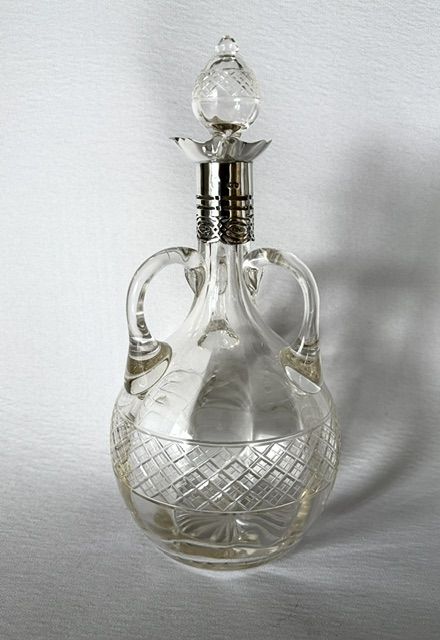
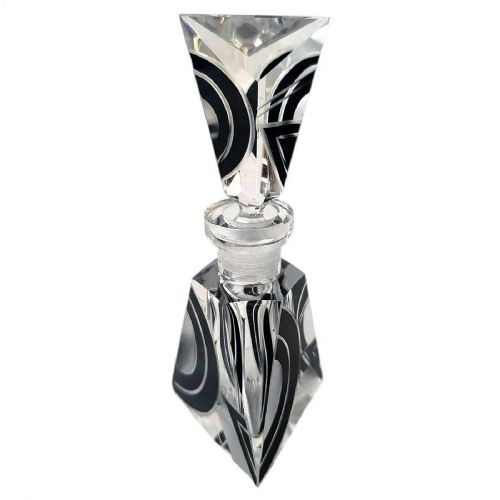
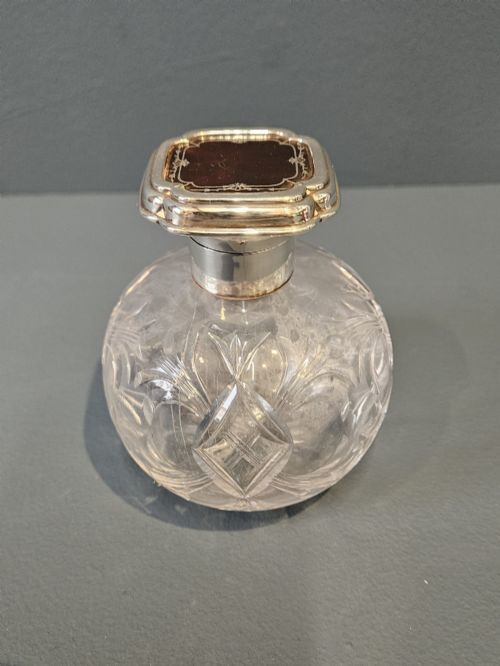
The specimens met on this page range from compact pocket scent bottles with silver mounts to substantial wine decanters and spirit vessels. Origins extend across English, Czech and French workshops, encompassing periods from the Georgian era through the Edwardian years and into Art Deco designs.
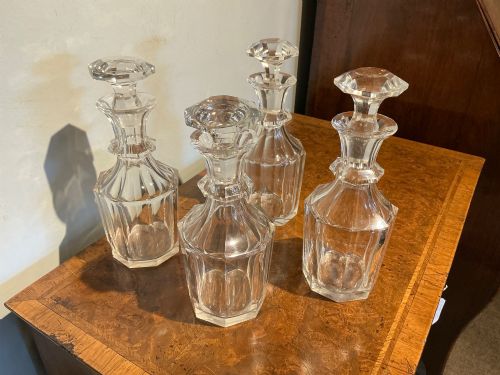
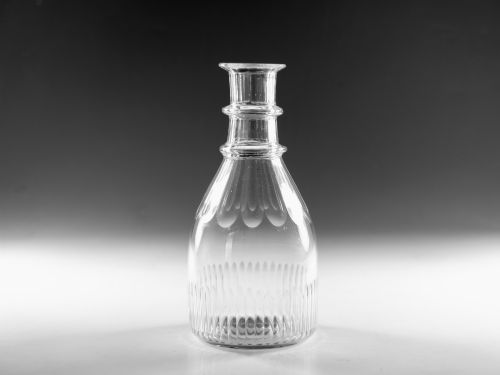
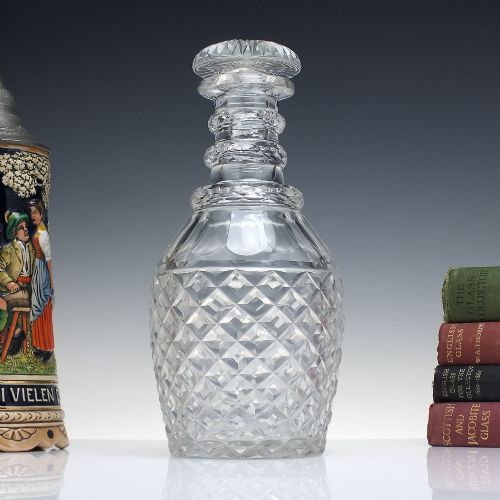
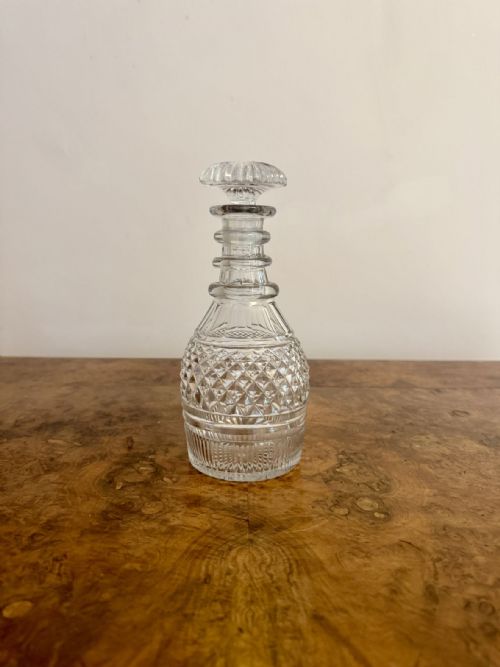
Buyers encounter distinct utilitarian forms, such as bell shaped decanters, whisky noggins and apothecary jars. Each object reflects the prevailing social habits of its period, whether for dining room service or dressing table display.
Materials and cutting techniques
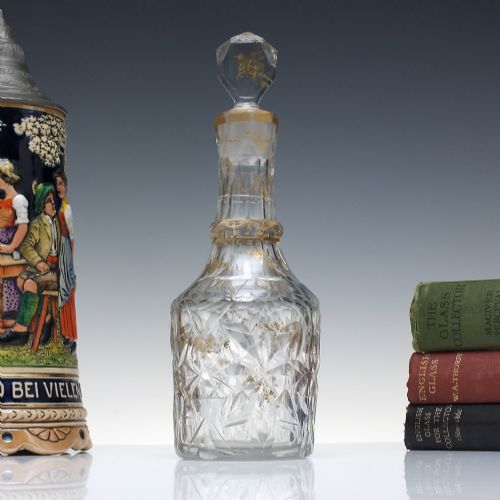
The creation of these vessels relies upon heavy lead crystal and standard glass bodies shaped by blowing or moulding. Artisans then applied deep wheel cutting to form geometric facets, flutes and star patterns across the surface.
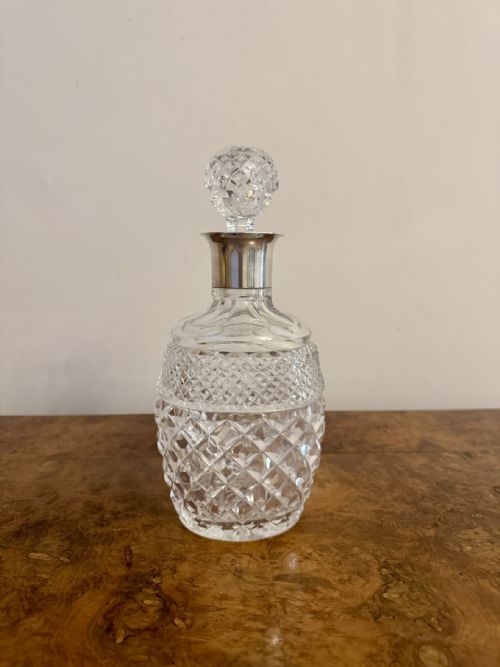
Many examples incorporate metal elements, combining the glass body with sterling silver collars, silver plate, or tortoise shell and enamel tops. These mounts require precise smithing to fit the contours of the glass necks securely.
Distinctions in craftsmanship and materials
Quality rests upon the weight and clarity of the metal, alongside the crispness and depth of the wheel cutting. Superior examples exhibit sharp facet junctions and heavy lead crystal that refracts light cleanly without cloudiness.
The integration of precious mounts further elevates a piece, where hallmarked sterling silver collars or enamel lids fit the glass neck with exactitude. Pieces associated with named ateliers or specific makers display superior finishing in both the glass body and the metal hardware.
Atelier of James Giles·Karl Palda·Walker & Hall
The Clear Cut Glass Bottle Glossary
- Lead crystal
- A high quality glass containing lead oxide, which increases weight, brilliance and softness for easier cutting. This material accounts for the heavy feel and prismatic light refraction seen in better decanters.
- Decanter
- A vessel used for holding and serving wine or spirits, typically fitted with a matching stopper. These range from tall tapered carafes to heavy bell shaped spirit bottles.
- Scent bottle
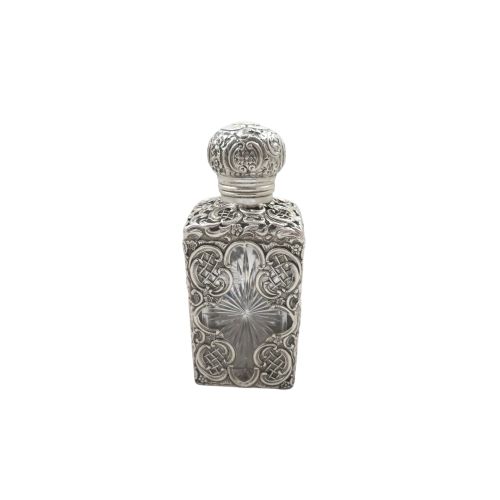
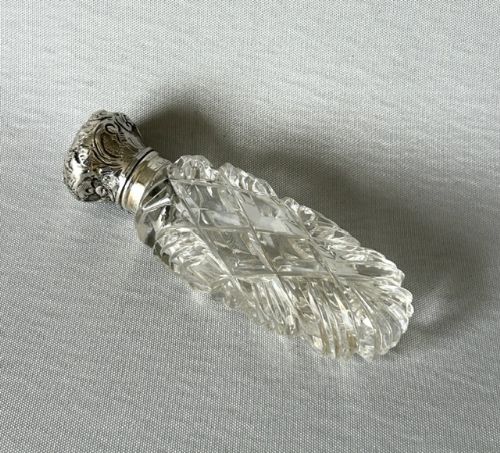
- A small container designed for perfumes or smelling salts, frequently fitted with a hinged silver or tortoiseshell cap. Pocket versions often feature tapered bodies with spiral or geometric facet cutting.
- Cruet set
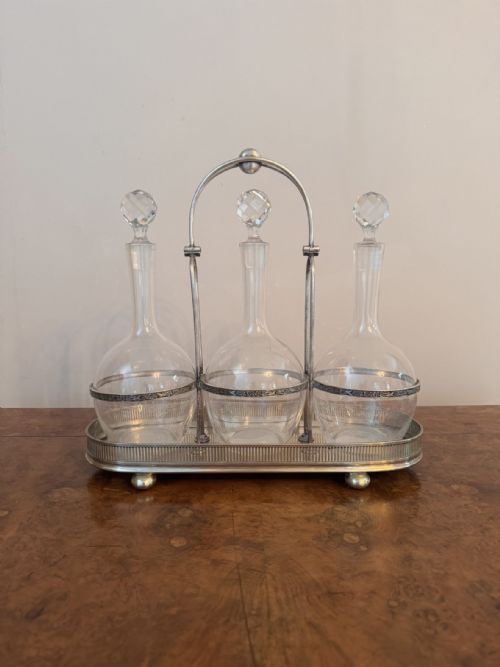
- A collection of small bottles or jars held in a stand for condiments, vinegar and oil. These sets combine cut glass containers with silver plated or silver frames.
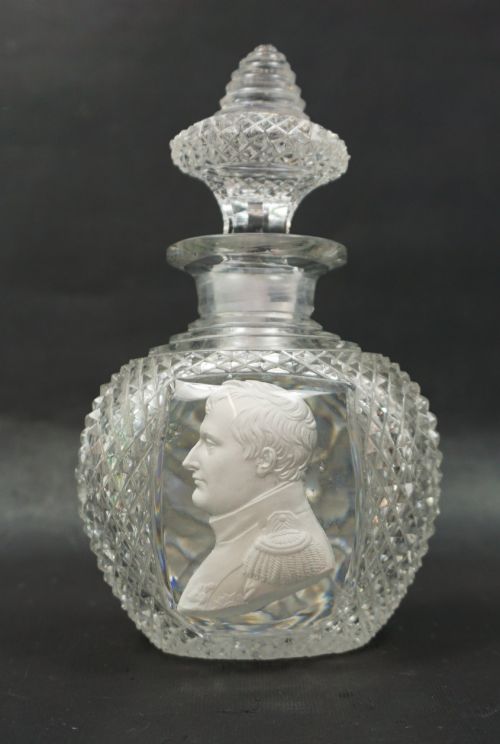
- Sulphide
- A small ceramic cameo embedded within the clear glass body during manufacture, producing a detailed portrait. These medallions appear in profile, often depicting historical figures like Napoleon.
Clear Cut Glass Bottle: Frequently Asked Questions
How do I clean an old decanter?
Fill the vessel with warm water and mild detergent, avoiding harsh abrasives that might scratch the interior or damage silver mounts.
For stubborn residue, use non-scratch cleaning beads with water and swirl gently before rinsing thoroughly and air drying upside down.
Are these bottles safe for holding drinks?
Most glass decanters and carafes from the Georgian, Victorian and Edwardian periods are suitable for serving wine and spirits. Inspect the interior for persistent staining or cloudiness before use.
Historic lead crystal vessels should not be used to store liquids for extended periods, but serving drinks during a meal is generally acceptable.
How do I date a silver mounted scent bottle?
Examine the metal collar for silver hallmarks, which indicate the exact year of assay and the workshop responsible for the mount. Stylistic clues in the glass cutting, such as Georgian geometric facets or Art Deco symmetry, also help confirm the period.
What is the difference between a decanter and a carafe?
A decanter typically includes a fitted glass stopper designed to seal the contents for storage and service of spirits or aged wine. A carafe generally lacks a stopper and serves immediate table use for water or young wine.
Both forms utilise heavy clear glass or crystal bodies, though carafes frequently appear with matching tumblers.