
Clear Crystal Drinking Glasses
Clear crystal drinking glasses bring historic British and French glassware into daily use, offering tactile weight and historic form to any table.
Clear Crystal Drinking Glasses
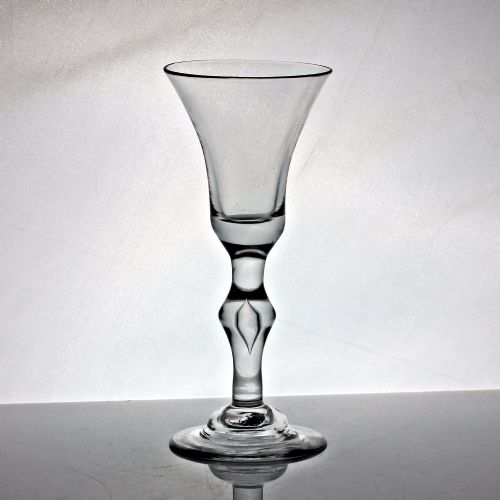
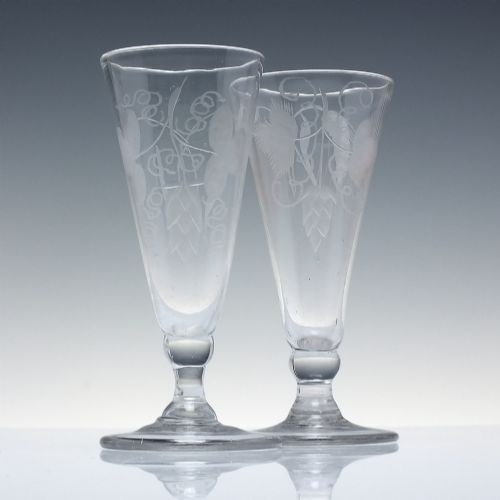
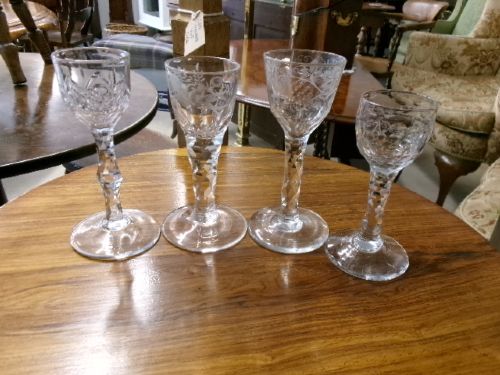
Clear crystal drinking glasses encompass forms ranging from eighteenth-century baluster wine glasses and air twists to nineteenth-century rummers and twentieth-century flutes. Buyers searching for clear crystal drinking glasses encounter stemware, tumblers, jelly glasses, and ale glasses spanning the Georgian, Victorian, Regency, and Art Deco periods.
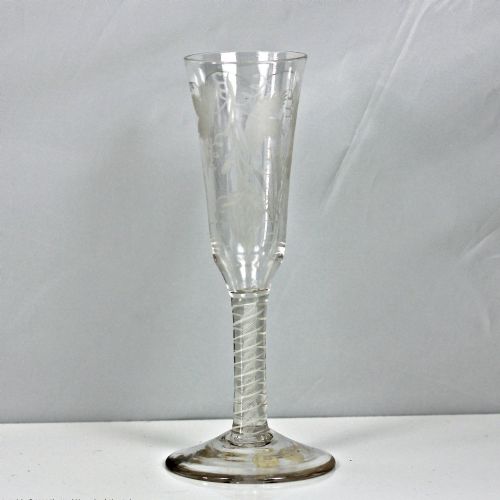
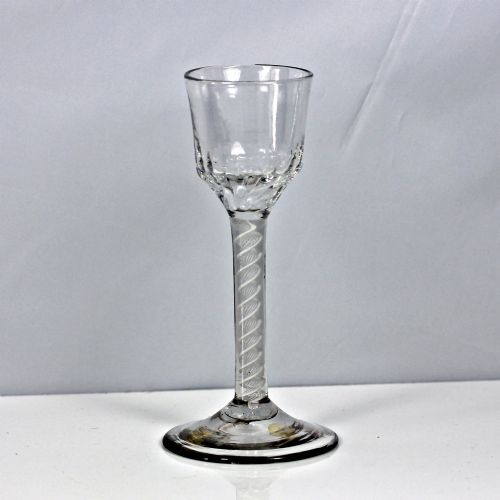
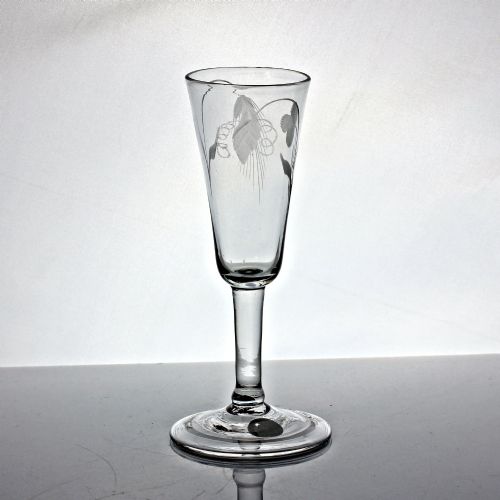
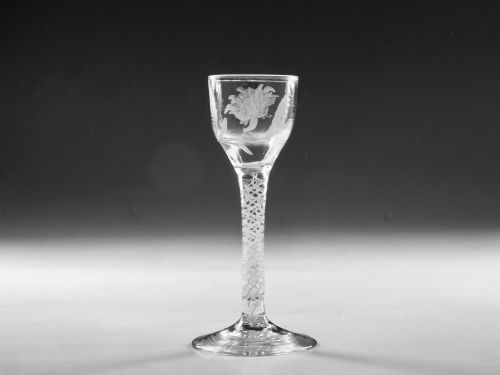
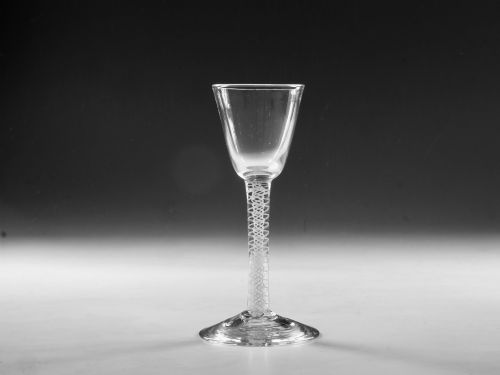
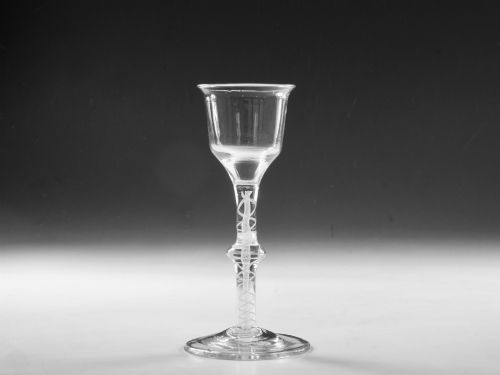
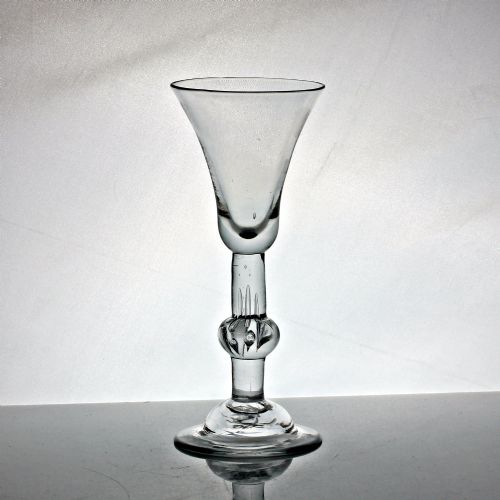
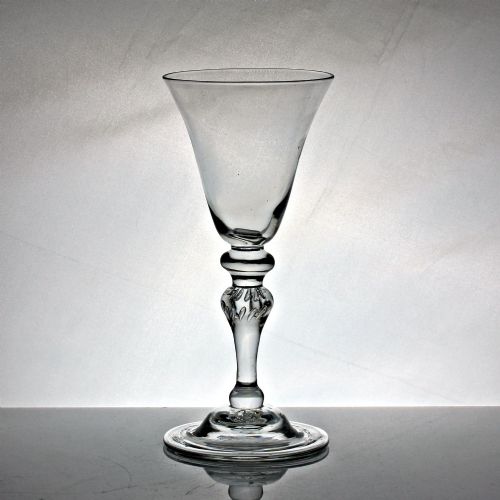
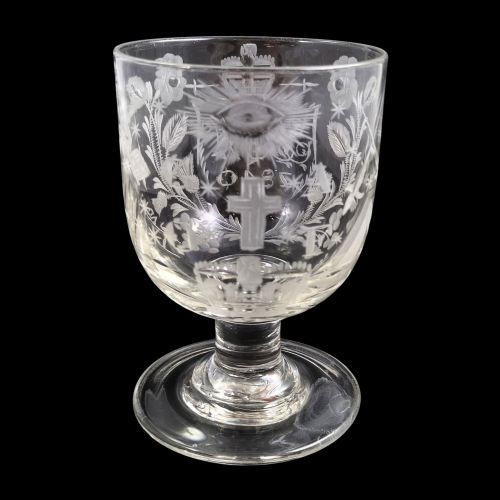
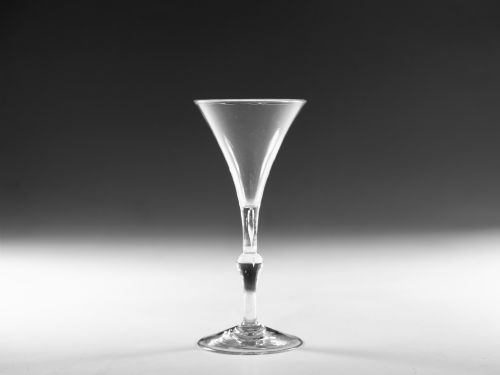
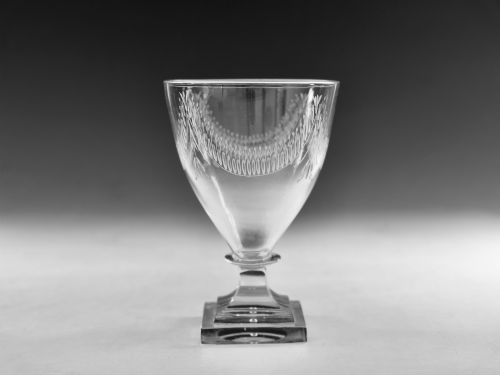
The eighteenth-century examples lean towards wine and ale glasses featuring opaque twists, air twists, and plain stems with ogee or trumpet bowls. Nineteenth-century pieces bring larger rummers, Masonic engraved rummers, and whisky tumblers, alongside twentieth-century French suites and tall wine flutes.
English and French origins dominate the selections, with eighteenth-century pieces often showing regional variations such as North-East English rummers. Sets of six or eight tumblers and wine glasses appear alongside single baluster dram glasses and heavy pair groupings.
Quality and Distinction
The distinction between ordinary and exceptional clear crystal drinking glasses rests on the purity of the metal and the precision of the optic effects. Hand-drawn air twists and opaque twists require immense skill to maintain uniform spirals without distortion in the glass.
Depth and clarity of wheel engraving separate standard decorative pieces from those with master-carved armorials, Jacobite emblems, or intricate Masonic motifs. The stability of the foot, the thinness of the rim, and the absence of heavy clouding in the bowl determine the overall command of the piece.
Materials span lead crystal, flint glass, and white enamel, reflecting centuries of changing British and French glasshouse formulas.
The Clear Crystal Drinking Glasses Glossary
- Air twist
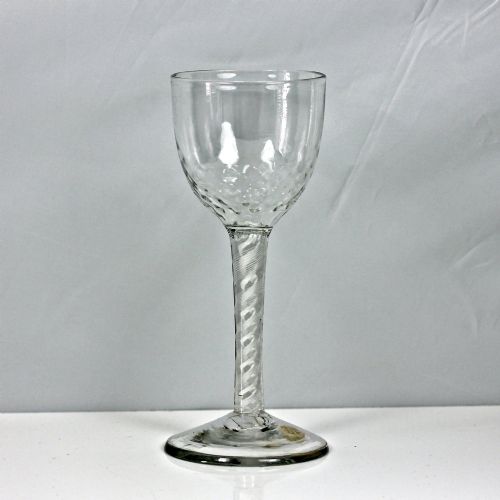
- A stem formation containing internal thread-like spirals of entrapped air created during manufacture. These delicate channels catch the light inside the glass stem.
- Opaque twist
- A stem enclosing white or coloured enamel rods twisted into opaque spiral threads. This technique gained popularity in mid-eighteenth-century English drinking vessels.
- Rummer
- A large, sturdy glass used for ale, wine, or punch during the Georgian and Victorian eras. They typically sit upon a short stem with a wide foot base.
- Ogee
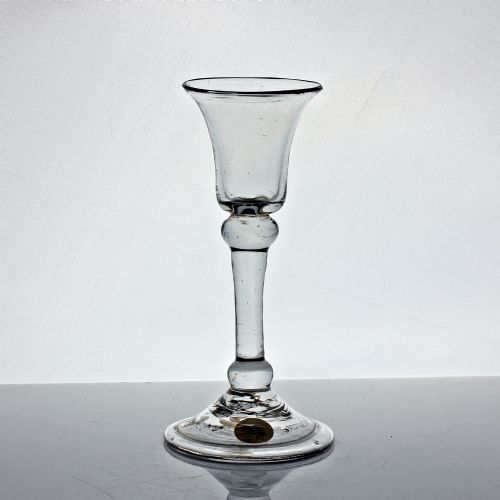
- A bell-shaped bowl with an 'S' curve profile curving outward at the rim. This form helps concentrate aromas in wine glasses and ale glasses.
- Baluster stem
- A heavy, swelling stem shape reminiscent of architectural balusters found on early eighteenth-century drinking glasses. They often feature knops and collar rings.
Clear Crystal Drinking Glasses: Frequently Asked Questions
Can I use these glasses daily?
Many buyers incorporate eighteenth and nineteenth-century pieces into modern dining, enjoying the physical weight and history of lead glass. Sturdier forms like rummers and heavy tumblers handle regular use well.
Delicate air twist stemware requires greater care due to slender stems, making them better suited for special occasions or careful handling.
What is an air twist stem?
An air twist is a decorative stem containing tiny elongated air bubbles pulled into spiral threads during glassblowing. Makers manipulate the hot metal to form single or multi-spiral channels.
This technique creates a shimmering optical effect inside clear flint glass without adding coloured pigments.
How are periods identified?
Periods are determined by combining bowl shapes, stem construction, pontil marks on the base, and engraving styles. Eighteenth-century pieces often feature folded feet and baluster stems, while Victorian items show heavier cut facets.
Comparing known museum examples and documented manufacturing shifts helps narrow down production decades.