

Claw Set Diamond
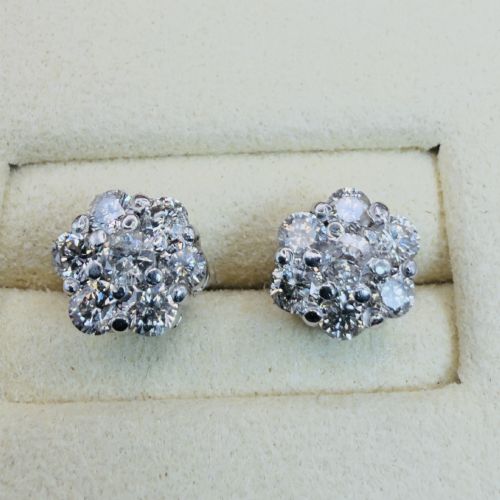
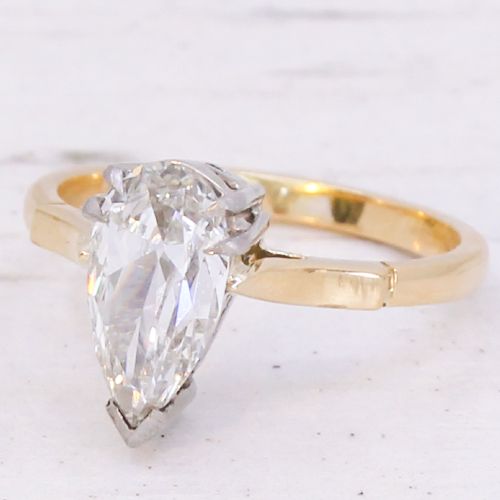
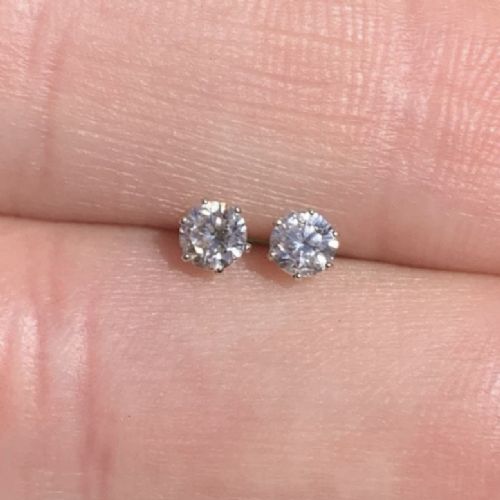
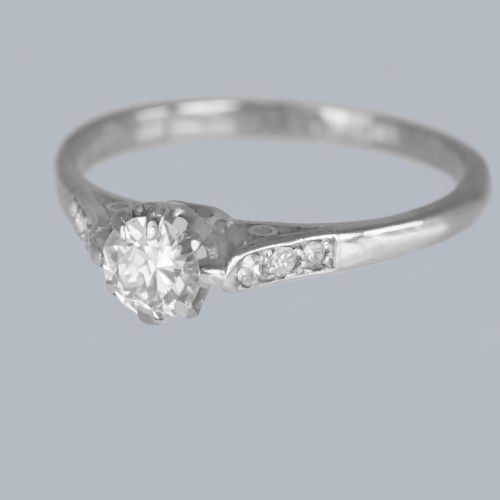
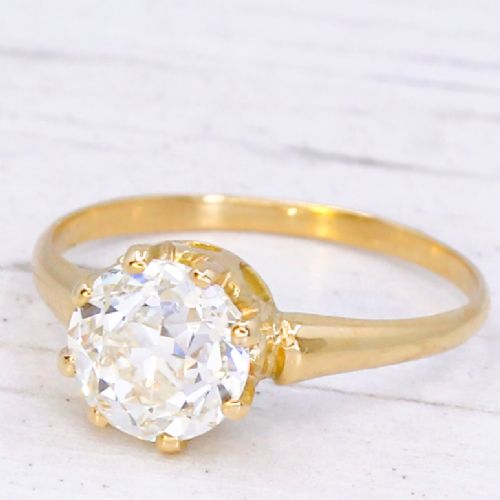
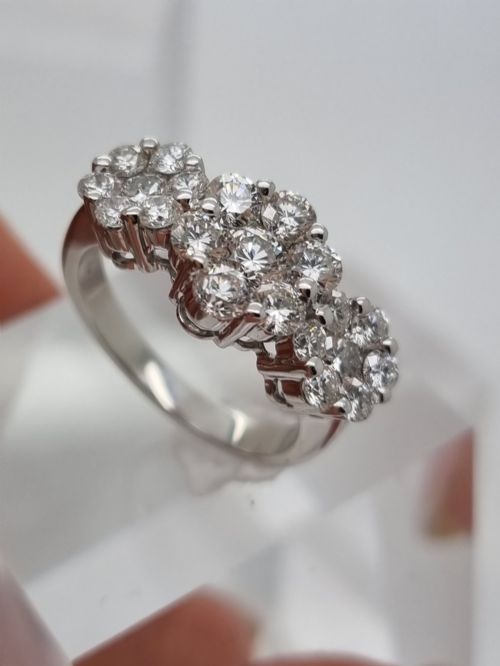
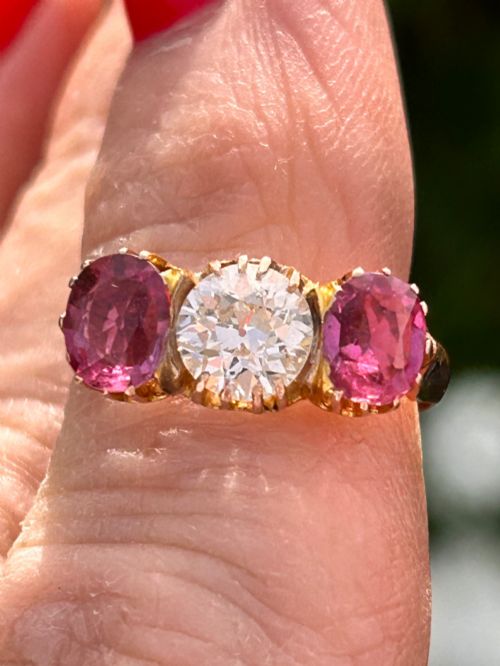
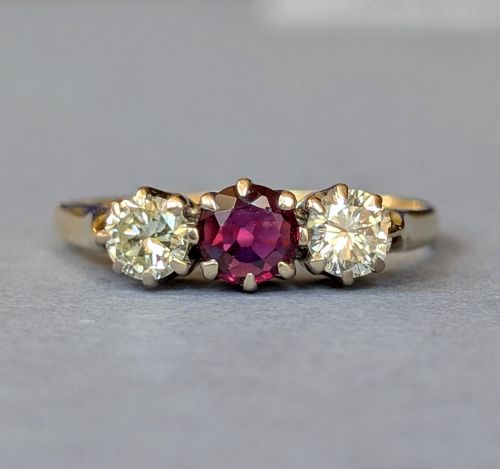
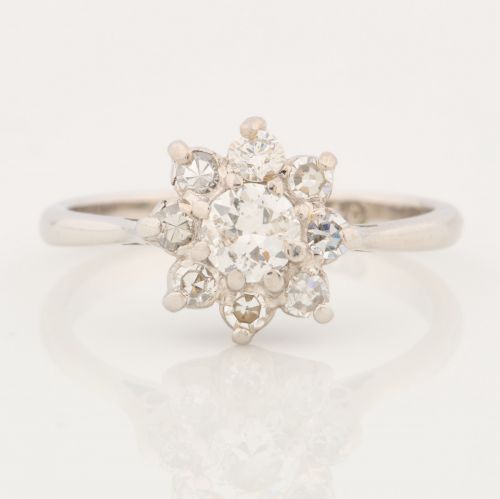
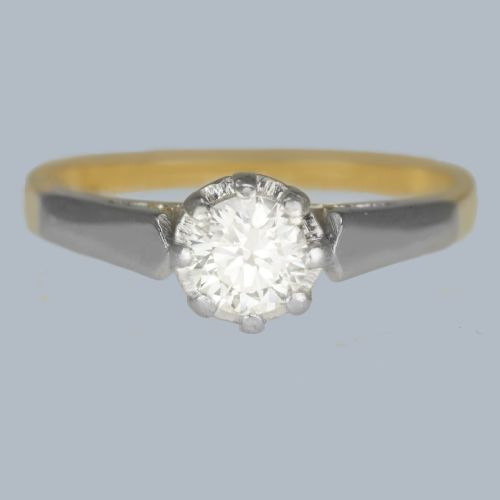
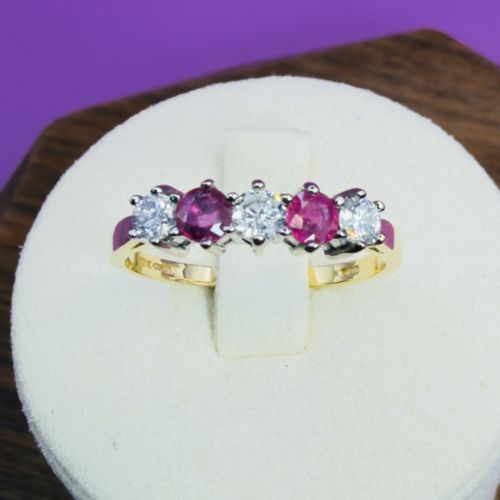
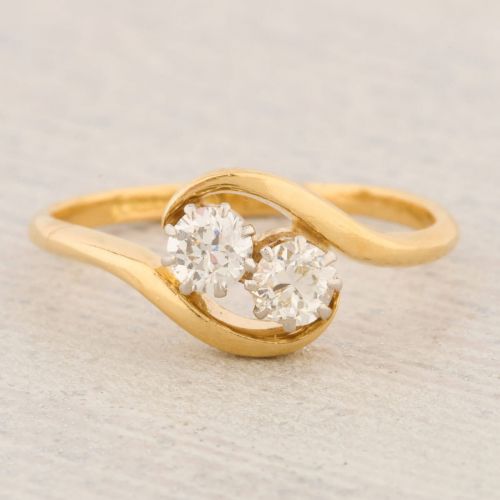
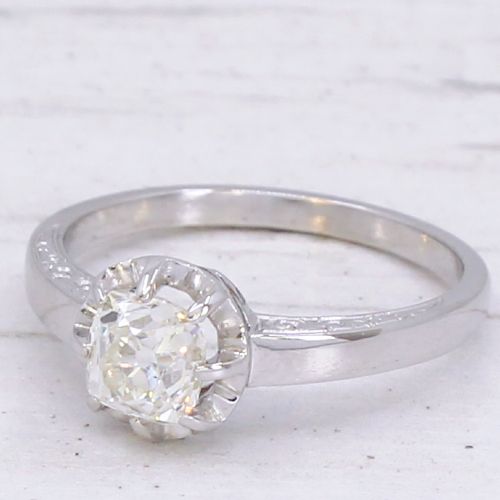
Claw set diamond pieces place the stone securely within metal prongs, allowing maximum light to enter and catch the eye.
Claw Set Diamond
Claw set diamond pieces encompass rings, earrings, pendants, and brooches spanning from the Victorian and Edwardian eras through the 1920s Art Deco period and into the mid-century. Solitaires, trilogies, clusters, and multi-stone bands form the principal selections across these eras.
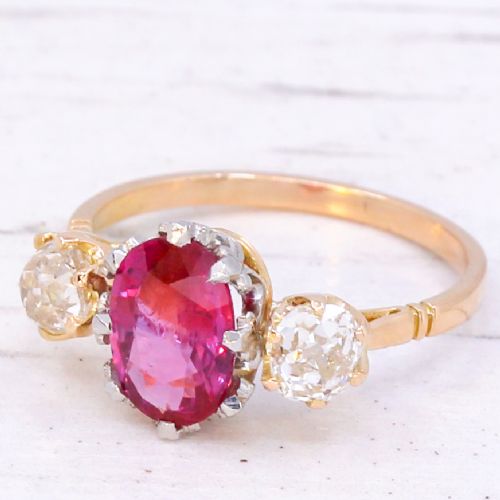
Engagement rings and cluster rings dominate the offerings, frequently paired with precious metals such as platinum or various carats of gold. Sapphires and rubies often accompany the diamonds in multi-stone and cluster configurations.
How They Were Made
Goldsmiths shape platinum and 18ct or 9ct gold into bands, settings, and mountings designed to hold stones securely. Prongs are shaped around the diamond to grip the girdle firmly while exposing the pavilion to light.
Cut techniques evolve across the periods represented, moving from older European cuts and old pear cuts to transitional and modern brilliant cuts. Gemstones are selected to fit specific mountings, whether in solitaire rings or complex multi-stone clusters.
Listings feature platinum and gold alongside diamonds, rubies, sapphires, and emeralds across multiple twentieth-century decades.
What Varies in Quality
The precision and delicacy of the claw setting dictate the visual lightness of the piece, separating standard production from finer workmanship. Metal choice plays a role, with platinum offering strength for slender prongs alongside yellow, white, and traditional gold.
Stone selection distinguishes individual pieces, from matched old cut diamond suites to integrated ruby, emerald, or sapphire accents. The overall proportion between the central diamond and its surrounding shoulder stones or cluster elements shapes the character of each item.
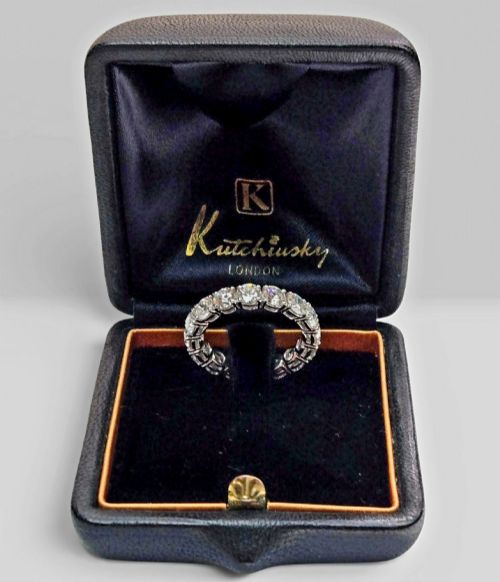
Kutchinsky
The Claw Set Diamond Glossary
- Claw setting
- A method of securing a gemstone using metal prongs or claws that grip the girdle. This technique maximises light entry through the diamond.
- Old European cut
- An early round diamond cut characterised by a small table, high crown, and large culet. It is commonly found in pieces from the Victorian and Edwardian periods.
- Trilogy
- A ring featuring three principal stones, often representing the past, present, and future. These frequently combine diamonds with rubies or sapphires.
- Toi et Moi
- A two-stone ring style translating to you and me, featuring side-by-side or crossover gems. This design often pairs a diamond with another precious stone.
- Cluster ring
- A central gemstone surrounded by a border of smaller stones. This arrangement creates a larger visual presence on the hand.
Claw Set Diamond: Frequently Asked Questions
What is a claw set diamond ring?
A claw set diamond ring uses metal prongs to hold the stone in place above the band. This design lifts the diamond to let light pass through the facets from multiple angles.
Such mountings appear across historical periods, from Victorian and Edwardian designs to Art Deco and mid-century styles.
How do I identify an old cut diamond?
Old cut diamonds feature hand-cut facets with smaller tables and deeper pavilions than modern stones. Under magnification, they display distinct facet patterns shaped by hand rather than machinery.
These cuts appear frequently in antique and vintage settings dating from the early twentieth century and earlier.
How should I care for a claw set ring?
Claw set jewellery benefits from regular checks to ensure the metal prongs remain tight against the stone. Gentle cleaning with warm water and a soft brush removes everyday debris from beneath the setting.
Avoiding impact during physical tasks helps preserve the integrity of the prongs over time.