
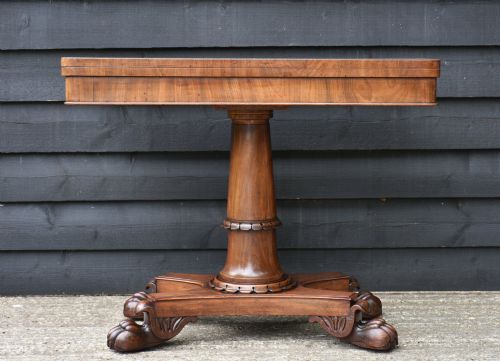
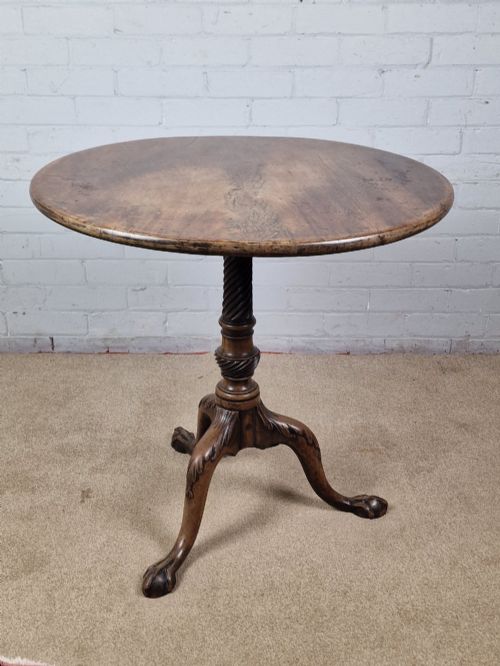

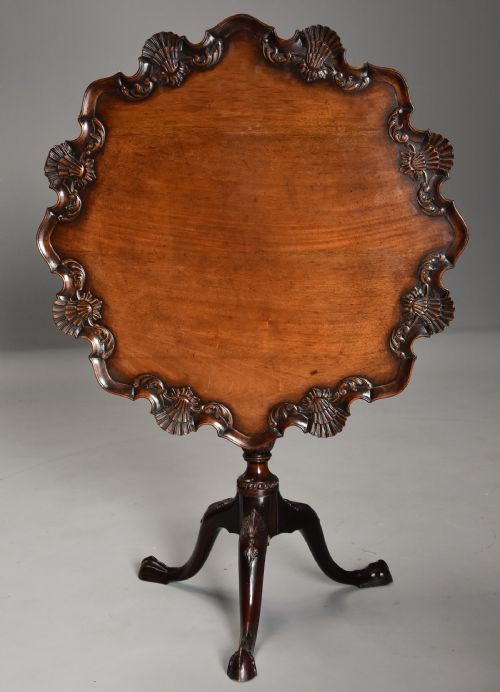
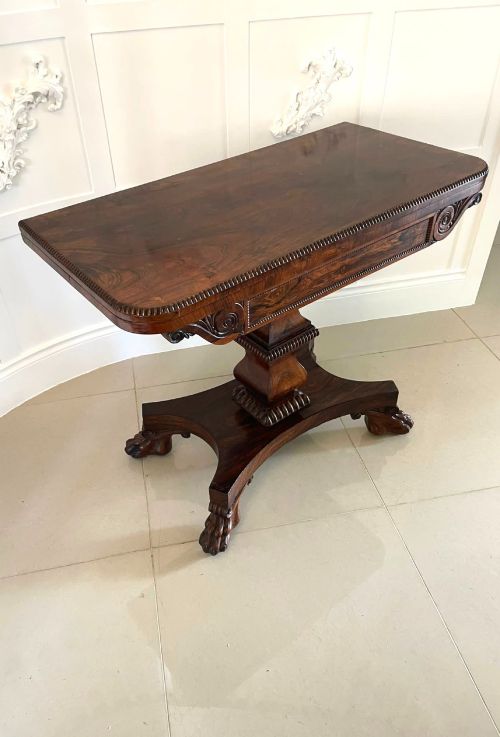
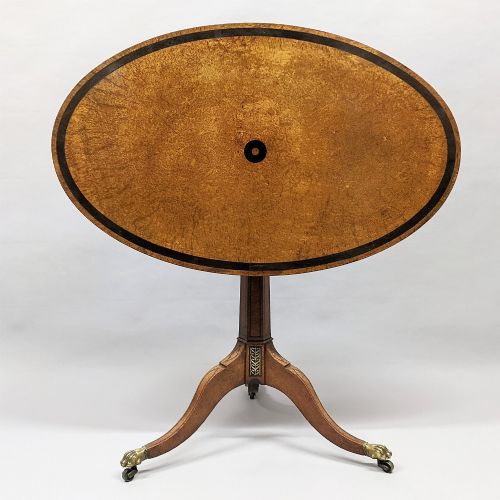
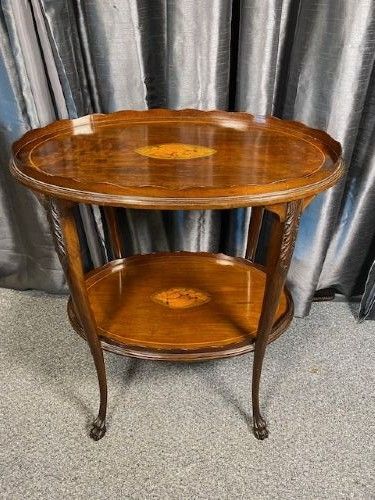
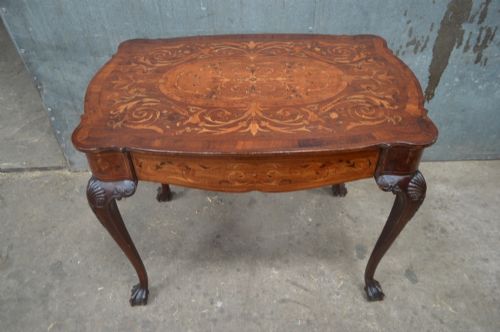
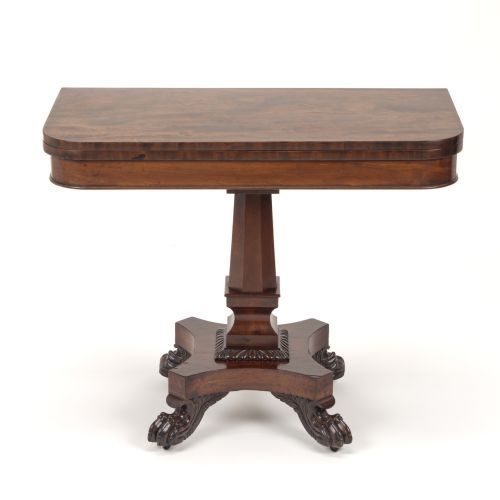
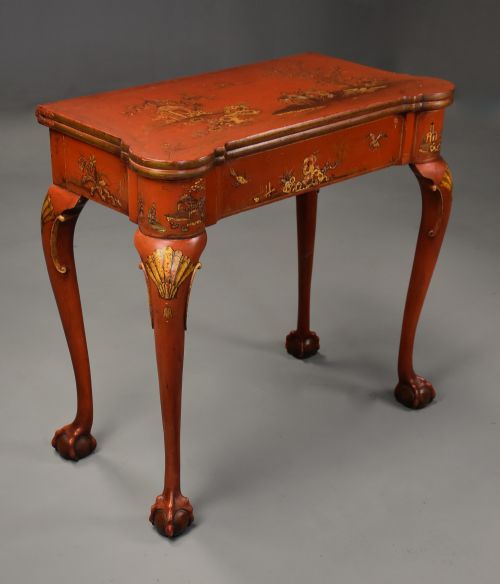
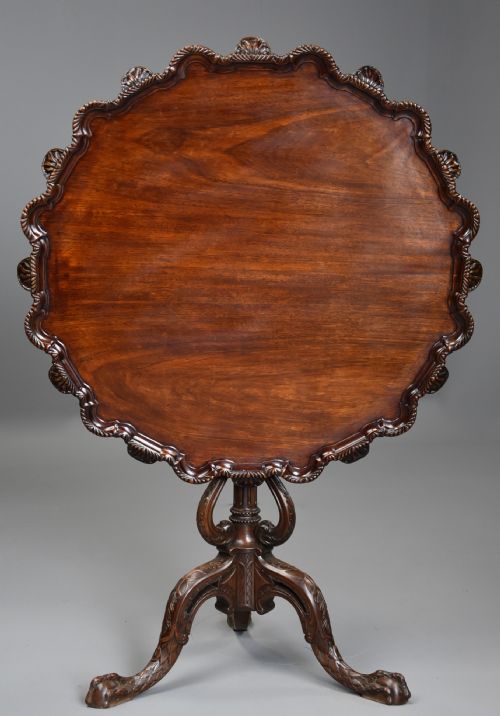

Claw Foot Tea Table
A claw foot tea table combines domestic utility with robust carving, providing a sturdy surface for evening hospitality.
Claw Foot Tea Table
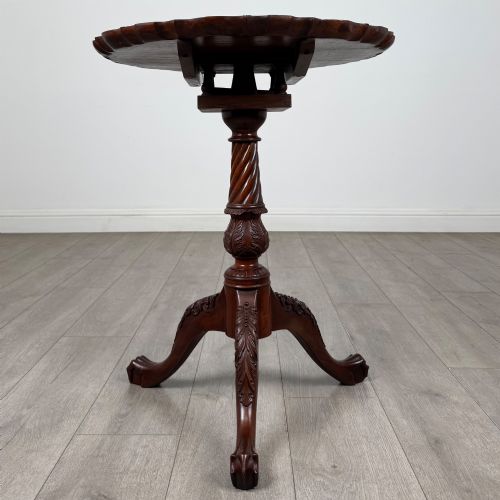
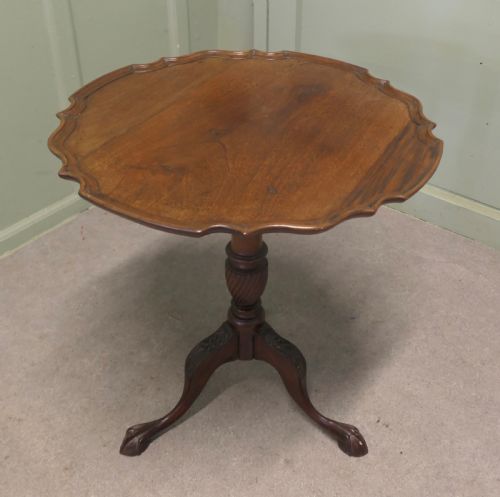
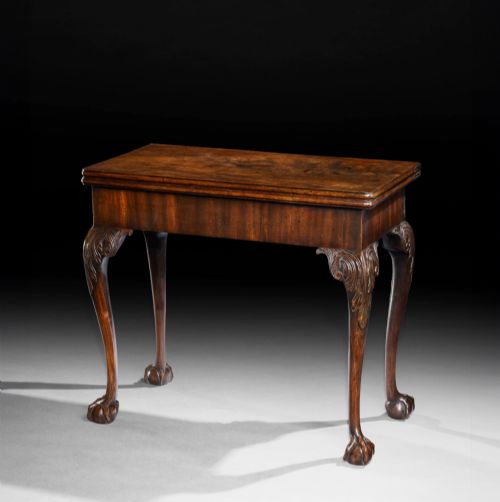
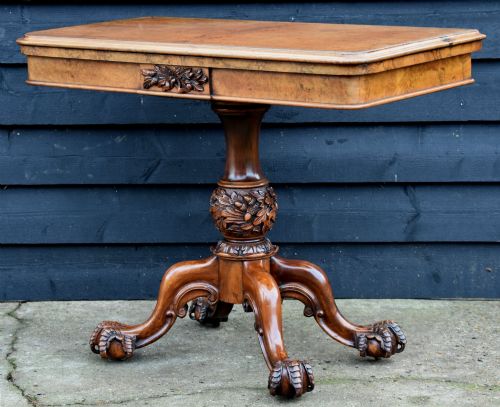
A claw foot tea table serves as a domestic surface designed for hospitality and display, appearing across the Georgian, Regency, and Victorian periods. These pieces frequently manifest as tilt-top tables, card tables, or dedicated tea tables with folding or stationary tops.
Mahogany and walnut form the primary timber choices for these surfaces, alongside rosewood and burr walnut in later revivals. Craftsmen shaped these timbers into occasional tables, side tables, and games tables intended for formal reception rooms.
Construction and Materials
Cabinetmakers utilised solid mahogany, walnut, and exotic veneers such as rosewood and amboyna applied over secondary timbers. Brass inlay and ormolu mounts occasionally accent the primary wood surfaces, particularly on Regency and nineteenth-century examples.
Tripod mechanisms, birdcage actions, and concertina folding frames provide the mechanical complexity found in these tables. Carved paw feet anchor the legs, demanding precise timber selection and manual carving skill from the maker.
The listings span from 1750 through the Edwardian era, featuring mahogany, walnut, rosewood, and lacquered Chinoiserie finishes.
Assessing Quality
Quality rests upon the crispness of the timber carving on the paw feet and the structural integrity of the tilt-top or folding mechanisms. Superior pieces exhibit well-figured mahogany or walnut grain that matches seamlessly across the top boards.
The choice of secondary timbers and the precision of joinery separate workshop standards, while added brass inlays or marquetry demonstrate higher artisanal investment.
George Bullock·Giles Grendey
The Claw Foot Tea Table Glossary
- Tilt-top table
- A table with a mechanism allowing the top to pivot to a vertical position when not in use. This design saved space in domestic interiors.
- Concertina action
- An expanding frame mechanism used on card tables that pulls outward evenly on all four sides. It supports the opened fold-over top securely.
- Birdcage mechanism
- A wooden framework beneath a table top that allows the surface to both rotate and tilt. It connects the centre pillar to the top boards.
- Marquetry
- Decorative patterns created by fitting thin pieces of wood veneer into a background panel. Dutch and English workshops utilised this for floral and pictorial designs.
- Tripod base
- A central pillar supported by three radiating legs. This configuration prevents wobbling on uneven floors.
Claw Foot Tea Table: Frequently Asked Questions
How were these tables used originally?
These tables served primarily in receiving guests for tea, card games, and social gatherings in formal drawing rooms. Fold-over tops expanded to accommodate card play or dining, while tilt-top variants stored flat against walls.
Smaller occasional tables held decorative objects, porcelain, or silver tea caddies when not in active domestic service.
How do I identify a tilt-top mechanism?
A tilt-top table incorporates a hinge block beneath the surface connected to the central column, often utilising a brass catch or wooden wedge to lock the top horizontally. When released, the surface pivots upward into a vertical plane.
Many examples include a rotating birdcage block that allows the pivoted top to spin around the vertical axis.
What timber types are most common?
Mahogany dominates the surviving inventory from the eighteenth and nineteenth centuries due to its density and stability for carving. Walnut appears frequently in earlier Georgian and later revival pieces.
Exotic veneers like rosewood, amboyna, and burr walnut mark high-status Regency and Victorian productions.
How do I care for antique wood surfaces?
Maintain these tables by dusting regularly with a dry, soft cloth and keeping them away from direct heat sources and sunlight. Excessive dryness causes timber to shrink and veneers to lift from their bases.
Apply microcrystalline wax sparingly when the finish appears dry to protect the historic polish without building up heavy residue.