


Claw Foot Piano Stool
A claw foot piano stool brings solid mahogany and carved detail to the keyboard, giving a player steady support and period charm.
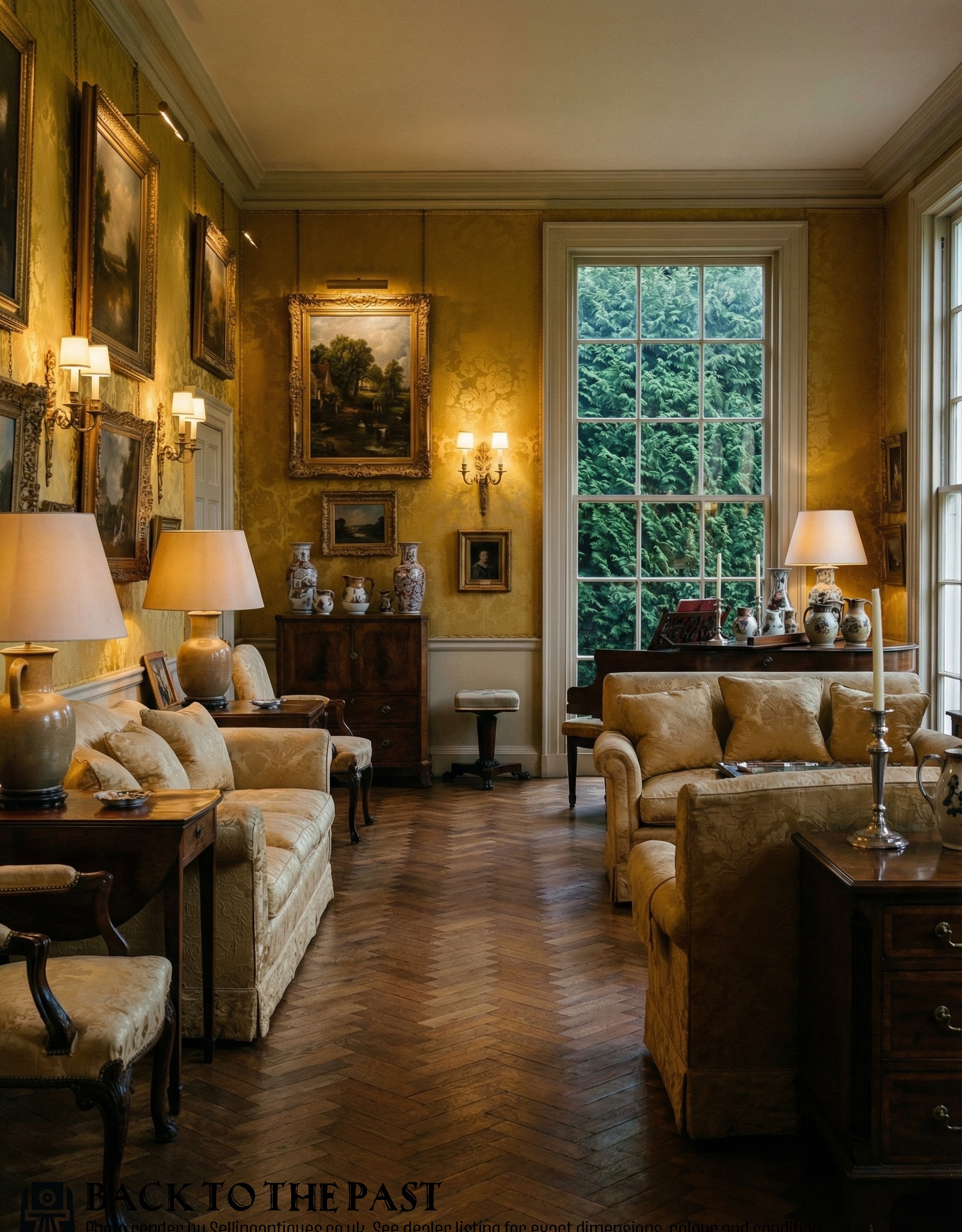
Claw Foot Piano Stool
A claw foot piano stool is a seat designed for keyboard players, characterised by distinct carved feet gripping a ball or plain ground. These pieces appear in forms ranging from simple revolving tops to adjustable seats supported by sturdy timber frames.
Most examples found here date from the nineteenth century or draw upon earlier Georgian and Victorian designs. Buyers encounter varieties in mahogany, walnut, and rosewood, often paired with upholstered pads or revolving mechanisms.
The objects span formal Chippendale style revivals, William IV creations, and industrial variants. Each version reflects the seating needs of musicians across different decades without losing its core domestic function.
Materials and construction
Carpenters built these frames using dense hardwoods such as mahogany, walnut, and rosewood to withstand the rigours of regular use at the keyboard. They shaped cabriole legs and turned shafts by hand, finishing the terminals with carved wooden or metal claws.
Mechanisms for height adjustment relied on threaded iron screws and internal swivel components that allowed the top to rise or turn. Upholsterers completed the seats with fabric, textile braid, tapestry, or damask stuffed over padding.
The listings on this site span the seventeenth century through to the nineteen-thirties, featuring mahogany, rosewood, and walnut.
Assessing the craftsmanship
The standard of carving on the wooden feet and legs dictates the visual success of the piece. Finer examples display crisp detail in the claws and smooth continuity in the timber grain.
Mechanical integrity defines the practical tier of these seats. Smooth operation of the swivel or screw mechanism without excessive wobble separates a superior working stool from a basic survivor.
The Claw Foot Piano Stool Glossary
- Cabriole leg
- A furniture leg that curves out and then narrows inward, resembling the leg of an animal. This shape appears frequently on eighteenth and nineteenth-century seating.
- Swivel top
- A seat mechanism that rotates in a full circle around a central pivot. It allows the player to adjust position easily while seated at the instrument.
- Damask
- A reversible figured fabric traditionally woven on a jacquard loom with patterns formed by contrasting warps and wefts. It offers a formal textured finish for upholstery.
- Tapestry
- A heavy textile featuring woven pictorial or decorative designs used to cover seat pads. This material adds colour and traditional pattern to the upper frame.
Claw Foot Piano Stool: Frequently Asked Questions
How do I adjust the height?
Many of these seats feature a revolving top that winds upward on a threaded wooden or iron spindle when turned by hand.
Other models utilise a side lever or mechanical screw mechanism concealed beneath the upholstery to raise the platform.
Are these seats comfortable for daily playing?
The padded upholstered tops provide a firm sitting surface suited for upright posture at the keyboard.
Swivel and revolving functions allow musicians to pivot slightly towards sheet music cabinets or teaching partners without shifting the base.
Which woods are most common?
Mahogany forms the primary timber across the majority of surviving examples, often complemented by rich rosewood and figured walnut veneers.
These dense hardwoods provided the structural strength required for heavy turned stems and detailed carved feet.
How do I date an older stool?
Look to the overall style cues, such as William IV turning or Chippendale fretwork, alongside the construction methods visible beneath the seat.
Tool marks left by hand saws and the type of internal iron mechanics offer clear clues to the manufacturing decade.