



Dark Wood Piano Stool
A dark wood piano stool provides both an adjustable seat for the keyboard and a sturdy piece of period furniture.
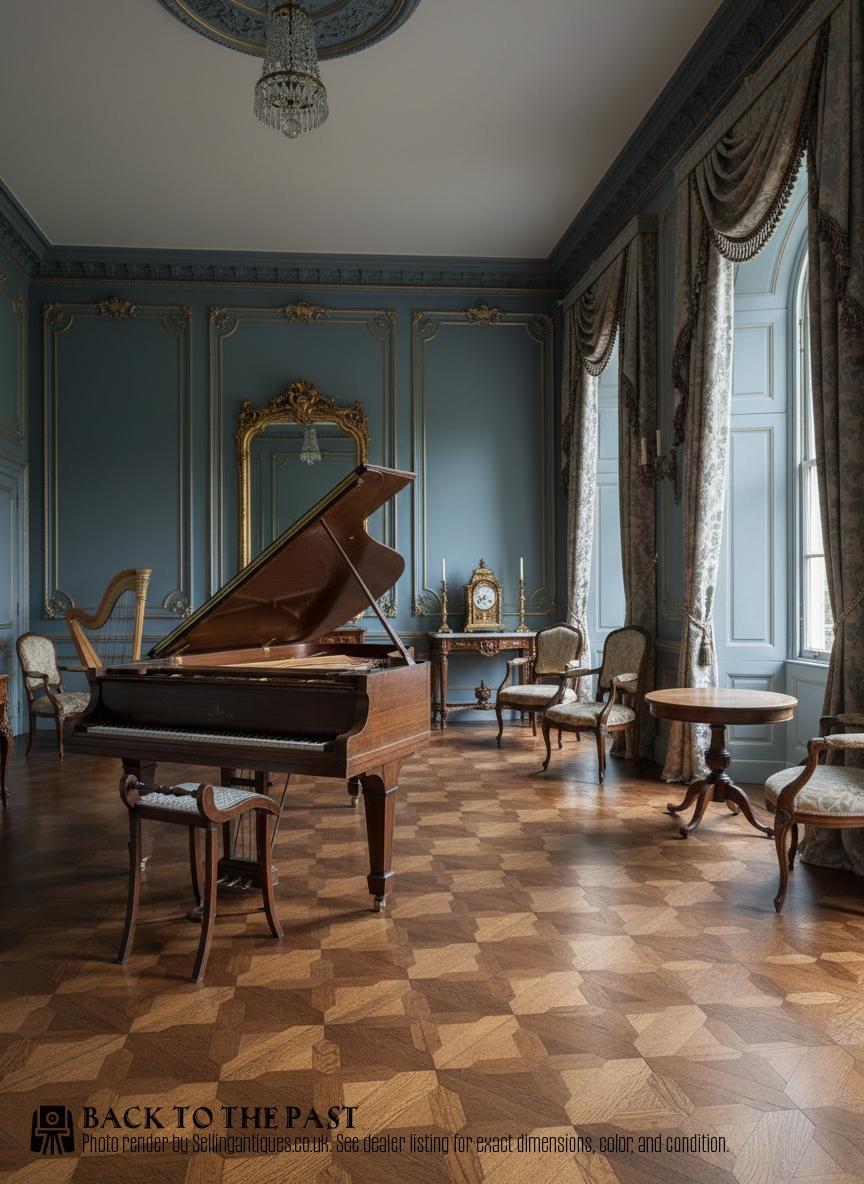
What these pieces are
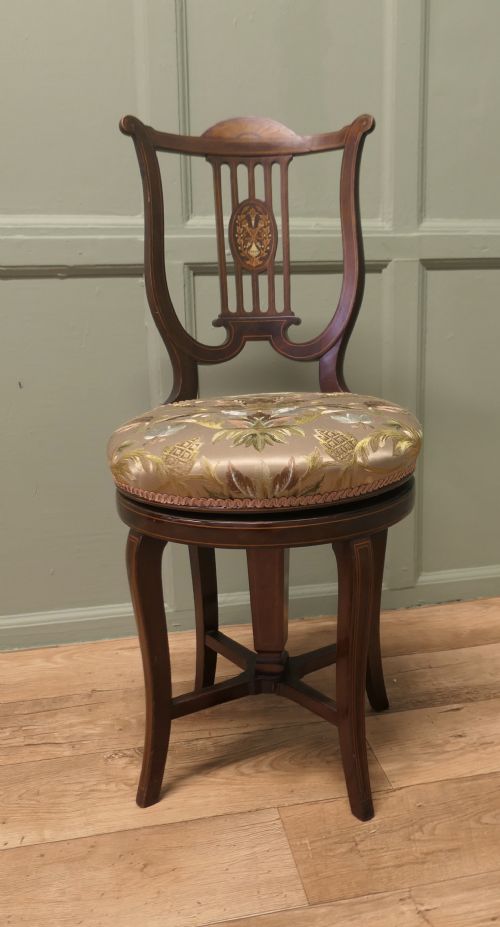
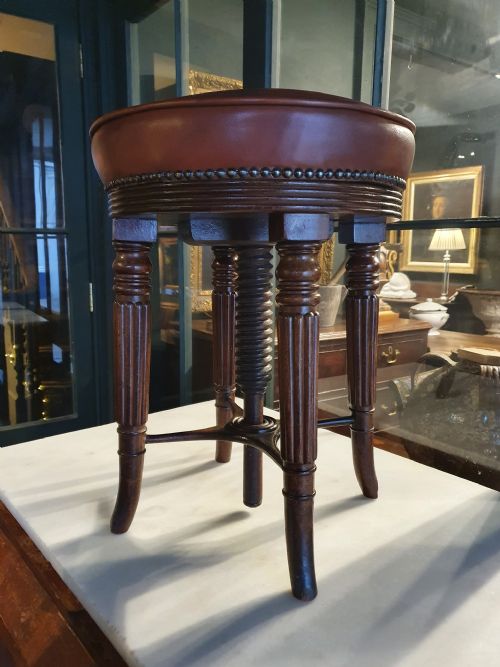
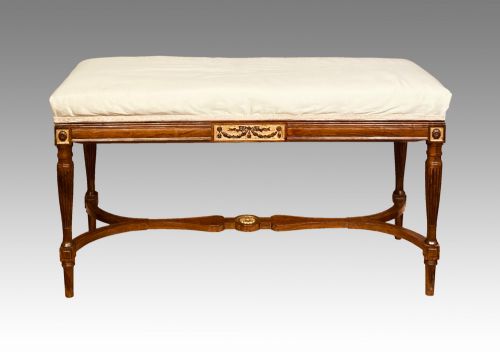
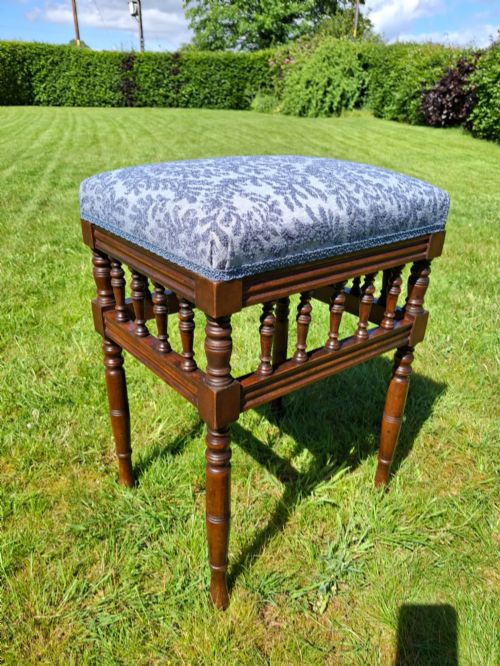
A dark wood piano stool is a seat designed specifically for keyboard players, often featuring height adjustment mechanisms to suit different performers. These items appear across various styles including Victorian, William IV, Edwardian, and Regency periods, dating from the 19th century and around 1880.
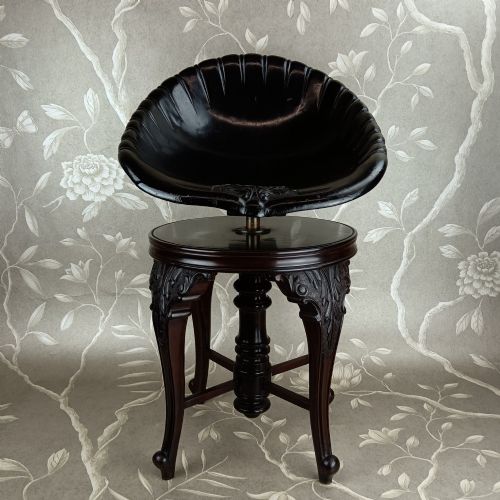
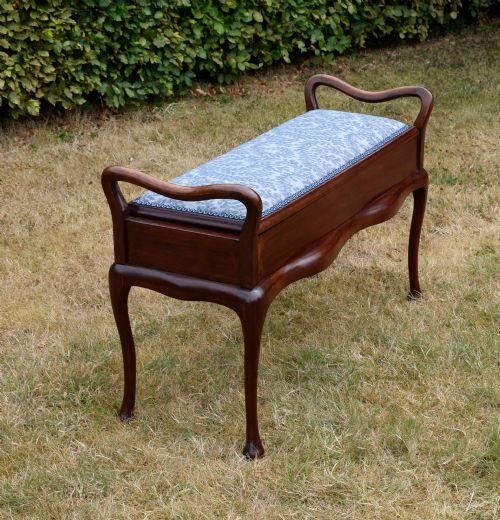
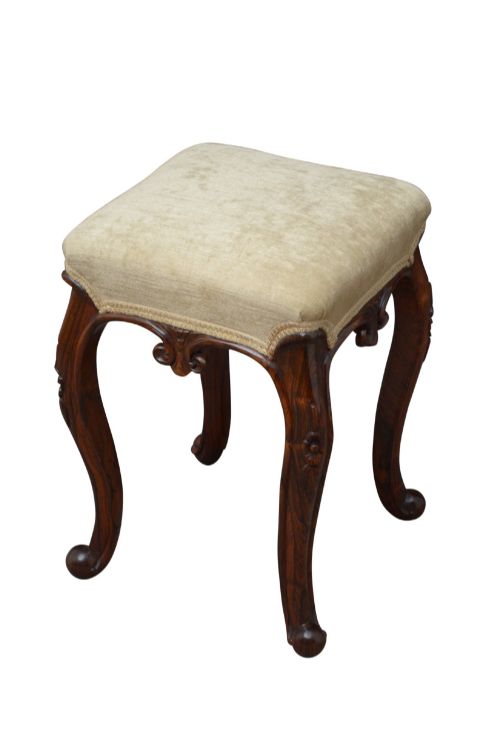
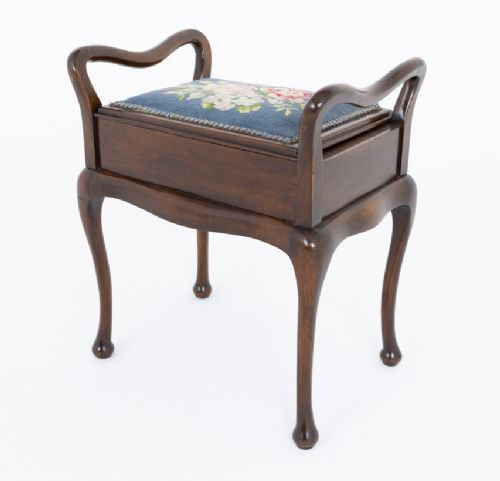
The listings on this page include music stools, piano stools, standard stools, accent chairs, and music chairs. Formats range from simple wooden seats to examples incorporating papier-mâché, brass, and tapestry fabric upholstery.
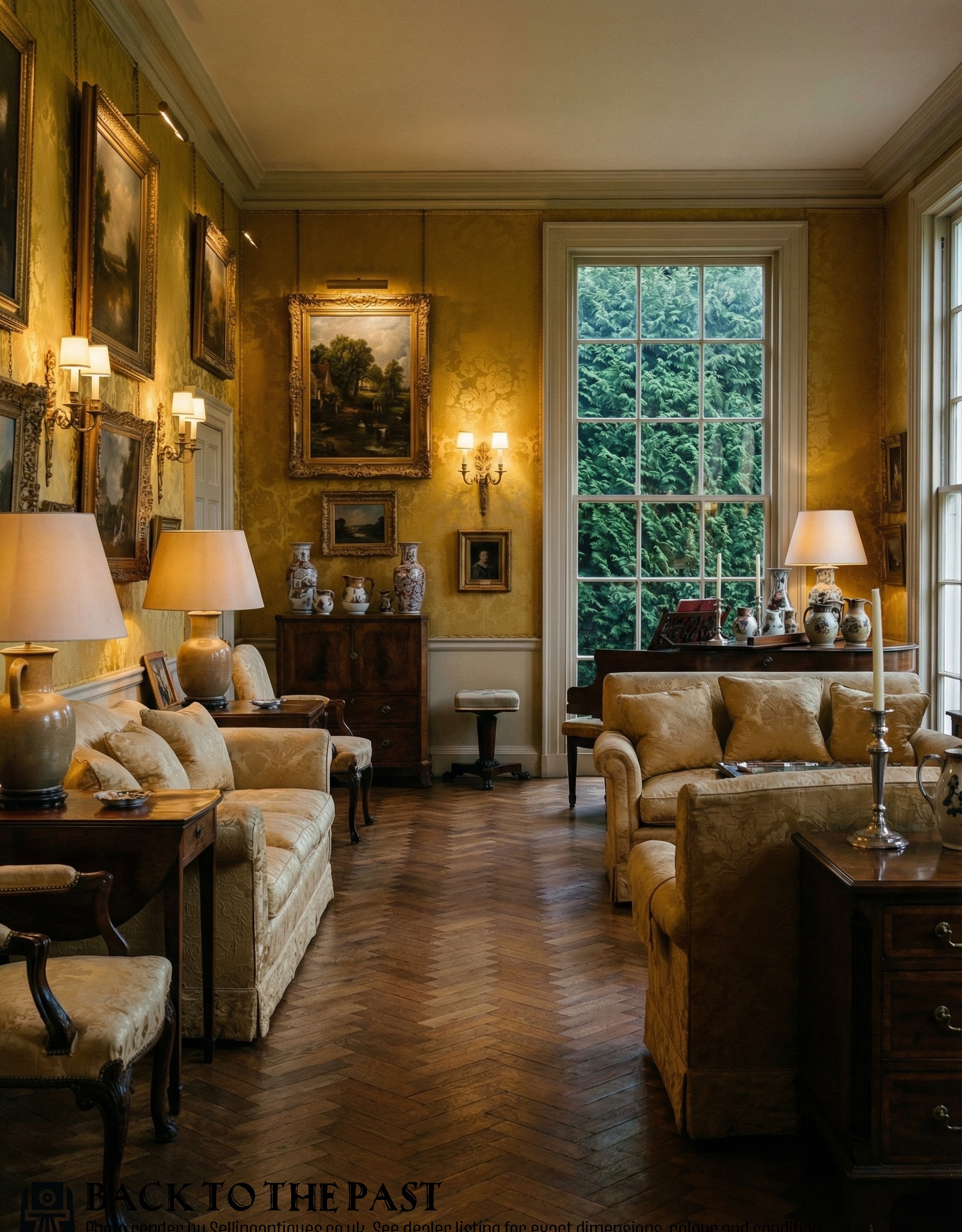
How they were made
These stools utilise solid timbers such as mahogany, rosewood, and ebonised wood, sometimes combined with papier-mâché frames and brass fittings. Construction methods of the period often incorporated mechanical height adjustment screws or spindles operated from the seat.
Upholstery techniques involved traditional padding covered in fabrics like tapestry or general upholstery material. Jennens & Bettridge specifically employed papier-mâché and mahogany construction for their music stool designs.
Retail Price Guide 2026
Typical UK retail prices for dark wood piano stool, calculated from the Sellingantiques database of over a million retail prices indexed since 2003. This retail price guide relies exclusively on Sellingantiques data; no external sources or auction records are used, so the figures do not describe the wider market.
What varies in quality
Quality separates through the choice of primary timber and secondary materials, distinguishing standard mahogany or ebonised frames from rich rosewood or decorated papier-mâché surfaces. The sophistication of the height adjustment mechanism also marks out finer items.
Execution of decorative details, from brass mounts to fine tapestry fabric upholstery, defines the higher tiers. Maker attribution, such as signed pieces by Jennens & Bettridge, further elevates the standing of an individual stool.
Jennens and Bettridge
The Dark Wood Piano Stool Glossary
- Mahogany
- A durable tropical hardwood with a reddish-brown tone frequently utilised for 19th-century seating frames.
- Rosewood
- A dense, heavily grained timber with dark figuring valued in high-status Victorian and William IV furniture.
- Papier-mâché
- A composite material made from paper pulp or layers of paper reinforced with glue, moulded and lacquered for decorative furniture.
- Ebonised wood
- Timber treated with a dark stain or finish to imitate the appearance of solid ebony.
- Height adjustable
- A mechanical feature allowing the seat to be raised or lowered via a threaded wooden or metal screw.
Frequently Asked Questions
What is a piano stool?
A piano stool is a dedicated seat designed for musicians to sit comfortably at a keyboard instrument. Many historical examples include mechanical height adjustment to fit the player.
These pieces range from simple wooden structures to ornate chairs upholstered in tapestry fabric.
How do you adjust the height?
Nineteenth-century music stools often utilise a central screw mechanism hidden beneath the seat top. Turning the seat clockwise or anti-clockwise raises or lowers the platform.
Some variants use side levers or metal ratchets to secure the seat at different levels.
Where were these stools used?
They were primarily placed in drawing rooms, parlours, and music rooms alongside upright or grand pianos. Their compact footprint also allowed them to function as occasional accent chairs.
Their dual role as seating and instrument accessories made them standard household furnishings.
Are these stools comfortable?
Comfort depends heavily on the presence and condition of the padded upholstery. Many feature traditional sprung or stuffed cushions covered in fabric.
Wooden top variants offer a firmer seat intended for upright posture during practice.