




Vintage Music Bench
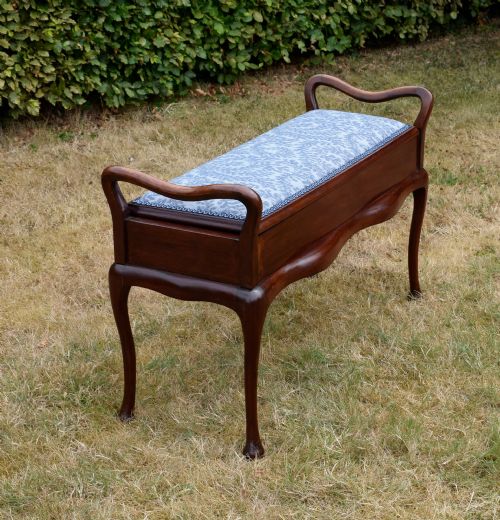
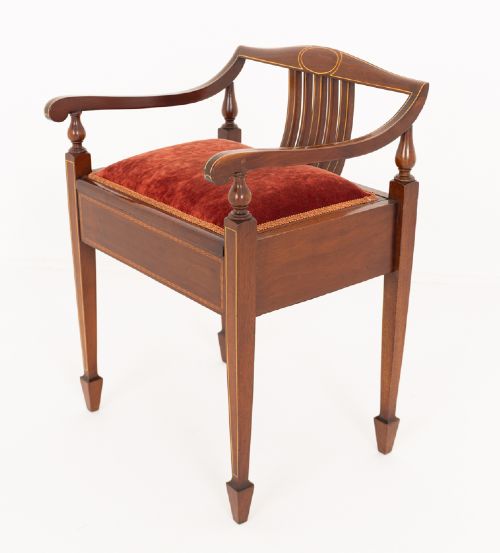
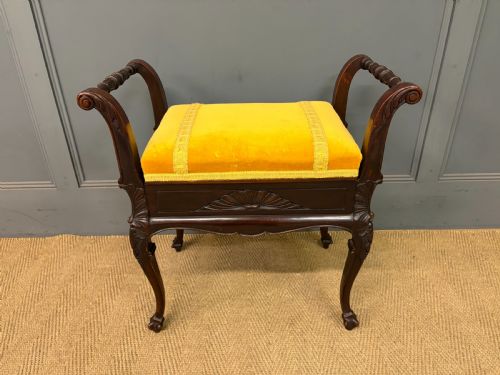
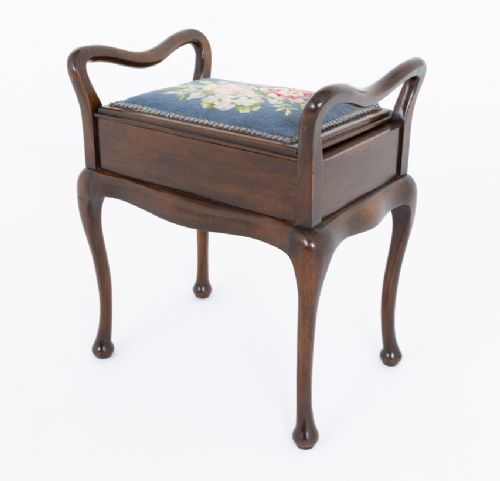
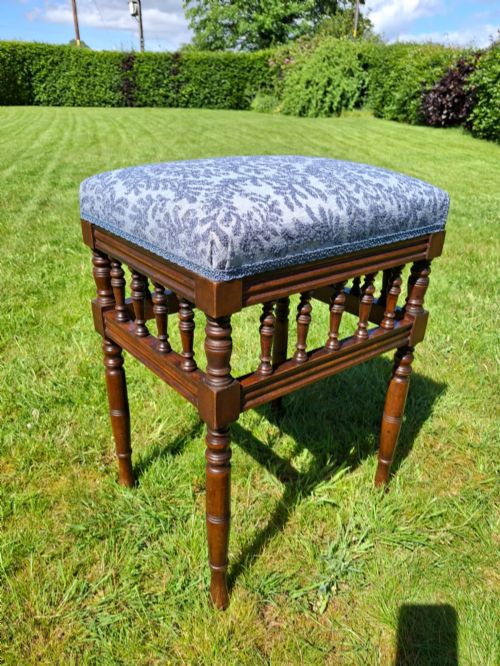
A vintage music bench offers the practical storage and steady seating that musicians and collectors prize, usually appearing as Edwardian mahogany piano stools.
Vintage Music Bench
When you search for a vintage music bench, you are looking at specialised seating designed for musicians, most commonly encountered here as Edwardian mahogany piano stools. These pieces range across the nineteenth and twentieth centuries, spanning periods from the Victorian era through the Edwardian years and into the Art Deco epoch.
The primary forms you will discover include solo piano stools, duet stools with extended seating, and revolving or adjustable variants. Many examples feature lift-up seats or fall-front compartments intended for sheet music storage, blending utility with period craftsmanship.
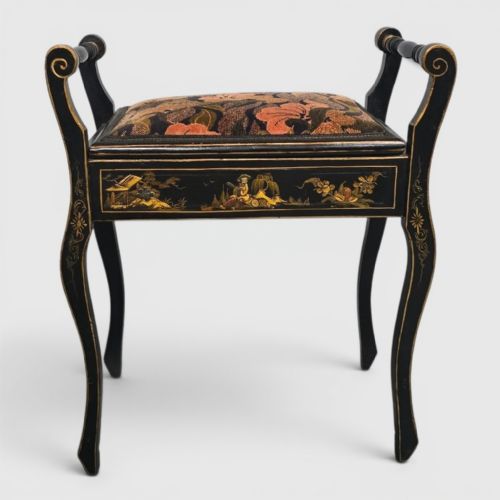
Stylistic influences vary widely across the inventory, taking cues from Sheraton Revival, Queen Anne Revival, Chinoiserie, the Aesthetic Movement, and Arts and Crafts design. This variety ensures that each piece reflects the prevailing aesthetic tastes of its decade of origin.
Materials and construction
Solid timbers form the structural core of these pieces, with mahogany and walnut predominating alongside occasional uses of oak and ebonised wood. Workshops frequently applied satinwood inlay to enrich mahogany surfaces, creating subtle geometric or floral patterns.
Upholstery materials play a prominent role in both comfort and visual appeal, utilising fabric, velvet, tapestry, and tan leather. Metal components such as brass appear on adjusting mechanisms, revolving screws, and decorative mounts.
Vintage Music Bench Retail Price Guide 2026
Typical asking prices for vintage music bench among the pieces listed under this phrase on Sellingantiques today, from the lower quarter to the upper quarter. They describe what is for sale here now, not the wider market.
Mahogany is the most frequently recorded timber across these listings, appearing alongside walnut and oak.
Assessing quality in music benches
The refinement of the timber and the crispness of any inlay set superior examples apart from standard utility pieces. Master craftsmen selected figured mahogany and executed precise marquetry that remains intact and sharp over the decades.
The integrity of the mechanical parts, such as revolving screws, drop-down fall fronts, and lift-up storage hinges, dictates the mechanical standard. Smoother operation and heavier gauge brass fittings denote higher workshop standards during production.
Jas Shoolbred
The Vintage Music Bench Glossary
- Duet stool
- An extended piano stool designed to seat two players side by side. These wider variants often incorporate double-hinged lids or larger internal compartments for music books.
- Fall-front
- A hinged front panel that drops forward to allow easy access to sheet music stored inside. This mechanism is frequently found on Victorian and Edwardian music cabinets and stools.
- Satinwood inlay
- A decorative technique where contrasting light satinwood is set flush into the darker mahogany surface. It defines pieces influenced by Sheraton Revival design.
- Revolving stool
- A seat featuring a threaded central screw mechanism that permits height adjustment by spinning the top. This allows the player to set their preferred seating level.
- Ebonised
- Timber treated with a chemical stain or finish to imitate ebony. This dark, formal surface treatment appears on pieces influenced by the Aesthetic Movement.
Vintage Music Bench: Frequently Asked Questions
What is a music bench used for?
These pieces provide dedicated seating for pianists and instrumentalists while keeping sheet music organised close at hand. The internal compartments and lift-up seats were specifically dimensioned for standard musical scores.
Today, they function equally well as compact window seats or hallway furniture where discreet storage is required. Their sturdy construction suits daily domestic use.
How do I date a music bench?
Dating relies on identifying the prevailing style, timber choices, and hardware construction methods. Edwardian and Victorian examples often display distinct inlay patterns and turnery associated with those specific decades.
Art Deco variants from the nineteen-thirties introduce cleaner geometric lines and different veneer selections. Examining internal timber surfaces and hinge types helps confirm the period of manufacture.
Are music benches comfortable to sit on?
Most pieces feature padded upholstered tops covered in fabric, velvet, tapestry, or leather to ensure firm support during practice sessions. Adjustable and revolving variants allow users to customise the seat height for proper posture.
Duet versions offer a broader surface area, while standard solo stools provide compact, upright seating. The padding density varies depending on whether the upholstery is original or restored.
How do I maintain the upholstery?
Regular gentle dusting preserves fabric, velvet, and tapestry surfaces without wearing down the delicate fibres. Leather upholstery benefits from occasional conditioning to prevent drying and cracking.
Keeping the bench away from direct sunlight protects both the textile colours and the polished mahogany or walnut timber frames from fading.