
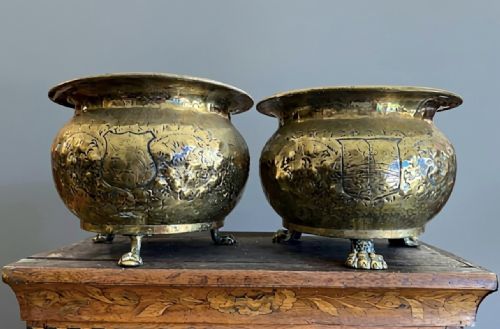

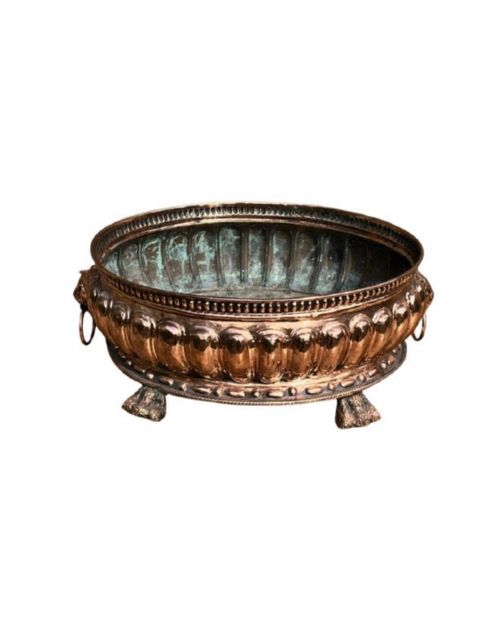
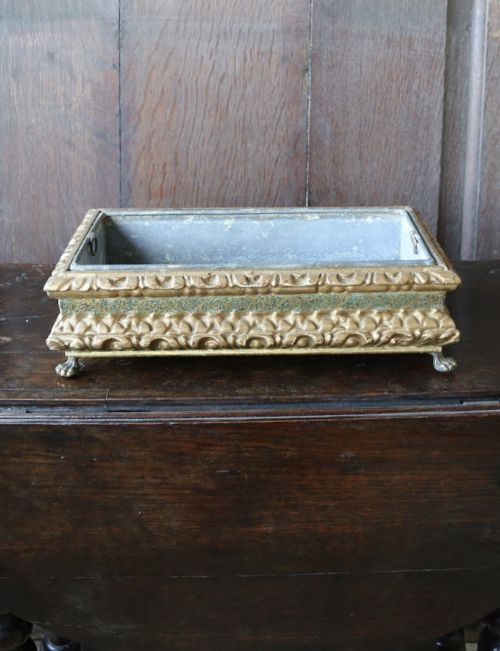


Claw Foot Jardiniere
A claw foot jardiniere brings sculptural plant housing into a room, combining functional metal or wood vessels with animal paw supports.
Claw Foot Jardiniere
A claw foot jardiniere serves as an ornamental plant holder, elevating greenery on distinct feet shaped like animal paws or talons. Buyers searching for a claw foot jardiniere encounter vessels designed to display indoor plants or hold floral arrangements.
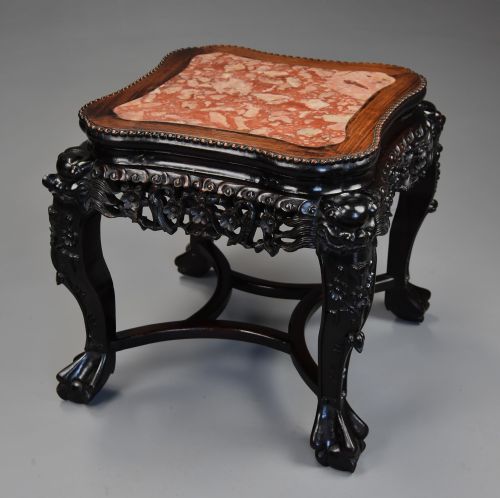
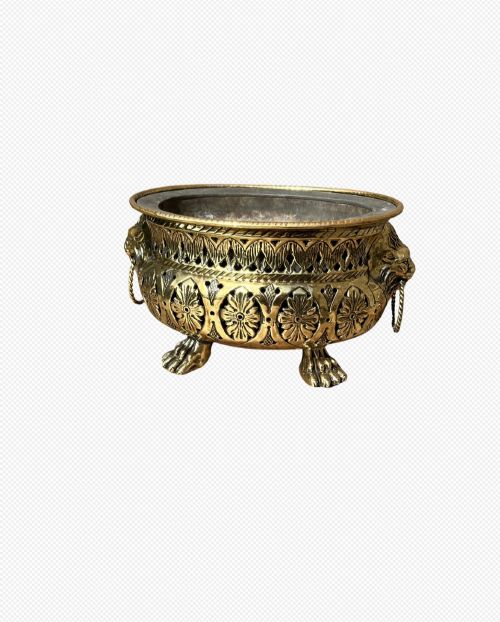
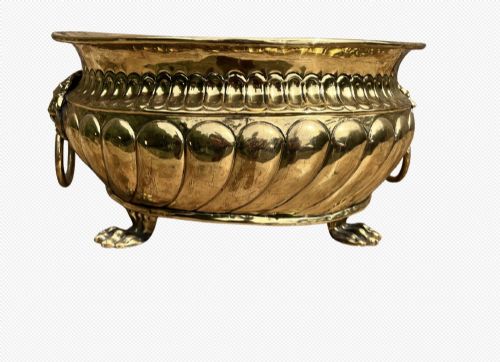
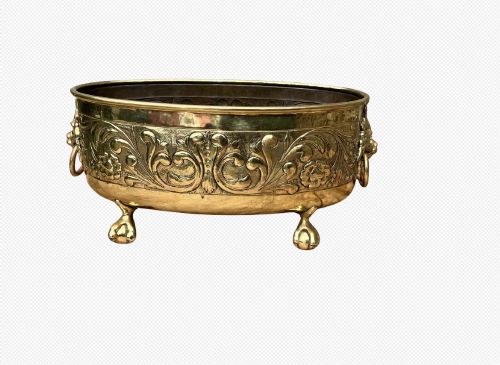
The selections span various centuries and stylistic influences, featuring pieces from the Victorian and Edwardian eras alongside continental examples. Forms range from cylindrical metal planters to carved wooden stands incorporating inset marble tops.
Origins stretch across European workshops and Asian craftsmanship, encompassing Dutch, French, Italian, and Chinese pieces. These items often double as plant stands or low tables, reflecting versatile domestic use.
What varies in quality
The crispness of detail in cast and repoussé decoration distinguishes finer vessels from simpler production pieces. Hand-chased motifs and deeply articulated animal feet demonstrate superior craftsmanship compared to shallow or uniform stamping.
Material selection dictates the weight and longevity of the object, with thick-gauge metals and dense hardwoods offering greater structural integrity. The integration of contrasting elements, such as fitted marble tops within hardwood frames, indicates higher workshop standards.
Listings feature metalwork in brass, copper, and lead alongside hardwood and marble forms spanning the seventeenth through early twentieth centuries.
The Claw Foot Jardiniere Glossary
- Jardiniere
- An ornamental pot or stand designed to hold flowers or indoor plants. This term covers both tabletop vessels and larger floor-standing planters.
- Repoussé
- A metalworking technique where the artisan hammers the design from the reverse side to form raised patterns on the front. It creates tactile surface relief on brass and copper planters.
- Torchiere
- A tall stand or floor lamp designed to hold a light fixture or decorative plant. Examples in these listings combine display surfaces with vertical wooden supports.
- Giltwood
- Wood that has been treated with a thin layer of gold leaf or gold paint. It appears on carved frames and decorative boxes from earlier periods.
Claw Foot Jardiniere: Frequently Asked Questions
What is a claw foot jardiniere used for?
These vessels were originally designed to house potted plants and flowers inside domestic rooms, protecting surfaces while displaying greenery.
Today, they function similarly as decorative plant holders or standalone sculptural objects within interior schemes.
How do I care for brass and copper planters?
Metal vessels benefit from regular dusting with a soft cloth to prevent surface grime accumulation.
Avoid harsh chemical polishes that strip historic patination, and use protective liners if placing live plants with moisture directly inside.
Are these planters waterproof?
Many historic metal and lead planters were built to hold damp earth or potted plants, but older seams can develop leaks over time.
Using a modern inner pot or saucer protects the interior base from prolonged water contact and active corrosion.
How can I tell the period of a jardiniere?
Stylistic clues such as repoussé motifs, Gothic revival handles, or Edwardian proportions help indicate the likely decade of manufacture.
Construction methods, tool marks on the metal reverse, and the type of fixings also offer guidance on age.