


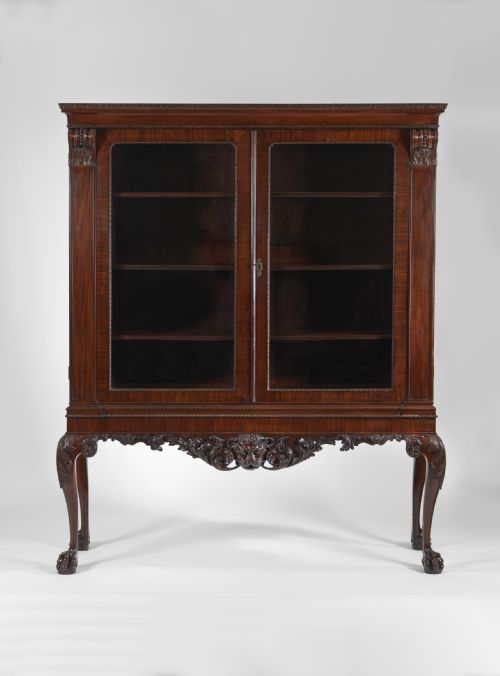

Claw and Ball Stand
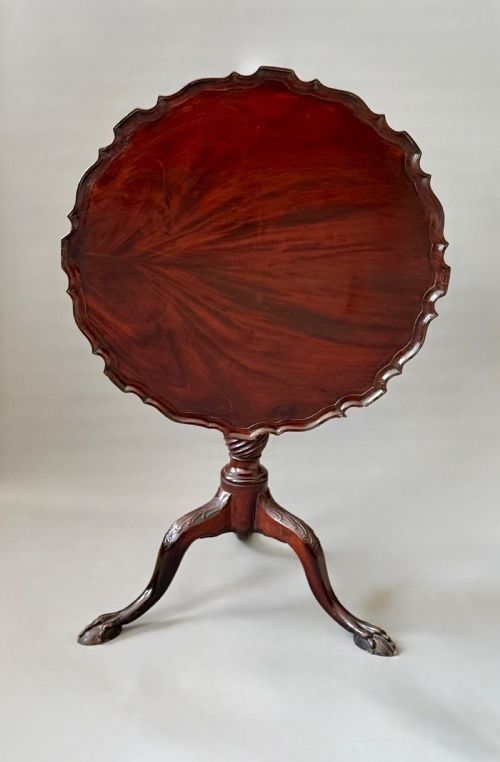
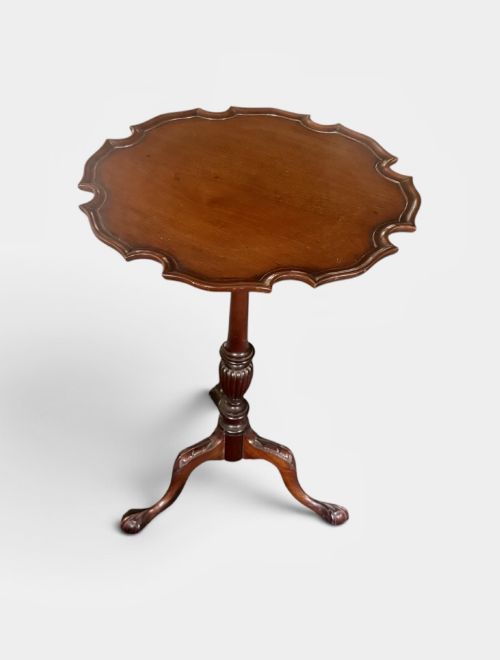
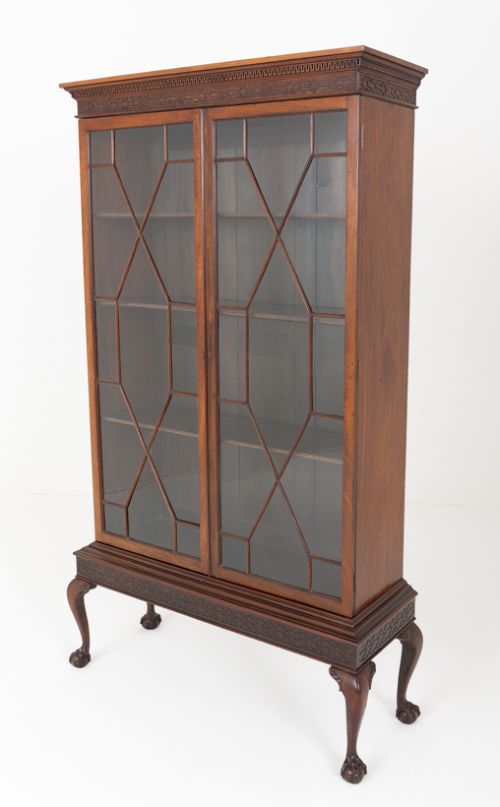
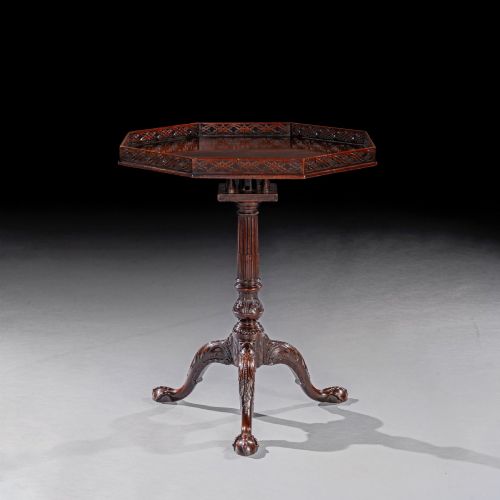
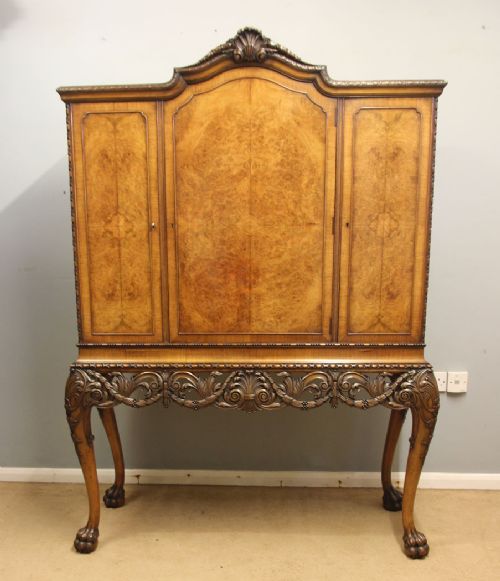
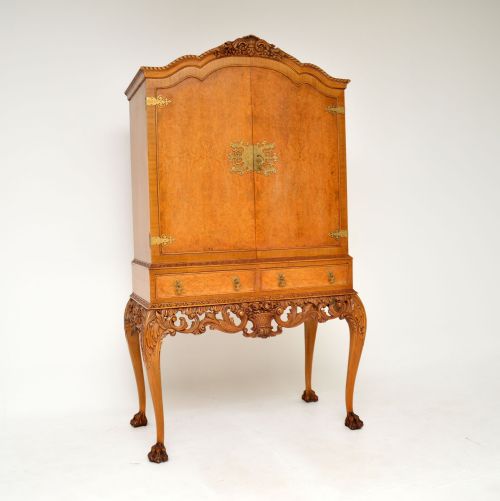
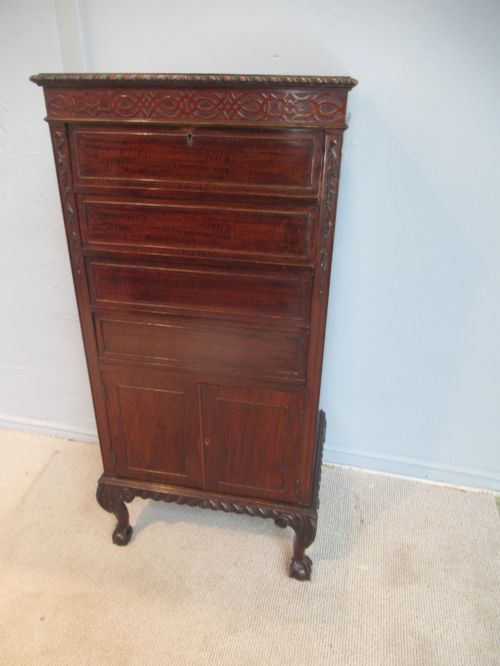
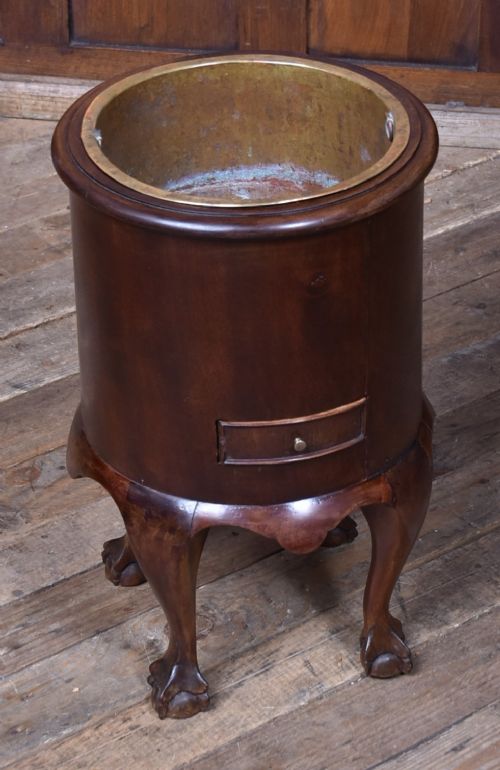
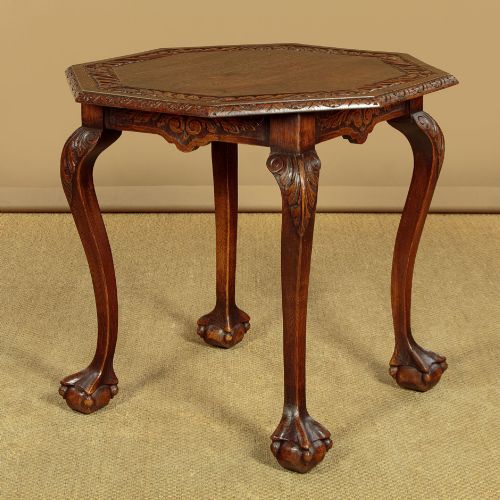
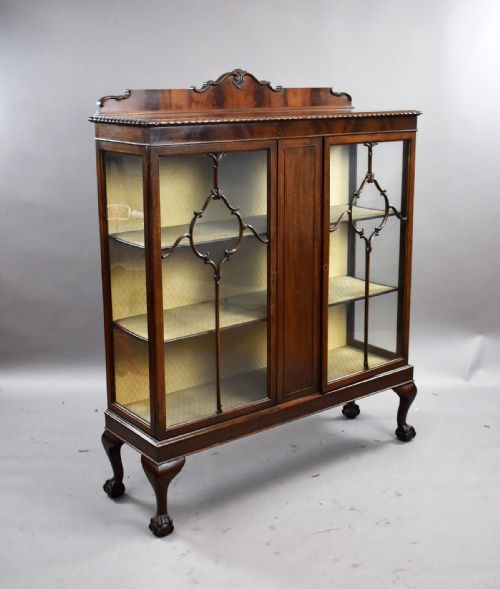
These claw and ball stand pieces encompass timber tripod tables, cabinets and seating supported by carved talon feet.
Claw and Ball Stand
When you examine a claw and ball stand, you are typically looking at mahogany or walnut occasional furniture raised on carved tripod or four-legged supports. The form takes inspiration from George II, George III and Chippendale designs, spanning eighteenth century originals to later revival pieces from the Victorian and Edwardian eras.
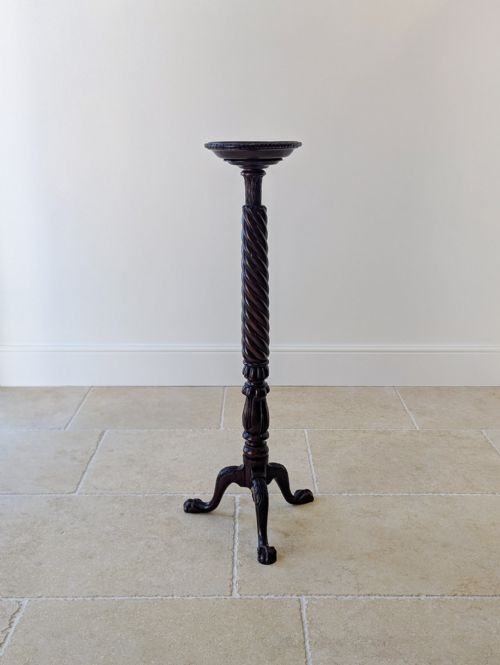
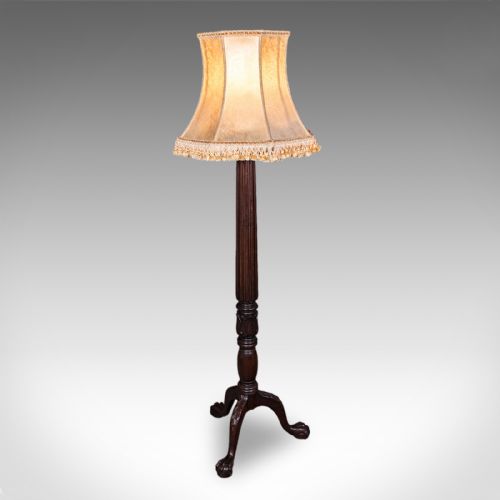
The version you are most likely to meet on this page is the tripod wine table or occasional table, alongside taller plant stands, pedestals and occasional cabinets. These items utilise traditional timber construction, featuring tilt tops, pie crust rims and carved feet derived from ancient motifs.
How they were made
Cabinet makers constructed these pieces primarily from solid mahogany, burr walnut and oak, occasionally incorporating brass fittings, glass panels and fabric inserts. Timber was selected for grain figure, then shaped using traditional hand-carving techniques for the distinctive feet and borders.
Tripod tables often employed tilting mechanisms with birdcage actions, while cabinets and bookcases utilised panelled doors and fitted interiors. Joinery relied on traditional pegging, dovetailing and mortise and tenon joints to ensure structural stability.
Listings span the eighteenth, nineteenth and early twentieth centuries, featuring mahogany, burr walnut and oak across tables, cabinets and stands.
What varies in quality
Quality rests primarily on the depth and crispness of the carving on the claw and ball feet, where skilled carvers defined the talons and grasping sphere with animation. Crisp proportions in the timber pillars and original surface patination elevate an example significantly above routine production.
The selection of timber grain, particularly figured mahogany or burr walnut veneers, dictates visual appeal. Superior pieces retain original hardware, stable tilt actions and uncompromised structural integrity without excessive later alterations.
Walker & Hall·Muirhead Moffat & Co·Howard and Sons
The Claw and Ball Stand Glossary
- Tripod table
- A small freestanding table supported by a central pillar resting on three legs. These are frequently found with tilt-top mechanisms.
- Pie crust rim
- A raised, decoratively carved edge shaped in alternating curves resembling pastry work. It is typically seen on eighteenth century tea tables.
- Patina
- The surface sheen and colour developed by wood and metal over decades of handling and exposure to light. Original patination is prized by collectors.
- Tilt top
- A tabletop hinged to the pillar so it can be folded vertically when not in use. This saved space in historic rooms.
- Torchere
- A tall stand or pedestal designed to support a light source or decorative object. They often feature slender columns and carved tripod bases.
Claw and Ball Stand: Frequently Asked Questions
What is a claw and ball foot?
A claw and ball foot is a furniture termination representing a bird's talon grasping a spherical ball. This motif gained popularity in British furniture during the eighteenth century.
Craftsmen carved the design directly into the timber legs of tables, chairs and cabinets, drawing inspiration from Chinese motifs transmitted via Dutch trade.
How do I date a tripod table?
Dating relies on timber species, construction methods and turning profiles of the central column. Eighteenth-century examples show hand-cut joinery and dense, heavy mahogany.
Later revival pieces from the Victorian and Edwardian periods often display machine-made elements and lighter internal framing while copying earlier George II or Chippendale styles.
Where were these pieces used?
These items functioned primarily in formal drawing rooms, parlours and libraries for serving tea, displaying ornaments or holding candles. Small tripod tables moved easily around rooms as needed.
Larger cabinets and bookcases remained stationary against walls to store books, ceramics or drinks collections within affluent homes.
How do I care for antique mahogany?
Care involves keeping timber away from direct heat sources and strong sunlight to prevent wood shrinkage and fading. Regular dusting with a soft, dry cloth preserves the finish.
Applying microcrystalline wax sparingly helps protect the surface and maintain the natural lustre without building up heavy, dull layers.