
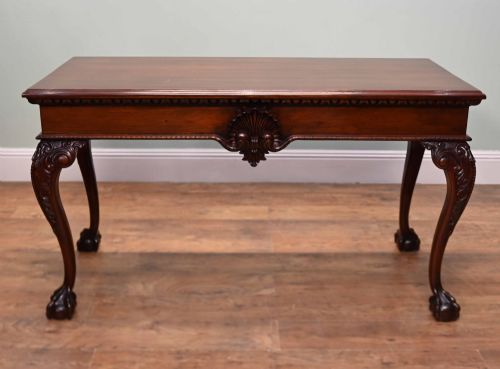
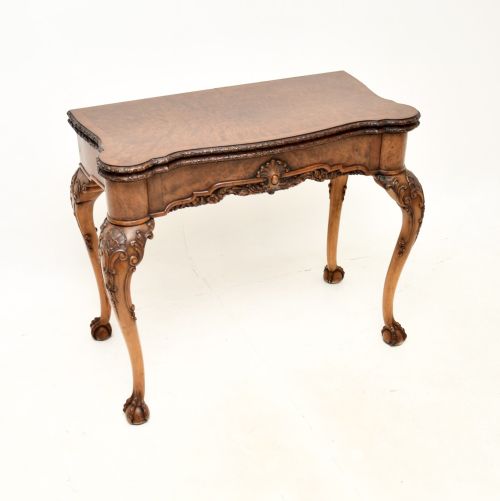
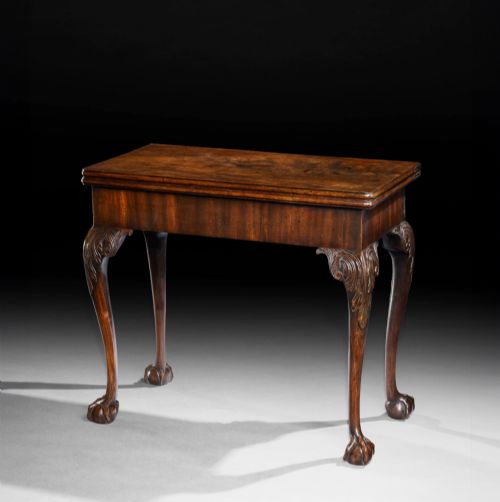
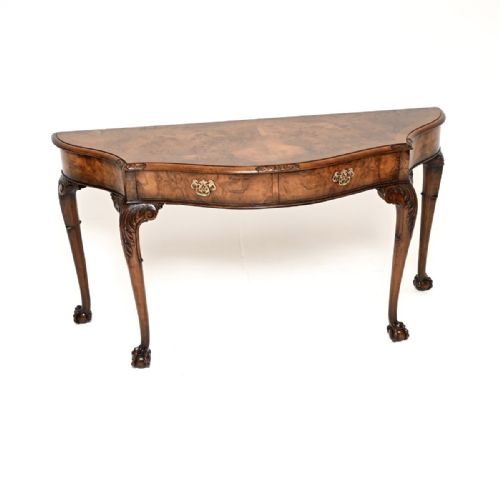


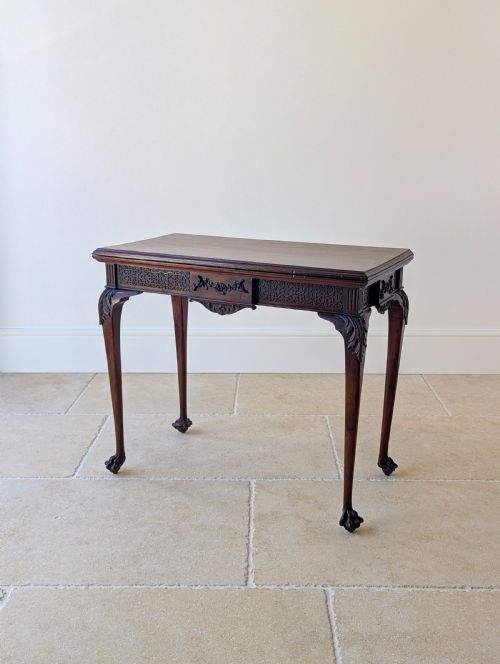
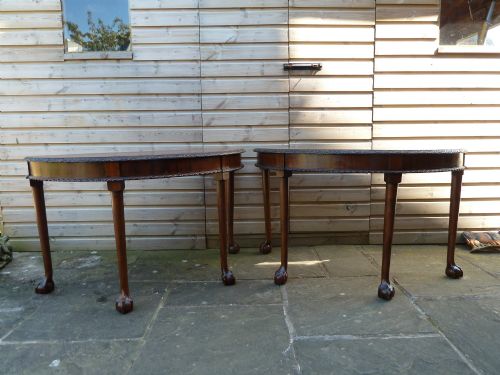
Claw and Ball Console Table
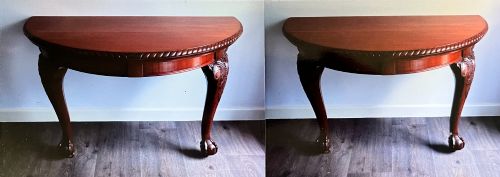
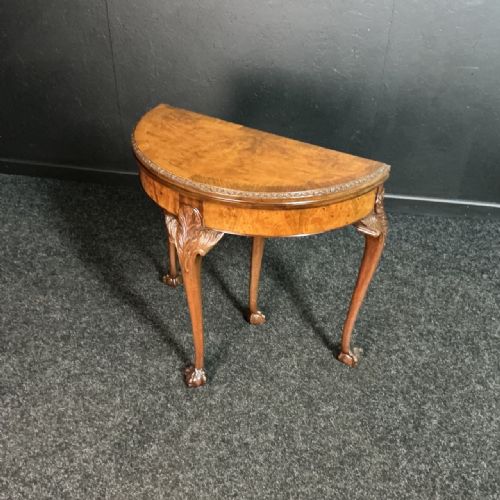
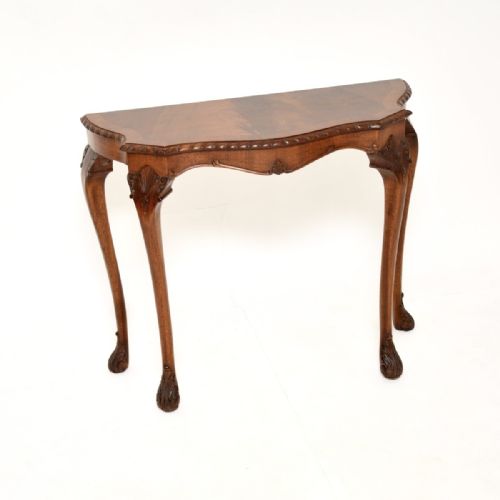
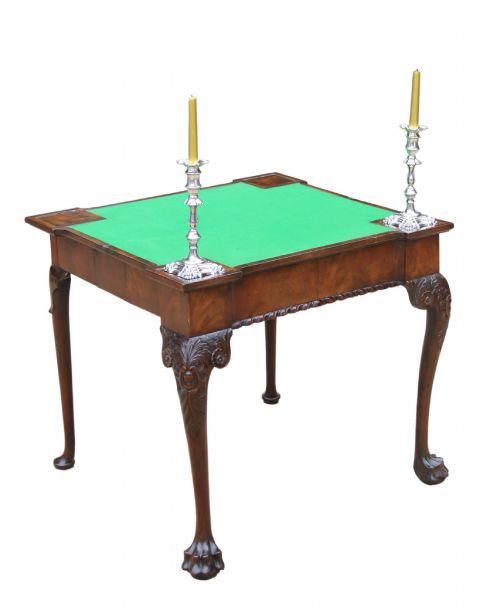
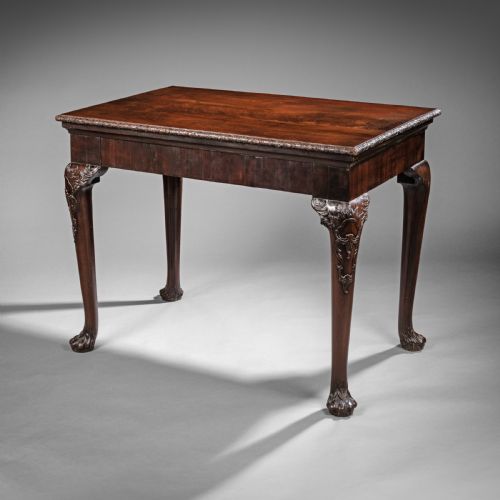
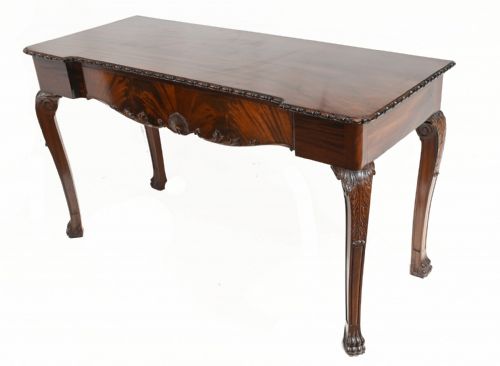
A claw and ball console table brings dramatic carved feet and rich mahogany or walnut timber to a hallway or reception room.
Claw and Ball Console Table
A claw and ball console table combines sturdy wall placement with the distinctive carved avian or beast foot grasping a sphere. These pieces emerge in original 18th Century examples and later 19th Century and 20th Century revivals referencing George II and Chippendale styles. Alongside dedicated console forms, the selection includes card tables, serving tables and tea tables sharing the same architectural vocabulary.
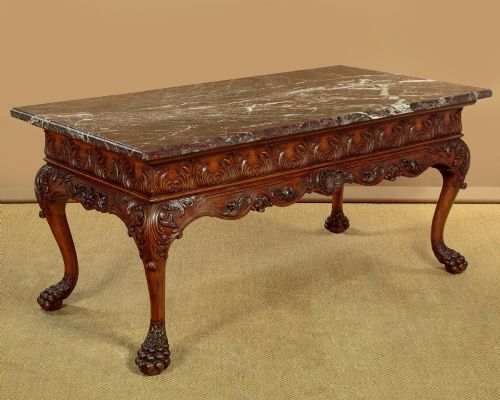
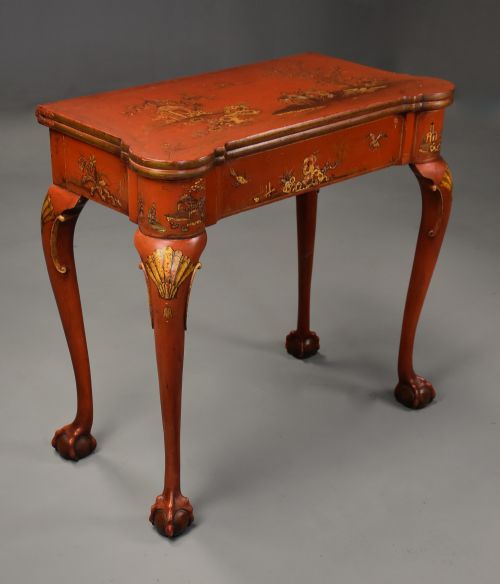
The materials span solid mahogany, walnut and burr walnut, occasionally topped with marble or accented with lacquer. Makers construct these tables for principal rooms, serving practical functions as side tables, games tables or serving surfaces. Proportions vary from compact card tables to large serving surfaces resting against a wall.
Materials and Technique
Carpenters shape dense timbers like mahogany and walnut by hand, utilising traditional joinery and concertina actions for folding card and games tables. Carvers execute the characteristic claw and ball foot directly into the timber leg, defining talons and sphere with gouges and chisels.
Surfaces receive polish or lacquering to highlight the grain figure, particularly on burr walnut variations. Marble inserts appear on specific side table forms, inset into wooden frames to provide a durable and cool top.
Object forms span card tables, side tables, lowboys and serving tables equipped with claw and ball feet.
Quality and Execution
The crispness and depth of the carved foot separate standard production from superior examples, where talons wrap convincingly around the ball without clumsy proportions. Timber selection dictates visual weight, with highly figured burr walnut veneers or dense, heavy mahogany denoting superior workshop output.
Structural integrity relies on well-fitted joints and hinges, especially on concertina action card tables that must extend smoothly without sagging. Secondary woods and internal framing reflect the care taken by makers such as Gillows or Maple and Co during construction.
Giles Grendey·Gillows·Maple and Co·Elkington and Co
The Claw and Ball Console Table Glossary
- Claw and ball
- A furniture foot depicting a bird's talon or animal paw grasping a spherical ball. This motif originates in Chinese art and heavily influences 18th Century English and Irish cabinet making.
- Console table
- A table designed to stand against a wall, frequently fixed with brackets or standing on front legs. It serves a decorative or supporting purpose in a hallway or drawing room.
- Concertina action
- An expanding frame mechanism used on card tables that pulls outward like an accordion. It supports a folding top leaf while maintaining symmetry when closed.
- Lowboy
- A small side table or dressing table fitted with one or more drawers on cabriole legs. These pieces typically date from the Queen Anne and Georgian periods.
- Burr walnut
- Timber sliced from walnut tree growths, yielding intricate swirling grain patterns. Cabinet makers apply these veneers to tabletops and facades for decorative impact.
Claw and Ball Console Table: Frequently Asked Questions
What is a claw and ball console table?
A claw and ball console table is a decorative wall table supported by legs terminating in carved foot motifs. These tables appear in walnut and mahogany across 18th Century and revival periods.
They provide a stable surface for lamps, ornaments or serving while adding architectural presence to a room through detailed leg carving.
How do I use a console table?
Console tables stand flat against a wall in hallways, living rooms or dining spaces. Many examples feature folding tops that open into card or games tables when needed.
They function as display surfaces for decorative objects or serve as compact sideboards during gatherings.
How do I tell 18th century from revival pieces?
Original 18th Century tables show period construction methods, timber ageing and hand tool marks on internal and secondary surfaces. Revival pieces from the 19th Century and 20th Century often replicate George II or Chippendale styles with machine-assisted precision.
Examining secondary woods, joinery wear and structural design helps distinguish between authentic Georgian items and later interpretations.
What woods are used for these tables?
Cabinet makers predominantly utilise mahogany and walnut for these tables, selecting dense timbers capable of supporting carved details. Burr walnut veneer provides highly decorative patterned surfaces on tabletops.
Secondary woods like oak or pine appear in framing and drawer construction beneath the primary show wood.