
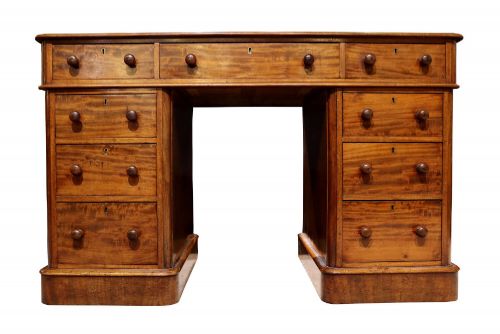


Vintage Maple Co Table
A vintage maple co table brings distinctive period craftsmanship and reliable form into a room.
Vintage Maple Co Table
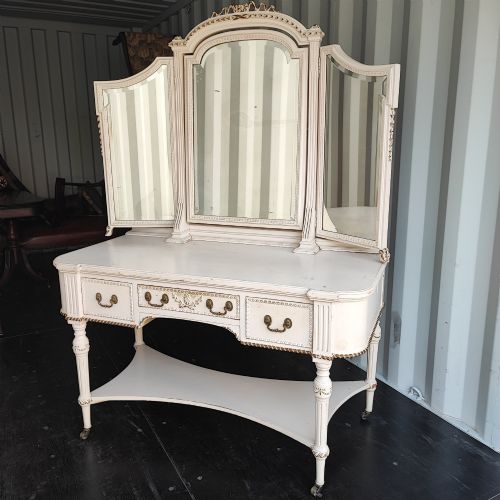
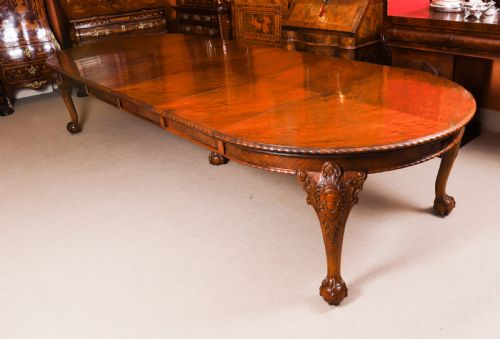
When you search for a vintage maple co table, you encounter practical furniture pieces originating from workshops active across the nineteenth and twentieth centuries. These tables span several forms, including writing desks, dining tables, console tables, side tables, games tables, and dressing tables.
The pieces reflect popular historical revivals and straightforward period designs, drawing upon Edwardian, Victorian, and Queen Anne influences. They serve functional roles in domestic interiors while carrying the maker stamps or recognised traits associated with London cabinet makers.
Materials and construction
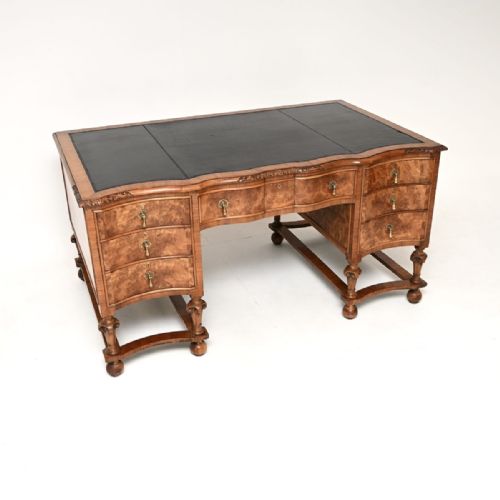
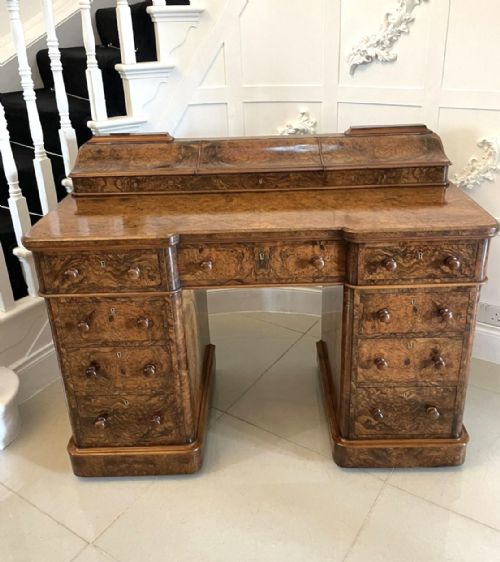
Makers constructed these tables using timbers such as walnut, burr walnut, mahogany, satinwood, and oak, often incorporating brass hardware and leather inserts. Cabinet makers utilised figured veneers, particularly burr walnut, to create decorative surface patterns on tabletops and writing surfaces.
Structural elements relied on solid timber framing, dovetailed drawers, and turned or carved supports appropriate to the period style. Selected pieces feature inlaid stringing, carved details, or applied mouldings that highlight the technical skill of the workshop.
Materials recorded in current inventory include oak, mahogany, walnut, burr walnut, satinwood, brass, glass, and leather.
Assessing quality and execution
Quality in these tables depends on the selection of timber veneers, the precision of cabinet joinery, and the retention of original surface finishes. Finer examples display carefully matched burr walnut figures and robust internal construction that endures through daily use.
Detailing such as hand-tooled leather inserts, original brass fittings, and crisp carved ornamentation distinguish standard production items from workshop pieces executed with greater attention to decorative refinement.
Maple and Co·Maples of London
The Vintage Maple Co Table Glossary
- Burr walnut
- A prized timber veneer taken from the growth excrescences of walnut trees, known for swirling, knotty patterns. It was frequently applied to the surfaces of high-end desks and tables.
- Pedestal desk
- A heavy freestanding desk featuring two supporting banks of drawers beneath the writing surface. These forms often incorporate inset leather writing panels.
- Sutherland table
- A narrow drop-leaf table with hinged flaps supported by pivoting legs, designed to fold flat when not in use. They appeared frequently in Edwardian drawing rooms.
- Stringing
- A narrow line of contrasting inlay wood used to decorate table edges, drawer fronts, and tabletops. It defines geometric panels and highlights cabinetwork contours.
Vintage Maple Co Table: Frequently Asked Questions
How do I identify a piece by this maker?
Many items feature stamped maker marks, paper labels, or brass plaques bearing the name of the firm or its London and Paris branches. Stylistic consistency in the cabinetwork and hardware also helps attribution.
Examination of the secondary timbers, drawer construction, and brass lock plates provides additional context for confirming the origin of the piece.
What rooms suit these tables best?
Writing and pedestal tables function effectively in home offices or libraries as operational desks. Console and side tables fit naturally into hallways or reception spaces.
Dining and games tables adapt well to living and dining areas, providing functional surfaces that integrate with traditional and mixed interiors.
How should I care for the timber surface?
Maintain the polished wood by dusting with a soft, dry cloth and avoiding excessive moisture or direct heat sources. Periodic application of appropriate wax polish preserves the sheen of the walnut or mahogany.
Protect leather writing surfaces from sharp objects and direct sunlight to prevent fading and cracking of the material.
Are these tables suitable for daily use?
Solid construction and durable hardwoods make these pieces robust enough for everyday functional requirements. Desks and dining tables are built to withstand regular contact.
Gentle handling of older drawers and hinges ensures the longevity of original mechanisms and decorative veneers.