


Classical Table Light
A classical table light brings order and proportion to a room, drawing on the restrained dignity of past centuries.
Classical Table Light
A classical table light is a domestic fitting designed to illuminate a surface while referencing historical architectural forms. Buyers searching for this phrase encounter items primarily originating from the nineteenth century, the Victorian era, and the Edwardian period.
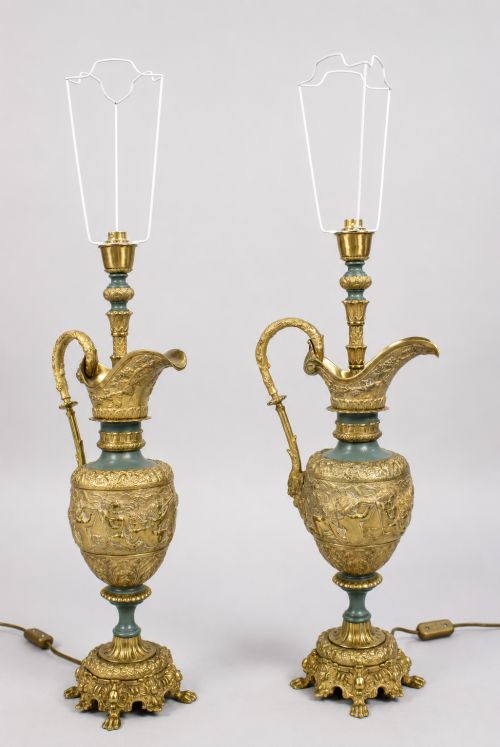
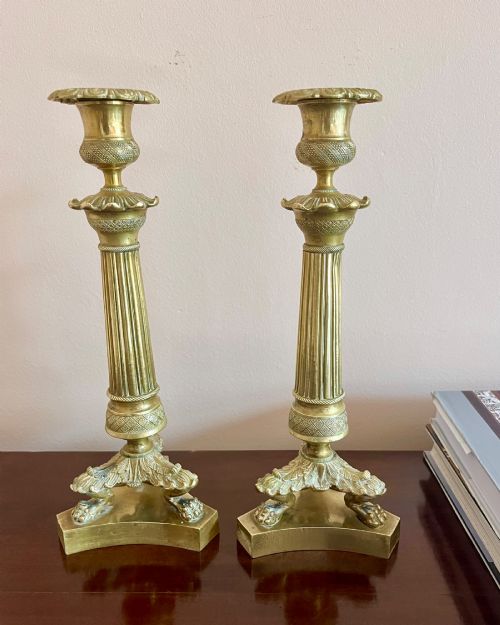
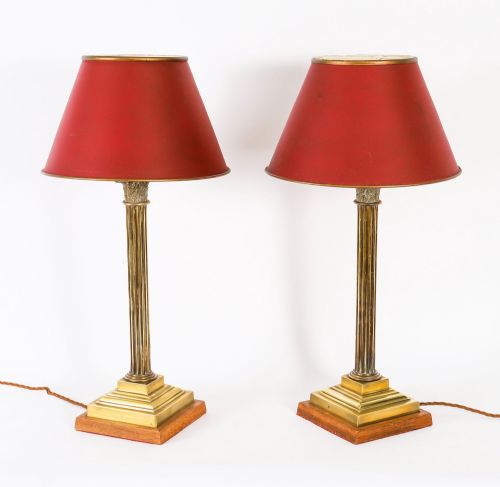
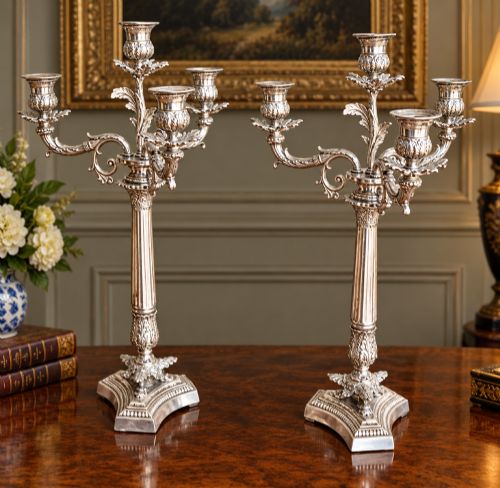
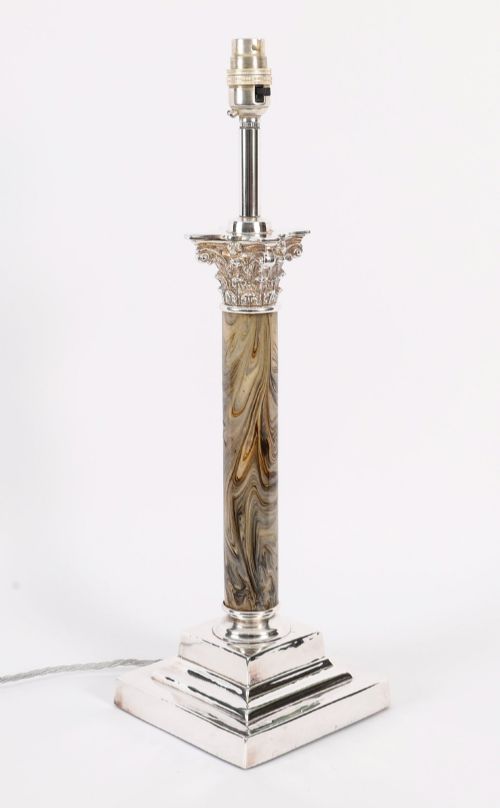
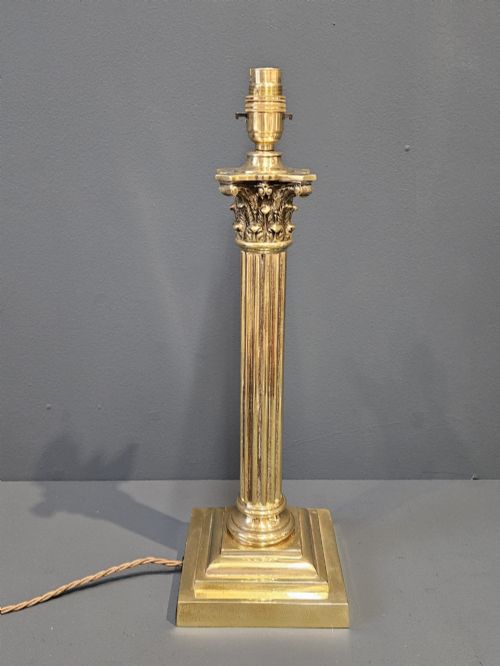
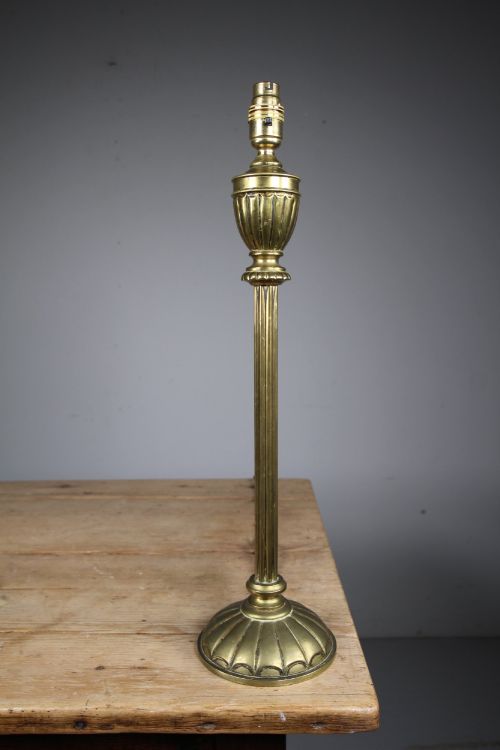
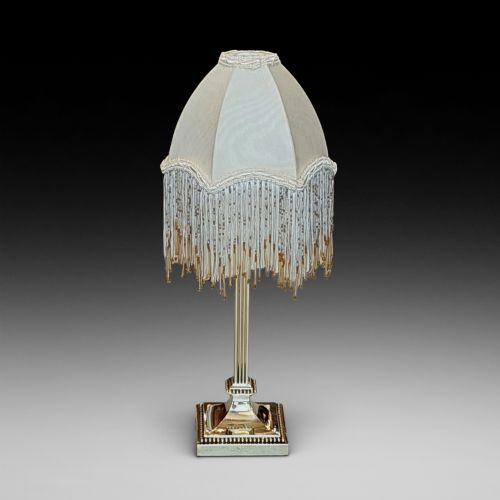
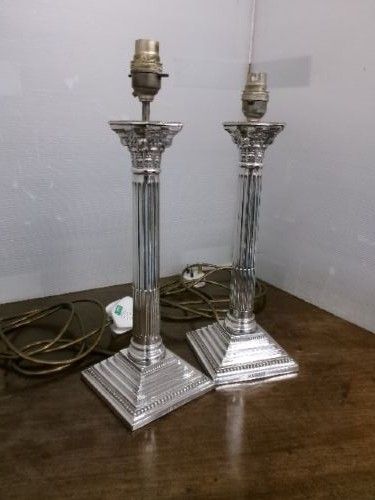
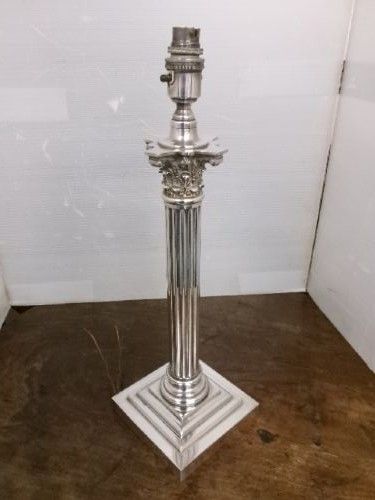
The selections on this page span table lamps, converted oil lamps, candlesticks, and multi-armed candelabra. Many examples utilise traditional columnar supports such as the Corinthian order, alongside classical revival and neoclassical styles.
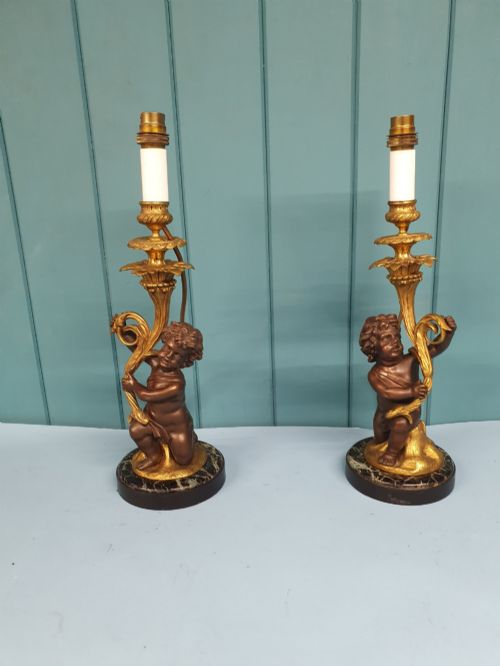
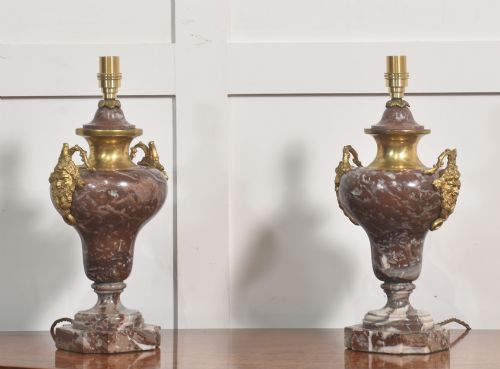
Origins vary between English workshops and continental European makers, notably French studios producing gilt bronze and marble pieces. Forms frequently adapt earlier lighting mechanisms or candleholders into electrified table lamps for modern interiors.
How they were made
Metalworking dominates these pieces, with cast and chased brass, ormolu, gilt bronze, and silver plate forming the structural core of columns and bases. Foundries employed skilled casting techniques to achieve crisp fluting, acanthus leaf capitals, and classical ornamentation.
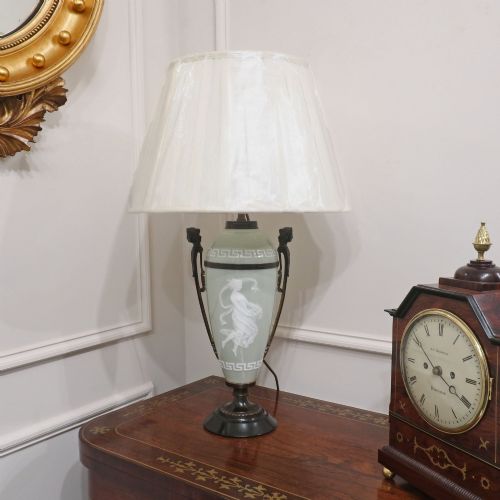
Natural stones such as white marble, rouge marble, and onyx provide substantial weight and contrasting colour to metal components. Wood varieties including mahogany and carved giltwood also appear, alongside delicate porcelain elements decorated with pate sur pate.
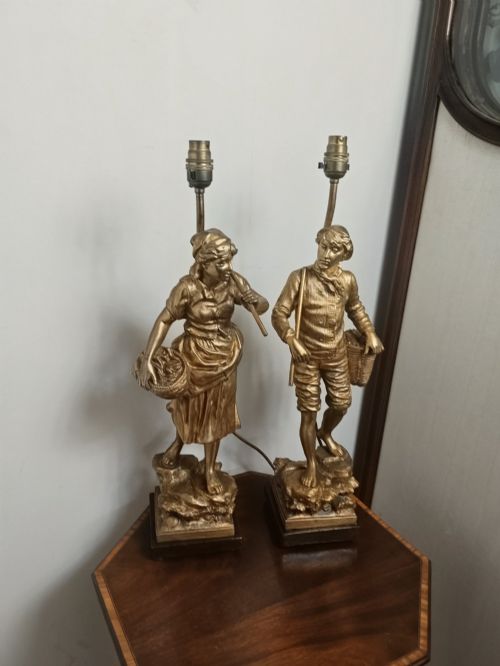
Several items incorporate figures of cherubs or rams' heads into their classical bronze and marble designs.
What varies in quality
Quality rests in the crispness of the casting and the depth of the chasing on metal surfaces. Finer examples retain sharp architectural details on column capitals and precise definition in figural mounts.
The selection of materials creates a distinct tier between standard production and exceptional decorative works. Solid bronze, heavy silver plating, and genuine coloured marbles distinguish superior pieces from simpler brass or wooden adaptations.
E Rousseau·G Amodio Naples·Pierre Philippe Thomire·L & F Moreau·Hawksworth Eyre
The Classical Table Light Glossary
- Ormolu
- Gilt bronze produced by applying a finely ground mercury and gold amalgam to a bronze object, then firing it to drive off the mercury. This technique creates a rich, durable golden surface seen on French neoclassical lighting.
- Corinthian column
- An architectural support order characterised by ornate capitals decorated with stylized acanthus leaves. It appears frequently on metal table lamps from the Victorian period onwards.
- Pate sur pate
- A ceramic decorating technique where liquid clay is applied layer by layer to a contrasting background to create a low relief cameo effect. Pieces utilising this method display subtle translucent detail.
- Grand Tour
- A traditional journey through Europe undertaken by upper-class young men to absorb classical art and culture. It generated a demand for bronze reductions of ancient sculptures adapted into lighting and decorative objects.
- Candelabra
- A branched lighting fixture designed to hold multiple candles or bulbs. Many surviving examples from the nineteenth century have been converted to electricity.
Classical Table Light: Frequently Asked Questions
What is a classical table light?
A classical table light is a decorative illumination piece styled after ancient Greek, Roman, or Renaissance architecture and ornamentation. These objects translate historical motifs like columns and urns into functional domestic lighting.
Most examples found here date from the nineteenth and early twentieth centuries, encompassing both original candleholders converted for electricity and lamps manufactured during revival periods.
How do I identify a Victorian table lamp?
Victorian lamps often feature heavy brass reeded columns, Corinthian capitals, or silver-plated metalwork reflecting the revival styles popular during the nineteenth century. Makers frequently employed substantial marble bases or elaborate cast bronze mounts.
Examining the construction methods, patination on the metal, and any maker stamps helps determine the precise period of manufacture within the broader Victorian era.
Were these always electric lamps?
Many nineteenth-century pieces began life as oil lamps, candlesticks, or candelabra before being converted to accept electrical wiring at a later date. Conversion was a common practice to keep decorative antique metalwork useful in modern homes.
Original oil reservoirs and burner mechanisms are often retained on higher quality pieces, while candelabra arms are sometimes fitted with bulb holders.
Where were these pieces made?
The pieces originate primarily from British and French workshops, reflecting the dominant manufacturing centres of the nineteenth and early Edwardian centuries. French items frequently utilise gilt bronze, ormolu, and fine marble.
British production often favoured sturdy brass Corinthian columns and silver-plated finishes suited to formal interior decoration of the period.
How do I care for antique brass and bronze?
Maintain metal surfaces by dusting gently with a soft, dry cloth to prevent the accumulation of dirt. Avoid harsh chemical cleaners or abrasive polishes that can strip the historic patina.
Preserving the natural oxidation protects the surface and maintains the visual character developed over more than a century of existence.