


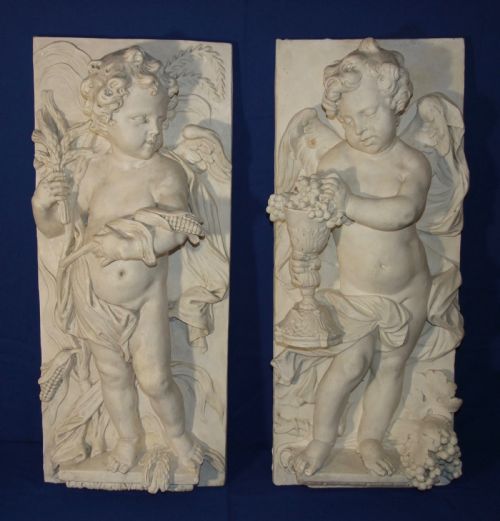

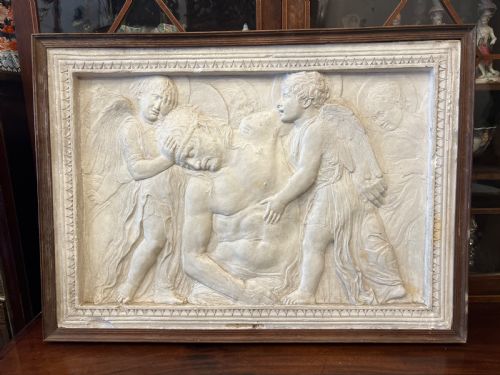
Classical Relief Plaster Casts
Classical relief plaster casts capture the enduring majesty of antiquity through miniature sculptural detail.
Classical Relief Plaster Casts
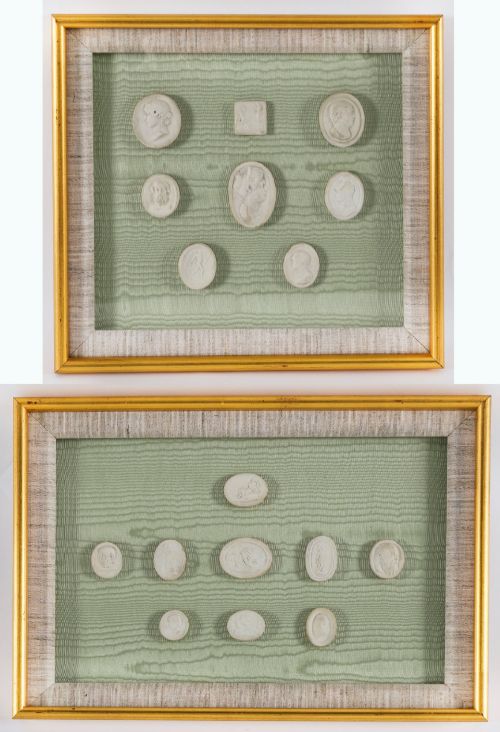
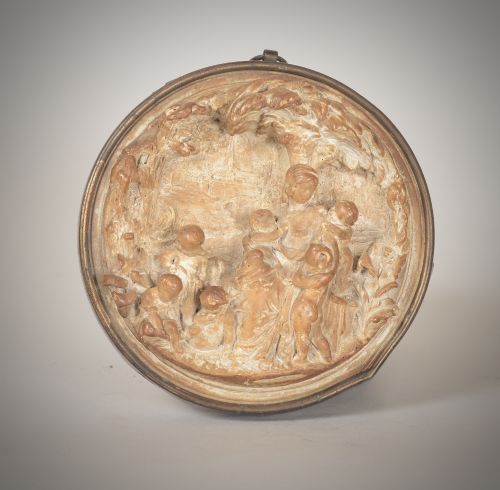
Classical relief plaster casts bring the sculptural achievements of antiquity and the Renaissance into domestic interiors through detailed reproductions. When searching for classical relief plaster casts, buyers encounter framed wall art, wall plaques, and collections of intaglios originating from the eighteenth and nineteenth centuries. These pieces translate famous sculptures and ancient monuments into manageable wall art for study and display.
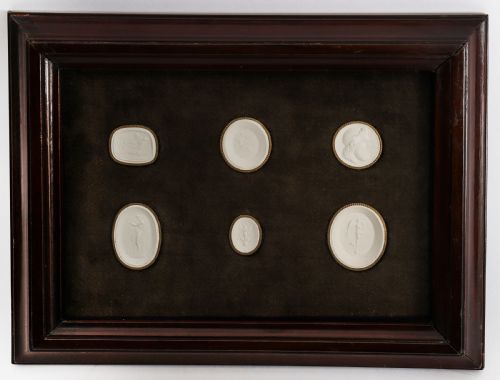
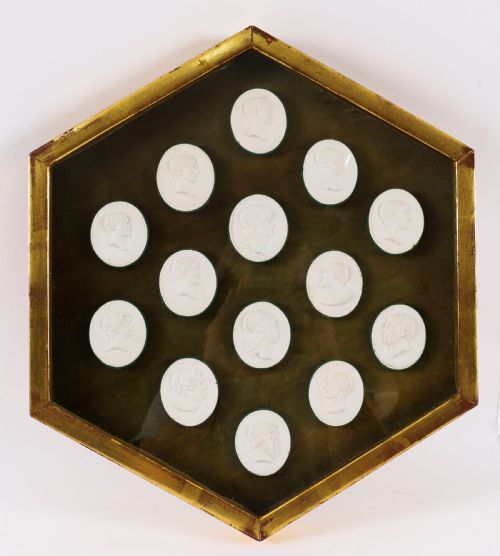
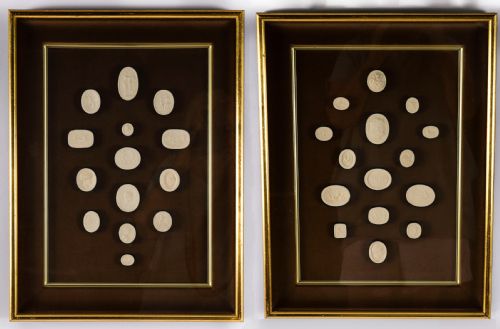
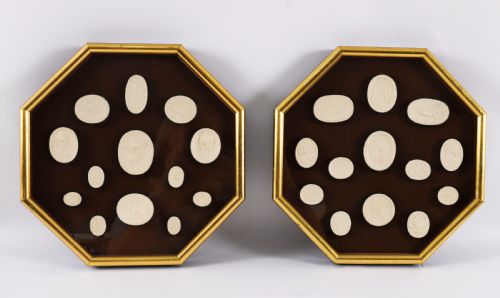
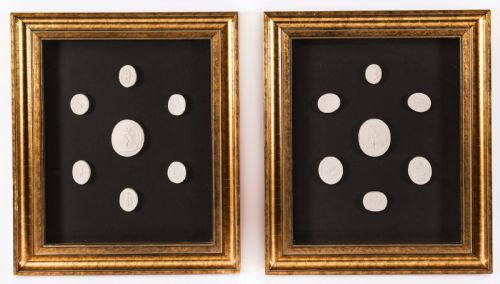
The most common formats on this page are grand tour plaster intaglios and relief sculptures arranged in wooden frames. Items span the Victorian and Edwardian periods alongside earlier eighteenth-century examples, often presented behind glass against velvet or fabric backgrounds. Buyers find both individual plaques and large structured sets containing numerous medallions.
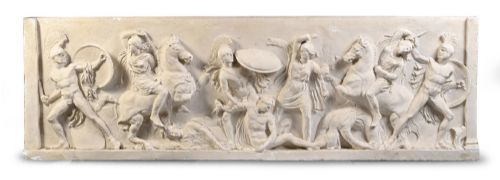
Originating largely from European workshops and studios, these works reflect Neoclassical and Renaissance Revival aesthetic interests. Subjects range from mythological scenes such as the Amazonomachy and winged cherubs to historical figures and religious compositions after masters like Donatello. Each piece serves as a tactile record of historic artistic heritage.
How they were made
Makers produced these works using plaster, sometimes incorporating marble dust for added durability and a stone-like texture. Liquid or paste plaster was poured into moulds taken from original antiquities, gems, or carved reliefs. Once set, the casts received careful surface finishing by hand to highlight the intricate carved details.
Workshops housed the finished plaster casts within protective enclosures made of wood, giltwood, or gilt wood. Makers lined the interior frames with velvet, fabric, or paper backgrounds to contrast with the bright white or toned plaster. Gold leaf accents frequently adorned the frames, enhancing the presentation of the enclosed artworks.
Listings feature works spanning the eighteenth, nineteenth, and early twentieth centuries, utilising plaster, marble dust, and giltwood.
What varies in quality
The precision of the mould casting determines how sharply the fine lines, facial expressions, and classical drapery render on the plaster surface. Superior examples preserve the minute detail of the original carved gems or monumental sculptures without blurring or softening at the edges. Studio skill in catching the relief depth separates ordinary decorative copies from works of genuine archival significance.
The quality of the framing and mounting materials contributes substantially to the overall character of the piece. Master workshops utilised gilded wood, fitted glass, and rich fabric linings that have aged gracefully over centuries. Superior preservation of the internal arrangement and the secure housing of multiple medallions elevate the status of a collection.
Giovanni Liberotti·Pietro Bracci
The Classical Relief Plaster Casts Glossary
- Intaglio
- A design carved into the material so that the impression rises as a negative relief, though the term often describes small relief medallions in this context. These miniature casts were collected during European travels.
- Grand tour
- A traditional trip of Europe undertaken by upper-class young European men of sufficient means in the eighteenth and nineteenth centuries. Travellers collected plaster casts and intaglios as souvenirs of classical art.
- Neoclassical
- A Western cultural movement in the decorative arts beginning in the mid-eighteenth century that drew inspiration from the art and culture of classical antiquity. This style heavily influences the subject matter of these plaster reliefs.
- Relief sculpture
- A sculptural technique where the sculpted elements remain attached to a solid background of the same material. The depth of the projection defines whether the work is low relief or high relief.
- Giltwood
- Wood that has been treated with a thin layer of gold leaf or gold paint for decoration. It frames many of the fine classical wall plaques.
Classical Relief Plaster Casts: Frequently Asked Questions
How should I hang framed wall plaques?
Framed plaster wall plaques require secure picture hooks suited to the weight of the wooden frame and glass protection.
Position them away from direct sunlight and excessive moisture to protect the delicate plaster surface and fabric backings over time.
How do I identify nineteenth-century pieces?
Nineteenth-century pieces often feature specific framing styles, old handmade wooden joins, and darkened giltwood finishes typical of the Victorian and Edwardian eras.
Examination of the backboards, fixings, and paper labels can also reveal historical studio origins.
What is the difference between intaglios and friezes?
Intaglios are small, intimate medallion casts designed to be viewed closely in collections, whereas friezes are larger architectural relief panels meant for wall display.
Friezes typically depict narrative scenes with multiple figures, while intaglios focus on individual portraits or concise mythological episodes.