
Classical Portrait Engraving
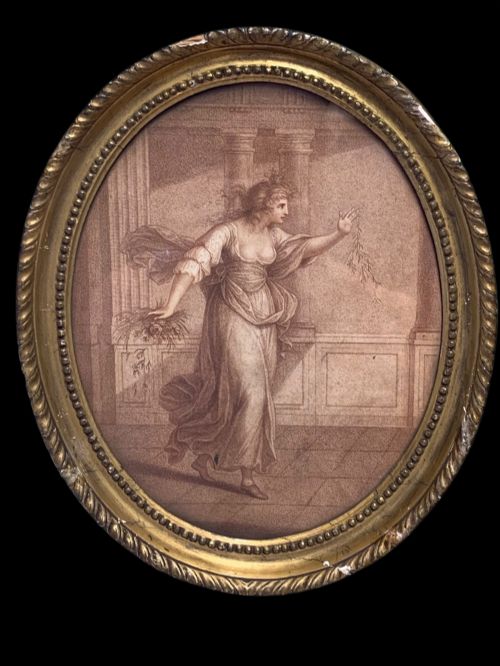
Classical portrait engraving brings nobility to a room through ink on paper, showing historical figures and nobility framed for study.
Classical Portrait Engraving
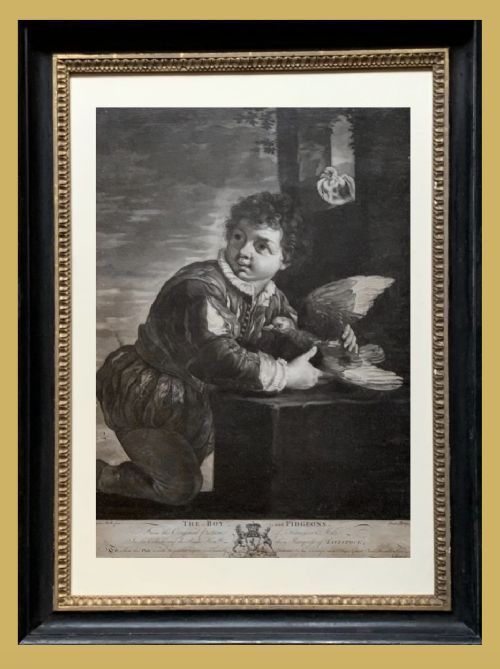
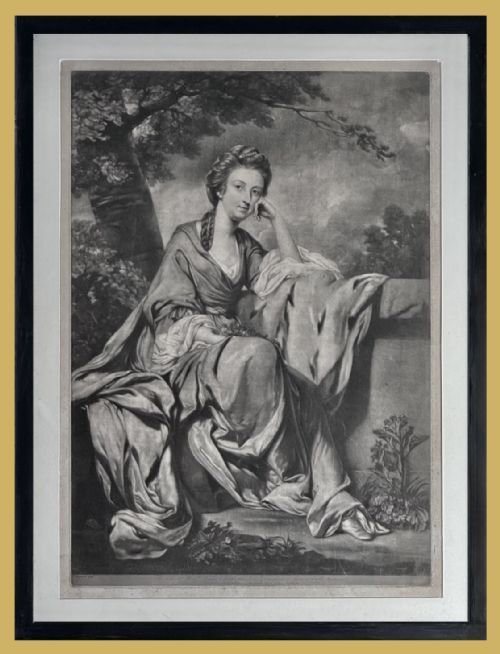
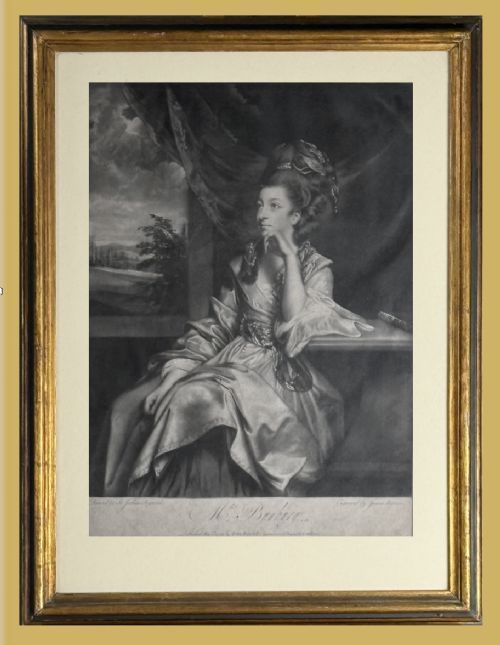
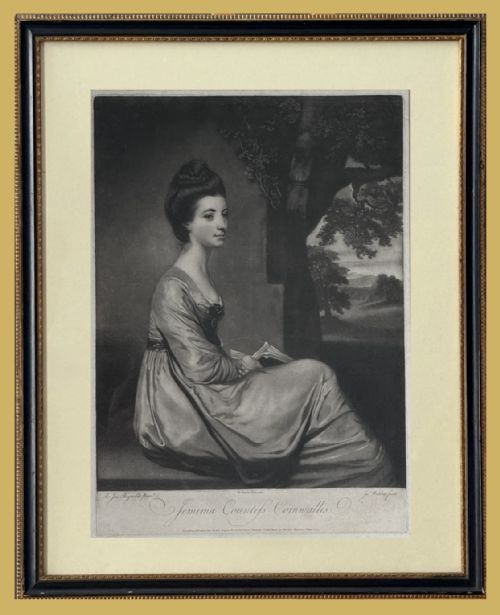
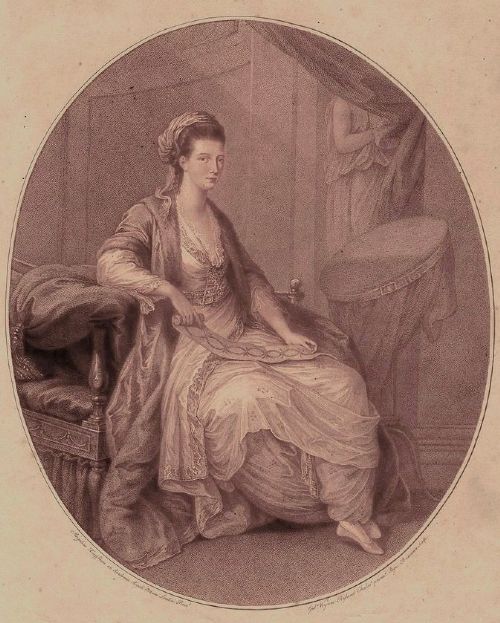
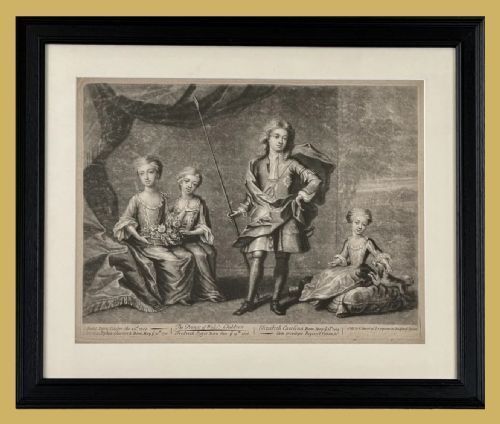
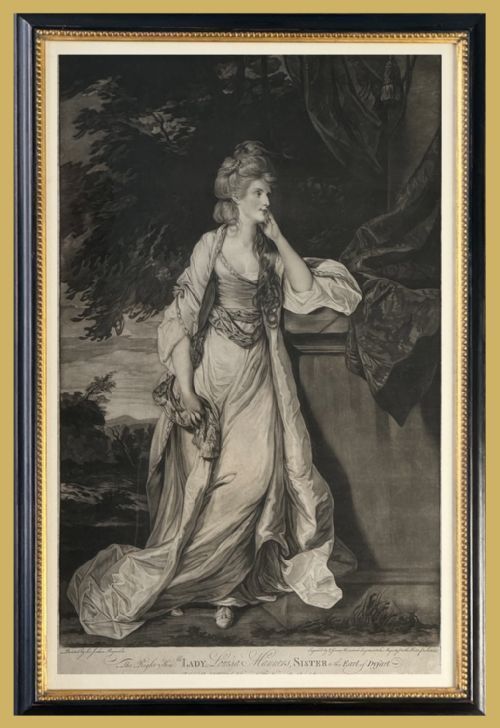
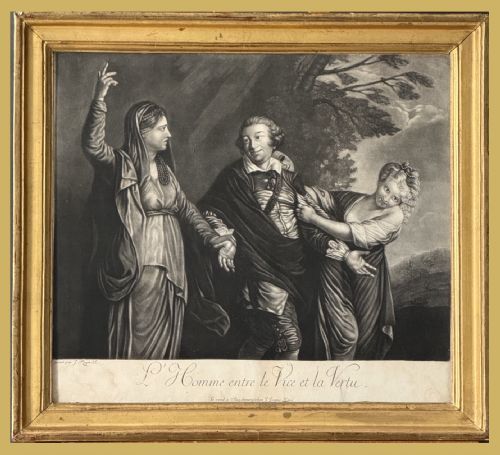
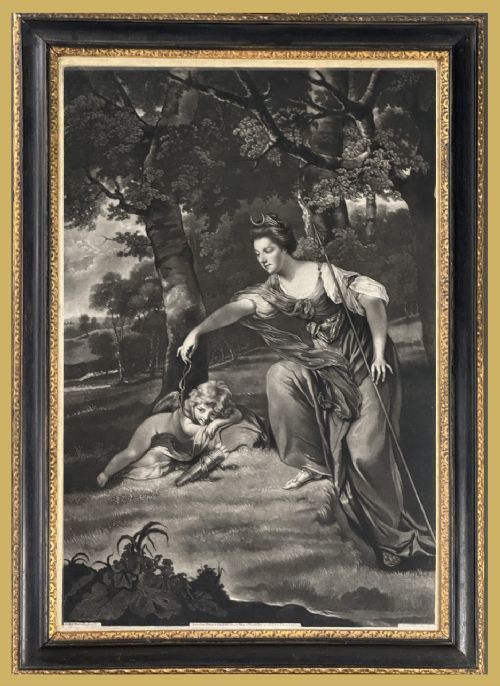
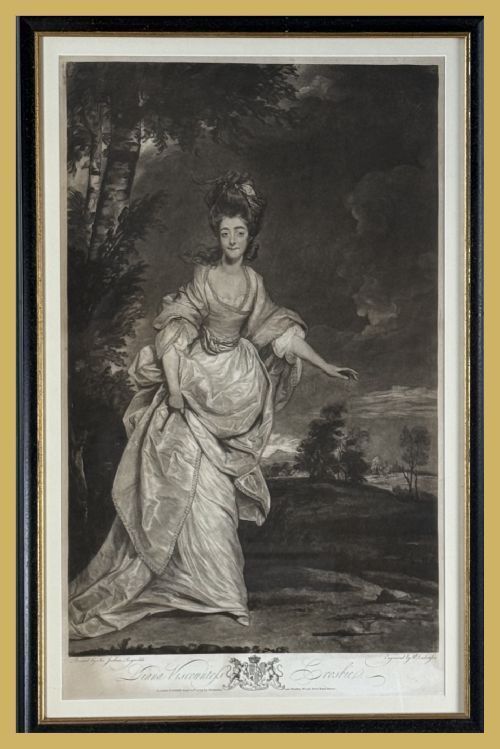
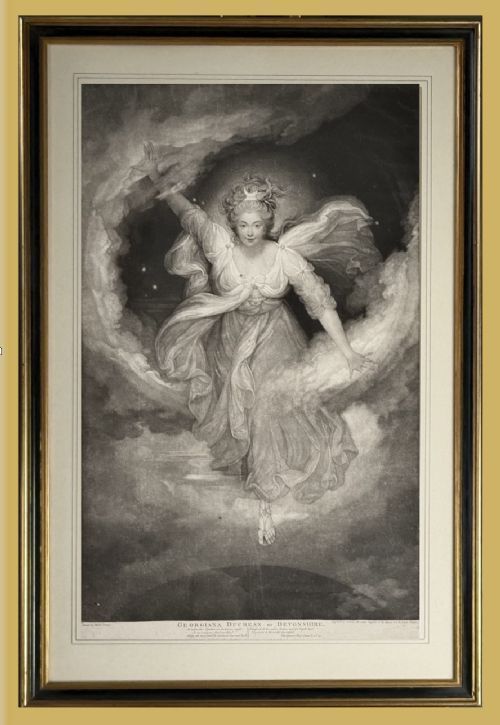
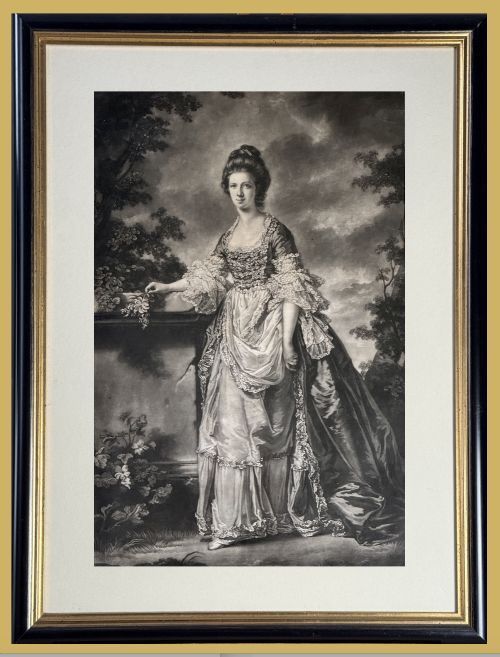
A classical portrait engraving captures likenesses of historical figures, nobility, and actors through ink on paper, drawing upon Georgian, Victorian, and neoclassical aesthetics. These framed works preserve likenesses derived from painted originals by artists such as Sir Joshua Reynolds, executed across the eighteenth and nineteenth centuries.
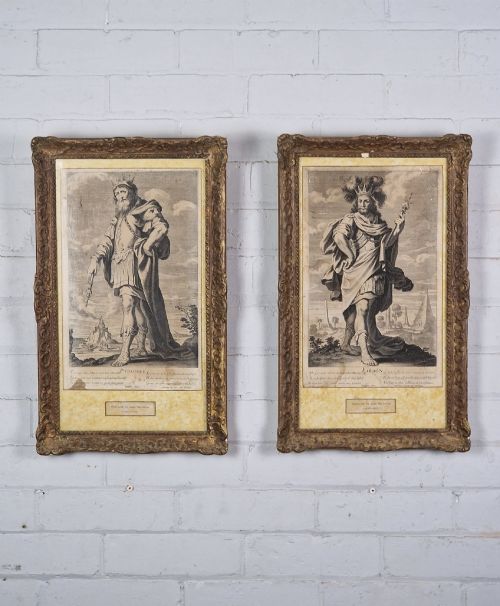
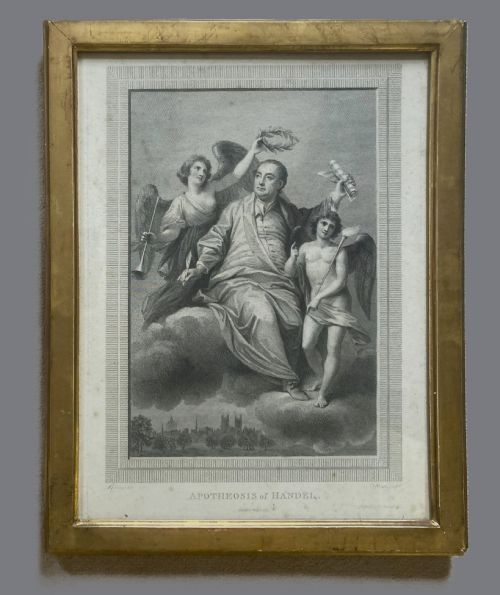
The buyer encounters mezzotints, stipple engravings, and line engravings housed within wood and gilt wood frames, often accompanied by gold leaf accents. Alongside framed prints, the category includes related items like intaglio rings and carved cameo brooches depicting figures from antiquity.
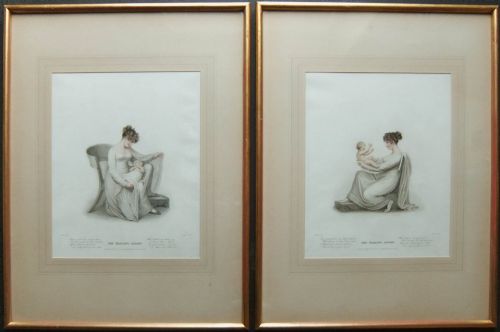
The eighteenth century dominates the selection, frequently presenting works by engravers who translated grand painted portraits into accessible printed media. Pieces range from single portrait sheets to paired compositions depicting children and mythological subjects.
Materials and production techniques
Makers utilised copper plates for mezzotint and line engraving, working the surface with rockers and gravers to hold ink before pressing the design onto paper. Ink transfer relied on strong pressure to capture the subtle tonal gradations characteristic of eighteenth-century portraiture.
Framing materials combined wood, gilt wood, and gold leaf to house the paper sheets, protecting fragile prints behind glass. Intaglio rings and cameo brooches similarly employed hardstone, agate, and yellow gold, carving the portrait directly into the mineral substrate.
Classical Portrait Engraving Retail Price Guide 2026
Typical asking prices for classical portrait engraving among the pieces listed under this phrase on Sellingantiques today, from the lower quarter to the upper quarter. They describe what is for sale here now, not the wider market.
The selection includes portrait subjects ranging from literary figures and political leaders to actresses and classical deities.
Distinctions in quality
Frame construction and material selection also distinguish pieces, with period gilt wood and gold leaf surrounds providing appropriate historical context. The skill of the engraver in translating painted shadows and expressions into monochrome ink defines the artistic merit of each work.
John Boydell·Edward Fisher·James Watson·Valentine Green·Robert Sayer
The Classical Portrait Engraving Glossary
- Mezzotint
- A printmaking method where the copper plate is roughened uniformly and scraped to create gradations of light and shade. This technique allows for rich, velvety dark areas and subtle tonal transitions.
- Stipple engraving
- A method of producing images using dots of varying density and size rather than continuous lines. It was frequently employed to render soft flesh tones in portraiture.
- Intaglio
- A design carved into the surface of a hardstone, gem, or metal ring so that the impression creates a raised image. Agate and hardstone served as common substrates for classical motifs.
- Neoclassical
- An artistic style drawing inspiration from the art and culture of classical antiquity. It appears frequently in eighteenth and nineteenth-century portraits and decorative objects.
- Gilt wood
- Wood that has been treated with a thin layer of gold leaf or powder. It formed the primary material for framing fine prints during the Georgian and Victorian periods.
Classical Portrait Engraving: Frequently Asked Questions
How do I hang a classical portrait engraving?
These framed prints require stable wall space away from direct sunlight to protect the paper and ink from fading over time. Standard picture hooks supporting the weight of the wood and gilt frame suffice for installation.
Grouping pairs or matching periods together creates a balanced display reminiscent of period interiors. Ensure the hanging height places the portrait at eye level for optimal viewing.
What is a mezzotint portrait?
A mezzotint is an intaglio printmaking process where the engraver works from dark to light by roughening the copper plate. This allows the finished print to display rich tones and smooth transitions.
Such prints gained popularity for reproducing grand painted portraits during the eighteenth century. They offer a painterly quality absent in standard line engravings.
How do I care for antique paper prints?
Keep framed prints behind glass in rooms with stable humidity to prevent mould growth and paper degradation. Avoid exposure to damp environments and extreme temperature fluctuations.
Dust wooden and gilt frames gently with a dry cloth without applying liquid cleaners directly to the surface. Professional framing using acid-free materials ensures long-term preservation.