





Classical Plaster Statue
A classical plaster statue brings sculptural dignity to a room, offering rendered portraits of ancient figures and literary heroes.
Classical Plaster Statue
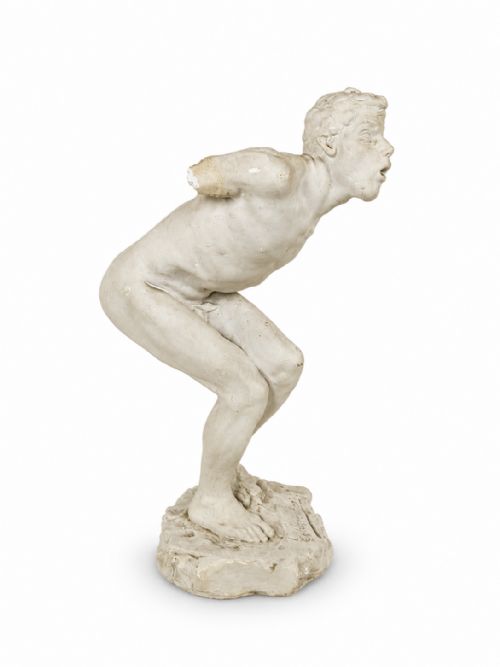
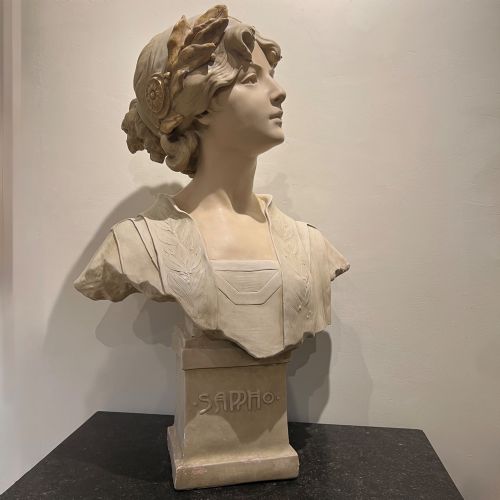
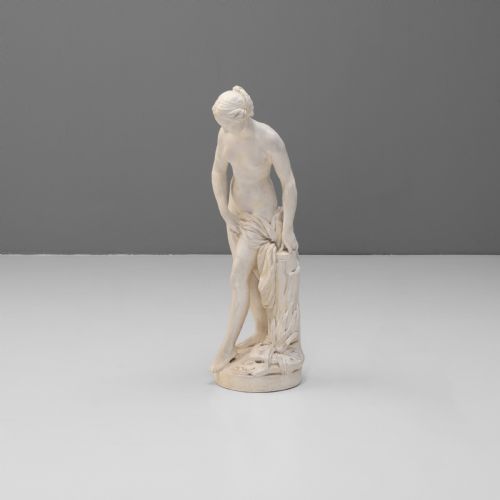
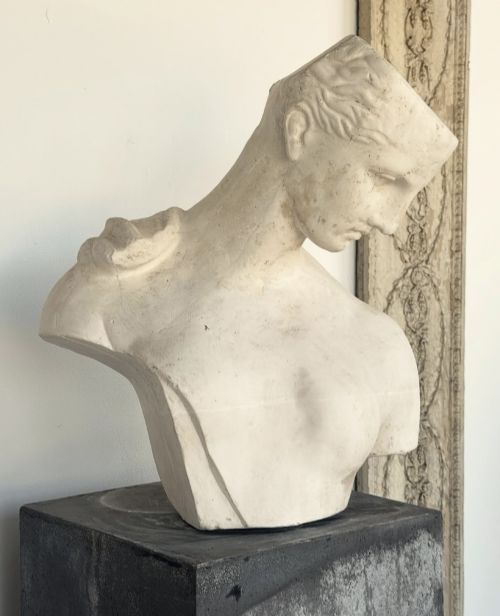
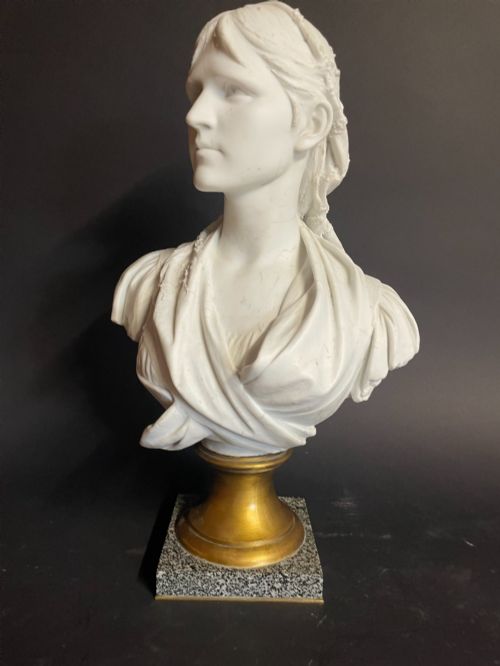
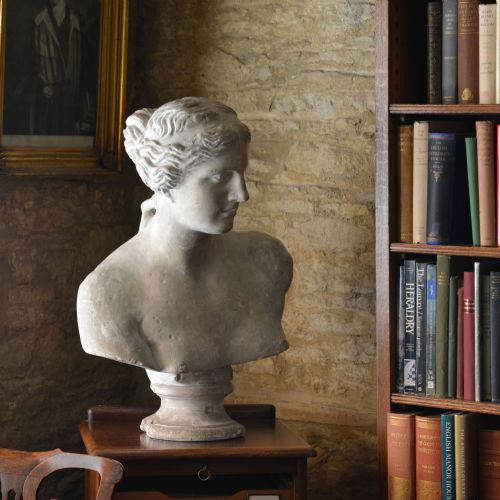
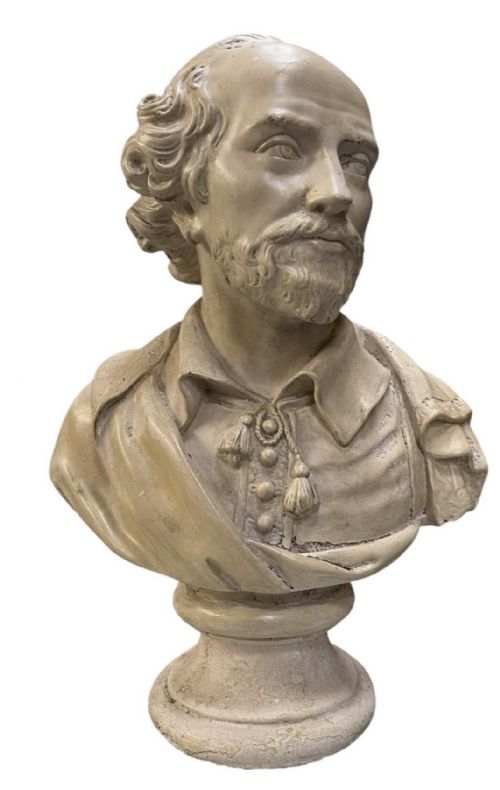
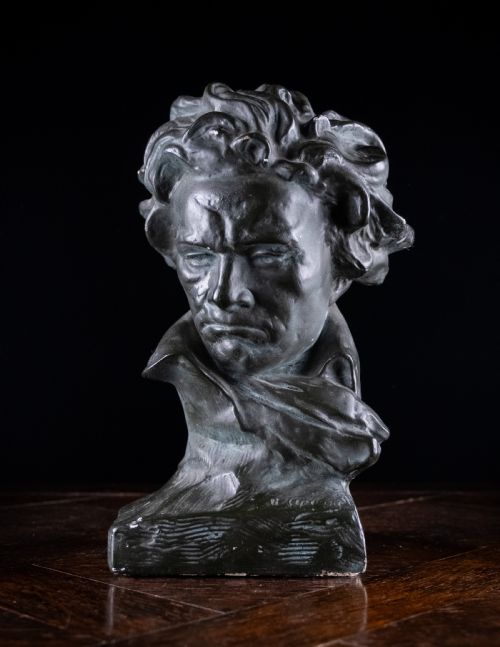
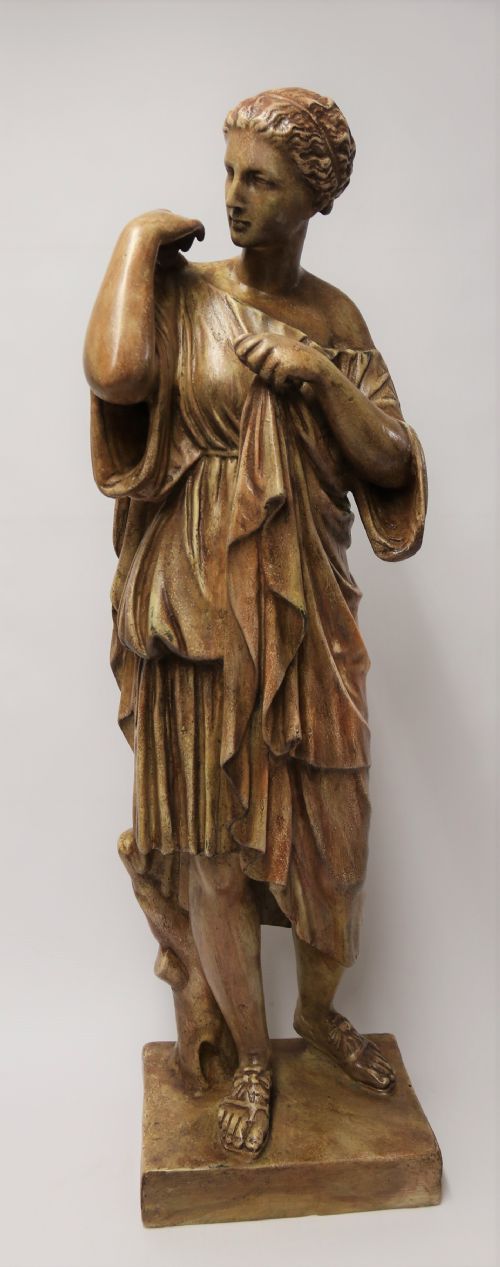
A classical plaster statue or bust captures historical figures, literary icons, and mythological subjects in solid form. Pieces on this page stem from the nineteenth century, the Edwardian era, and early twentieth-century decades like 1900, 1920, and 1930.
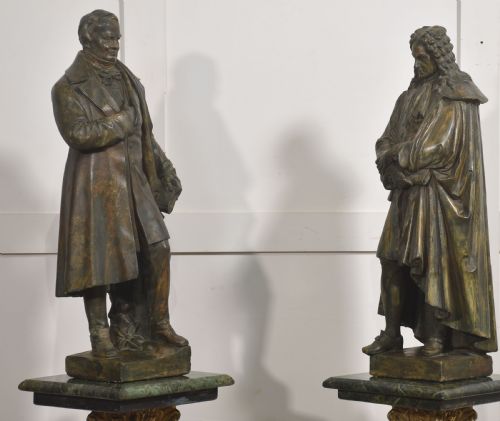
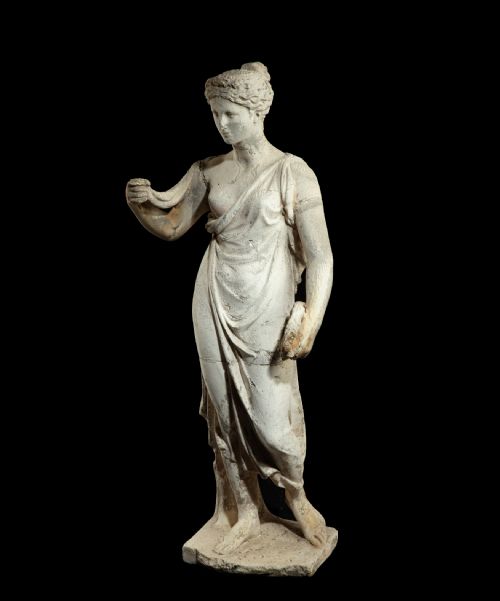
The assortment includes library busts of emperors and poets, pairs of figures, and larger statues depicting mythological characters. Subjects range from Beethoven and Shakespeare to Napoleon and classical deities.
Makers and designers referenced in the listings span Hopper, Raffaelo Monti, Dopmeier, Humphrey Hopper, Antonio Rossellino, Octave Galliard-Sansonetti, and B. Rezl. These works arrive in various styles, including neoclassical, classical revival, Victorian, and art deco.
Materials and construction
Makers utilised gypsum, plaster, and chalk, frequently applying surface paint or patination to emulate bronze, marble, or terracotta. Certain objects incorporate supplementary materials like brass, marble, and granite for structural support or mounting brackets.
Techniques relied on casting from moulds taken of original sculptures or clay models, allowing workshops to reproduce intricate details of hair, drapery, and facial expression. Surface finishes were hand-finished with washes of paint or patination to accentuate relief and depth.
Classical Plaster Statue Retail Price Guide 2026
Typical asking prices for classical plaster statue among the pieces listed under this phrase on Sellingantiques today, from the lower quarter to the upper quarter. They describe what is for sale here now, not the wider market.
Romans and Greeks now share shelf space with Beethoven and Napoleon, keeping silent watch over modern rooms.
Distinctions in quality
The integrity of the material and the sophistication of the mounting also differentiate examples, with heavier gypsum cores and integrated brackets demonstrating superior craftsmanship.
Raffaelo Monti·Dopmeier·Humphrey Hopper·Antonio Rossellino·Octave Galliard-Sansonetti·B. Rezl
The Classical Plaster Statue Glossary
- Stucco
- A fine plaster mixture used for decorative figures and architectural detailing. It is applied wet to set into a hard, durable finish.
- Torchere
- A tall ornamental stand or candlestick designed to hold a light or support a sculpture. Examples often feature classical detailing matching the accompanying figure.
- Patinated
- Treated with chemicals or paint to simulate the natural ageing of bronze, copper, or stone. This finish enhances the visual depth of the plaster.
- Caryatid
- A sculpted female figure serving as an architectural support taking the place of a column or pier. They appear frequently in pairs on pedestals.
- Neoclassical
- A style reviving the classical art and architecture of ancient Greece and Rome. It prioritises symmetry, proportion, and restrained ornamentation.
Classical Plaster Statue: Frequently Asked Questions
What are these plaster statues made of?
These pieces are constructed primarily from plaster, gypsum, and chalk, frequently finished with paint or patination to resemble metal or stone.
Some objects incorporate additional elements such as terracotta, brass, marble, and granite.
How were these figures displayed historically?
Library busts and figures were typically displayed on bookshelves, brackets, or dedicated torcheres within domestic interiors.
Larger statues and pairs of caryatids stood on pedestals to anchor grand hallways and antechambers.
How do I care for a plaster statue?
Keep plaster objects in dry environments away from direct moisture, which can soften the material and damage the painted surface.
Dust gently with a soft, dry brush to preserve the delicate patination and details.
How can I tell the period of a bust?
Dating relies on stylistic markers such as nineteenth-century academic realism versus early twentieth-century art deco influences.
Signatures, stamps, and the type of patination also offer clues to the approximate decade of production.