

Classical Overmantel
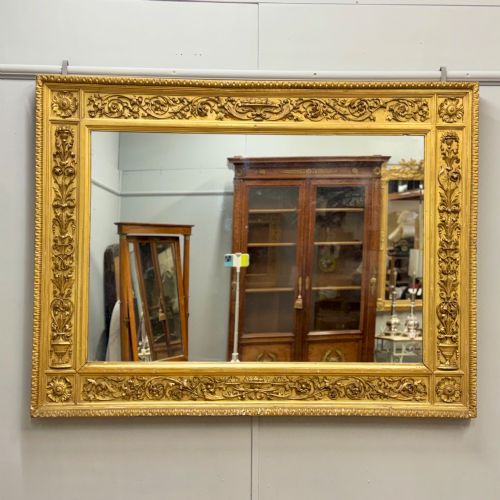
A classical overmantel anchors a room with light and architectural scale, offering the grand presence of nineteenth-century fireplace mirrors.
Classical Overmantel
A classical overmantel sits above a fireplace mantel, serving as a principal focal point for formal rooms. These large mirrors expand visual space and reflect natural light across high ceilings.
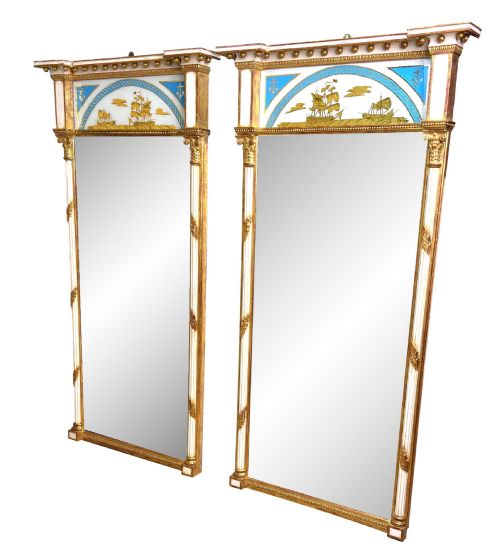
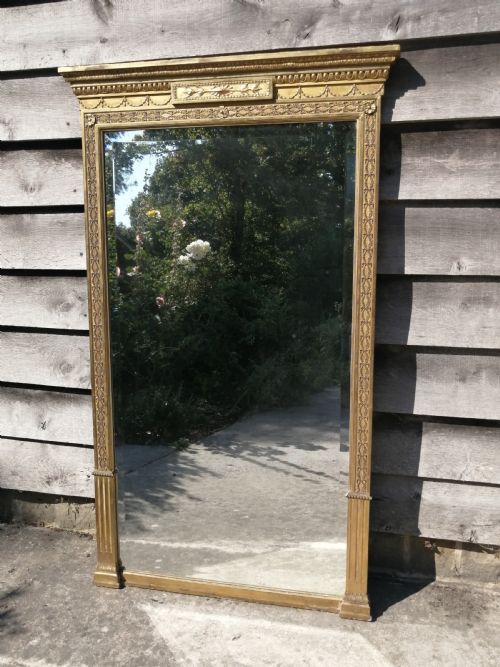
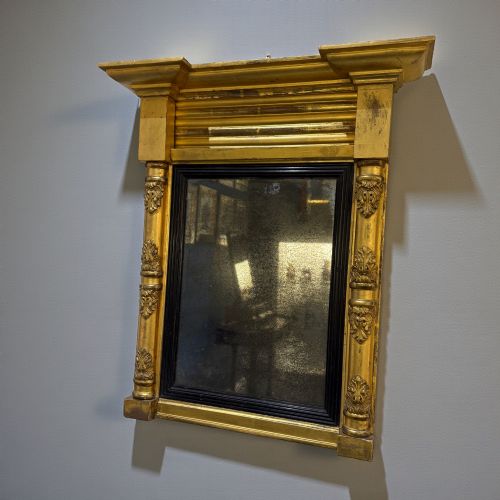
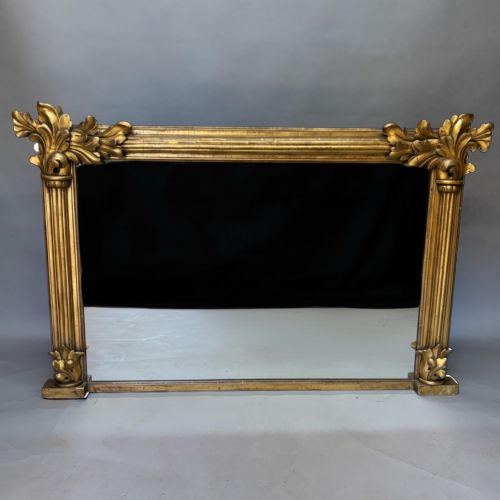
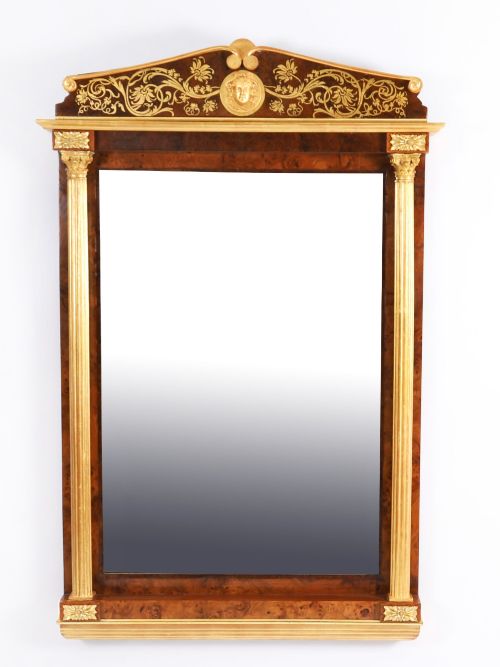
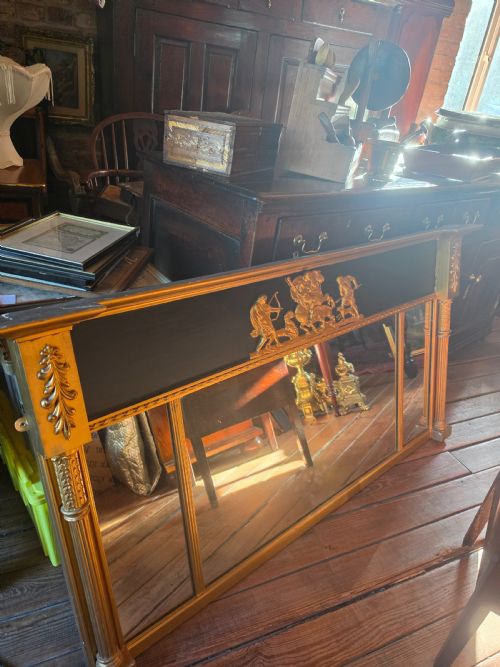
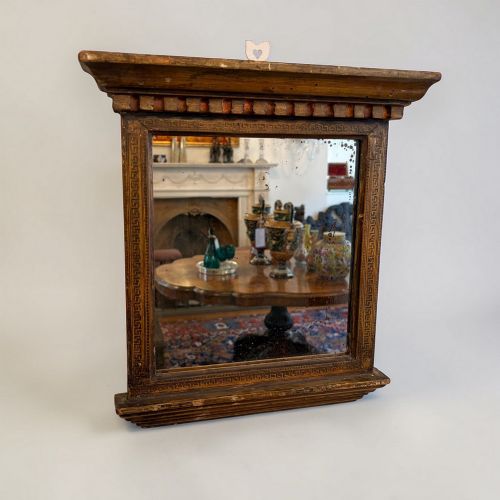
The pieces on this page appear primarily in nineteenth-century interpretations, spanning Regency, Victorian, and Georgian eras. Forms range from triple-plate overmantels to tall pier mirrors and grand trumeau designs.
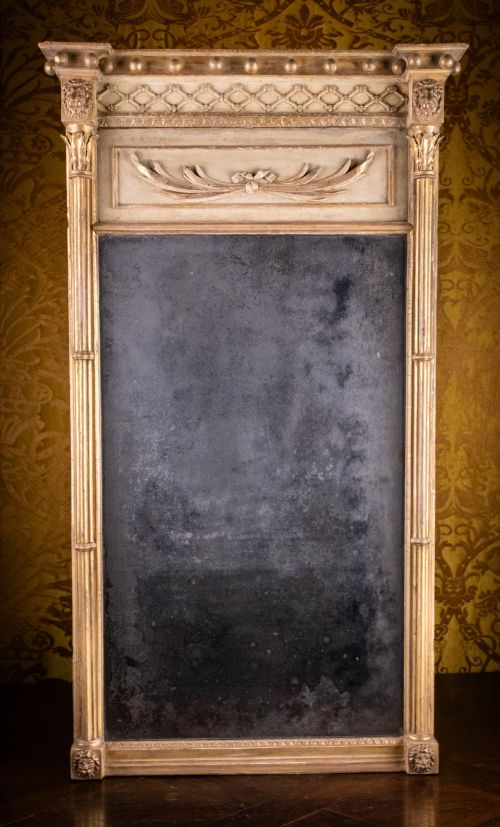
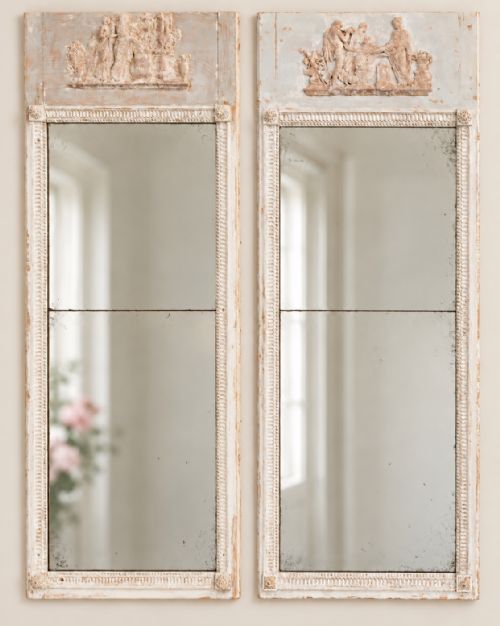
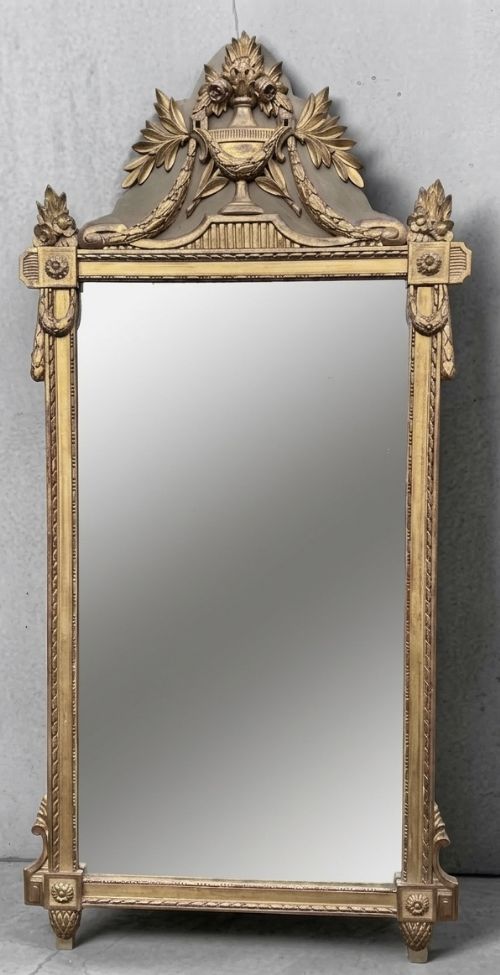
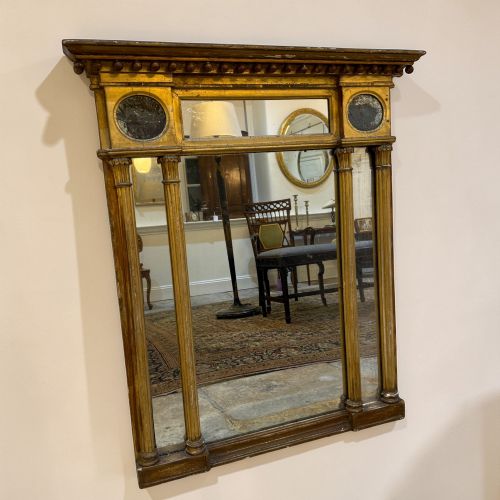
Makers drew on Neoclassical, Louis XVI, and Adam Revival idioms, incorporating architectural motifs like columns, pilasters, and carved crests into the wooden frames.
How they were made
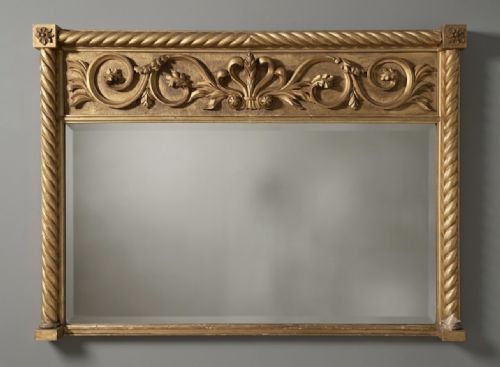
Carved wood and gesso form the structural base for the most ornate frames, allowing artisans to shape intricate floral, mythological, and lion mask details. Gold leaf or gilt paint then covers the gesso to create a brilliant metallic sheen.
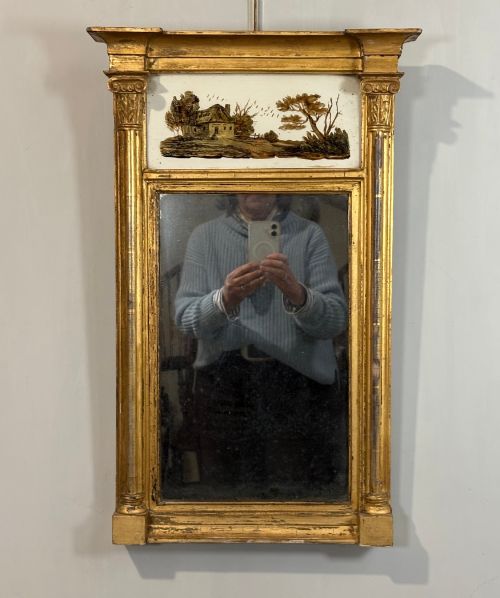
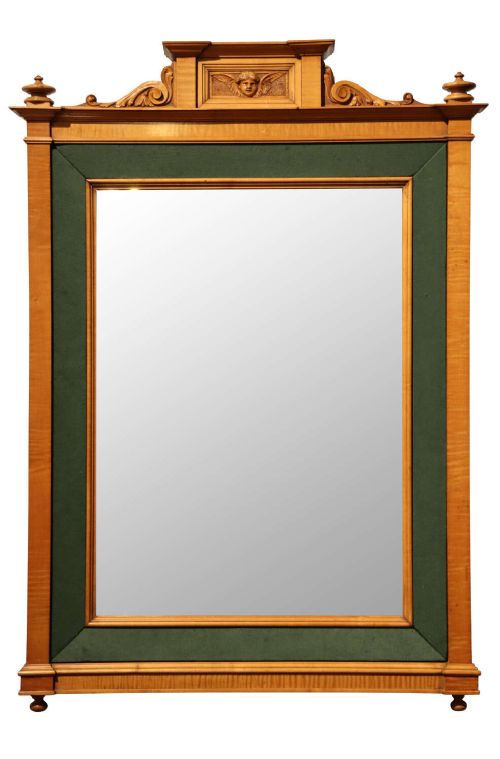
Alternative frames utilise timbers such as burr walnut, mahogany, rosewood, and satinwood, sometimes combined with parcel gilding or painted surfaces. Mirror glass plates, occasionally divided into multiple panels or accompanied by verre églomisé panels, complete the construction.
Classical Overmantel Retail Price Guide 2026
Typical asking prices for classical overmantel among the pieces listed under this phrase on Sellingantiques today, from the lower quarter to the upper quarter. They describe what is for sale here now, not the wider market.
Anania managed her chariot across a nineteenth-century mirror frame, proving that ancient mythology makes an excellent companion for your fireplace.
What varies in quality
The depth and crispness of the hand-carved wooden ornament distinguish finer frames from simpler moulded composition work. Superior gilding layers applied over smooth gesso catch the light with greater warmth and longevity.
The integrity and originality of the mirror plate itself define the stature of the piece. Clear silvering or aged, undisturbed original glass commands higher regard than modern replacements.
The Classical Overmantel Glossary
- Giltwood
- Wood coated with gold leaf or metallic powder over a prepared gesso ground. This finish provides a luminous, durable surface common on formal nineteenth-century frames.
- Gesso
- A mixture of gypsum or chalk and size used as a base for carving and gilding. Artisans apply it thickly to wood before cutting crisp decorative details.
- Trumeau
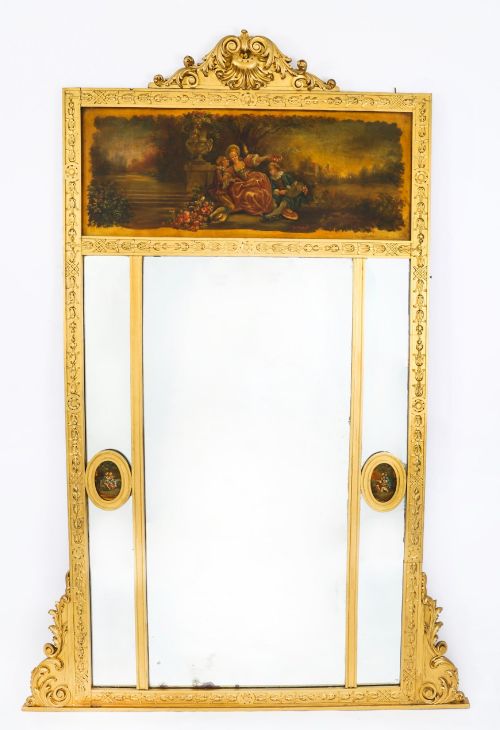
- A decorative wall mirror or panel placed between windows or above a fireplace. These often incorporate painted scenes or panels above the glass plate.
- Verre églomisé
- A process of cold painting and gilding on the reverse of glass. It produces ornamental panels with metallic silhouettes and rich background colours.
- Pier glass
- A tall mirror designed to hang on the wall space between windows. They frequently match the proportions and ornamentation of accompanying overmantel mirrors.
Classical Overmantel: Frequently Asked Questions
How do I hang a heavy overmantel mirror safely?
Large nineteenth-century frames carry substantial weight from timber, gesso, and thick glass plates. Secure the piece directly into wall studs using heavy-duty brackets suited to the frame's specific hanging points.
Distribute the load evenly across multiple fixing points to ensure the wall supports the vertical tension without shifting over time.
Where should an overmantel be placed besides the fireplace?
While traditionally anchored above a mantelpiece, these large mirrors function equally well on any principal wall in a high-ceilinged room. Placing one opposite a window maximises natural light distribution.
Ensure the wall proportion matches the grand scale of the frame to maintain architectural balance in the interior.
How do I clean and care for antique giltwood frames?
Dust the carved surfaces gently with a soft, dry brush to prevent accumulating dirt within delicate gesso crevices. Avoid using liquid cleaners, water, or chemical sprays, which strip fragile gold leaf and gilding.
Keep the mirror away from direct heat sources and excessive moisture to protect the wooden substrate from warping.
How do I distinguish a Regency overmantel from a Victorian one?
Regency pieces often display restrained Neoclassical lines, verre églomisé panels, and classical architectural elements like columns and pilasters. Victorian examples tend towards heavier proportions, elaborate floral carvings, and richer, darker wood finishes.
Examining the construction methods on the reverse of the frame helps confirm the period of manufacture.