
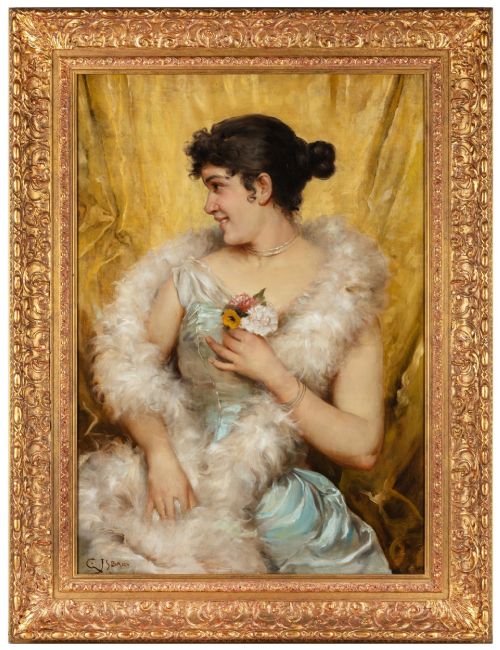
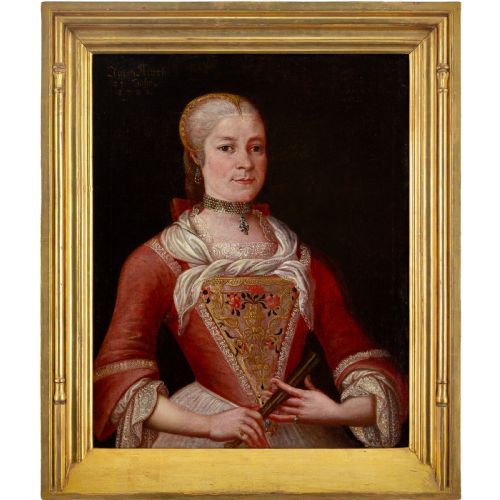

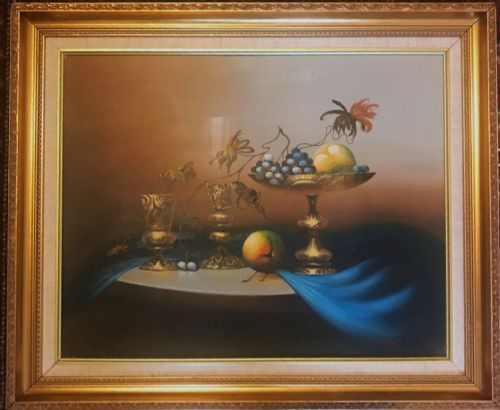
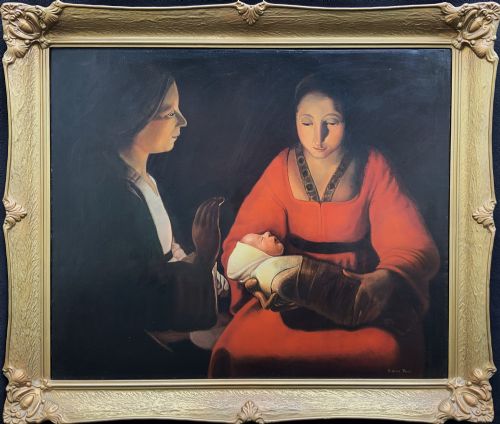
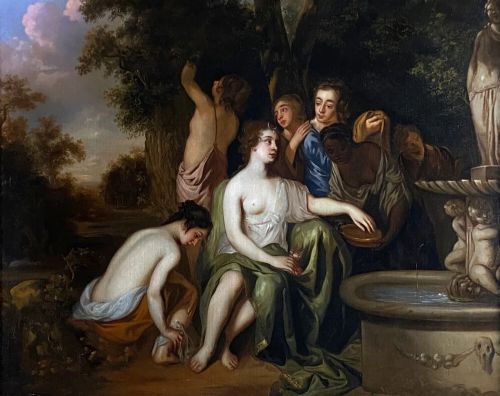
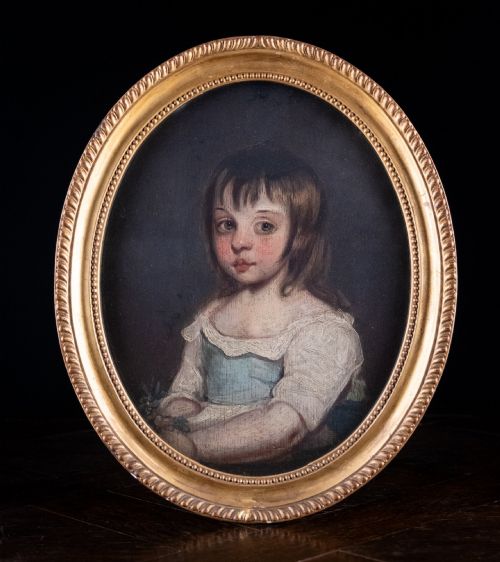
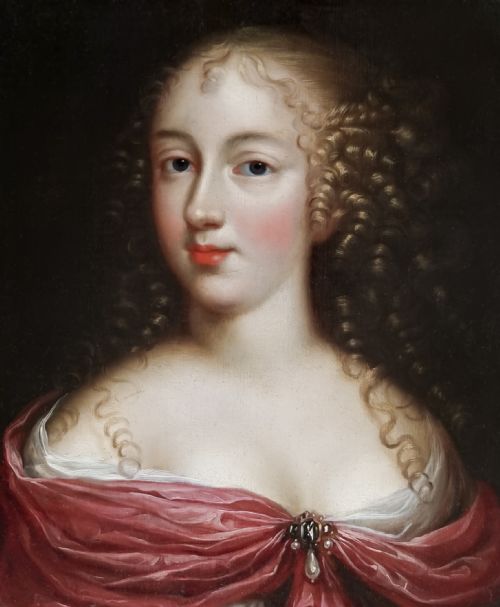
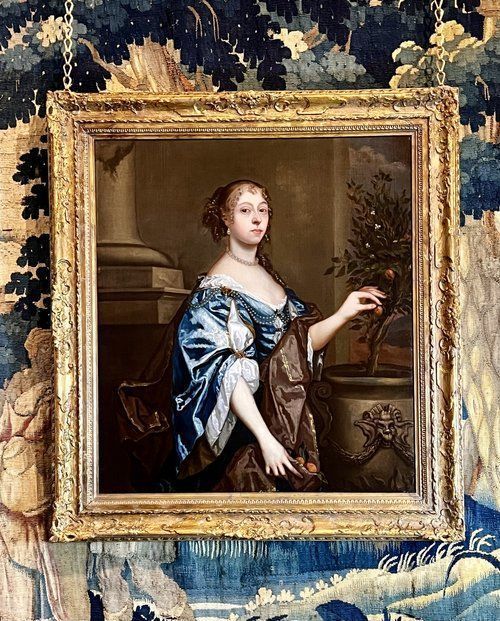
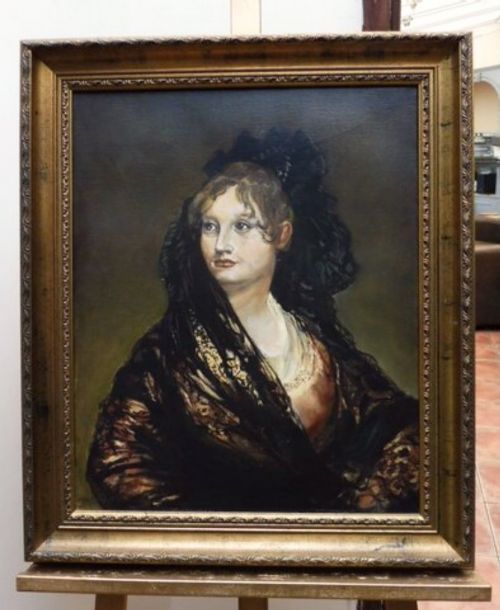
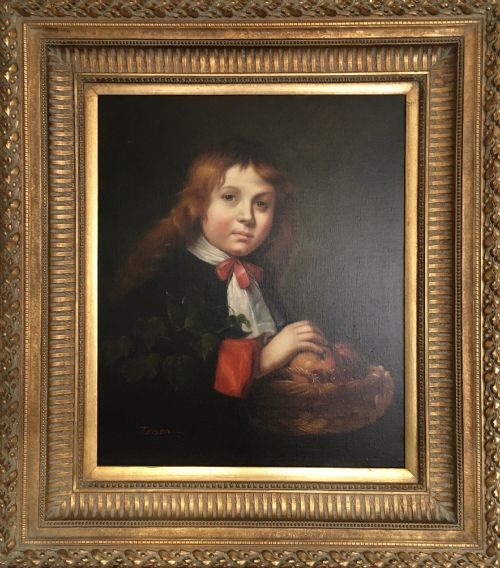
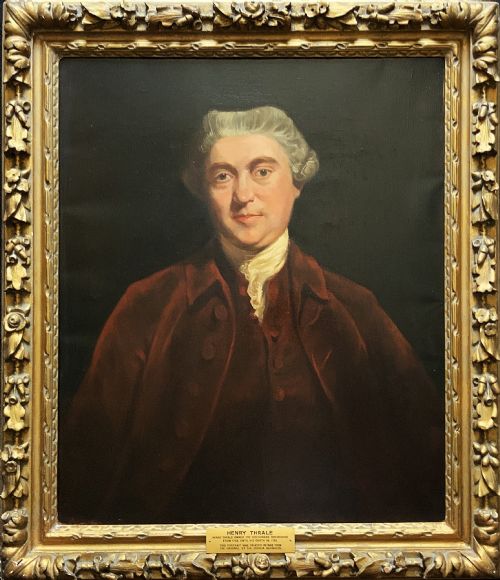
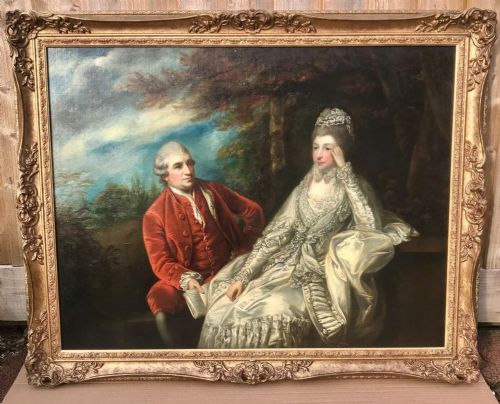
Classical Oil Portrait
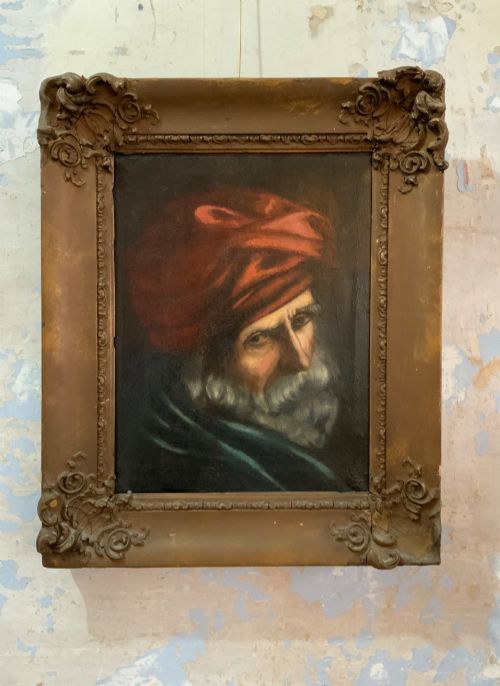
A classical oil portrait brings historical gravity to a room through traditional canvas techniques and enduring portraiture subjects.
Classical Oil Portrait
A classical oil portrait focuses on human subjects rendered through traditional painting methods across multiple centuries.
Pieces span from sixteenth-century Renaissance interpretations up to twentieth-century revivals and reproductions.
Most examples employ canvas or wood panel supports housed within decorative frames.
Materials and methods
Artisans applied oil paint onto stretched canvas or wooden panels, utilising layered pigment for depth.
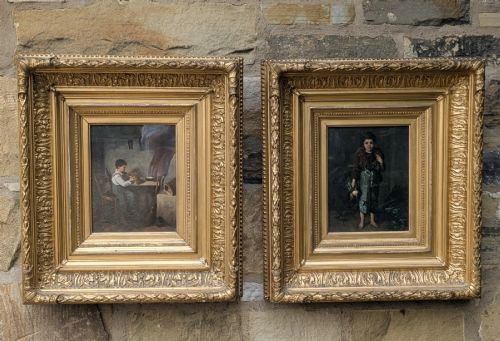
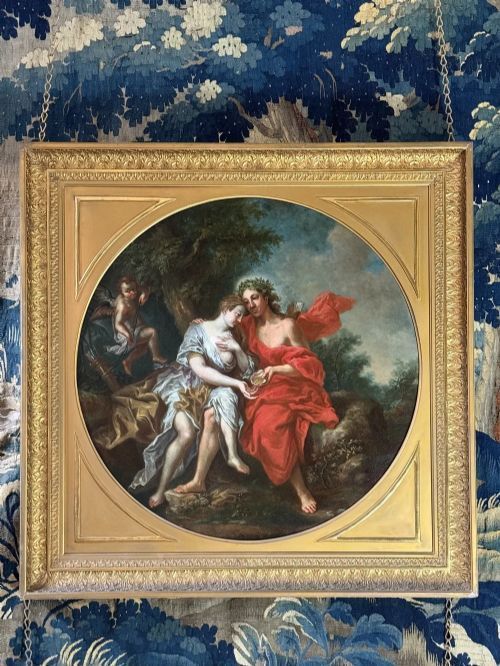
Many works incorporate carved giltwood or gesso frames that complement the period aesthetic of the artwork.
Listings feature works executed on canvas and wood, dating from the sixteenth century through the mid twentieth century.
Assessing craftsmanship
Brushwork precision and tonal graduation distinguish master workshops from studio assistants or later copies.
Original material integrity, including the condition of the canvas and frame, separates well-preserved works from heavily restored examples.
Sir Peter Lely·Pierre Mignard·Pieter Borsseler·Francisco Jose de Goya y Lucientes·Sir Joshua Reynolds·Charles Antoine Coypel·Pietro Fachetti·Bartholomeus van der Helst·Robert Byng·Bernardino Luini·John Opie·Toussaint Gelton·Guillaume Courtois·Henrietta Rae·William Jones of Bath·Renato Moretti·Jean Baptiste Greuze·Jean Baptiste van Loo·Theodore Jensen·John A Monteith
The Classical Oil Portrait Glossary
- Oil on Canvas
- Pigment mixed with drying oil applied to a woven fabric support. This surface provides flexible durability for detailed portraiture.
- Giltwood
- Wood carved and covered with a thin layer of gold leaf. Frames utilising this material frame classical artworks with traditional ornamentation.
- Gesso
- A paint mixture consisting of a binder mixed with chalk, gypsum, or pigment. It prepares wooden panels and canvases before oil application.
- Renaissance Revival
- An artistic movement reviving styles of the fifteenth and sixteenth centuries. Works in this category mirror classical composition and subject matter.
Classical Oil Portrait: Frequently Asked Questions
How do I date a classical oil portrait?
Examine the canvas preparation, stretcher frame construction, and pigment characteristics alongside any visible artist signatures or inscriptions. Stylistic clues in clothing and hair styling also indicate the era of creation.
Comparing the painting technique with documented works from specific centuries helps confirm whether a piece is an original period work or a later revival.
Where should I hang an oil portrait?
Display these paintings away from direct sunlight and sudden temperature shifts to protect the oil pigments and canvas substrate. Wall placement should also account for the weight and scale of ornate wooden frames.
Traditional settings like libraries, dining rooms, and hallways offer complementary architectural backdrops for historical portraiture.
What is the difference between an original and an after piece?
Original portraits represent direct observation of a sitter by the artist during a specific period. After pieces are documented copies created by subsequent artists studying master works.
Both categories hold distinct historical interest depending on whether the priority is primary portraiture or the tradition of academic copying.
How do I care for antique oil paintings?
Dust the canvas and frame gently using a soft, dry brush without applying liquid cleaners directly to the paint surface. Maintaining stable indoor humidity prevents cracking in both the oil layers and the wooden support.
Professional conservators should handle any deep cleaning or structural repairs to preserve the integrity of the artwork.