





European School Artwork
European school artwork encompasses centuries of oil paintings, drawings, and panels originating across the continent that bring historic character to any interior.
European School Artwork
European school artwork comprises paintings and drawings created by artists working within regional traditions and historic stylistic movements across the continent. These pieces span from the seventeenth century through to the mid-twentieth century, capturing shifting artistic approaches from regional portraiture to landscapes.
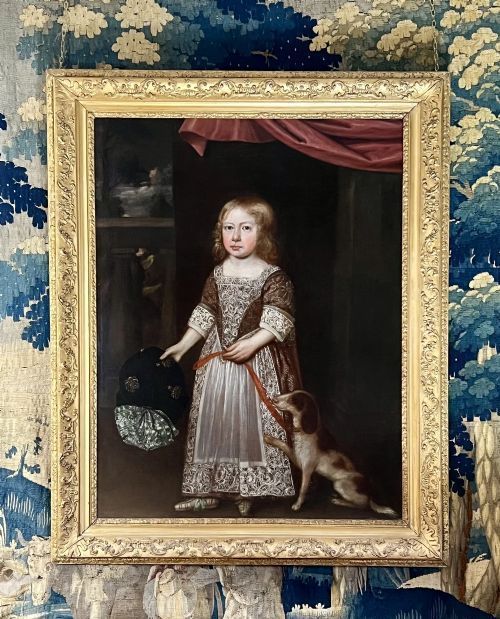
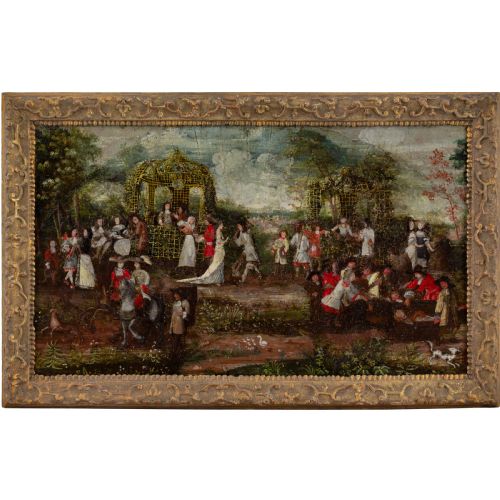
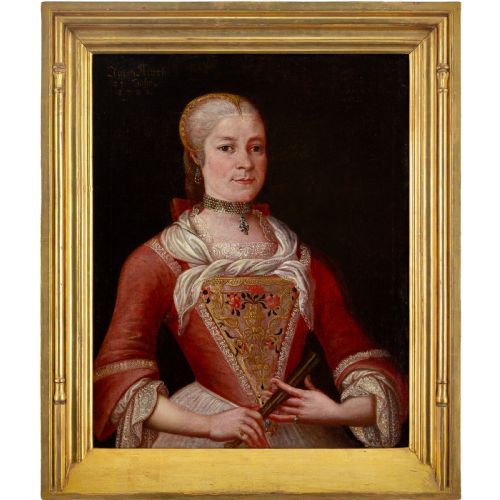
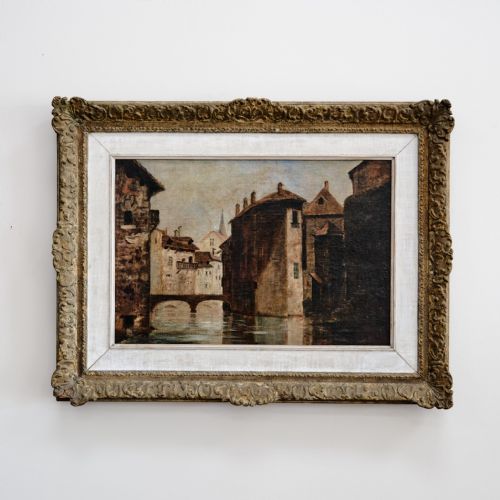
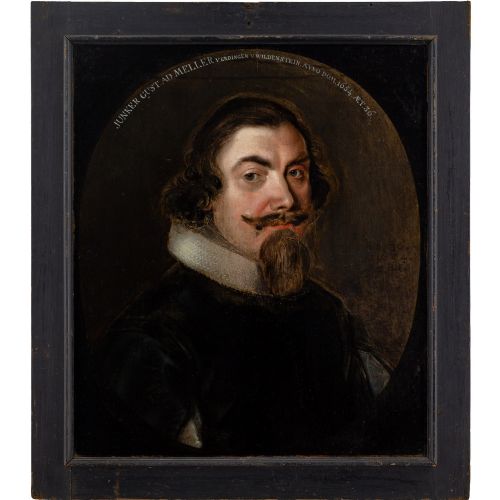
The selections typically met on this page include oil paintings on canvas and wood panel, alongside framed drawings. Subjects range from formal portraits of aristocrats and gentlemen to serene rural landscapes, floral still lifes, and coastal scenes.
Regional variations include Flemish Baroque, Dutch Golden Age, German Expressionism, and Bavarian or Austrian portraiture. Each piece reflects the specific aesthetic concerns and technical methods of its geographic origin and period.
Materials and construction
Artists painted primarily using oil paint on stretched canvas, oak panels, or paper supports, utilising natural pigments mixed with oils. These materials allowed for subtle blending, deep tonal variation, and enduring surface durability over centuries.
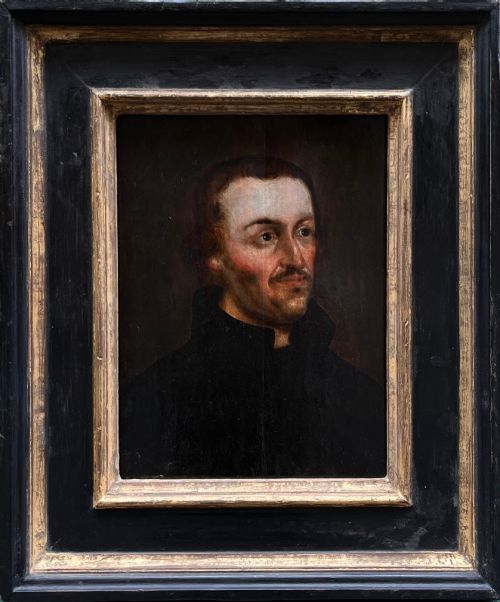
Frames form an integral part of these works, constructed from wood and embellished with giltwood or gold leaf finishes. The application of gold leaf to carved wooden mouldings provided a reflective border that complemented the dark, rich palettes of the oil paintings within.
The listings span from the seventeenth century through to the mid-twentieth century, incorporating oil on canvas, oak panels, and giltwood frames.
Distinctions in quality
Quality in european school artwork rests upon the precision of brushwork, the depth of composition, and the psychological or atmospheric engagement of the subject. Masterful handling of light and shadow, particularly in seventeenth-century and eighteenth-century portraits, elevates a piece above standard regional output.
The integrity of the physical materials also differentiates the range, from well-preserved canvases and stable wooden panels to pieces showing extensive historic restoration. Original period frames finished in gold leaf or giltwood contribute significantly to the overall integrity and visual impact of the artwork.
Joseph Emmanuel Weiser·Louis Smets·Henri Therme·Laurens Plas·Paul Paul
The European School Artwork Glossary
- Oil on Canvas
- A painting medium where pigments bound in oil are applied to a woven fabric support stretched over a wooden frame. This combination allows for rich colour saturation and flexible ageing.
- Giltwood
- Wood carved and subsequently coated with a thin layer of gold leaf or metallic powder. It frequently frames historic paintings to enhance the perceived depth of the artwork.
- Flemish Baroque
- An artistic style originating in Flanders during the seventeenth century, characterised by exuberant movement, dramatic lighting, and rich psychological detail. Works in this tradition display deep shadows and vibrant theatricality.
- Oak Panel
- A rigid support surface constructed from oak timber used by artists for panel paintings. It provides a stable base that predates the widespread adoption of canvas.
- German Expressionism
- A modernist movement emphasising emotional experience over physical reality through bold colours and distorted forms. Artists working in this style prioritise subjective reaction to subjects like urban scenes and landscapes.
European School Artwork: Frequently Asked Questions
How do I date an oil painting?
Dating relies on examining the stretcher frames, canvas type, nail construction, and stylistic clues within the brushwork or costume. Pigment analysis and panel preparation techniques also offer reliable indicators of the period.
Comparing the stylistic markers of specific regional schools helps narrow down the decade of creation. Documentation or signatures, where present, provide further confirmation.
Where should I hang these paintings?
These works suit traditional reception rooms, studies, or hallways where historic portraits and landscapes command attention. Pairing them with subdued wall colours allows the rich oil pigments and gilt frames to stand out.
Avoid placing them in direct sunlight or areas prone to high humidity to protect the canvas and oil paint. Stable indoor temperatures preserve both the wooden frames and the painted surface.
What is a regional school?
A regional school refers to a group of artists working within a specific geographic area who share common techniques, training, and stylistic influences. Examples include the Dutch school or the Bavarian school.
These groupings help historians and collectors trace the transmission of artistic ideas and methods across European cultural centres. They reflect local patronage and prevailing aesthetic preferences of the era.