


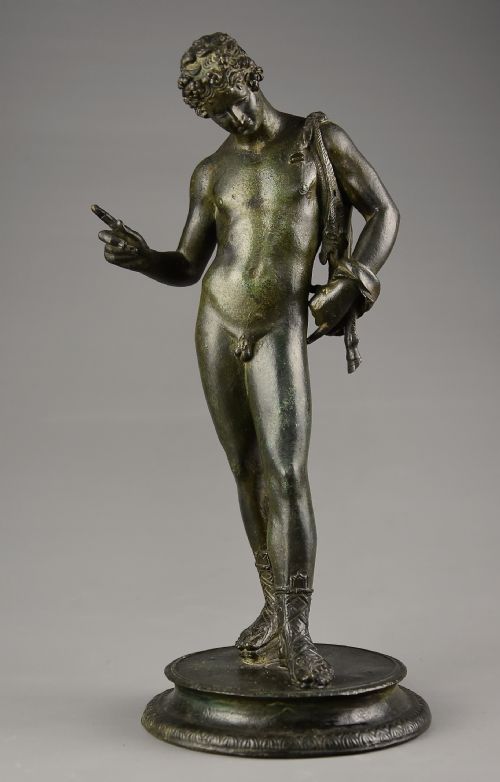


Classical Nude Bronze
When you search for a classical nude bronze, you are looking at figurative metal sculpture modelled on ancient Greek and Roman ideals.
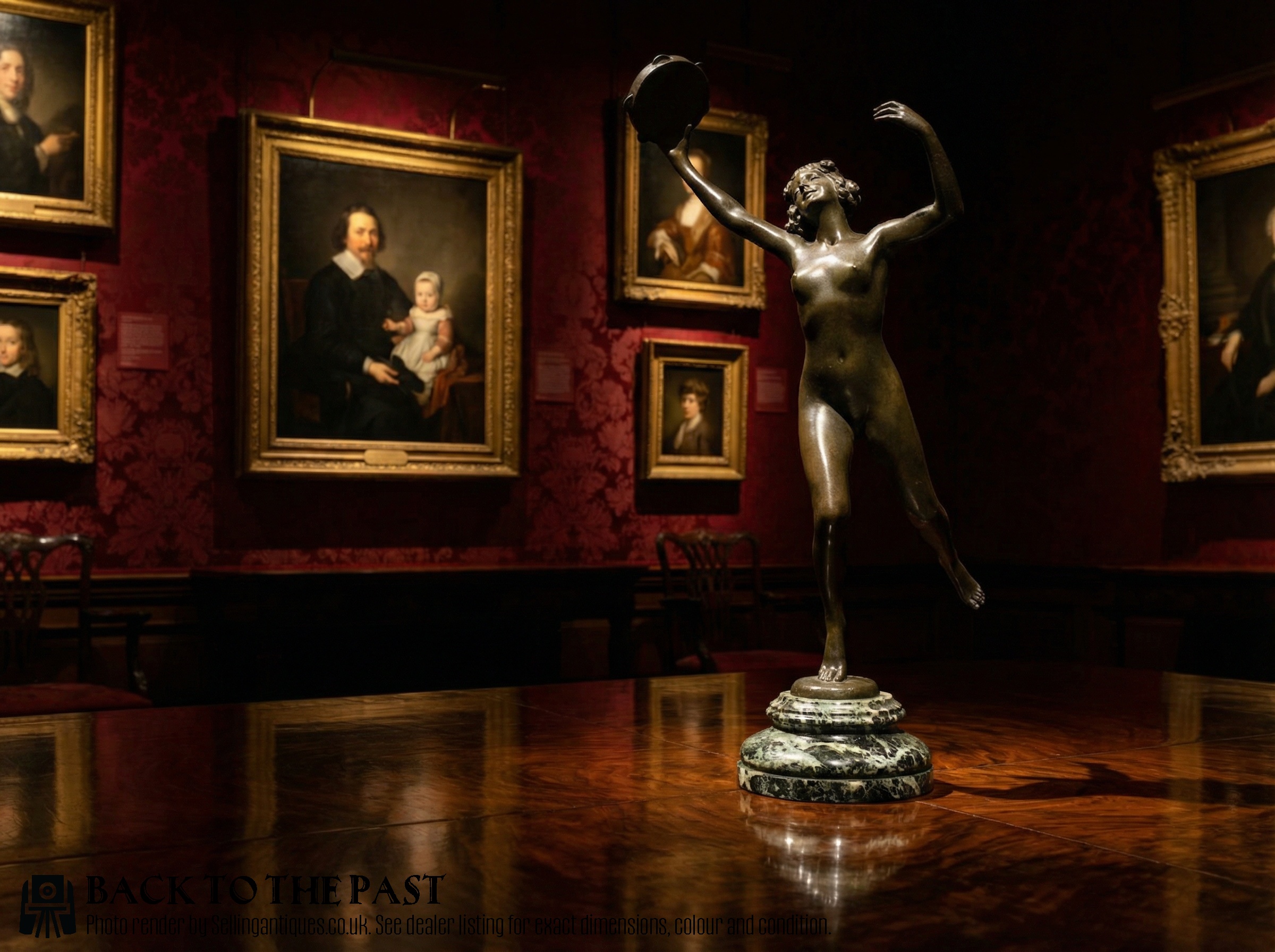
Classical Nude Bronze
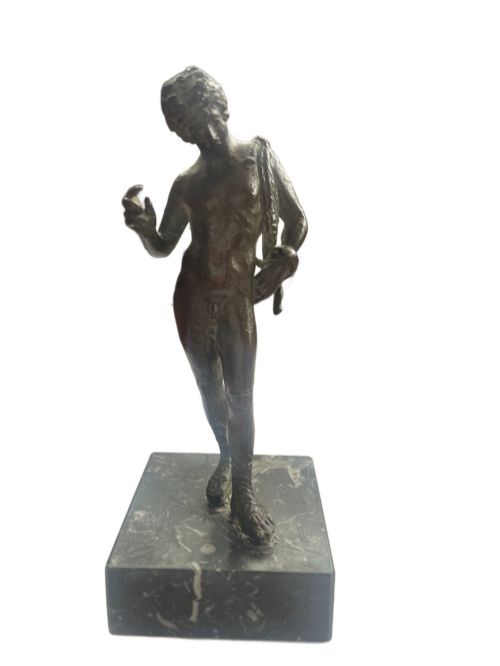
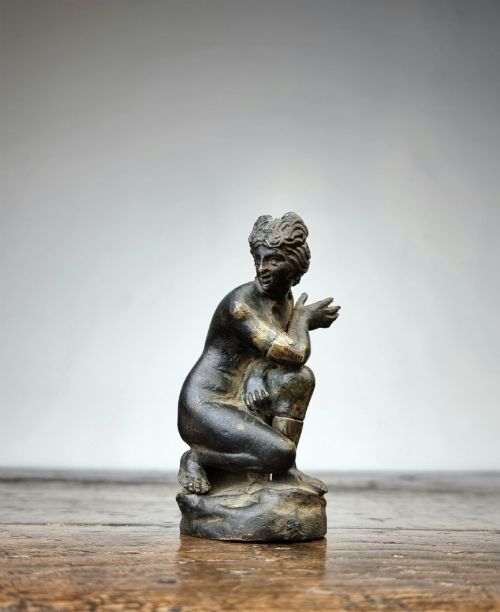
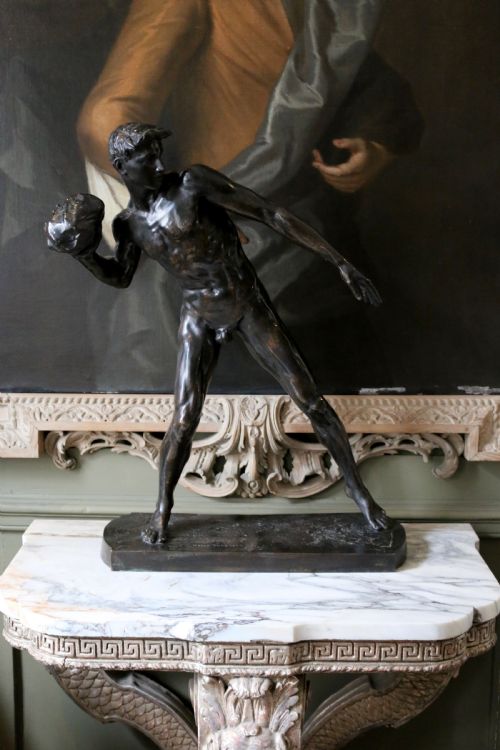
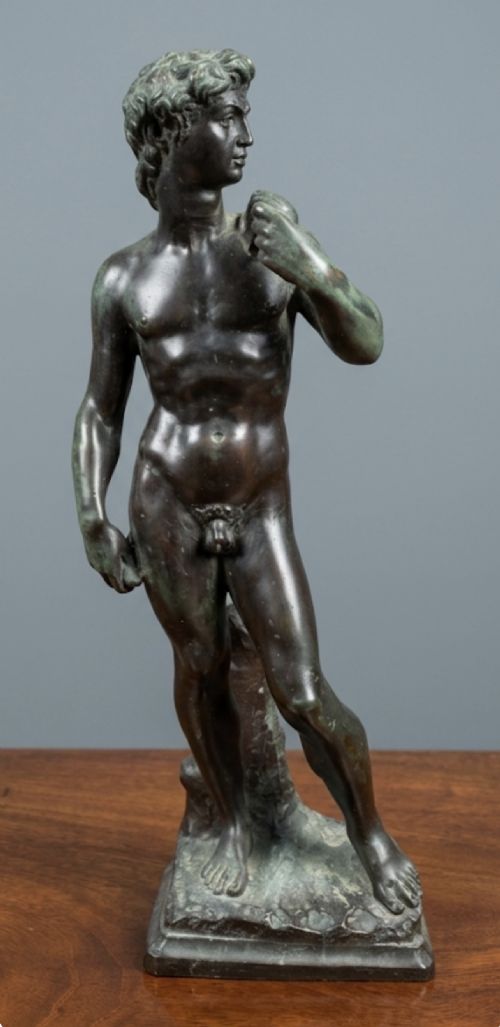
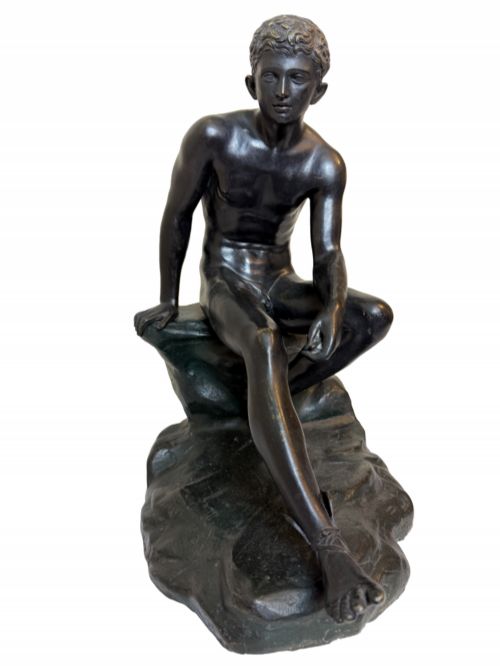
A classical nude bronze represents the human form drawn from antiquity, often modelled after famous Hellenistic and Roman statues or created in later centuries using the same vocabulary. These pieces range from small Grand Tour souvenirs brought back from Italy to monumental castings by known European founders.
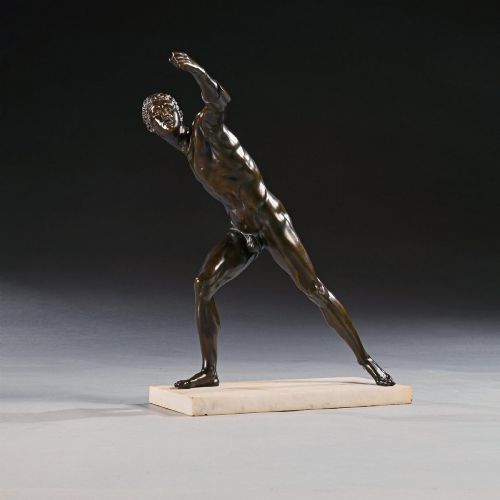
The most common examples encountered on this page date from the nineteenth century, reflecting a widespread Victorian and Edwardian taste for classical subjects. You will frequently find figures of mythological subjects, athletes and dancers cast in patinated metal and mounted on stone or marble bases.
Materials and Casting Techniques
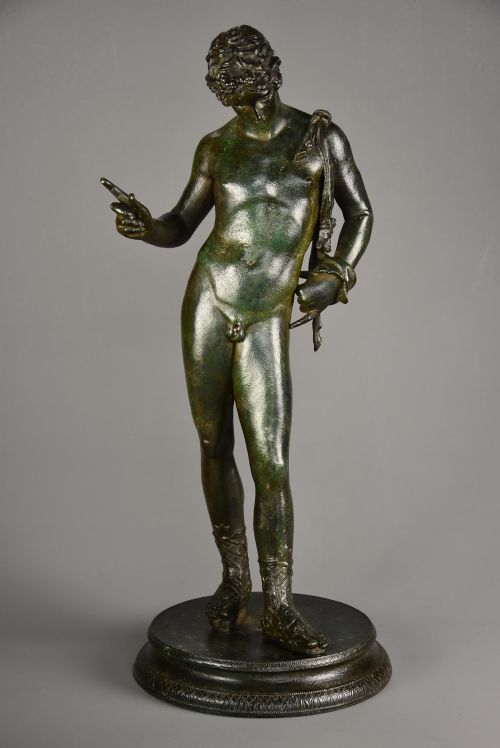
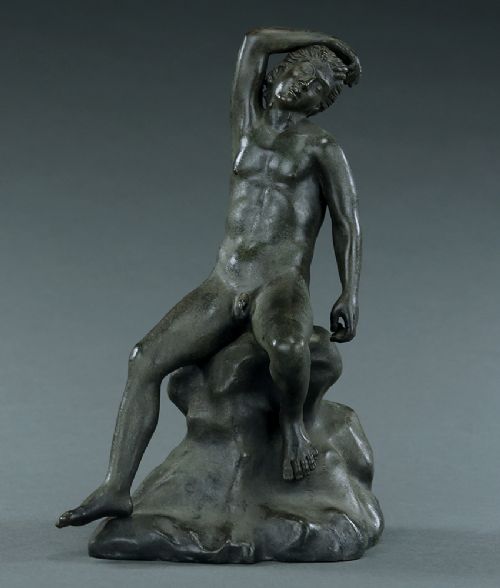
These sculptures are primarily formed from bronze, a copper alloy, which is often treated with chemical patination to produce deep brown, green, or verdigris surfaces that emulate ancient patinas. Many figures are paired with integral or fitted bases made of marble, fossil marble, or other stone.
Makers utilised traditional casting methods to capture fine anatomical detail in the musculature and drapery of the figures. The metal is frequently finished by hand with chisels and files to sharpen contours before the final chemical colouring is applied.
Several figures find themselves stepping off their plinths entirely, depicting dancers, athletes mid-motion, and figures bitten by unexpected snakes.
Judging Quality and Execution
The depth and consistency of the patination also distinguish finer pieces, as does the quality of the marble or stone plinth used for mounting. Better bronzes demonstrate a careful balance and proportion that remain true to the classical models they emulate.
Ferdinand Barbedienne·Hamo Thornycroft·Hector Lemaire·Eugene Barillot·S. Kinsburger·Aristide Maillol·Edmond Leveque·Eugène Désiré Piron·Raoul Francois Larche·Albert Hussmann·James Pradier·Delafontaine·Ferdinando de Luca·Devaulx
The Classical Nude Bronze Glossary
- Grand Tour
- A traditional trip through Europe, particularly Italy, undertaken by upper-class young men in the eighteenth and nineteenth centuries to study classical art. It gave rise to a flourishing market for reduced-scale bronze copies of ancient sculptures.
- Patination
- The chemical treatment applied to the surface of bronze to alter its colour and protect the metal. Variations include deep brown, dark green, and verdigris.
- Reduction
- A scale copy of a larger monument or ancient statue, cast to a smaller size for domestic display. Founders produced reductions of famous works like the Venus de Milo or the Dancing Faun for collectors.
- Lost-wax casting
- A metal-casting method in which a molten metal is poured into a mould that has been created by means of a wax model. Once the wax is melted away, the bronze fills the cavity to reproduce fine details.
Classical Nude Bronze: Frequently Asked Questions
What is a Grand Tour bronze?
A Grand Tour bronze is a small-scale sculpture purchased by travellers visiting archaeological sites and museums in Italy during the nineteenth century. These souvenirs allowed collectors to bring home representations of famous ancient sculptures.
Such pieces typically depict well-known figures from classical mythology or antique statuary, cast in bronze and often mounted on marble bases for display in a study or drawing room.
How do I care for a bronze sculpture?
Bronze is a durable material that requires minimal maintenance, primarily needing occasional dusting with a soft, dry cloth. Avoid using commercial metal polishes, as these can strip away the historical patination.
Keep the sculpture away from direct moisture and extreme temperature fluctuations to protect both the metal surface and any stone base it may be attached to.
Are all these pieces from ancient times?
Most pieces listed under this category are later interpretations, reductions, or nineteenth-century reinterpretations of classical subjects rather than ancient artefacts. Founders and artists in the Victorian period and later drew heavily on Greek and Roman models.
This tradition of copying and adapting antique forms continued through the Art Deco era, producing works that combine ancient subject matter with modern casting techniques.
Why are some bronzes mounted on marble?
Mounting a bronze figure on a marble or stone base provides structural stability and visual weight to the composition. This practice dates back to the Grand Tour period when sculptures were given formal plinths.
The contrasting texture and colour of the stone also serve to frame the metal figure, enhancing the classical aesthetic of the display.