


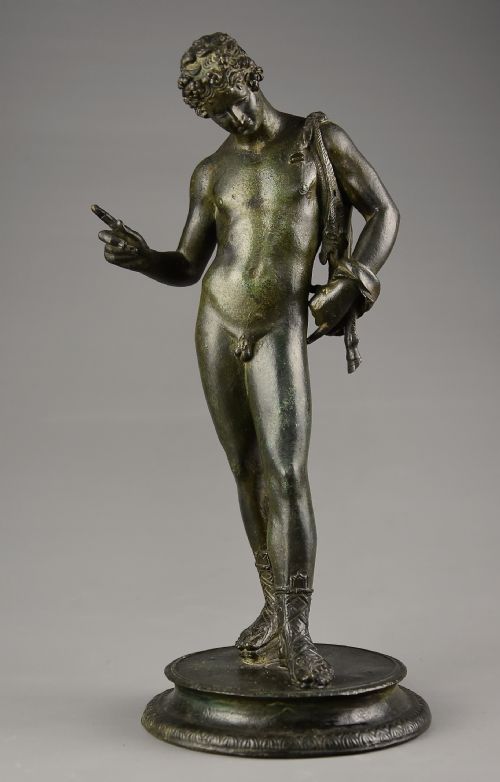


Classical Nude Bronze Sculpture
A classical nude bronze sculpture brings the sculptural weight of antiquity and the meticulous metalwork of the nineteenth century directly into a modern interior.
Classical Nude Bronze Sculpture
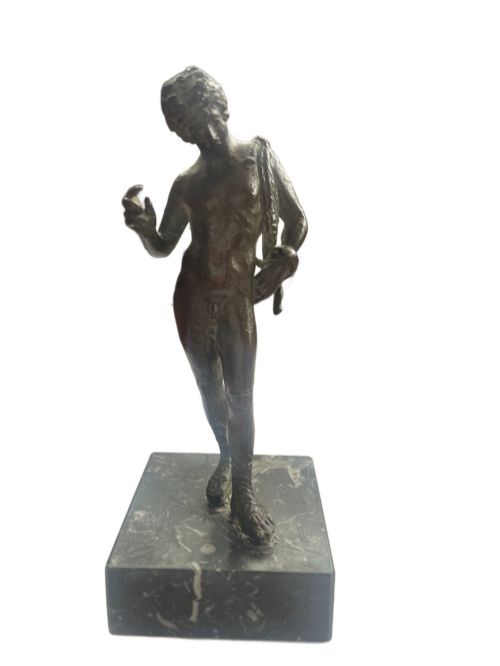
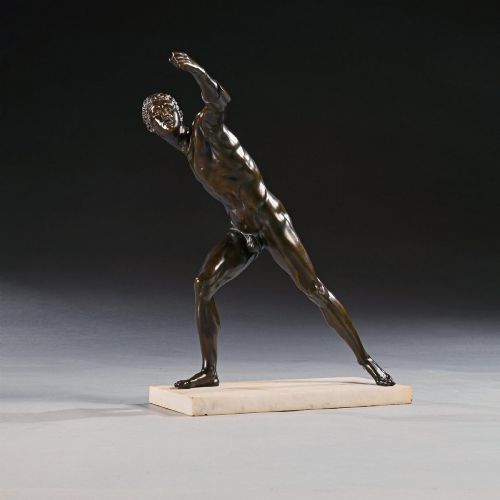
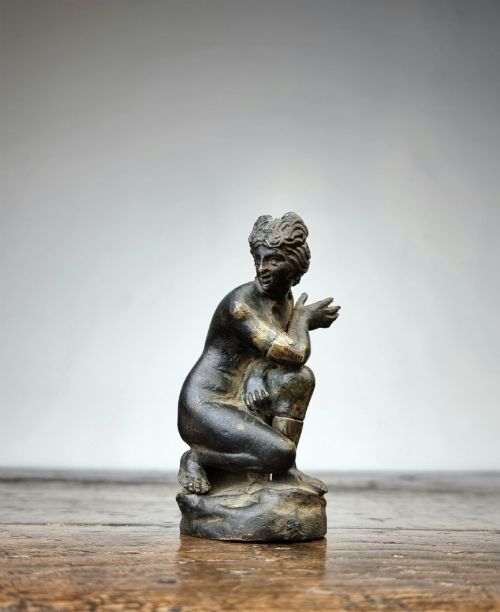
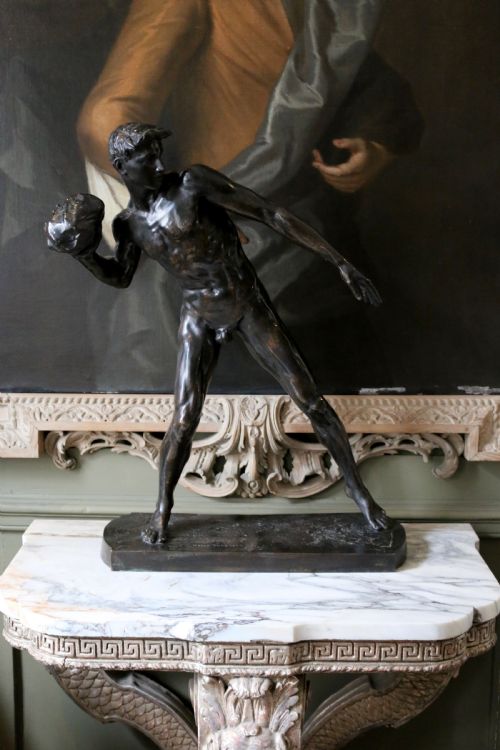
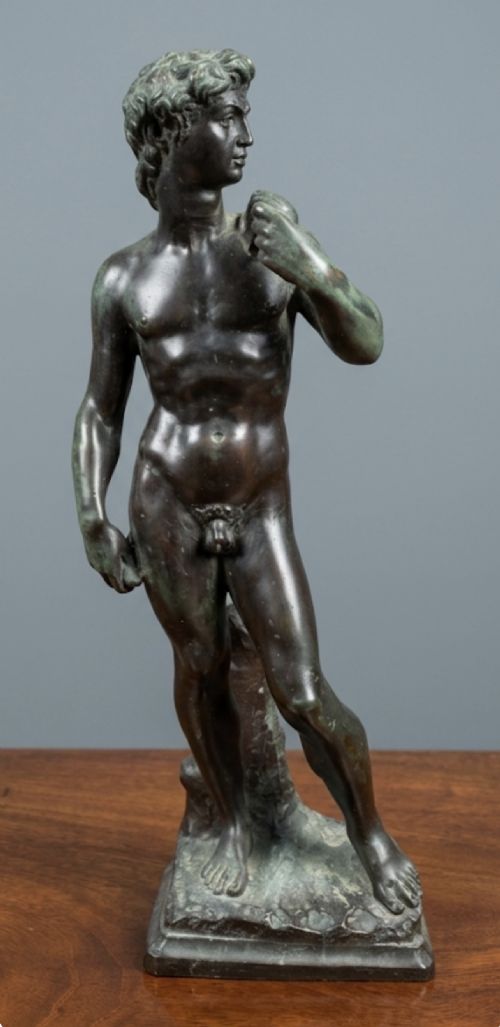
A classical nude bronze sculpture represents mythological figures, ancient athletic ideals, and reductions of celebrated antiquities from Rome and Greece. Collectors find these works ranging from small cabinet statuettes to large scale exhibition pieces.
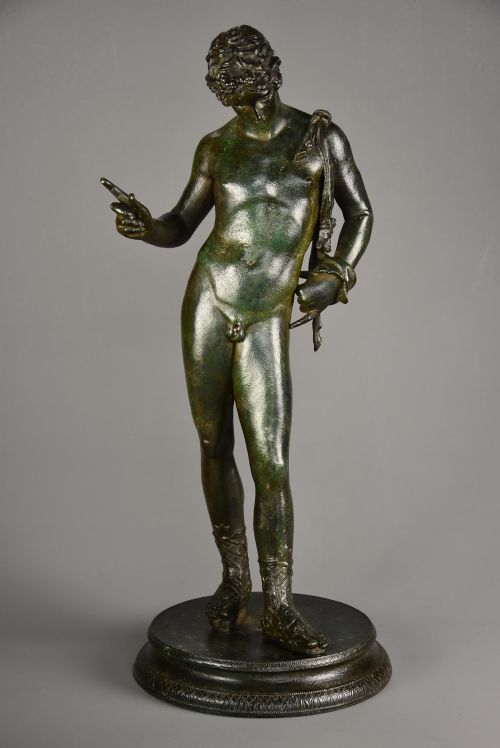
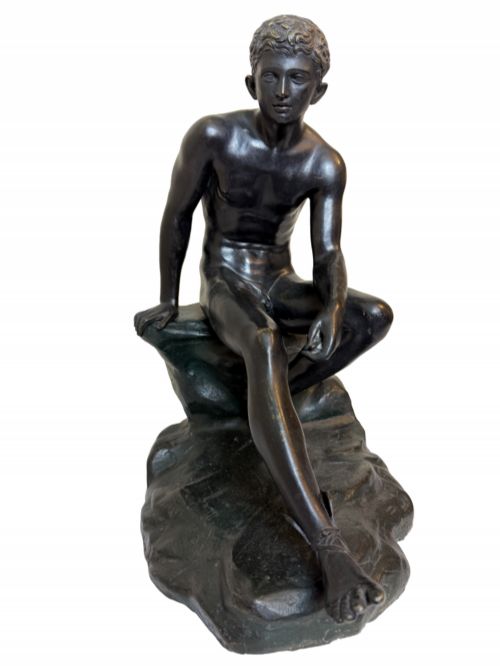
The nineteenth century revival dominates the selection, particularly French foundry productions and Neapolitan Grand Tour souvenirs cast after famous museum originals. Figures such as Narcissus, the Dancing Faun, and Venus appear frequently across these listings.
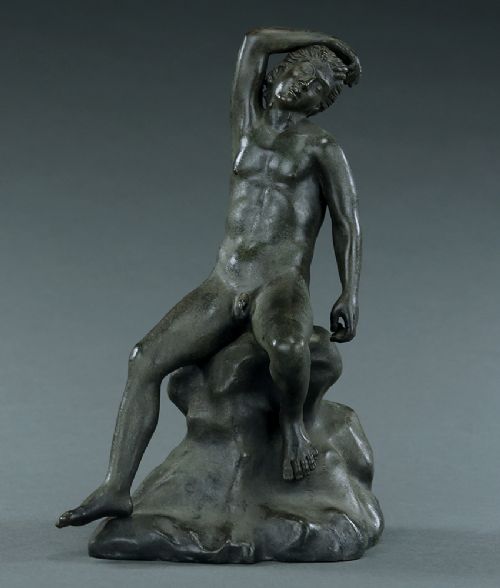
Makers utilised diverse mounting strategies, placing figures on heavy fossil marble bases, slateplinths, or directly onto naturalistic bronze ground elements. These pieces function primarily as decorative table sculptures, mantel ornaments, and substantial study works.
How They Were Made
Foundries employed the lost wax casting method or sand casting techniques to capture complex musculature and delicate drapery from artist models. Molten bronze was poured into moulds, then chased and filed by hand to sharpen anatomical details.
Surface treatments define the visual identity of these works, utilising dark patination, green verdigris chemicals, parcel-gilt highlights, or polished finishes. Figures were subsequently secured to heavy stone supports such as marble and slate using threaded metal pins.
Several classical bronzes depict mythological figures caught mid-movement, including dancers, archers, and sleeping fauns.
What Varies in Quality
The precision of the chasing work separates standard foundry editions from exceptional artist casts, as skilled artisans spent hours defining hair texture, fingers, and facial expressions after the initial removal from the mould. Crisp anatomical definition indicates superior craftsmanship.
The quality of the secondary materials significantly impacts the overall piece, with dense fossil marble or intricately carved slate bases offering greater stability and aesthetic coherence than plain wooden or simple stone plinths.
Ferdinand Barbedienne·Hamo Thornycroft·Hector Lemaire·Eugene Barillot·S. Kinsburger·Aristide Maillol·Canova·Edmond Leveque·Eugène Désiré Piron·Albert Hussmann·James Pradier·Delafontaine·Jean Jacques Pradier·Ferdinando de Luca·Devaulx
The Classical Nude Bronze Sculpture Glossary
- Grand Tour
- A traditional trip of Europe undertaken by upper-class European young men of sufficient means to flourish their education. In the context of sculpture, it refers to small bronze souvenirs purchased abroad.
- Patina
- A thin layer that naturally or artificially forms on the surface of bronze through oxidation or chemical treatment. This chemical skin protects the metal and provides the characteristic coloration.
- Reduction
- A smaller scale copy of a large, well-known public or museum sculpture. Foundries produced these scaled-down versions for private domestic interiors.
- Verdigris
- A green patina or crust of copper carbonate formed on copper, brass, or bronze surfaces. It is often intentionally applied to simulate ancient excavation conditions.
- Lost wax
- A casting process by which a duplicate metal sculpture is cast from an original sculpture. The original wax model is melted away to leave a mould cavity for the molten bronze.
Classical Nude Bronze Sculpture: Frequently Asked Questions
What is a Grand Tour bronze?
A Grand Tour bronze is a nineteenth-century souvenir cast in Italy or France, reproducing famous classical statues discovered during archaeological excavations. Travellers collected these reductions to display their classical education and refinement at home.
These pieces range from cabinet statuettes to substantial figures mounted on marble bases. They served as tangible connections to ancient Mediterranean art history.
How do I clean a bronze sculpture?
Dust bronze sculptures gently with a soft, dry cloth or a feather duster to prevent particulate accumulation. Avoid using water, soap, or chemical polishes, as these substances can strip away the historical patina.
Professional conservators recommend applying a microcrystalline wax very sparingly if the metal appears dry. Excessive cleaning diminishes the surface character developed over a century or more.
How can I date a bronze figure?
Dating a bronze relies on examining the casting technique, the style of the base, and the foundry marks stamped into the metal. Nineteenth-century casts often exhibit specific patination methods and mounting screws appropriate to their manufacturing era.
Signatures or foundry stamps provide direct attribution to specific workshops. Comparing the anatomical styling to known academic works from the period helps narrow the timeline.