

Victorian Bronze Classical Figures
Victorian bronze classical figures bring the myth and majesty of antiquity into nineteenth-century interiors through finely cast sculpture, lamps, and clocks.
Victorian Bronze Classical Figures
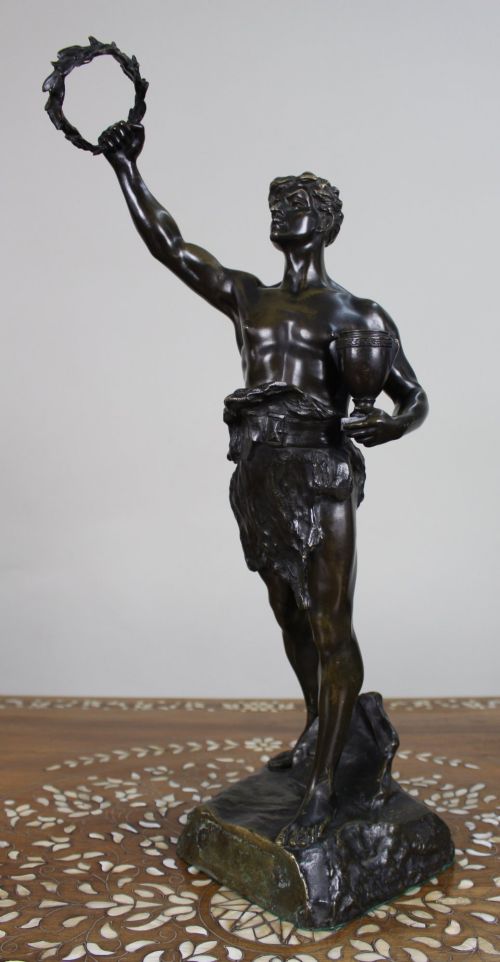
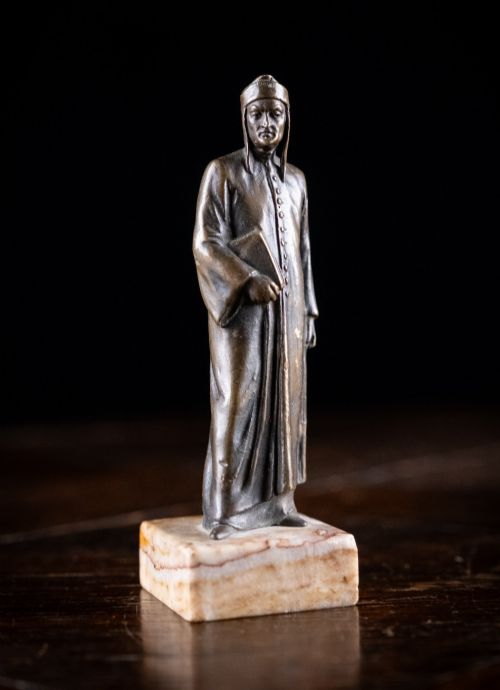
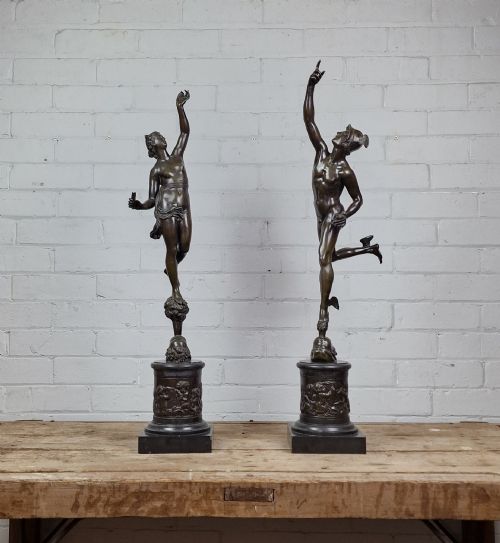
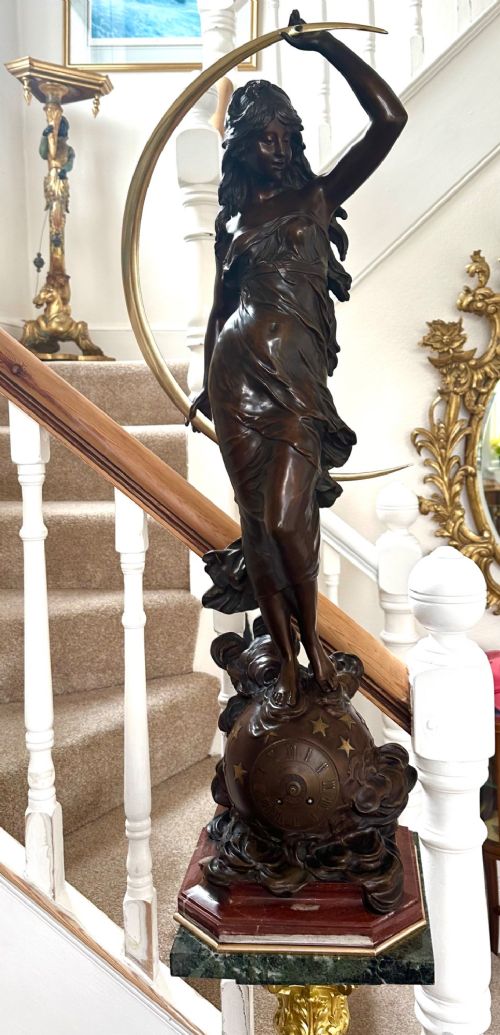
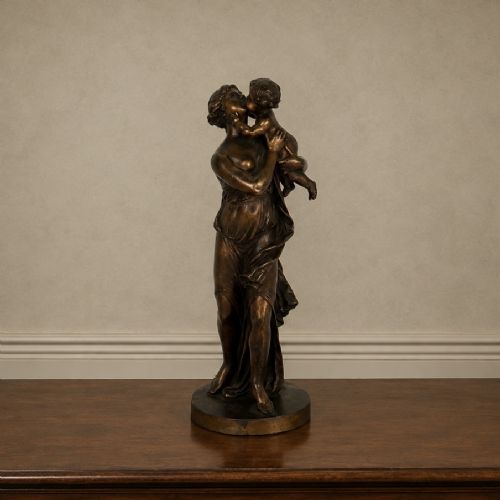
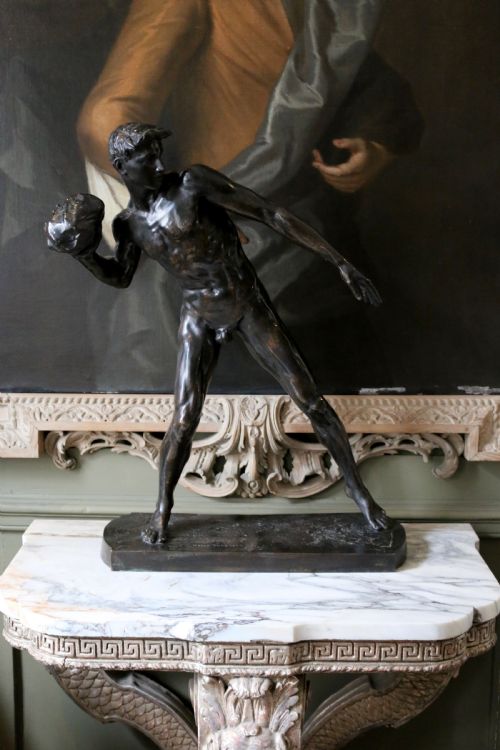
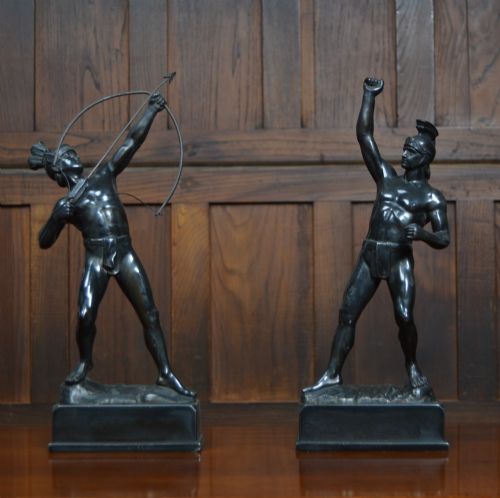
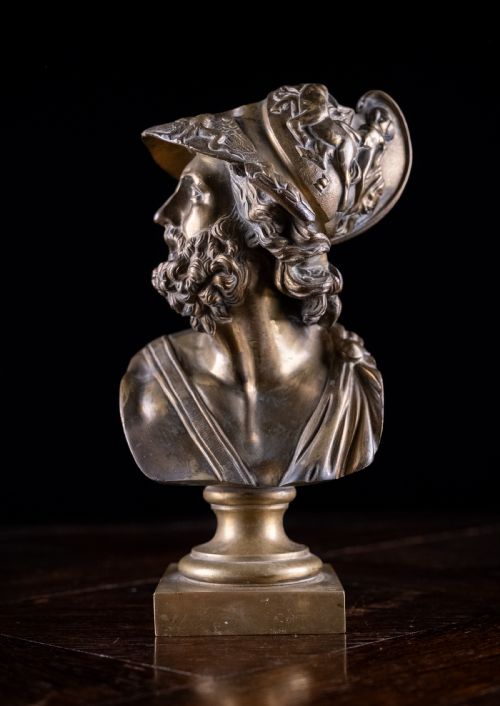
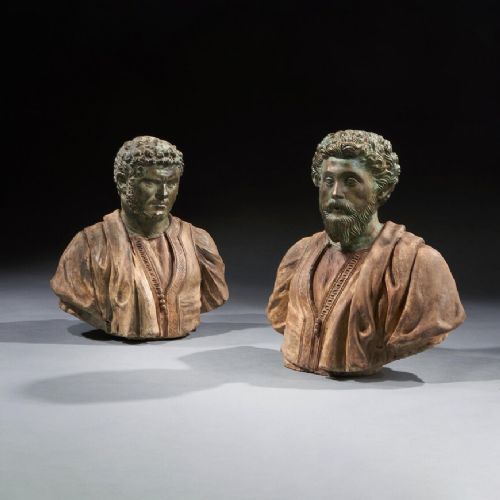
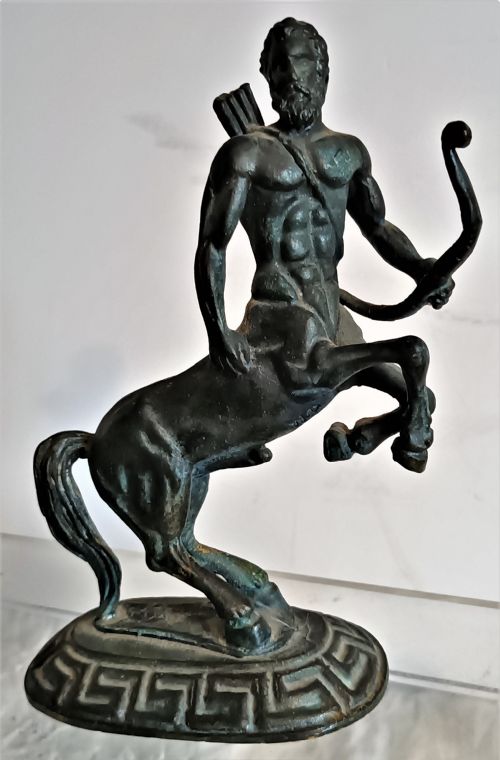
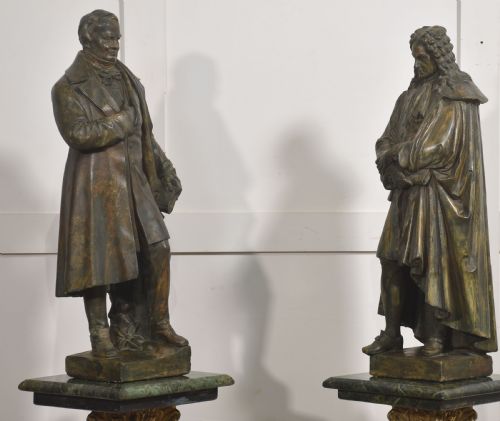
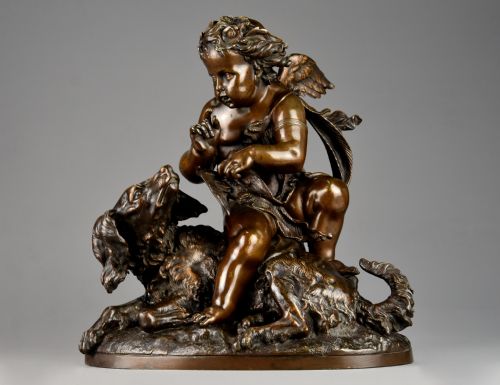
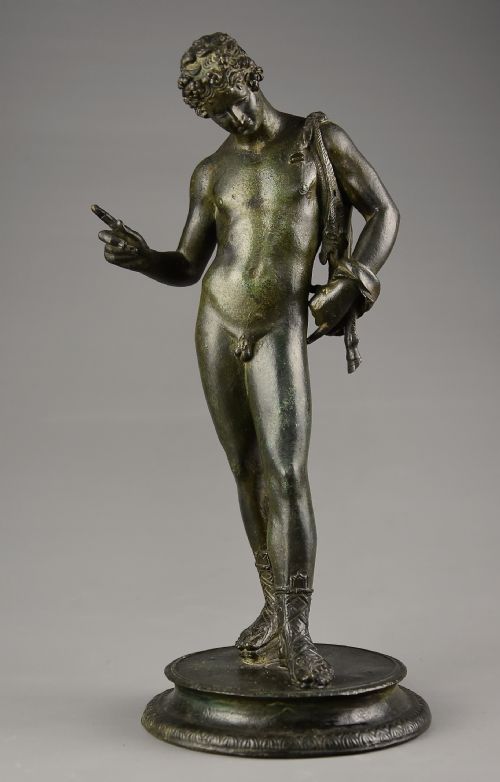
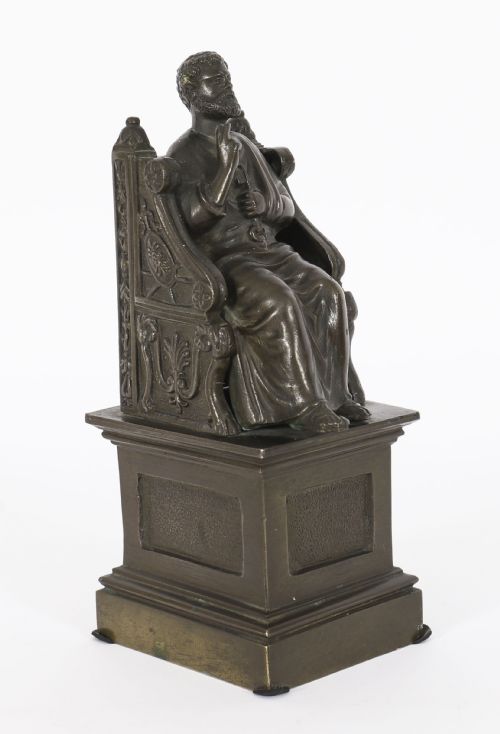
Victorian bronze classical figures draw heavily upon mythological subjects, ancient rulers, and Grand Tour souvenirs collected during travels through Italy and France. These works take the form of freestanding sculptures, portrait busts, figural lamp bases, and decorative mantel clocks.
The objects frequently depict figures such as Mercury, Narcissus, Dante, and various classical maidens, cherubs, and historical Caesars. Buyers will regularly encounter French and English castings produced across the nineteenth century, ranging from intimate cabinet bronzes to substantial decorative statues.
Many of these pieces reflect a broad cultural fascination with classical antiquity, Egyptian revival motifs, and Renaissance sculpture translated into nineteenth-century domestic ornamentation.
Materials and casting methods
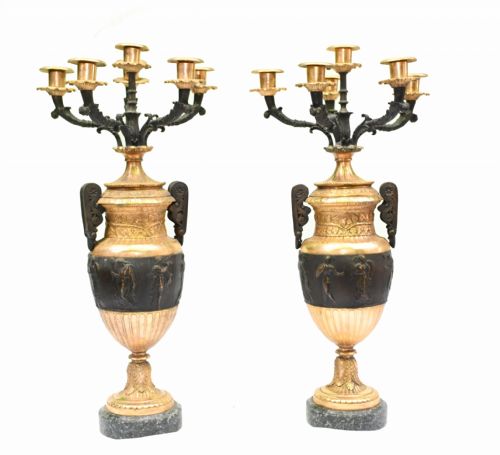
The primary material is cast bronze, often enhanced with dark patination, cold-painted details, or gilt bronze and ormolu highlights. Artisans frequently mounted these metal figures upon heavy bases fashioned from marble, slate, or wood to provide stability and contrast.
Alternative materials such as spelter, bronzed copper, and patinated chalk occasionally appear alongside true bronze castings to emulate the appearance of classical statuary at different price points. Candelabras and lamps incorporate glass, rock crystal, and brass components to support their functional roles.
The selection spans functional household items including oil lamps, candelabras, mantel clocks, and portrait busts of Roman emperors alongside pure sculptures.
Determinants of quality
The reputation of the foundry or the individual sculptor whose signature appears on the base elevates the standing of a piece, reflecting superior artistic conception and rigorous studio production standards.
August Moreau·Hamo Thornycroft·Antonin Mercié·Emile Picault·Jean-Jules Cambos·Thomas Hope
The Victorian Bronze Classical Figures Glossary
- Patination
- The chemical treatment or natural ageing process that colours the surface of a bronze sculpture. This finish ranges from deep chocolate browns to greens and blacks.
- Grand Tour
- A cultural journey undertaken by wealthy young Europeans through France and Italy to study classical art. Travellers acquired small bronzes and antiquities as mementos.
- Spelter
- An alloy of zinc and lead or copper used as an economical substitute for bronze. It is lighter and softer than true bronze.
- Ormolu
- Gilt bronze produced by applying a finely ground mercury and gold amalgam to a bronze object and heating it. The process creates a brilliant golden surface.
- Cold-painted bronze
- A technique where paint is applied to a cold bronze surface rather than fired in a kiln. This finish is vulnerable to scratching and flaking over time.
Victorian Bronze Classical Figures: Frequently Asked Questions
How do I clean a bronze figure?
Dust the surface gently with a soft, dry brush to prevent the accumulation of grit in the crevices. Avoid using water, soap, or abrasive metal polishes which can strip the historic patination.
Apply a very thin coat of microcrystalline wax periodically if the surface requires protection, buffing it off gently with a clean cloth.
Are these figures solid bronze?
Many nineteenth-century sculptures were cast using the lost-wax or sand-casting methods as hollow forms to conserve metal and reduce weight. Hollow casting is standard practice and does not indicate an inferior piece.
Solid castings do occur, particularly among smaller cabinet figures, paperweights, and portrait busts where extra weight is desirable.
What is a Grand Tour bronze?
Grand Tour bronzes are small-scale replicas of famous classical statues, architectural ruins, and mythological figures acquired by travellers in Rome and Naples during the nineteenth century. These items served as tangible proof of an educated classical upbringing and sophisticated taste.
They were typically displayed in libraries, studies, and drawing rooms upon marble plinths or bespoke wooden bases.
How do I distinguish bronze from spelter?
Bronze is heavier, harder, and cooler to the touch than spelter, and it exhibits a warm, resonant tone when tapped gently. Spelter is softer, more brittle, and often shows a greyish metal underneath chips in the paint or finish.
Magnification often reveals tiny casting bubbles in spelter that differ from the denser grain of traditional bronze work.