

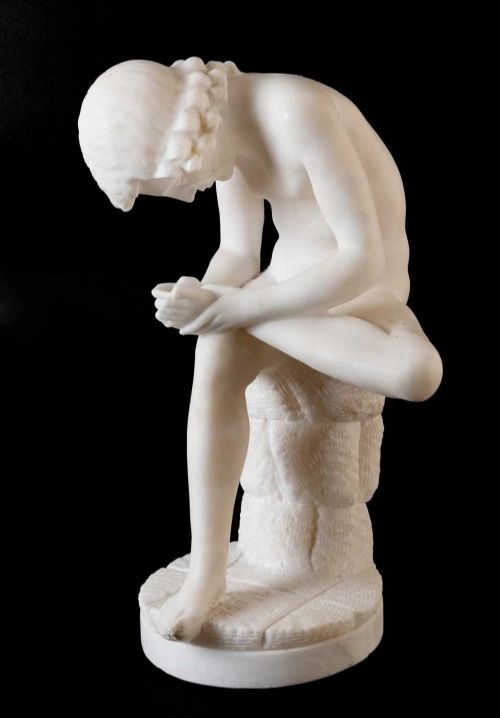
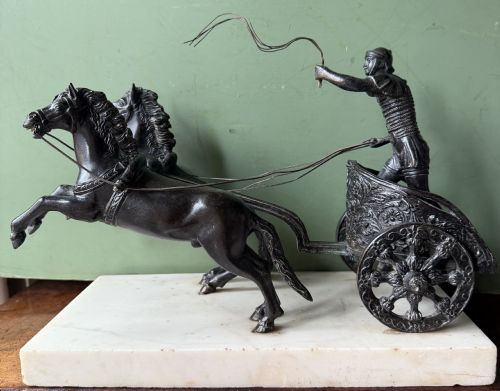


Classical Marble Statuette
A classical marble statuette brings the sculpture of antiquity into a room, carved to echo the figures of the ancient world.
Classical Marble Statuette
A classical marble statuette draws upon the sculptural traditions of Greece and Rome, reimagined by makers in subsequent centuries. When searching for a classical marble statuette, buyers encounter small-scale interpretations of mythological figures, ancient heroes, and classical deities.
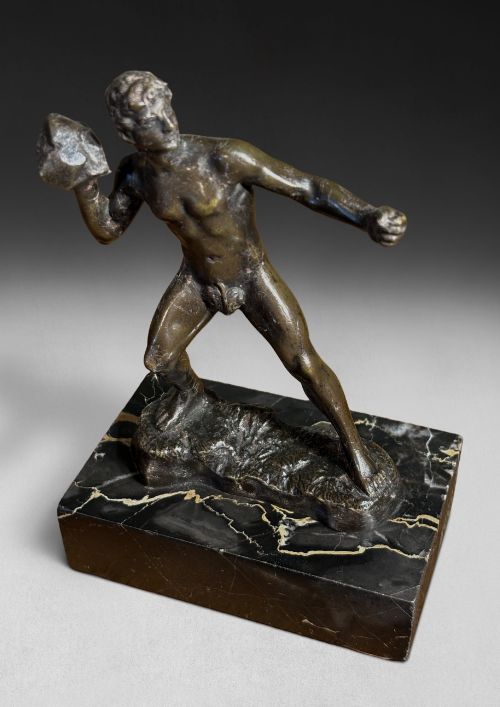
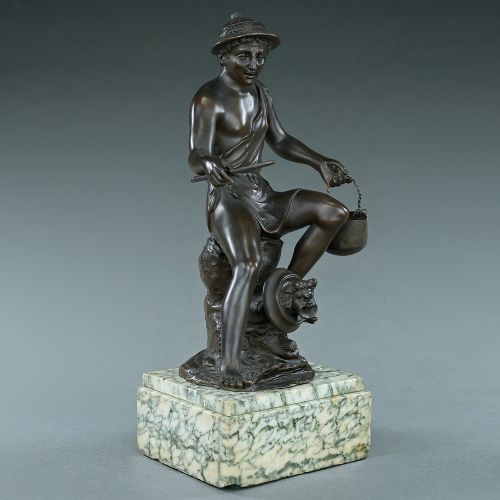
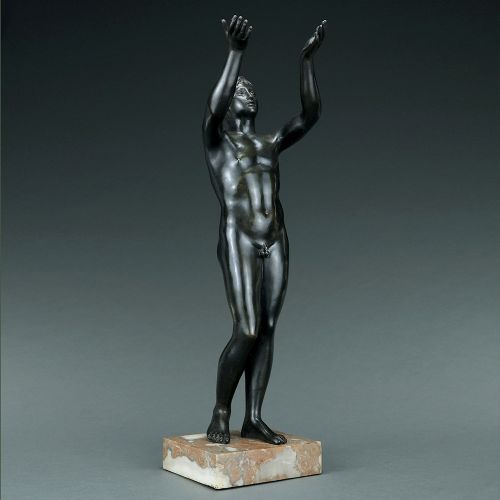
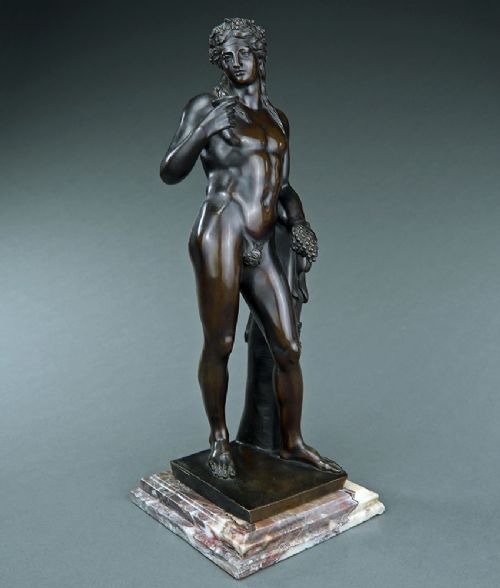
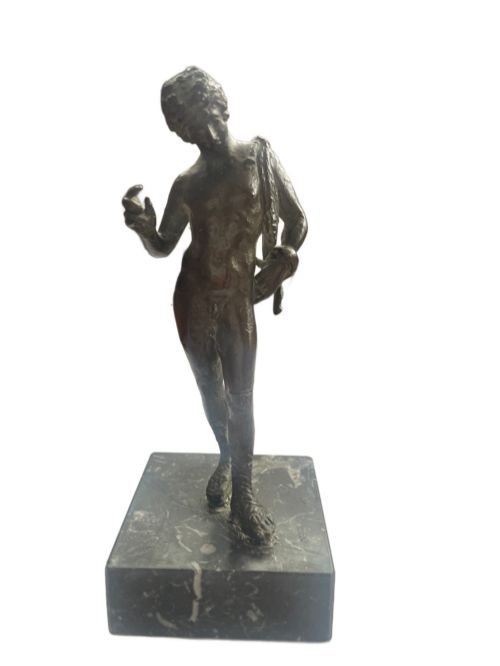
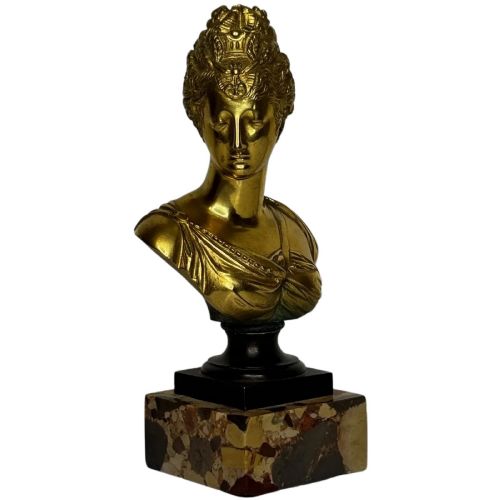
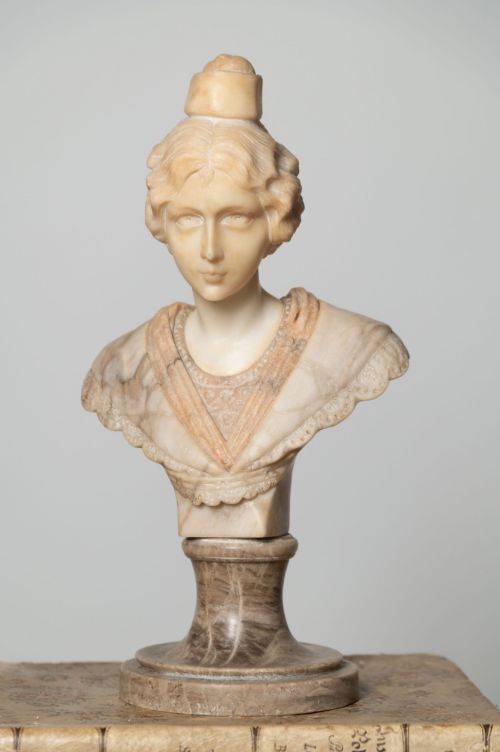
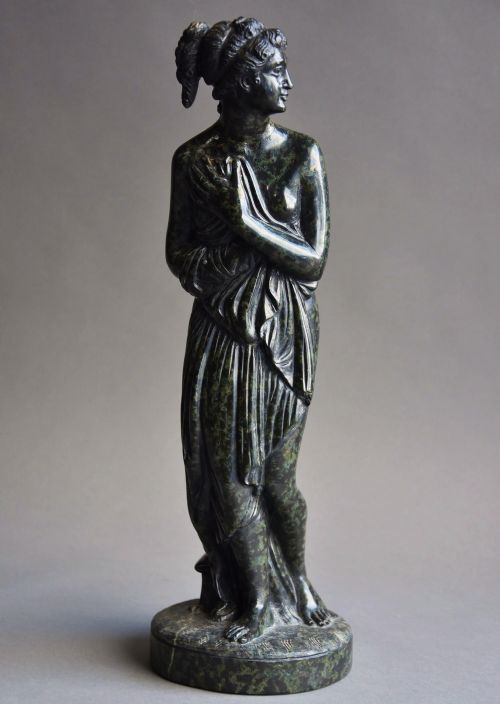
These pieces frequently emerge from the Grand Tour tradition of the nineteenth century, when travellers collected carved stone and bronze souvenirs in Italy. Surviving examples range from depictions of Venus and Narcissus to portraits of historical figures mounted on contrasting mineral bases.
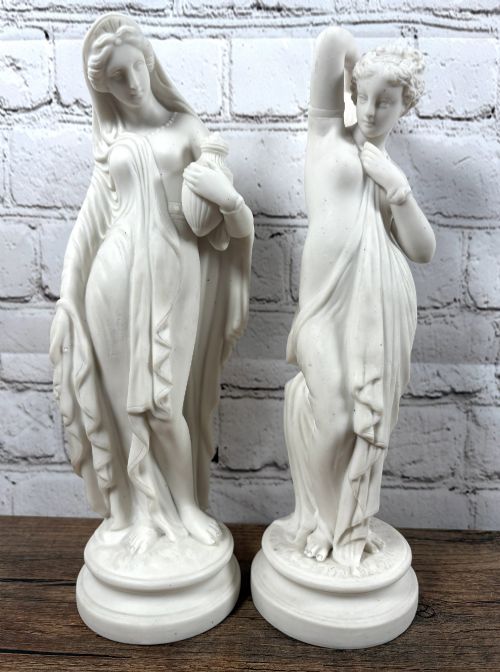
The materials span white Carrara marble, fossil marble, and alabaster, often paired with cast bronze or ormolu elements. They offer a tangible connection to neoclassical taste without requiring the scale of museum sculpture.
Materials and Techniques
The creation of these works relies on the direct carving of stone or the casting of metal combined with stone plinths. Sculptors utilised fine-grained marbles and translucent alabaster, shaping the material with chisels and rasps to achieve soft drapery and smooth musculature.
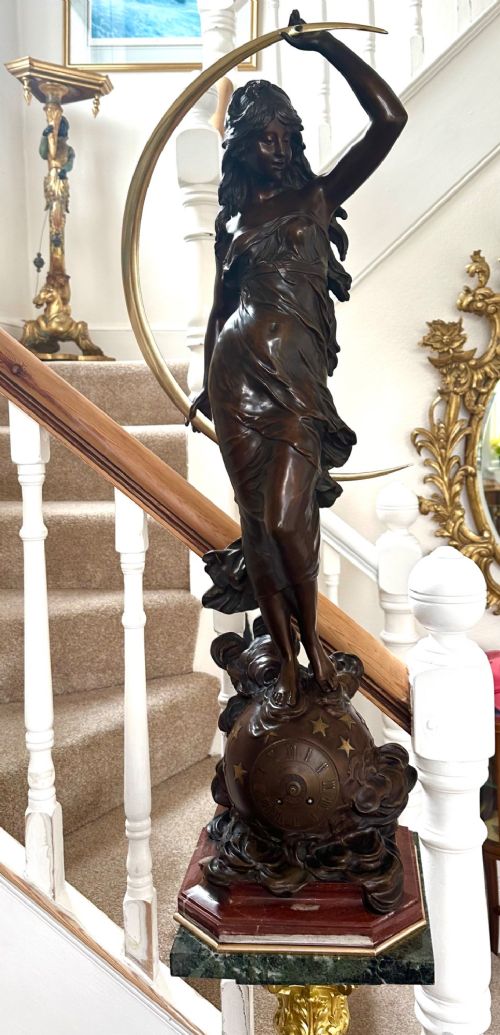
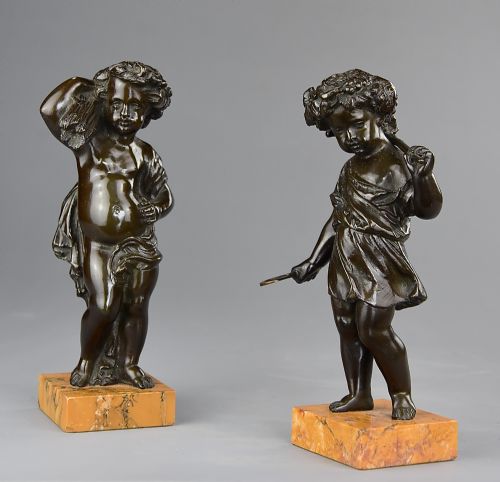
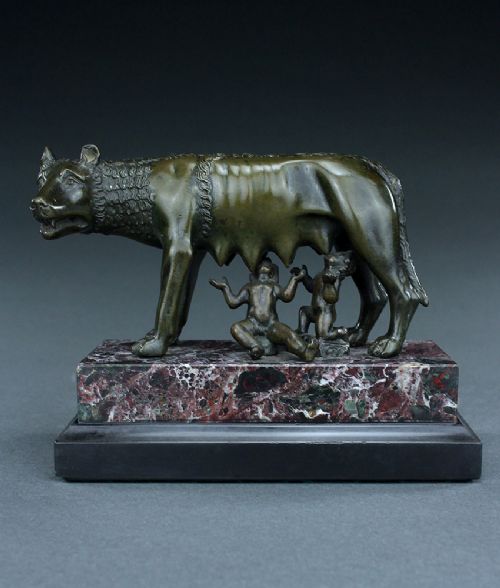
Many sculptures combine materials, mounting carved marble or alabaster figures onto heavy bases of serpentine, red marble, or ormolu. Bronze components were produced via the lost-wax casting method, then chased and patinated to complement the pale tones of the stone.
Classical Marble Statuette Retail Price Guide 2026
Typical asking prices for classical marble statuette among the pieces listed under this phrase on Sellingantiques today, from the lower quarter to the upper quarter. They describe what is for sale here now, not the wider market.
Materials recorded across the inventory include Carrara marble, alabaster, bronze, ormolu, and various coloured decorative stones such as serpentine and red marble.
Evaluating Quality
The selection of the base contributes significantly to the overall merit of the piece. Superior examples utilise rich stones such as Rosso Levanto or fossil marble, fitted tightly to the bronze or stone figure above.
August Moreau·Antonio Canova·Cellini·Fritz Kochendorfer·Carl Kauba·Claire Colinet
The Classical Marble Statuette Glossary
- Grand Tour
- A traditional trip through Europe undertaken by upper-class Europeans, resulting in the collection of art and antiquities. Statuettes acquired on these journeys often replicate famous ancient sculptures found in Italian galleries.
- Carrara marble
- A type of white or blue-grey marble mined from the city of Carrara in Tuscany. It is prized by sculptors for its fine, uniform grain and slight translucency.
- Alabaster
- A fine-grained mineral commonly used for carving statues and vases. It is softer than marble and possesses a warm, translucent quality that mimics human skin.
- Ormolu
- Gilded bronze used for mounts and decorative bases. The technique involves applying a mercury and gold amalgam to cast bronze before heating.
- Patina
- The surface sheen or colour that develops on bronze over time through age and handling. Makers also applied chemical patinas intentionally to achieve specific dark brown or green tones.
Classical Marble Statuette: Frequently Asked Questions
What is a Grand Tour statuette?
A Grand Tour statuette is a small souvenir figure purchased by travellers in Italy during the eighteenth and nineteenth centuries. These pieces were cast in bronze or carved in marble to replicate famous classical antiquities.
They served as portable reminders of classical art and education, designed to be displayed on desk tops, libraries, or cabinets in European homes.
How do I care for marble and alabaster?
Marble and alabaster require gentle dusting with a soft, dry cloth. Avoid using water, oils, or commercial cleaning products, as these porous stones absorb moisture and can stain easily.
Alabaster is notably softer than marble and dissolves slightly in water, meaning it must be kept strictly away from damp environments.
Are these pieces originals from antiquity?
The majority of pieces found in this category date from the nineteenth century, created during the neoclassical revival. They are interpretations or reductions of ancient Greek and Roman sculptures rather than archaeological finds from antiquity.
Maker signatures or specific casting marks often help date these nineteenth-century reinterpretations accurately.
Why are figures mounted on different coloured stones?
Makers mounted bronze and marble figures onto contrasting mineral bases to add stability and visual weight. Dark or richly veined stones like serpentine or red marble frame the pale sculpture effectively.
This practice stems from the Grand Tour period, when workshops utilised local Italian decorative stones to finish souvenir sculptures.