


Classical Gold Oval Frame
Classical gold oval frame pieces bring neoclassical elegance and period warmth to a room through gilded mirrors and portraits.
Classical Gold Oval Frame
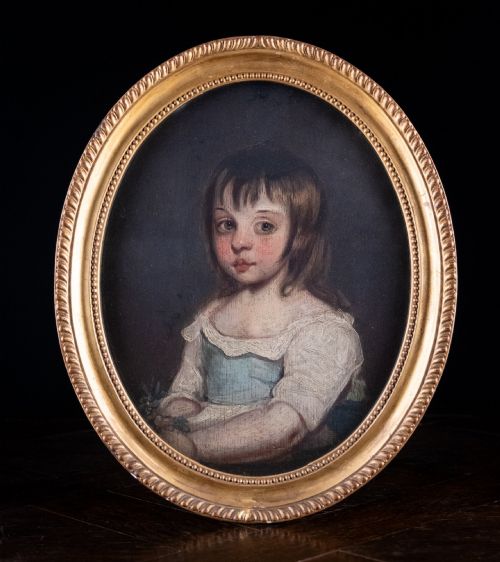
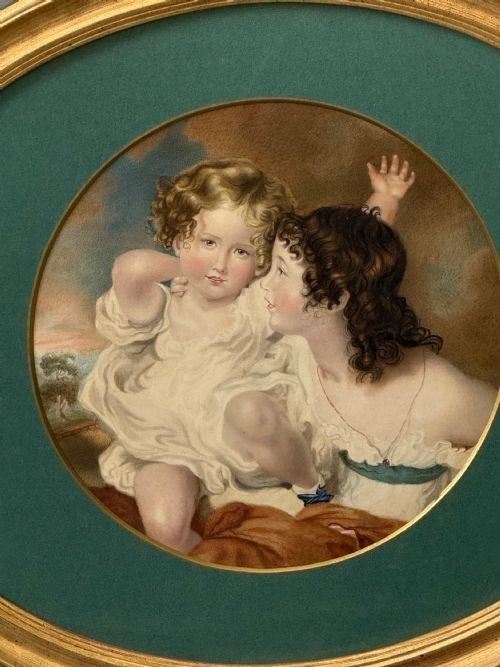
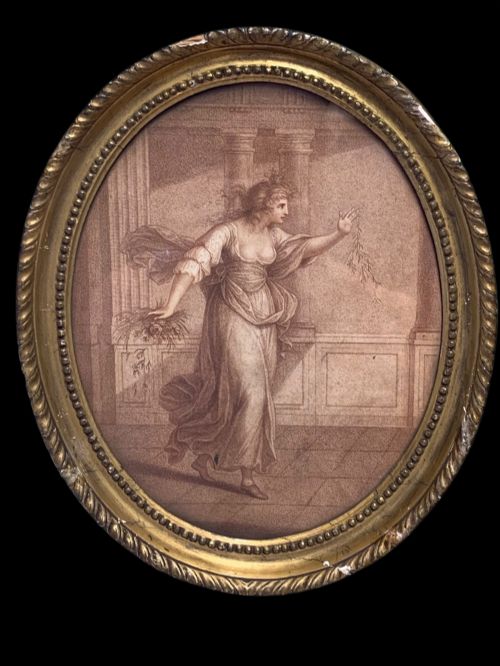
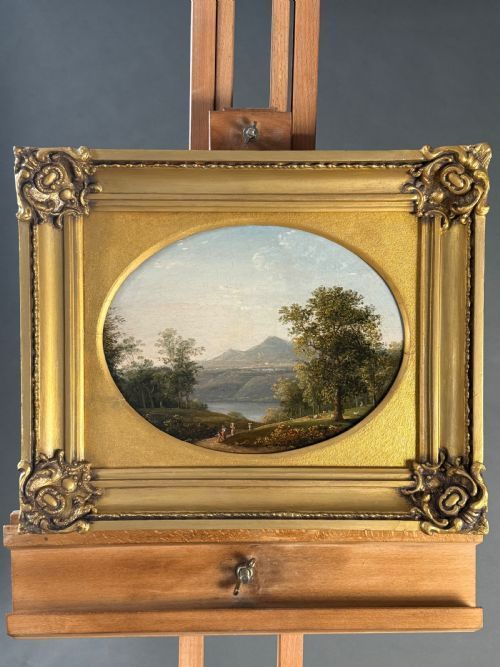
A classical gold oval frame surrounds oil paintings, watercolours, prints, and wall mirrors shaped in balanced curves. These pieces originate from periods spanning the late seventeenth century through the Edwardian era, incorporating styles such as Regency, Georgian, Neoclassical, and Baroque.
Mirrors and portraits dominate the selection, often taking the form of wall mirrors or painted likenesses housed in giltwood and gesso enclosures. Buyers encounter everything from early eighteenth-century carved wall mirrors to nineteenth-century French ormolu photo frames and Edwardian gilt mirrors.
The aesthetic leans heavily on classical revivalism, drawing from Adam revival designs and Renaissance motifs. Such pieces function primarily as decorative wall focal points, combining reflective glass or fine portraiture with ornate gilded framing.
Materials and Construction Techniques
Makers shaped these items primarily from wood, applying gesso to create raised ornamental details before laying gold leaf over the surface to achieve a rich gilt finish. Giltwood and gilt wood frameworks provide the structural foundation for many of the mirrors and paintings.
Surrounding elements include glass, paper, and canvas, holding mediums such as oil paint, watercolour, and pastel. Metalwork appears in materials like pinchbeck and ormolu, particularly in smaller items such as photo frames and cameos.
Carving techniques vary from elaborate high-relief ornamentation on early eighteenth-century looking glasses to refined moulding on later nineteenth-century pieces. The integration of parcel gilt highlights on mahogany grounds demonstrates alternative methods of achieving a gilded aesthetic.
Several portraits quietly star animals and children, including a country girl, young ladies, and a boy in red.
Distinguishing Quality Across the Range
Quality rests upon the depth and intricacy of the hand-carved detail within the wood and gesso, alongside the purity of the gilding. Early carved examples demonstrate superior handcraftsmanship compared to later mass-produced moulded ornament.
The preservation of the original surface finish dictates desirability, with undisturbed patination on the gold leaf holding greater visual harmony. Finer mirrors retain clear, undisturbed glass plates that match the age of the surrounding frame.
Artistic execution within the enclosed paintings, portraits, or prints elevates the overall standing of the piece. Works linked directly to identifiable artistic circles or executed with superior pastel and oil technique command stronger visual presence.
Jacob Philipp Hackert·Sir Thomas Lawrence·Élisabeth Louise Vigée Le Brun·William Edward Frost·Michael Dahl
The Classical Gold Oval Frame Glossary
- Giltwood
- Wood that has been coated with gold leaf or a gold-coloured metallic finish. This technique creates a luminous, reflective surface popular in classical framing.
- Gesso
- A plaster-like mixture applied to wood frames to create a smooth surface for carving and gilding. It allows craftsmen to model intricate relief ornamentation.
- Ormolu
- Finely chased and gilt bronze applied to decorative objects and frames. The technique flourished in French decorative arts during the nineteenth century.
- Pinchbeck
- An alloy of copper and zinc developed to imitate gold. It provides a warm metallic appearance in smaller items like frames and jewellery.
- Neoclassical
- A style inspired by the classical art and architecture of ancient Greece and Rome. It emphasises symmetry, proportion, and restrained ornamentation.
Classical Gold Oval Frame: Frequently Asked Questions
How do I style a classical gold oval frame?
Hang these pieces against solid wall colours to let the bright or muted gilt finish stand out. They work well as solitary focal points above mantelpieces or interspersed within a larger gallery wall arrangement.
Ensure the hanging height allows the curved proportions to draw the eye naturally. Pairing them with traditional or transitional furnishings enhances their historic character.
What periods do these frames represent?
The pieces span from the late seventeenth century through the Georgian, Regency, and Victorian periods, extending into Edwardian times. Each era brings distinct carving depths and gilding tones.
Early pieces often feature deep hand-carved wooden frames, while later Victorian and Edwardian examples may incorporate moulded gesso or revival styles like Adam and Renaissance.
Are these items strictly mirrors?
No, the selection encompasses a variety of mediums housed within the oval format. Alongside wall mirrors, you will find oil paintings, watercolours, pastel portraits, stipple engravings, and framed prints.
Some smaller items also include ormolu photo frames, miniature paintings, and shell cameos. Each object utilises the oval gilt enclosure to frame its specific visual subject.
How do I care for antique gilt surfaces?
Dust the frames gently with a soft, dry brush to prevent accumulation in the carved crevices. Avoid liquid cleaners, chemical sprays, or abrasive cloths that can strip the delicate gold leaf or damage the underlying gesso.
Keep the pieces away from direct sunlight and excessive humidity to protect both the wooden substrates and any enclosed paper or canvas artworks.