

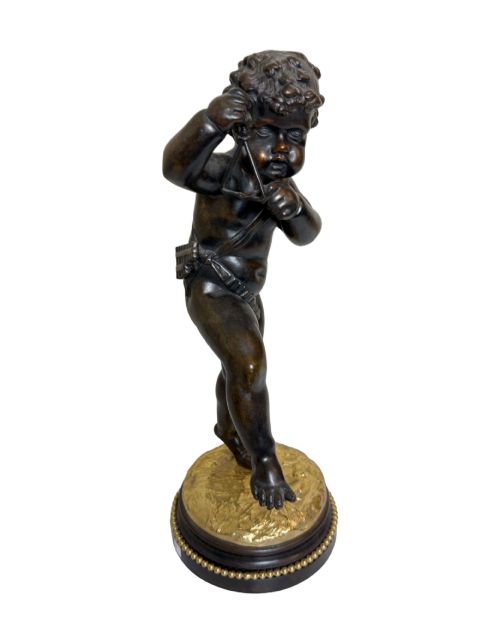
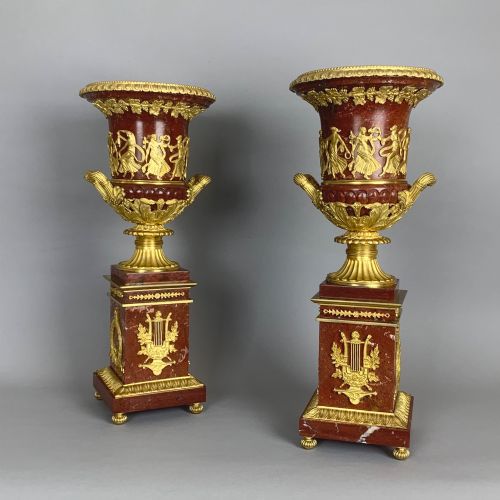
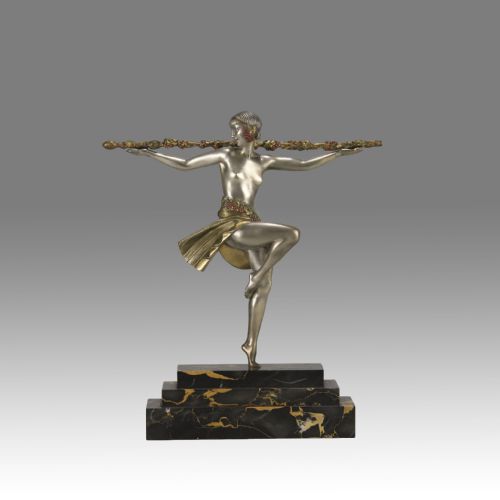
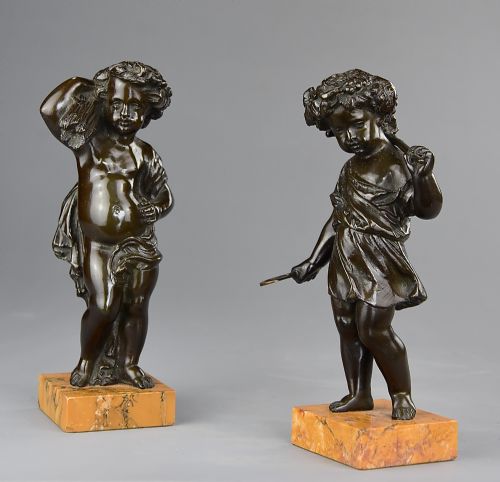
Classical French Bronze Figure
A classical french bronze figure brings mythological subjects and historical figures into a room through nineteenth-century metalwork.
Classical French Bronze Figure
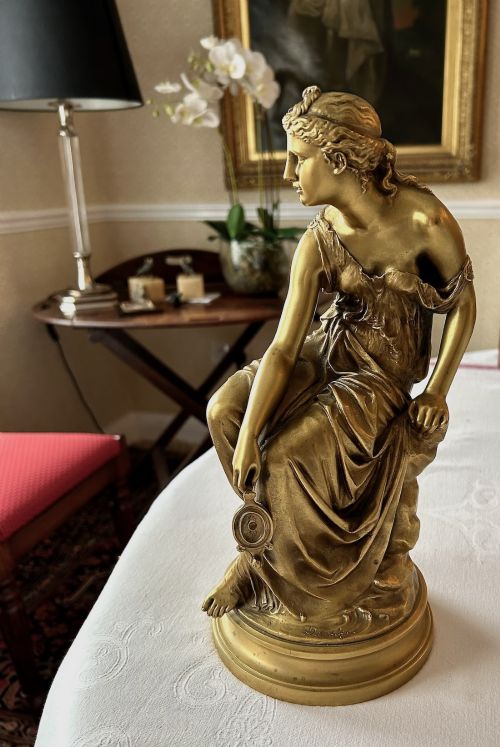
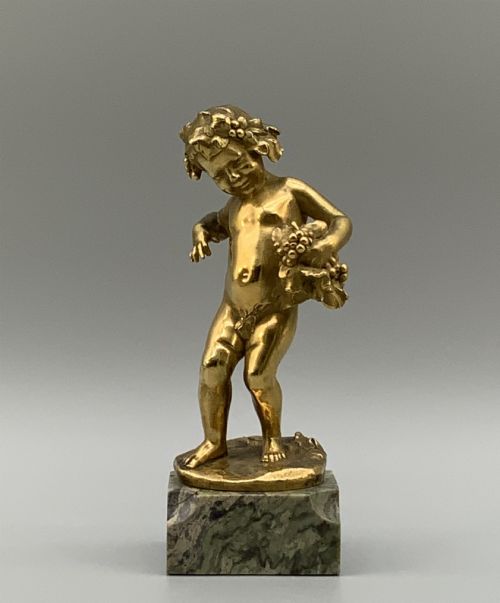
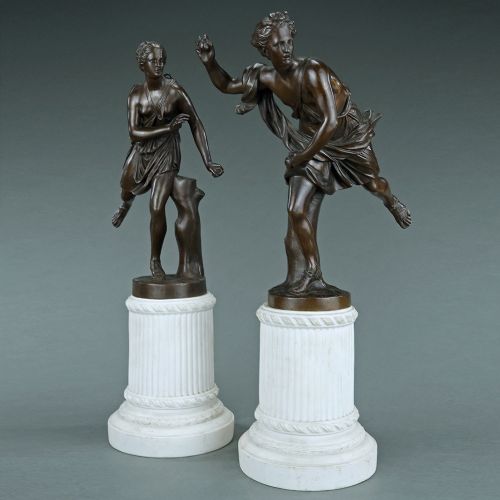
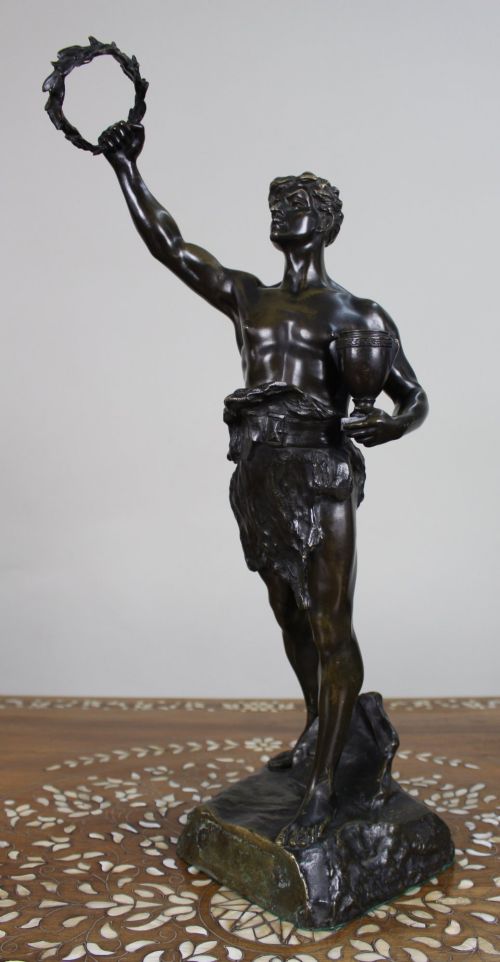
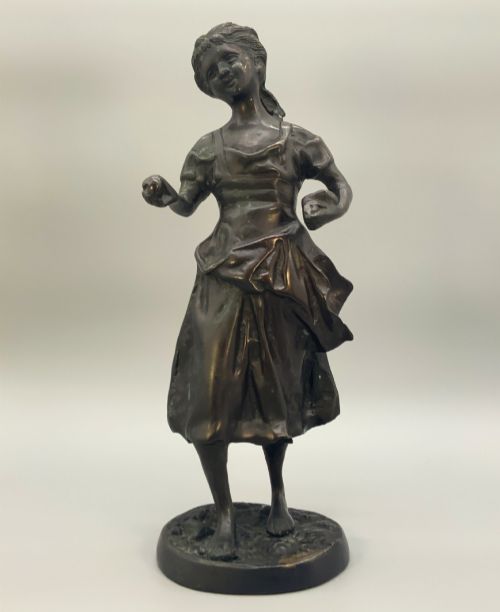
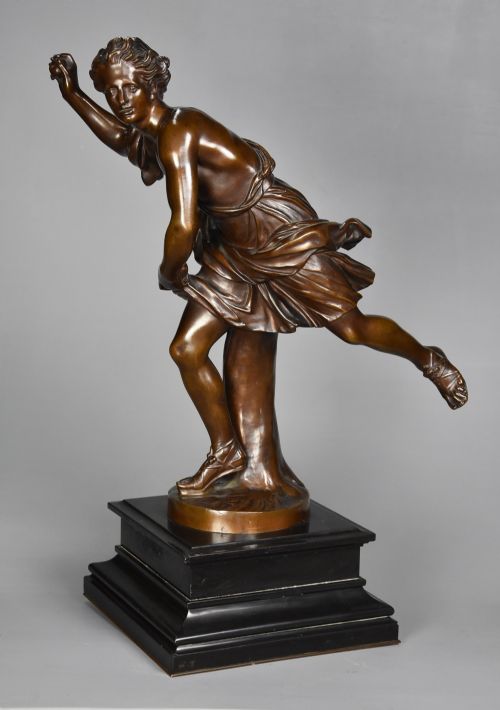
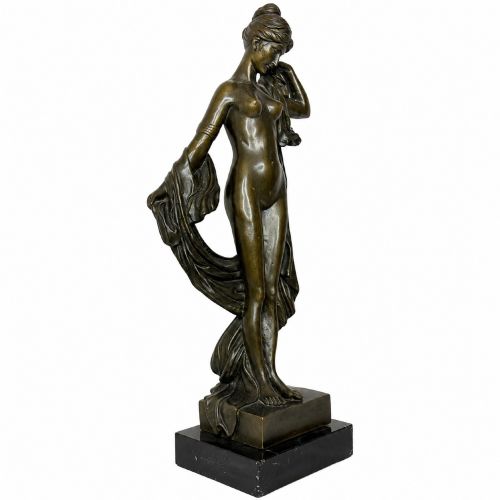
A classical french bronze figure represents subjects drawn from mythology, antiquity, and historical portraiture, cast during the nineteenth and early twentieth centuries. These works include figures of maidens, putti, classical heroes, and dancers derived from ancient models.
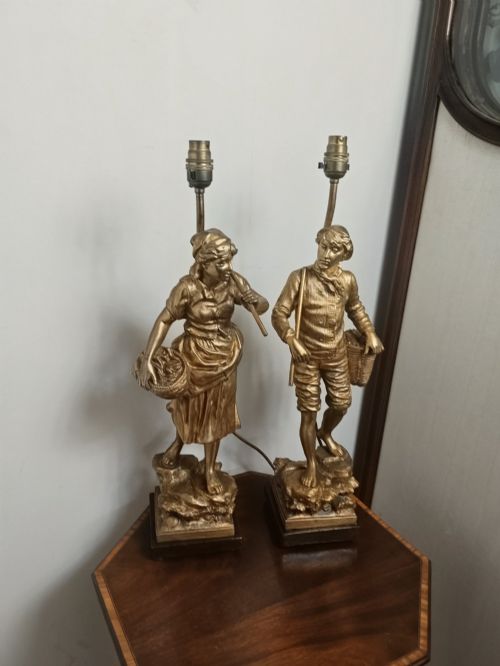
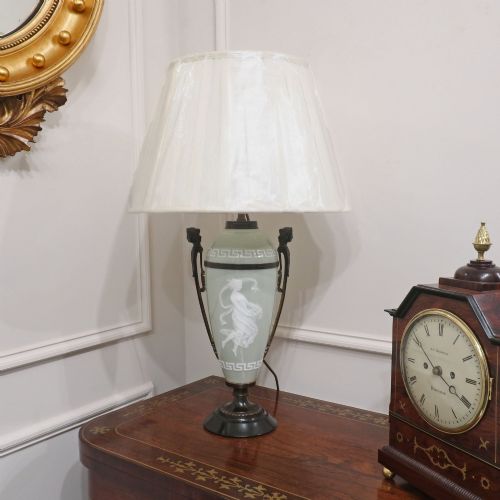
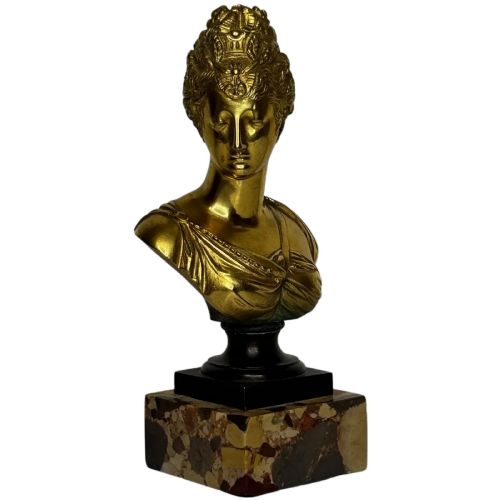
The objects take various functional and decorative forms, ranging from standalone portrait busts and full-scale sculptures to mounted elements on mantel clocks, candelabra, and table lamps. Pieces frequently show stylistic influences from the French Empire, Neoclassical, and Art Nouveau periods.
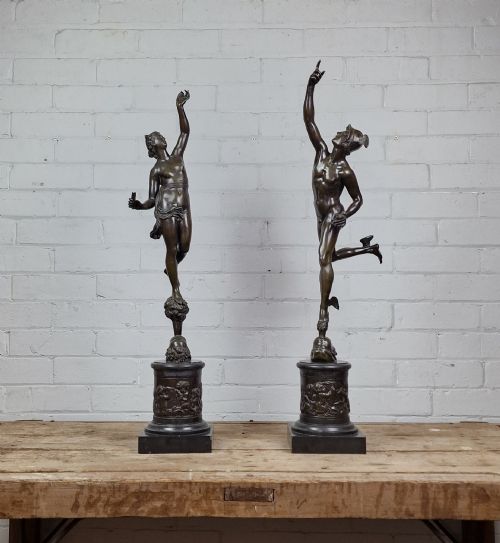
Collectors encounter figures cast by major foundries and modelled by notable sculptors alongside unsigned studio productions. The grouping spans subjects such as Mercury, Venus, and historical military leaders executed in varied sizes.
How They Were Made
Foundries produced these works using metal casting techniques to shape molten bronze into complex figural compositions. Completed casts received surface treatments such as dark patination, cold painting, or bright gilding.
Several Victorian sculptors cast cheerful putti wrestling with harvest grapes or playing musical triangles.
What Varies in Quality
The refinement of the chasing work dictates the sharpness of detail visible in fingers, facial expressions, and textile folds. Master founders achieved crisp lines that lesser commercial workshops lost in repetitive casting.
The depth and uniformity of the patination or the application of ormolu contribute to the visual presence of the object. Heavier cast bases and substantial marble plinths distinguish superior productions from lighter, hollow derivatives.
Etienne-Henri Dumaige·Susse Freres·Ferdinand Barbedienne·Pierre le Faguays·Claude Michael Clodion·Moreau Family·Pierre Philippe Thomire·Emile Louis Picault·Emile Carlier·Mathurin Moreau·Edouard Drouot
The Classical French Bronze Figure Glossary
- Patinated bronze
- Bronze that has been chemically treated to produce a darkened or coloured surface finish. This technique protects the metal and highlights sculptural contours.
- Ormolu
- Gilt bronze created by applying a finely ground gold-mercury amalgam to a bronze base and heating it. The process yields a rich golden surface found on Empire period decorative works.
- Cold painted bronze
- A process where paint is applied to a bronze object after casting without subsequent firing. This finish appears frequently on early twentieth-century decorative figures.
- Pate sur pate
- A ceramic decorating technique involving the application of liquid clay layers to create a raised cameo effect. Pieces incorporating this method often pair with gilt bronze mounts.
- Grand Tour
- A cultural journey undertaken by wealthy Europeans to study classical antiquities. Figures collected on these trips often replicated famous ancient sculptures.
Classical French Bronze Figure: Frequently Asked Questions
What subjects do these figures show?
These sculptures depict figures from Greek and Roman mythology, including gods, nymphs, putti, and classical heroes. Historical personages such as Napoleon and portraits of maidens also appear frequently.
Foundries often based these representations on famous ancient sculptures or works by Renaissance masters, adapting them for nineteenth-century interiors.
Where were these bronzes placed originally?
Owners displayed these objects on mantelpieces, library tables, and pedestals within formal reception rooms. Many examples served dual purposes as components of clocks, candelabra, or functional lighting.
Larger scale pieces stood directly on the floor or on dedicated marble columns to anchor architectural spaces.
How do I identify the foundry?
Foundry stamps, signatures, and artist names typically appear cast directly into the bronze base or along the edge of the plinth. Clear lettering often points to established Parisian workshops that managed production for prominent sculptors.
Absence of a signature does not preclude quality, as many commercial studios produced unsigned decorative items.
How do I care for antique bronze?
Dust the surface regularly with a soft, dry cloth to prevent accumulation in recessed details. Avoid using liquid polishes or abrasive cleaners that can strip patination or damage applied gilding.
Keep the metal away from direct sunlight and damp environments to preserve the integrity of the surface finish.