


Classical Floral Wall Art
Classical floral wall art brings centuries of rich botanical painting into your home through oil on canvas, panels, and giltwood frames.
Classical Floral Wall Art
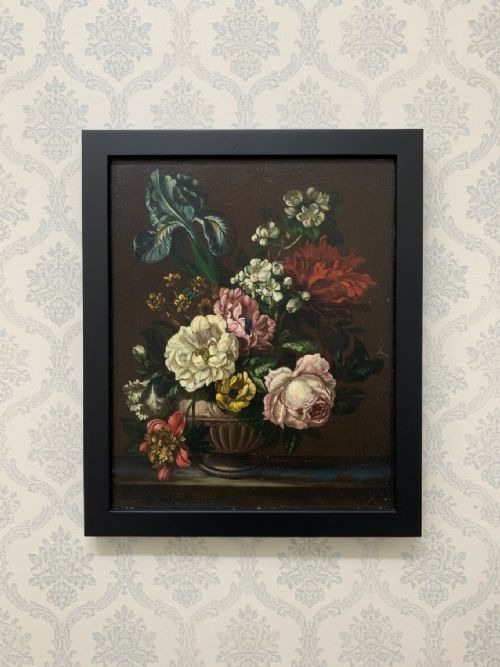
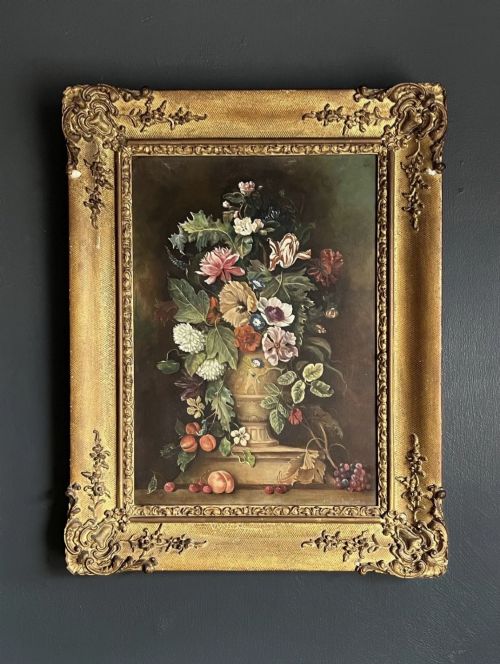
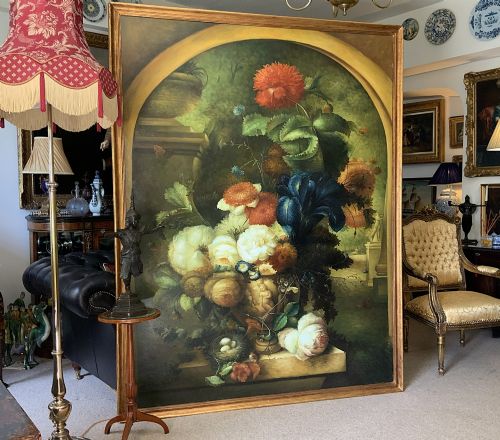
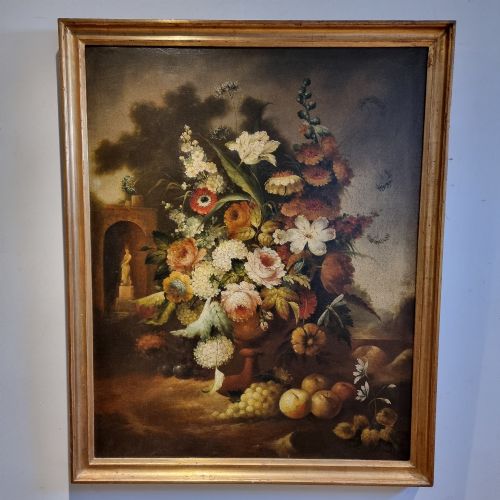
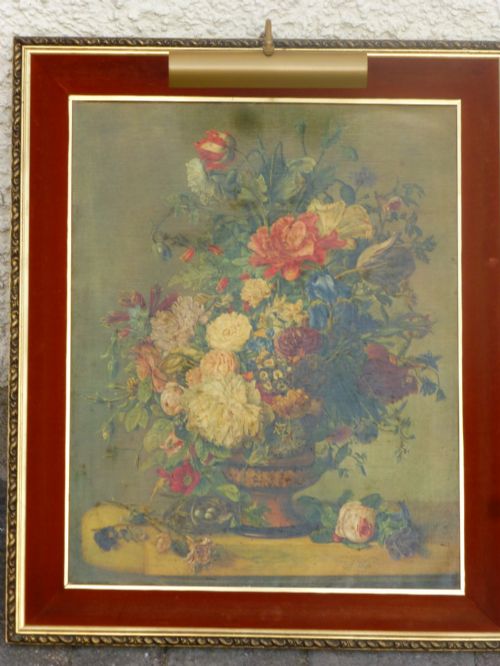
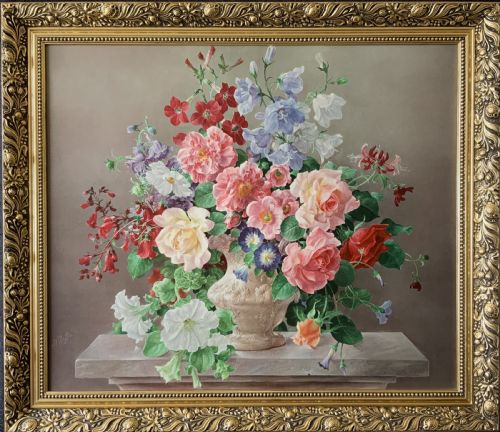
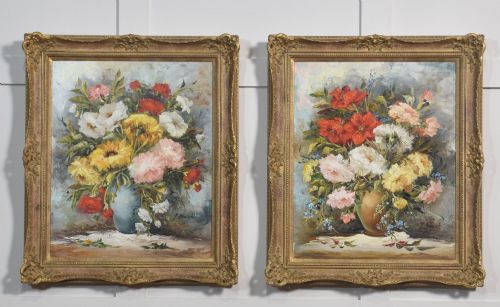
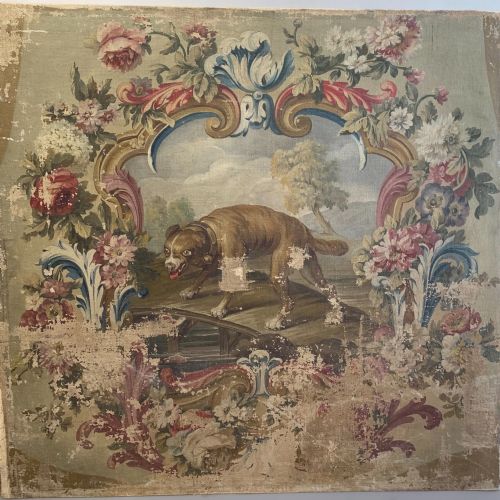
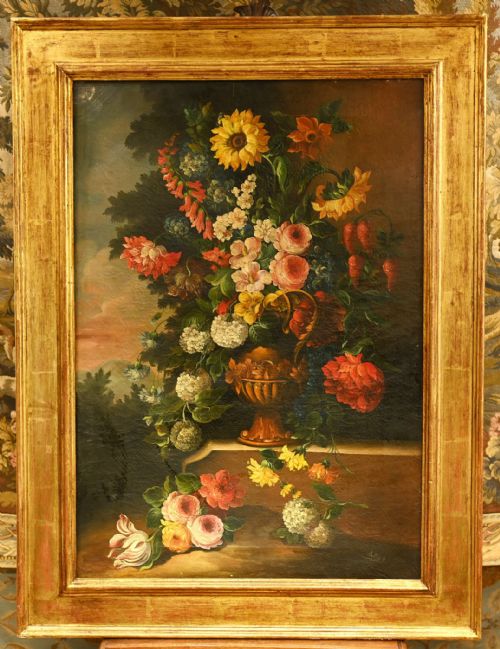
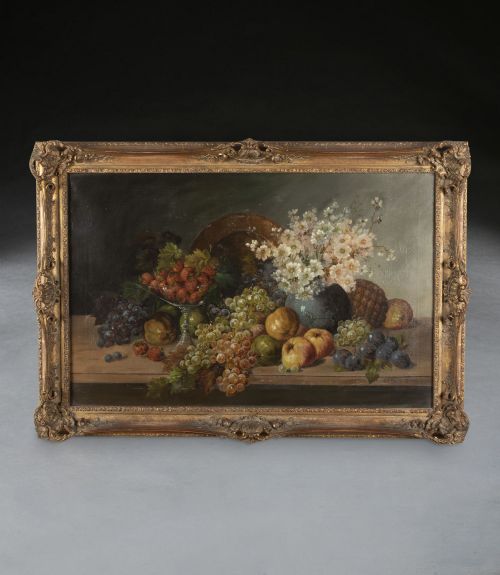
Classical floral wall art encompasses traditional oil paintings, portraits, and still life compositions focused on botanical subjects, flowers, and fruit. When you search for classical floral wall art, you encounter oil paintings, oil on canvas works, and painted panels spanning from the seventeenth century through to the twentieth century.
Origins range across English, Dutch, Italian, and Hungarian traditions, with notable compositions that reflect the enduring appeal of floral and fruit arrangements rendered in oil paint, watercolour, and print.
Materials and Technique
Artists painted primarily with oil paint on stretched canvas, wood panels, or board, applying pigments to build up layered compositions of flowers, fruit, and foliage. Many of these works employ techniques associated with seventeenth century Dutch masters, capturing fine botanical details and subtle play of light against dark backgrounds.
Frames play an integral role in the construction of these pieces, utilising carved wood, gesso, and gold leaf or giltwood. Gilding and gesso moulding create ornate, reflective surrounds that complement the rich tones of the oil paintings they enclose.
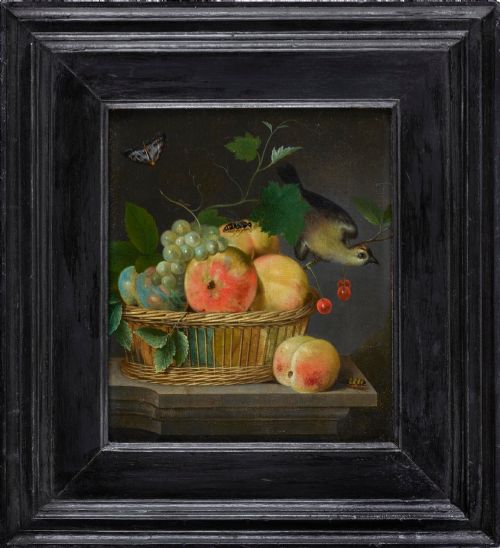
Some floral arrangements hide a solitary bird or a stray beetle among the petals.
Assessing Quality
Quality in these works resides in the dexterity of the brushwork, the depth of the botanical arrangement, and the harmony between the painting and its frame. Superior examples demonstrate confident handling of oil paint, particularly in the rendering of petals, light sources, and textures.
The integrity and period correctness of the frame also influence the overall standing of a piece, as original gilt gesso and gilded wood surrounds complement the age and style of the canvas they house.
Anton Weiss·Harold Clayton·Manuela Bonati·Bela Balogh·Henry Schouten·Kershaw Schofield
The Classical Floral Wall Art Glossary
- Still life
- A painting or drawing arrangement representing inanimate everyday objects, typically including natural items such as flowers and fruit. These compositions often carry symbolic meanings related to transience and abundance.
- Giltwood
- Wood that has been treated with gold leaf or a gold-coloured metallic finish. This technique was widely utilised for decorative frames on oil paintings.
- Gesso
- A plaster-like material applied to wood or canvas as a base for paint or gilding. It allows for intricate moulded details on picture frames.
- Oleograph
- A mechanical print textured to resemble an oil painting. These prints emerged in the nineteenth century as an accessible alternative to original works.
Classical Floral Wall Art: Frequently Asked Questions
What is classical floral wall art?
Classical floral wall art comprises traditional oil paintings and still life studies depicting flowers, fruit, and botanical arrangements. These works draw heavily on historical European painting traditions, particularly the Dutch Golden Age and Baroque periods.
Buyers searching in this category typically find oil on canvas works, painted panels, and framed watercolours dating from the seventeenth century through to the twentieth century.
How do I care for an oil painting?
Protect oil paintings from direct sunlight and extreme fluctuations in temperature or humidity, which can cause canvas and wood panels to warp or crack. Keep the surface clean by gently dusting with a soft, dry brush.
Avoid using water, chemical cleaners, or damp cloths on the canvas or the giltwood frame, as moisture can damage both the paint layers and the underlying gesso.
How do I identify the period?
Dating these artworks involves examining the materials, canvas preparation, pigments, and the style of the frame. Seventeenth and eighteenth-century works often feature hand-woven canvas and specific panel constructions, while later revival pieces from the nineteenth and twentieth centuries utilise different stretchers and framing techniques.
Signatures, stamps on the reverse, and stylistic markers such as Dutch Baroque Revival or Victorian aesthetics also provide clear indications of the era.