


Classical Fine Art Oil
Classical fine art oil paintings bring centuries of historical portraiture and mythological narrative into a room through rich canvas and pigmented depth.
Classical Fine Art Oil
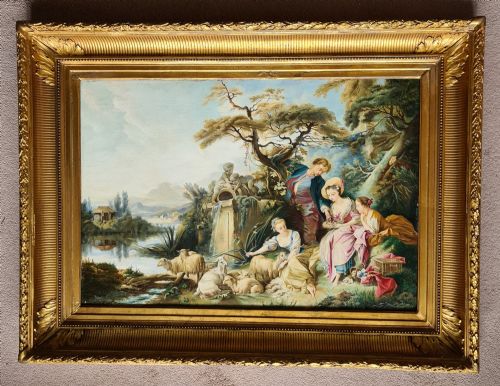
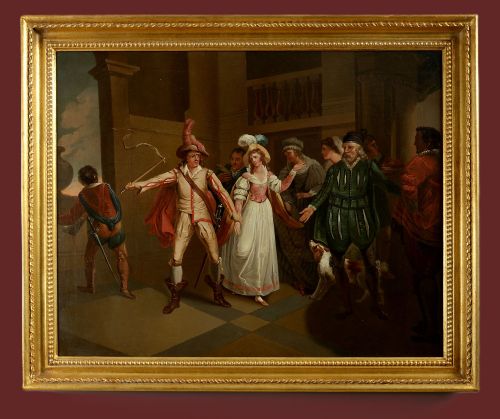
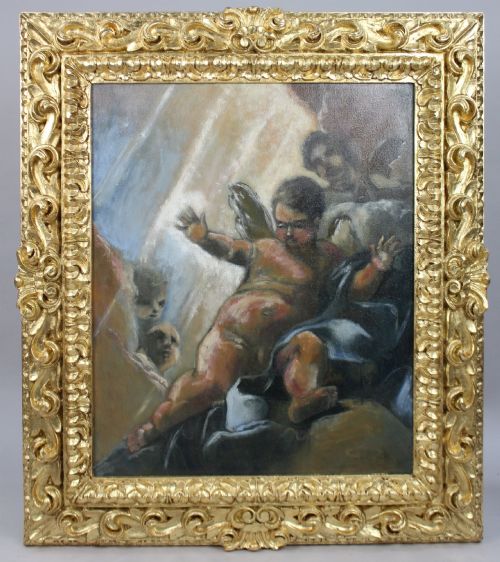
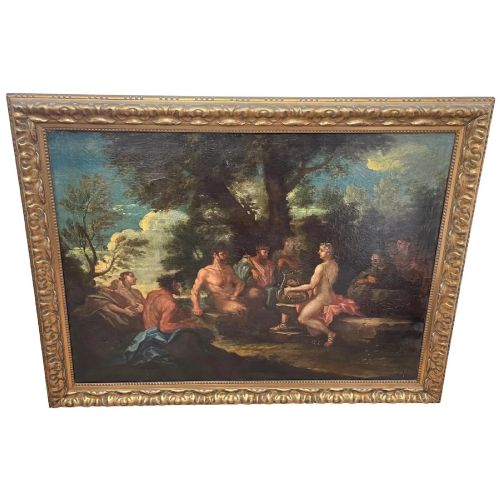
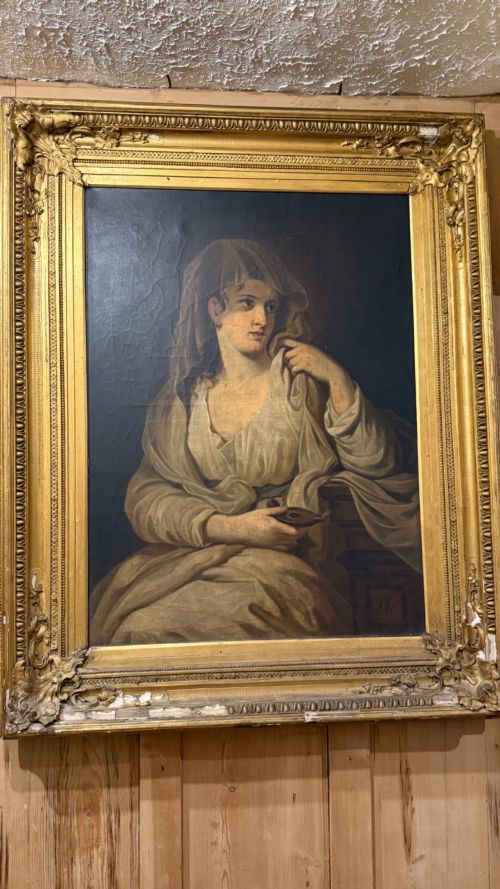
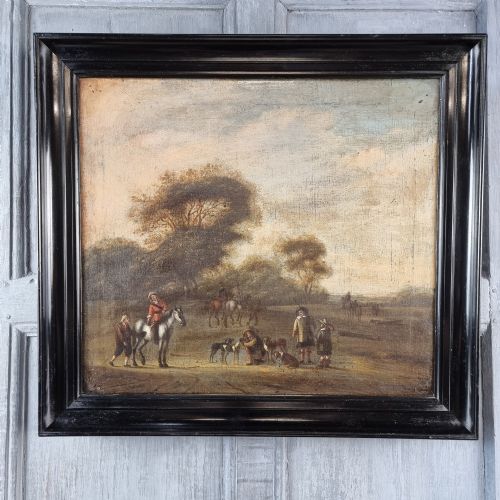
When buyers search for classical fine art oil, they encounter historical portraiture, pastoral landscapes, and mythological scenes originating from centuries past. The selection on this page spans from the seventeenth century through the Victorian era, capturing the shifting aesthetic priorities of European schools.
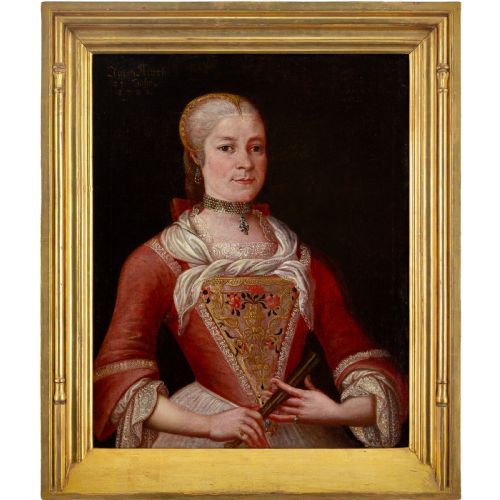
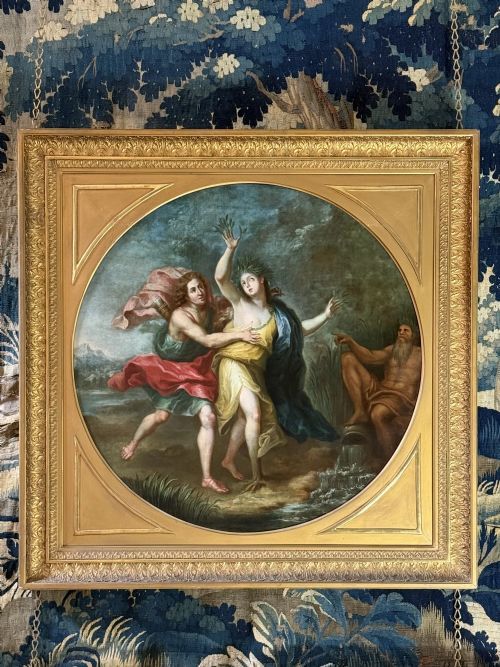
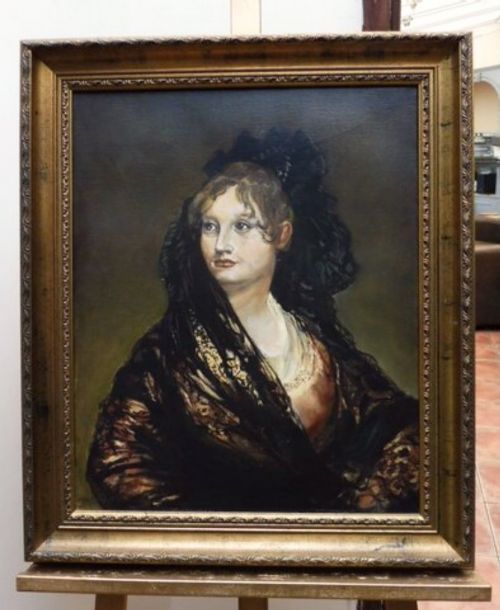
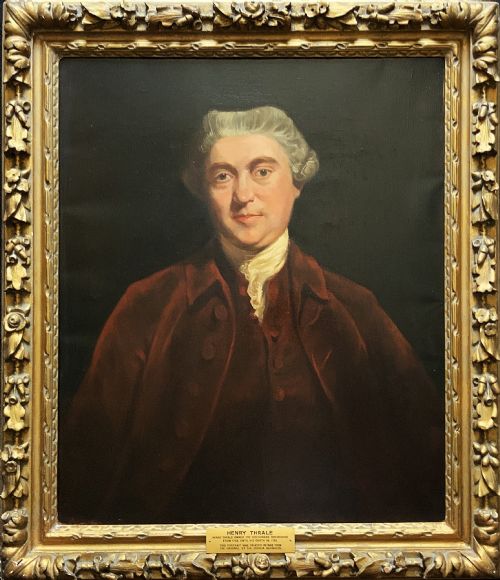
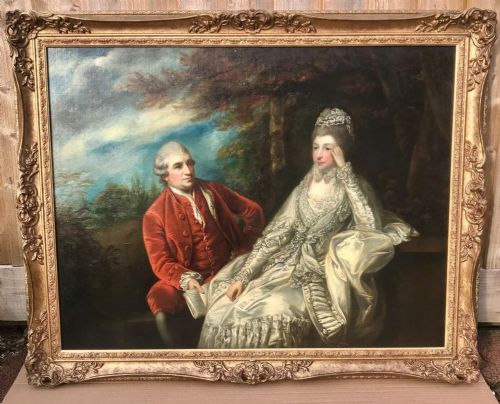
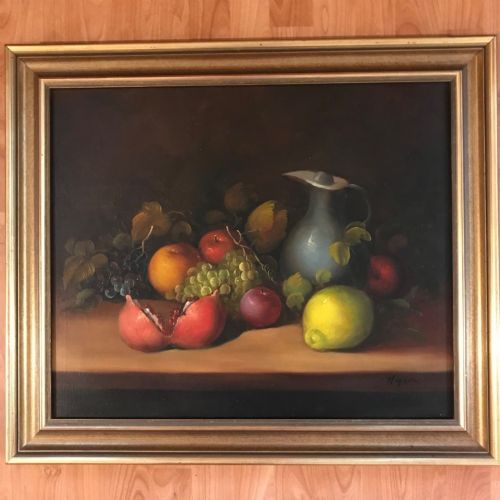
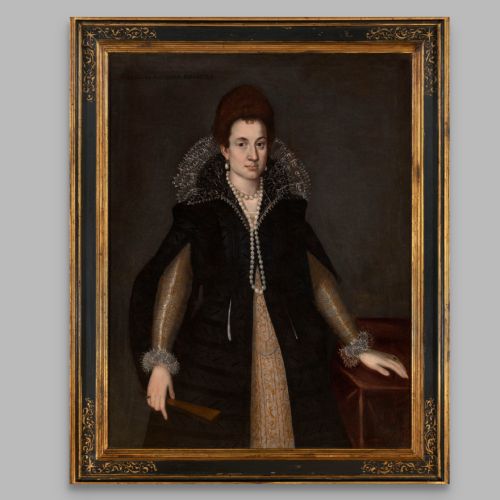
Most pieces take the form of framed oil paintings on canvas or panel, depicting aristocratic figures, allegorical subjects, or dramatic narratives. Works attributed to regional schools alongside named artists demonstrate the broad reach of traditional painting methods.
The subjects range from formal portraits of country gentlemen and noble ladies to classical tales drawn from Greek and Roman mythology. These canvases reflect the interior tastes of Georgian and Victorian collectors who favoured figurative work and narrative depth.
Materials and construction methods
The physical foundation of these works relies upon oil paint applied to stretched canvas, wood panels, or zinc plates. Artists built up their compositions using layered pigments that allowed for subtle transitions of light and shadow.
Frames form an integral component of the pieces, utilising carved giltwood, gesso, and gold leaf to complement the painted surface. These ornate surrounds reflect the craftsmanship of period framemakers who matched the visual weight of the art.
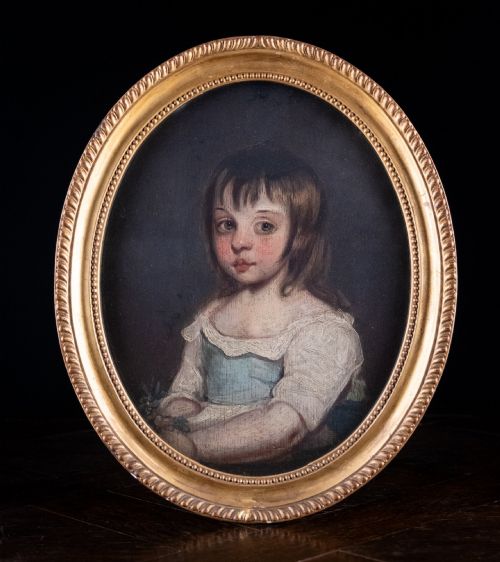
Several portraits quietly record the steady gaze of historical sitters who lived centuries before the invention of the electric light bulb.
Distinctions in execution and preservation
Quality in these works rests upon the precision of the brushwork, the anatomical accuracy of figurative elements, and the depth of the composition. Superior examples display confident handling of light and shade that creates a convincing sense of volume and presence.
The condition of the painted surface and the integrity of the original support heavily influence the standing of a piece. Retaining the original carved giltwood frame without excessive later restoration preserves the historical context of the artwork.
Charles Antoine Coypel·Sir Joshua Reynolds·Robert Byng·Jacob Philipp Hackert·William Etty
The Classical Fine Art Oil Glossary
- Oil on Canvas
- A traditional painting technique where pigmented oil paint is applied to a woven fabric support stretched over a wooden frame. This medium allows for prolonged working times and rich colour blending.
- Giltwood
- Wood that has been coated with a thin layer of gold leaf or gold powder over a prepared ground. It provides a luminous, reflective border for historical paintings.
- Gesso
- A paint mixture consisting of a binder mixed with chalk, gypsum, or pigment, used as a prepared surface on wood panels or frames before gilding. It creates a smooth base for fine decorative work.
- Portraiture
- The representation of a particular person, group, or animal, focusing on the face and expression. Historical portraits often served to record status and lineage.
- Neoclassical
- A style deriving from the art and culture of ancient Greece and Rome, characterised by formal balance and heroic subjects. It emerged strongly in European painting during the eighteenth and nineteenth centuries.
Classical Fine Art Oil: Frequently Asked Questions
How do I hang a heavy oil painting?
Heavy oil paintings require secure fixings into structural wall studs or solid masonry using appropriate weight rated picture hooks. The substantial weight of period giltwood frames necessitates robust hardware to ensure safe wall display.
Position the centre of the canvas at standard eye level, accounting for the additional height added by ornate frames. Using a two point hanging system prevents the painting from shifting out of alignment over time.
What is the difference between canvas and panel?
Canvas consists of woven fabric stretched over a wooden frame, offering a slightly flexible surface that responds to environmental humidity changes. Wooden panels provide a rigid, stable substrate that prevents the cracking sometimes found in older woven supports.
Panels were frequently utilised for smaller or earlier works due to their durability and smooth painting surface. Both supports require stable indoor humidity to maintain the integrity of the oil paint layer.
How should I clean an antique oil painting?
Dust accumulation on the surface of an oil painting should be removed very gently using a soft, dry artist brush. Avoid applying any liquids, household cleaners, or moisture directly to the canvas or the gilded frame.
Professional conservators should handle deeper cleaning, varnish removal, or the repair of tears. Attempting DIY cleaning risks damaging the delicate layers of historical pigment underneath.
How do I identify the period of a frame?
Frame periods are identified through the profile mouldings, the composition of the gesso ornaments, and the type of corner construction used. Hand carved wooden details and early gilding techniques separate period surrounds from later replica frames.
The backing boards, fixing nails, and wear patterns on the wood also provide clues to the age of the frame. Matching a painting to its period frame enhances both its historical accuracy and its visual presence.