






Georgian Era Landscape Painting
Georgian era landscape painting brings the poetry of the countryside and the grandeur of distant travels right into the room.
Georgian Era Landscape Painting
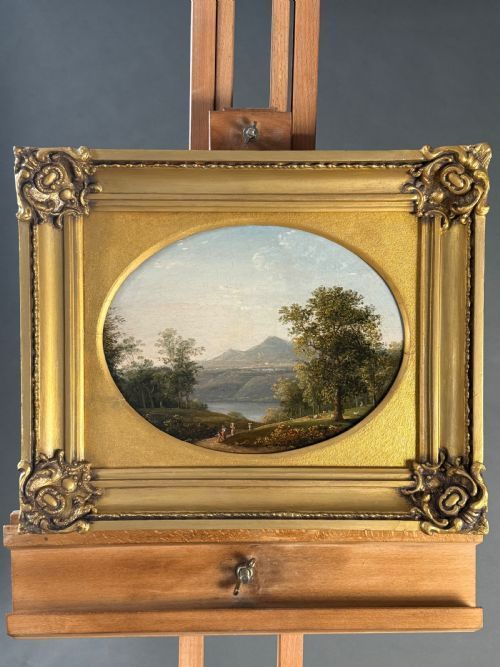
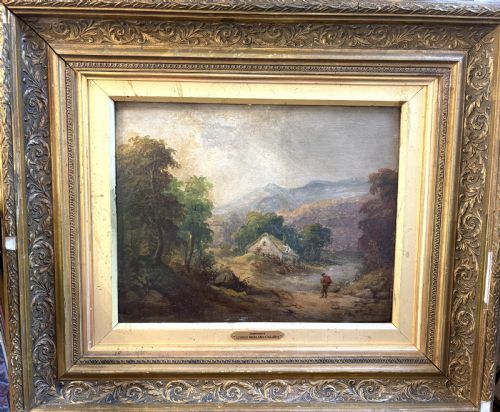
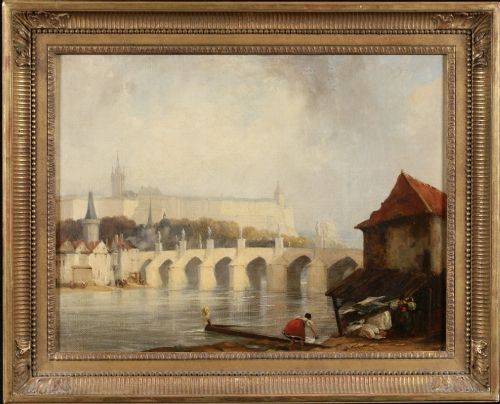
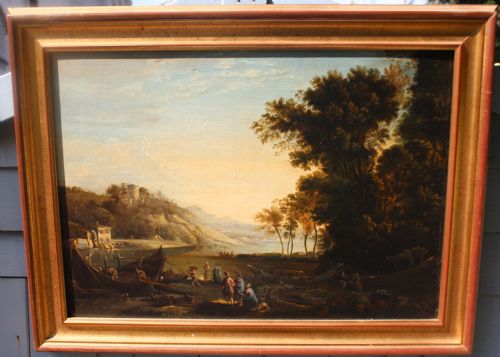
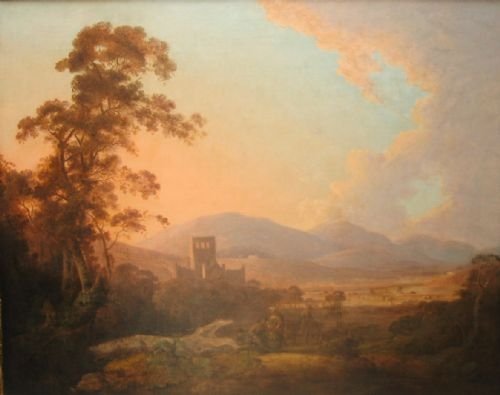
A georgian era landscape painting captures pastoral views, mountainous terrain, and architectural scenes across canvas, wood panel, and paper. These works reflect the periods of Romanticism, Neoclassicism, and the Norwich School, ranging from English countryside views to Italianate vistas.
Buyers encounter both oil paintings and watercolour paintings on this page, housed in giltwood or gilded wood frames. The selection includes works attributed to specific artists as well as pieces created in the manner of classical masters.
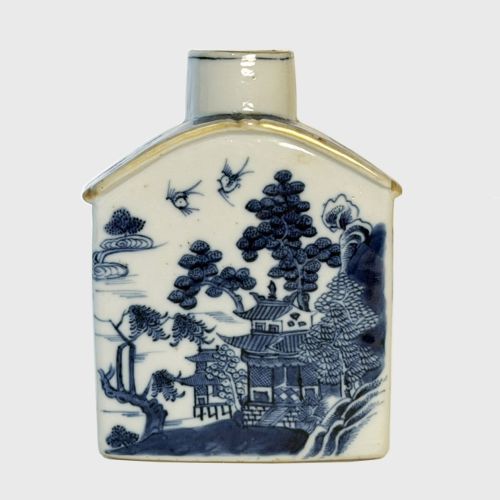
Subjects stretch from local windmills and rivers to foreign grand tour locations and ancient abbeys. The forms span framed wall art alongside related decorative objects like painted porcelain tea caddies.
Materials and methods
Artists built these works primarily using oil paint on canvas or wood panel, applying pigments to capture light and shadow across natural terrain. Watercolour paint on paper served for lighter, portable studies and finished topographical views.
Frames made from wood and finished in giltwood or gilded wood enclose many of the canvases and panels. These surrounds protect the edges and provide the reflective sheen characteristic of the period's display standards.
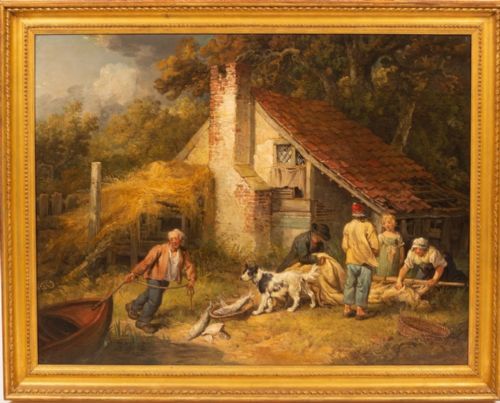
Dogs appear frequently in these rural scenes, sometimes out-walking their owners or occasionally engaging in fierce combat.
Judging the work
Quality shows in the handling of atmospheric depth and the natural movement of light across water, foliage, and stone. Stronger compositions command attention through confident brushwork and balanced perspective.
The integration of figures within the wider topography reveals the artist's skill in scale and narrative detail. Frame preservation and the stability of the underlying canvas or wood panel also contribute to the overall standing of a piece.
Benjamin Barker of Bath·Jacob Philipp Hackert·George Morland·James Ward·John Thistle·Thomas Jones·Julius Caesar Ibbetson
The Georgian Era Landscape Painting Glossary
- Grand Tour
- An extended journey through Europe undertaken by wealthy young men to study art and antiquity. Paintings from this context often depict Italian architecture and classical ruins.
- Norwich School
- The first provincial art movement in Britain, focusing on the Norfolk landscape and local scenery. Artists in this circle painted everyday rural life with direct observation.
- Giltwood
- Wood that has been coated with a thin layer of gold leaf or gold paint. Frames treated this way were standard for displaying important oil paintings.
- Oil on Canvas
- Pigment mixed with drying oil applied to a stretched woven fabric support. This combination allowed artists to build rich textures and deep colour ranges.
Georgian Era Landscape Painting: Frequently Asked Questions
What defines a georgian era landscape painting?
These works capture natural scenery, architectural ruins, and pastoral life through oil or watercolour mediums. They reflect artistic movements such as Romanticism and the Norwich School.
Subjects range from English abbeys and rivers to Italianate views encountered during continental travel.
How were these paintings displayed originally?
Landscapes of this period hung in country houses, town residences, and libraries as focal points for reception rooms. They were almost invariably set within carved and gilded wooden frames to catch the interior candlelight.
Smaller watercolours were often kept in portfolios or displayed in intimate sitting rooms rather than formal galleries.
How do I distinguish between oil and watercolour?
Oil paintings utilise thick pigments suspended in oil on canvas or wood panels, creating a textured and opaque surface. Watercolours employ water-soluble pigments on paper, yielding a translucent quality that often shows the grain of the sheet beneath.
Oils require sturdy frames and protection from moisture, whereas watercolours need glazing to prevent environmental damage.
What is the significance of the Norwich School?
The Norwich School represents a distinct regional movement of artists who painted the local Norfolk countryside, windmills, and flatlands directly from observation. Their work broke away from purely idealized classical compositions to celebrate everyday British scenery.
Painters associated with this circle recorded local topography with a fresh and observant eye.