




Classical Figure Table Lamp
A classical figure table lamp brings mythological presence and sculptural form into a room.

Classical Figure Table Lamp
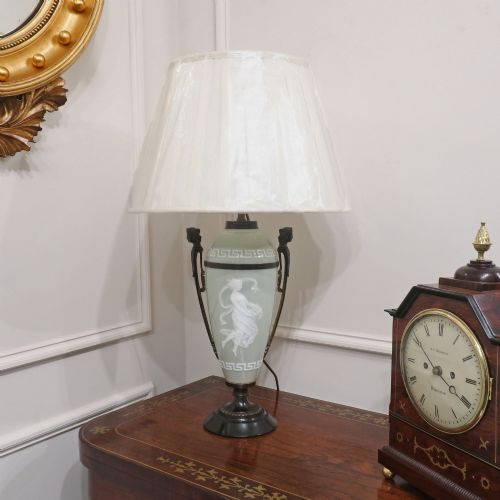
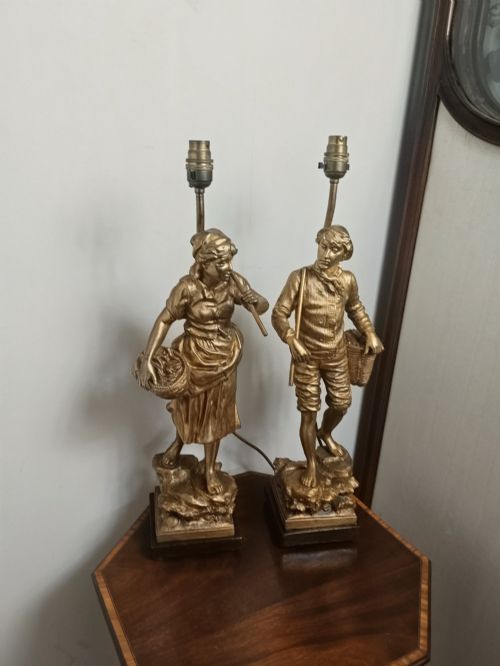
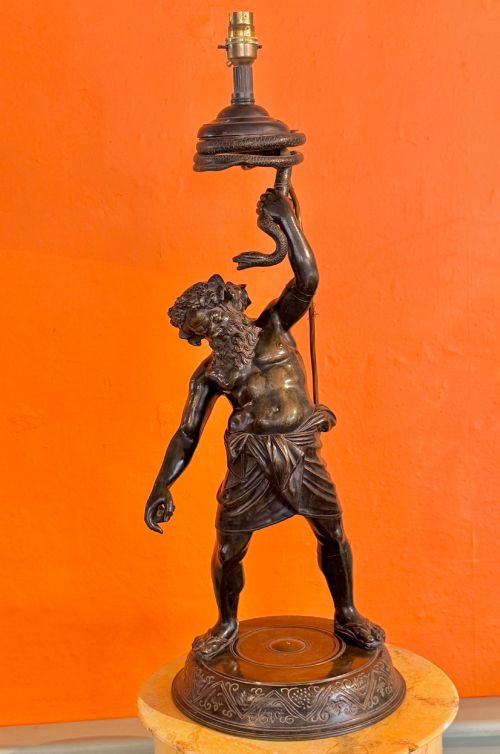
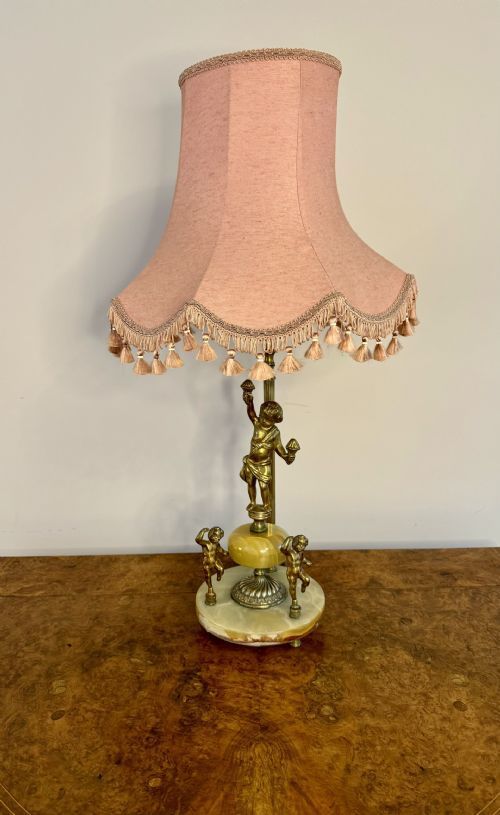
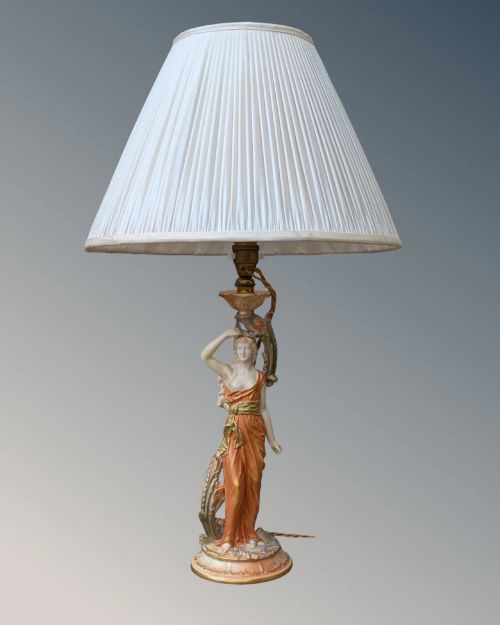
A classical figure table lamp depicts mythological deities, allegorical personages or antique figures integrated into the lighting support. These pieces draw heavily upon Neoclassical, French 19th Century and Art Nouveau aesthetics, transforming historical sculpture into functional illumination.
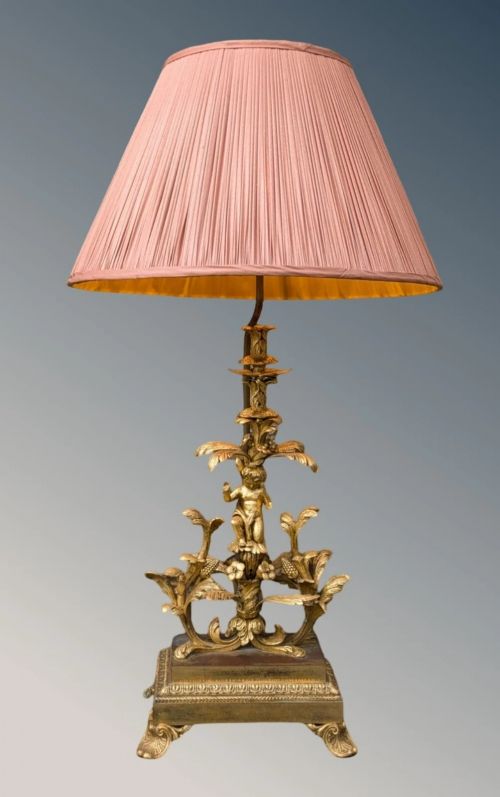
The version most commonly encountered on this page is the French bronze or spelter figural lamp dating from the nineteenth century or the early twentieth century. Examples frequently incorporate marble plinths, porcelain bodies or cast metal mounts that elevate the central human or mythical subject.
Makers and sculptors often signed their work on the base, ranging from large-scale foundry editions to delicate cabinet pieces. Figures span from classical deities like Apollo and Minerva to allegorical representations of peace, fortune and maritime mythology.
Markers of Quality
The choice of base materials and secondary supports indicates the original ambition of the piece. Heavy marbles, genuine ormolu rather than base metal, and signed foundry markers distinguish the finest examples in this category.
Classical Figure Table Lamp Retail Price Guide 2026
Typical asking prices for classical figure table lamp among the pieces listed under this phrase on Sellingantiques today, from the lower quarter to the upper quarter. They describe what is for sale here now, not the wider market.
Mermaids, sileni, and classical goddesses frequently hold up the modern electrical wiring.
E Rousseau·G Amodio Naples·L and F Moreau·Emile Picault·Jean Jules Cambos·Samuel Alcock·Auguste Moreau
The Classical Figure Table Lamp Glossary
- Spelter
- A zinc alloy commonly used in the manufacture of nineteenth-century decorative figures. It is softer than bronze and frequently finished with bronze-effect patination or silvering.
- Ormolu
- Gilded bronze achieved through the application of a mercury-gold amalgam or electroplating. This technique imparts a rich golden lustre to metal mounts and bases.
- Pate sur pate
- A porcelain manufacturing technique where liquid white clay is painted in successive layers onto a coloured body. This builds up a low-relief cameo effect.
- Grand Tour
- A cultural journey undertaken by wealthy young Europeans to view classical antiquities. Figures collected on these trips often inspired later decorative table lamps.
- Caryatid
- A sculpted female figure serving as an architectural support in place of a column. They frequently appear incorporated into lamp stems and bases.
Classical Figure Table Lamp: Frequently Asked Questions
Are these lamps converted oil lamps?
Many examples began life as oil lamps or fluid lamps before receiving later electrical conversions for modern domestic use. This transition preserves the original sculptural metalwork while updating the internal wiring.
Collectors should inspect the base and stem for evidence of original burner assemblies or font adaptations that indicate the piece's initial lighting function.
How do I identify the period of a figure?
Stylistic cues, foundry stamps and the composition of the metal provide clear indicators of date. Nineteenth-century pieces typically rely on heavier cast bronze and hand-chased details.
Later Edwardian and 1920s pieces often utilise spelter or lighter brass fittings mounted on simpler ceramic or timber plinths.
Can I replace the electrical fittings safely?
Most antique lamps accommodate modern rewiring without altering the structural integrity of the figural base. Professional rewiring ensures compliance with current safety standards.
Wiring channels are usually routed through the central core of the figure or concealed beneath the original mounting plinth.
What is the difference between bronze and spelter?
Bronze is a copper and tin alloy prized for its strength, weight and capacity to hold fine detail during casting. Spelter is a zinc-based alternative that is lighter and more brittle.
Under magnification or at touch points, spelter reveals a lighter grey metal beneath the surface patination, whereas bronze retains a warm reddish-brown hue.