




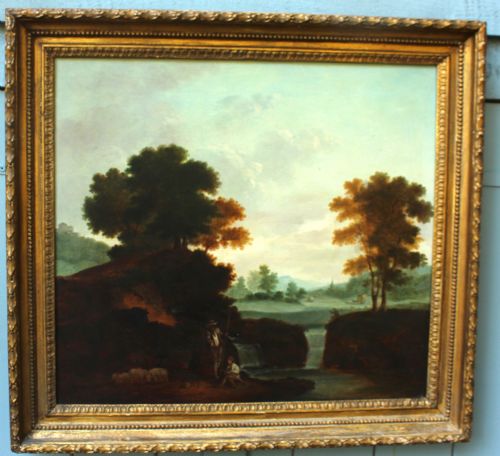
Classical Figure Landscape Painting
Classical figure landscape painting brings together historical narratives and outdoor scenes, holding the eye with mythological figures and tranquil rural settings.
Classical Figure Landscape Painting
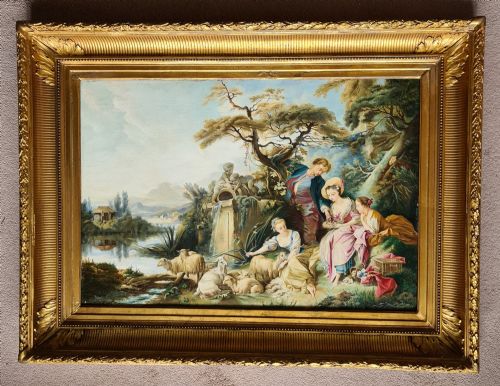
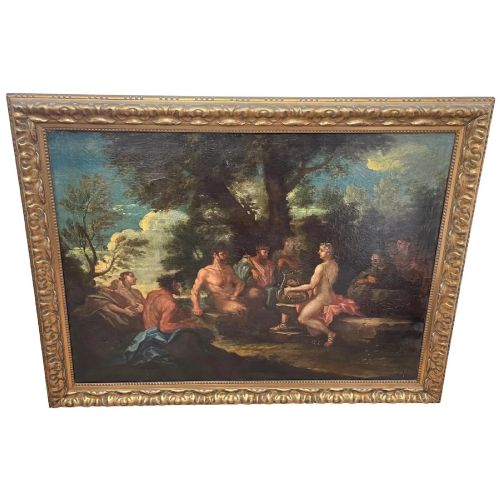
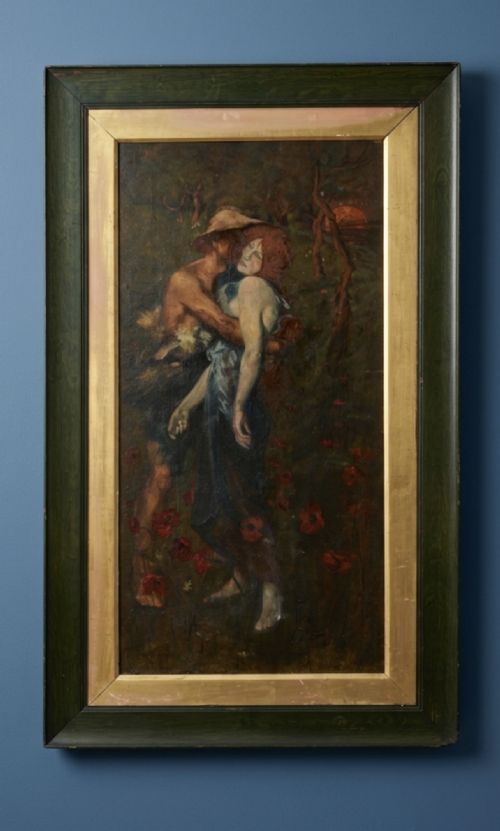
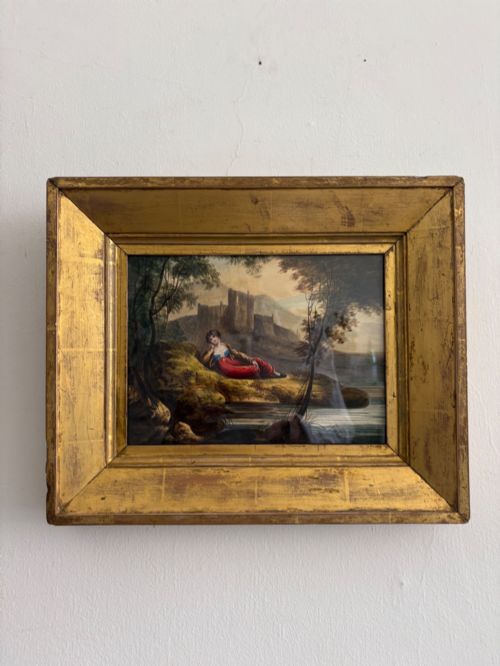
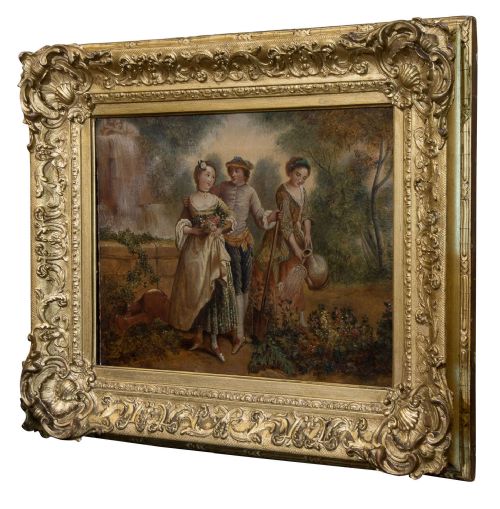
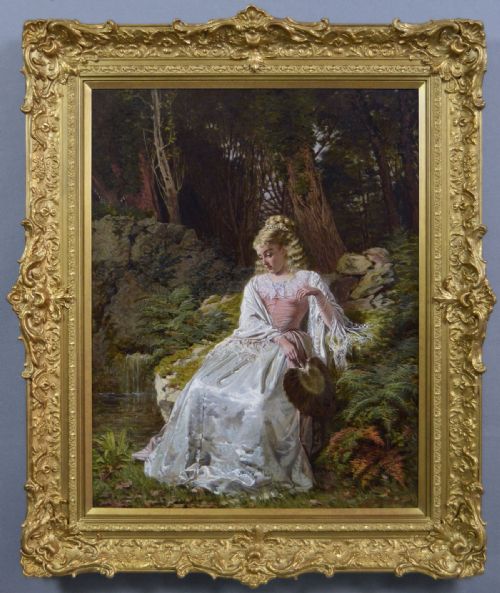
A classical figure landscape painting places human figures, often drawn from mythology or pastoral traditions, within carefully composed natural scenery. These works span multiple centuries, capturing the evolving artistic interpretations of nature and antiquity.
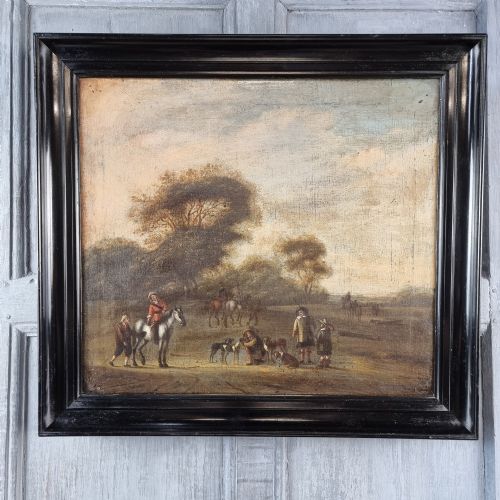
The versions most commonly met on this page range from seventeenth-century Dutch and Italian school canvases to eighteenth-century interpretations and nineteenth-century romantic or academic works. Artists set deities, shepherds, or bathers beside classical ruins, rivers, and wooded pools.
Makers and schools recorded in the evidence include seventeenth-century masters alongside French, Italian, Scottish, and English provincial hands, often working after earlier celebrated compositions.
Distinctions in quality
Quality rests in the handling of light, anatomical precision of the figures, and the depth achieved in the landscape perspective. Masterworks or accomplished circle pieces demonstrate assured brushwork in foliage and drapery.
Surface preservation, original canvas tension, and the integrity of the gilt frame contribute heavily to the standing of an individual piece within the range.
Giltwood frames appear frequently, often paired with gesso mouldings to complement the historical oil paintings.
Cornelis Van Poelenburgh·Jean Antoine Watteau·Giovanni Paolo Panini·Thomas Edward Roberts·Margaret Maitland Howard
The Classical Figure Landscape Painting Glossary
- Oil on canvas
- Pigment mixed with drying oil applied to stretched fabric. This technique allowed artists to achieve rich colour depth and subtle blending.
- Giltwood
- Wood carved and covered with a thin layer of gold leaf or metallic gilt. It frequently frames classical oil paintings from the seventeenth to nineteenth centuries.
- Old Master
- A European painter of skill who worked before about eighteen hundred. These artists defined the traditions of classical landscape and figurative composition.
- Italianate
- A style produced by northern European artists inspired by Italian light and landscape. It incorporates ruins, warm palettes, and pastoral figures.
- Provenance
- The documented history of ownership of a painting. It helps confirm attribution and authenticity over the centuries.
Classical Figure Landscape Painting: Frequently Asked Questions
What is a classical figure landscape painting?
It is an artwork combining human figures, often mythological or pastoral, with natural scenery and architectural ruins.
The genre draws on centuries of European painting traditions, ranging from seventeenth-century Dutch golden age works to nineteenth-century romantic interpretations.
How were these paintings displayed originally?
Owners hung them in grand reception rooms, galleries, and private parlours to signal education, taste, and classical learning.
They were customarily set within heavy giltwood frames designed to catch candlelight and enhance the perceived depth of the scene.
How do I identify the period of a painting?
Period identification relies on canvas preparation, stretcher construction, pigment analysis, and stylistic markers found in the figures and clothing.
Signatures, inscriptions, and framing styles also offer clues to whether a work originates from the seventeenth century or a later revival.
What subjects appear in these landscapes?
Common subjects include mythological deities such as Apollo, Pan, and figures bathing in woodland pools or resting near classical ruins.
Artists also depicted shepherds, pastoral couples, and religious narratives set against rivers, mountains, and wooded groves.