


Dutch Master Artwork Panel
These dutch master artwork panel examples bring the sombre tones and rich textures of the Golden Age directly into your home.
Dutch Master Artwork Panel
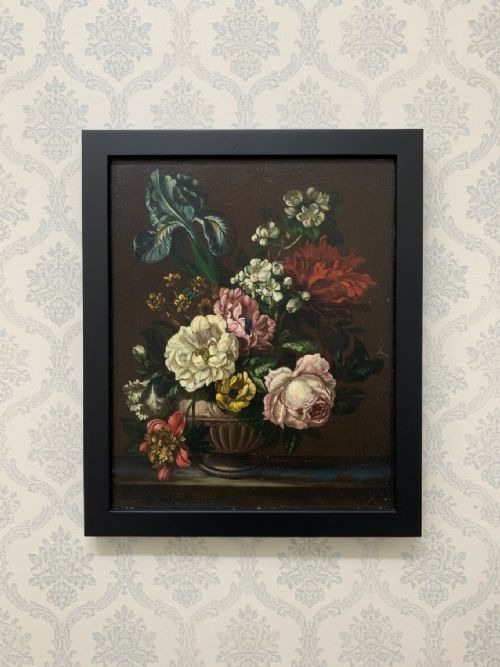
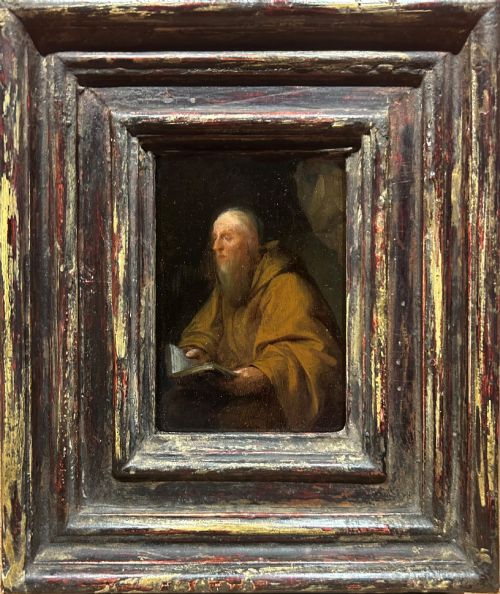
A dutch master artwork panel brings together historical oil paintings executed on sturdy wooden supports, capturing domestic scenes, still lifes, and landscapes. These works span several eras, stretching from the seventeenth century through to later nineteenth-century interpretations.
Most examples found on this page consist of compact oil paintings on timber or oak supports, often framed in giltwood. They reflect the enduring influence of the Dutch Golden Age across various historical periods.
Collectors encounter works attributed to specific historical painters alongside pieces created in the manner of the Dutch School. The subjects range from quiet interior domestic moments to classical landscape vistas.
Materials and construction
Artists typically applied oil paint onto prepared wood panels, such as oak, which provided a stable and smooth surface for minute brushwork. This technique allowed painters to achieve deep shadows and luminous highlights.
Many works are housed within traditional timber frames, occasionally accented with gold leaf or giltwood. The combination of oil pigments and timber supports has ensured the survival of these detailed compositions over centuries.
Assessing quality in historical panels
Quality rests in the subtlety of the brushwork and the depth of the composition, distinguishing confident studio output from mechanical reproduction. Masterful handling of light and shadow creates the characteristic realism associated with the genre.
The choice of primary support and the integrity of the timber panel also influence the character of the piece. Well-preserved surfaces retain the original vibrancy of the oil pigments without heavy overpainting.
Jan van Staveren·Cornelis Van Poelenburgh·Quirijn Van Brekelenkamp·E Van Drielst·Jan Steen
The Dutch Master Artwork Panel Glossary
- Oil paint
- A slow-drying paint made by combining pigments with a drying oil such as linseed. This medium allows for rich colour saturation and seamless blending.
- Wood panel
- A rigid wooden support used as a canvas for painting before stretched linen became dominant. Oak was frequently utilised by northern European artists.
- Giltwood
- Wood that has been treated with a thin layer of gold leaf or gold paint. Frames finished in this manner were designed to complement the artwork.
- Dutch Golden Age
- A period in Dutch history spanning the seventeenth century marked by immense achievement in trade, science, and the fine arts. Artists of this era produced highly influential genre scenes and still lifes.
- Still life
- A work of art depicting mostly inanimate subject matter, typically commonplace objects. These compositions often featured flowers, food, or domestic utensils.
Dutch Master Artwork Panel: Frequently Asked Questions
How do I care for a wood panel painting?
Keep the artwork away from direct sunlight and dramatic fluctuations in household humidity. Stable environmental conditions prevent the wooden support from warping over time.
Dust the giltwood frame gently with a soft, dry brush. Avoid applying chemical cleaning agents directly to the painted surface.
Are these panels from the seventeenth century?
The selection includes genuine seventeenth-century works alongside later nineteenth-century pieces created in the golden age style. Each listing indicates the specific period of origin.
Examining the timber support and pigment characteristics helps determine the exact age of the piece. Stylistic markers also point to the intended historical context.
What subjects appear in these paintings?
Common subjects include domestic genre scenes, quiet interiors, floral still lifes, and classical landscapes. Artists frequently depicted everyday people engaged in ordinary tasks.
Narrative elements often draw on moral themes or allegorical stories popular in northern European art. Even miniature compositions pack significant detail into compact spaces.
Why were panels used instead of canvas?
Wooden boards provided a rigid and durable surface that appealed to northern European painters who favoured meticulous detail. Oak panels were readily available locally and required straightforward preparation.
Canvas eventually gained popularity due to its lighter weight and lower cost for larger formats. However, panel painting remained a tradition for smaller cabinet works.