



Classical Figural Light
These classical figural light pieces merge human form with illumination, drawing on historical motifs to brighten interiors.
Classical Figural Light
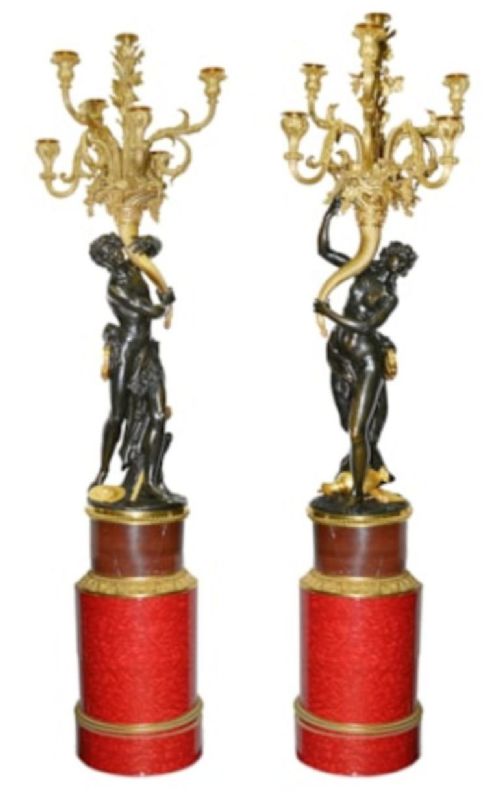
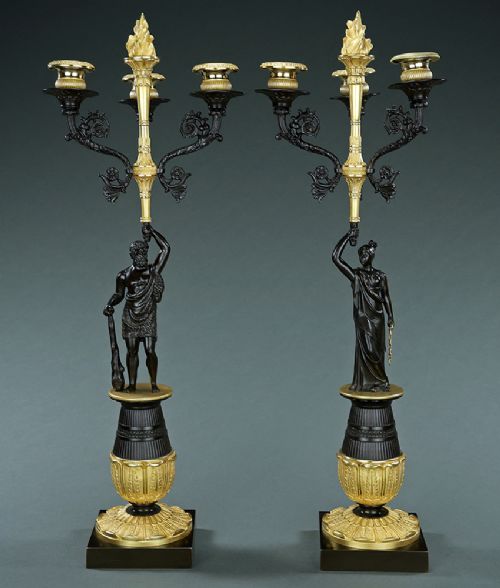
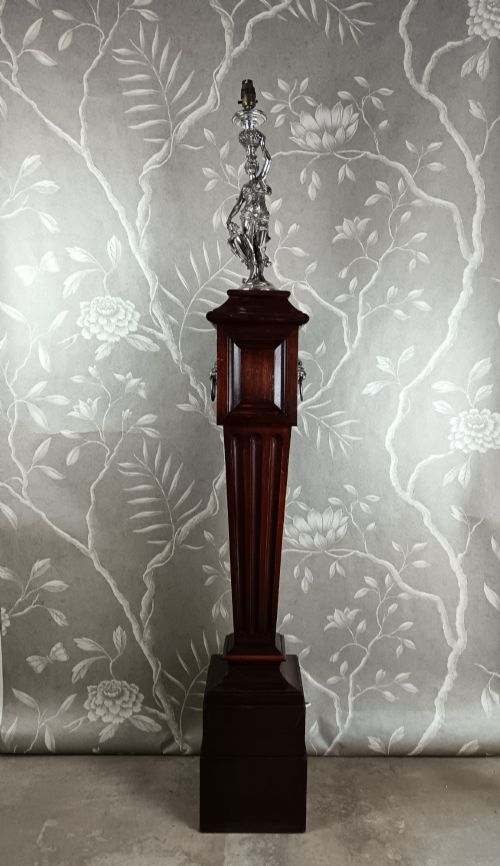
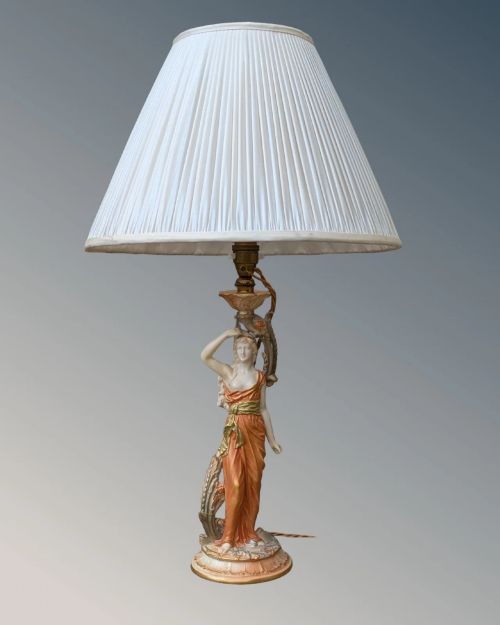
A classical figural light incorporates human figures, deities, or cherubs into lamp bases, torcheres, and candelabra. These objects appear frequently in nineteenth-century French and English designs, spanning Regency, Victorian, and Art Nouveau styles.
The assortment relies on sculptural metalwork paired with functional lighting elements, ranging from modest tabletop candelabra to tall floor torcheres.
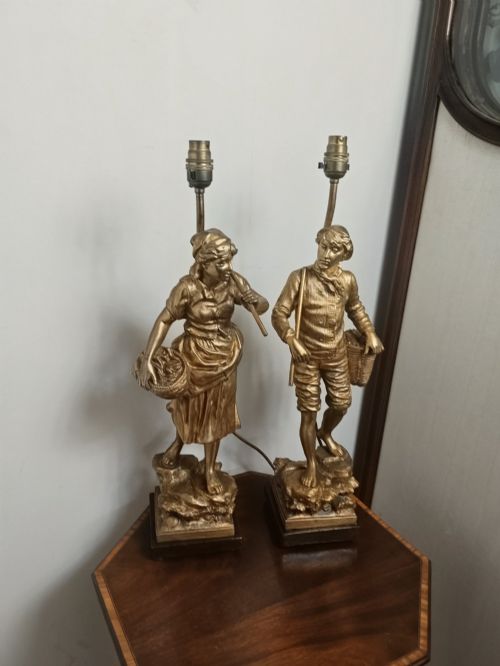
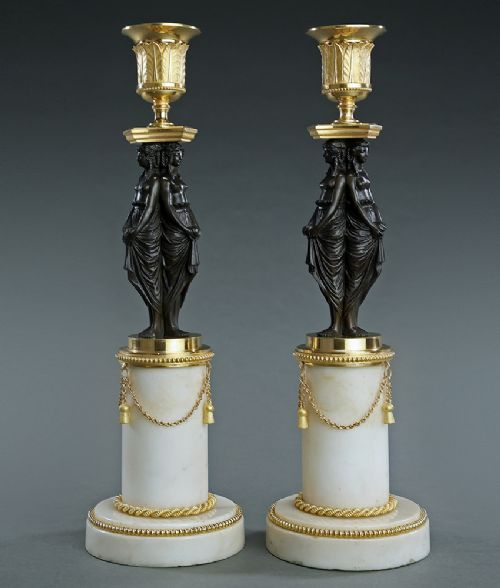
Makers utilised marble plinths, onyx bases, and gilded surfaces to support bronze, brass, or spelter figures, anchoring the sculptural forms in domestic settings.
Materials and Techniques
Foundry work relied on casting bronze, brass, and spelter into detailed human and mythical shapes, frequently finishing the metal with patination, gilding, or cold-painted pigments. Marble and onyx served as heavy, stable bases for these vertical sculptures.
Glass elements, including frosted and moulded varieties by makers such as Baccarat, combined with fabric shades or open candle nozzles to distribute illumination from the figural supports.
Listings feature nineteen-century production alongside early twentieth-century examples, using materials like bronze, marble, alabaster, and frosted glass.
Quality Variations
The refinement of the casting determines the crispness of facial expressions, drapery folds, and musculature in the figural elements. Lesser examples rely on softer metal alloys and summary finishing, whereas superior pieces show precise hand-chiselling on the bronze.
The integration of the lighting mechanism with the original sculpture reveals the standard of manufacture, where quality objects maintain balanced proportions between the figure and the light source.
E Rousseau·L & F Moreau·WMF·Humphrey Hopper·F De Luca·Emile Picault·Jean-Jules Cambos·H Moreau·François-Christophe-Armand Toussaint·Coutan·Henri Honore Ple
The Classical Figural Light Glossary
- Caryatid
- A sculpted female figure serving as an architectural support or column replacement. These figures often hold lighting components or form the stem of a candelabrum.
- Torchere
- A tall ornamental stand or floor lamp designed to hold a light source aloft. Examples in this category use figural bronze statues to support the upper fittings.
- Ormolu
- Finely ground high-carat gold applied to a bronze object using a mercury amalgamation process. This technique produces a durable, rich golden surface finish on period metalwork.
- Spelter
- A zinc alloy utilised as a less expensive alternative to bronze for figural castings. It accepts metallic paints and patination to imitate heavier metals.
Classical Figural Light: Frequently Asked Questions
How are these lamps powered?
Many items originate as candleholders or oil lamps that underwent later conversion to electricity for modern domestic use.
Rewiring typically occurs through the central channel of the figure without altering the external bronze or marble structure.
What periods do these pieces span?
The selections date primarily from the nineteenth and early twentieth centuries, encompassing Regency, Victorian, and Art Nouveau movements.
Stylistic revivals such as Neoclassical and Rococo influence much of the design vocabulary across this timeframe.
Where should tall torcheres be placed?
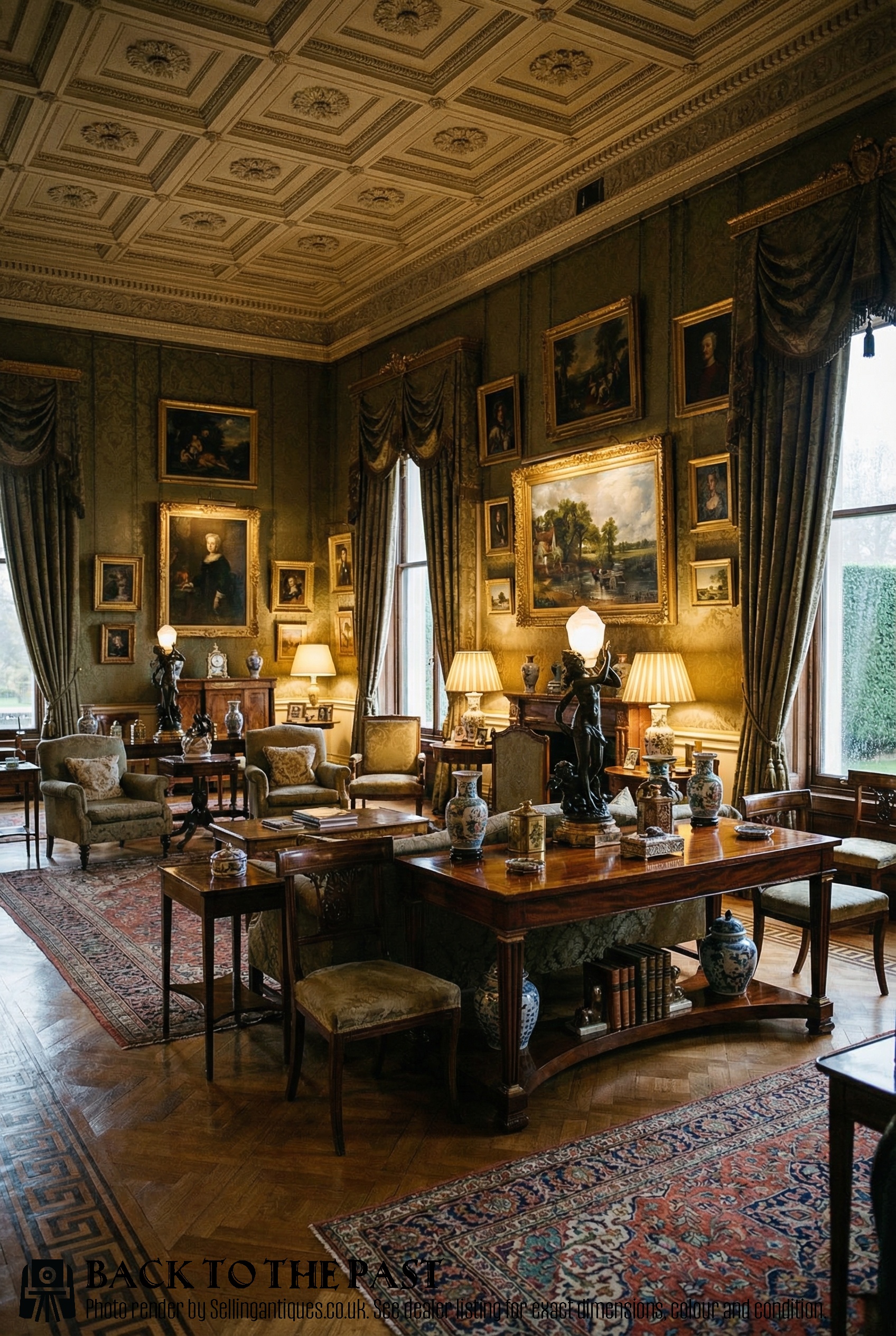
Floor-standing torcheres function well in corners or flanking large furniture pieces where their vertical height commands attention.
Table lamps and candelabra suit side tables, mantelpieces, or pedestals where detailed metalwork remains visible.
How do bronze and spelter differ?
Bronze provides structural durability and accepts fine chisel work during the casting process, yielding crisp anatomical details.
Spelter is a softer zinc-based alternative that feels lighter and often shows a painted surface rather than a deep metal patina.