
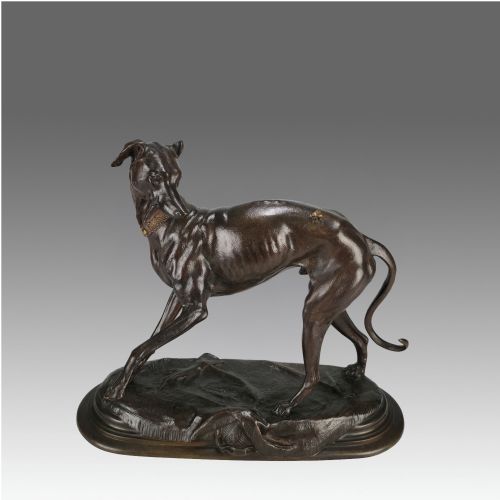
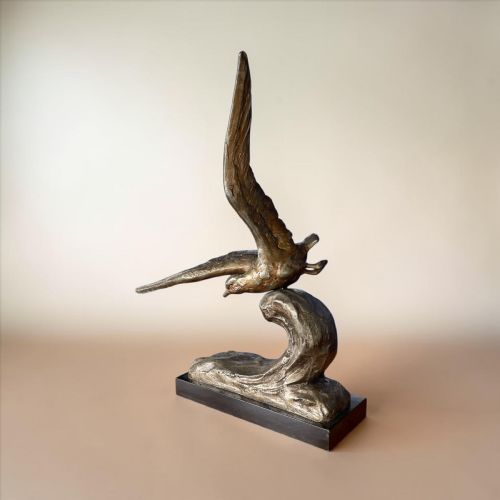
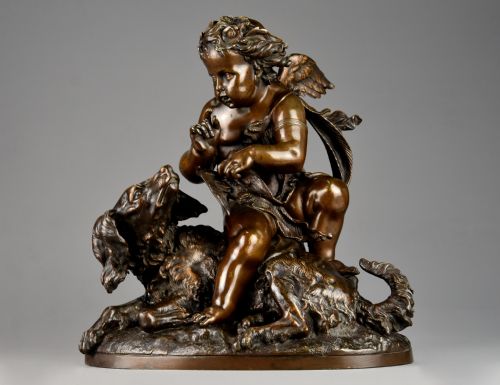


Antique French Table Sculpture
These pieces of antique french table sculpture bring nineteenth-century foundry work and twentieth-century decorative figures directly to your interior.
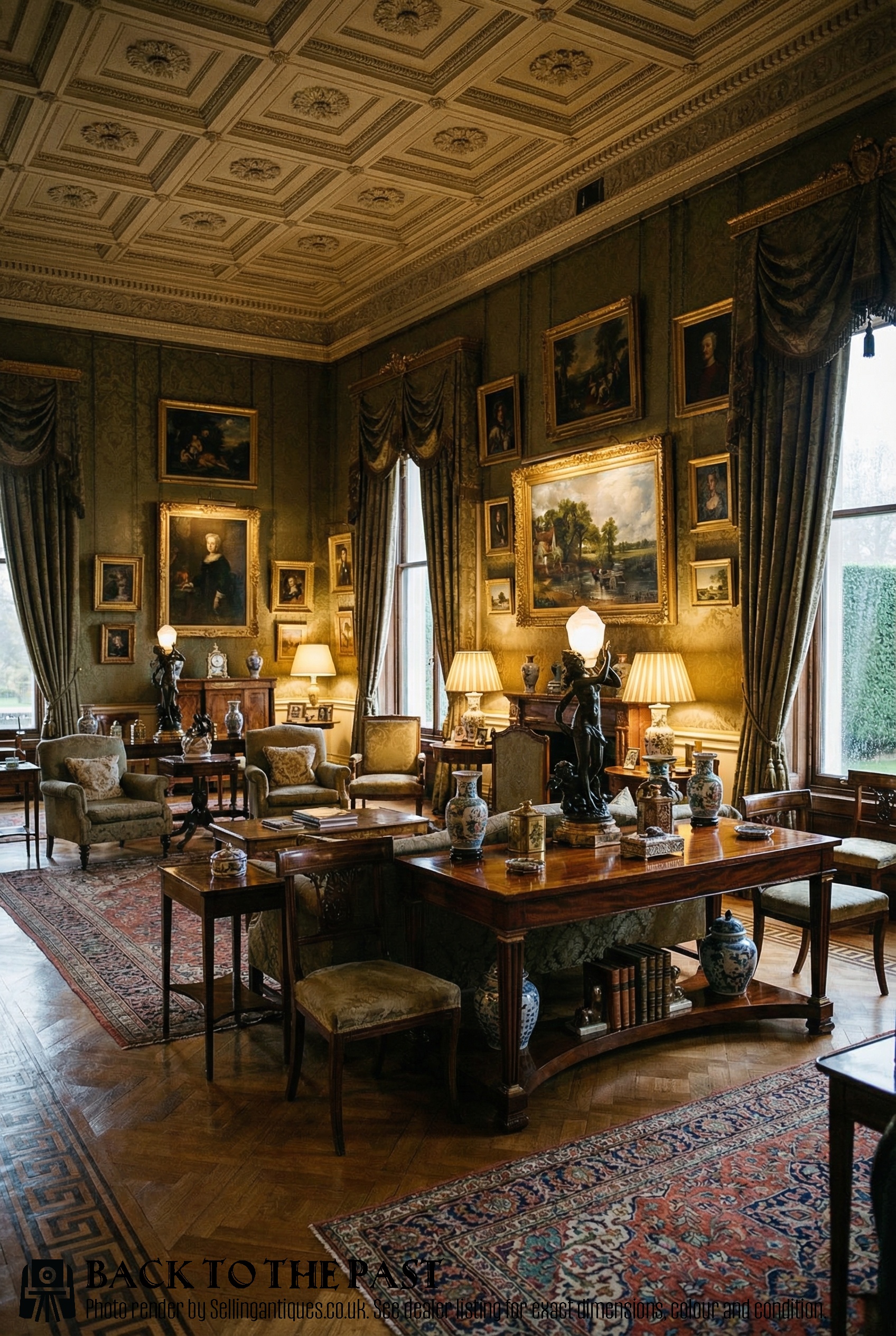
Antique French Table Sculpture
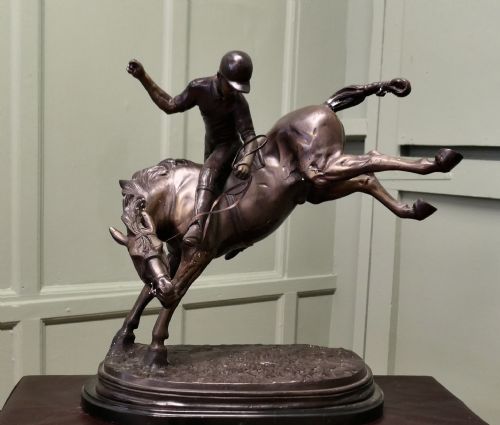
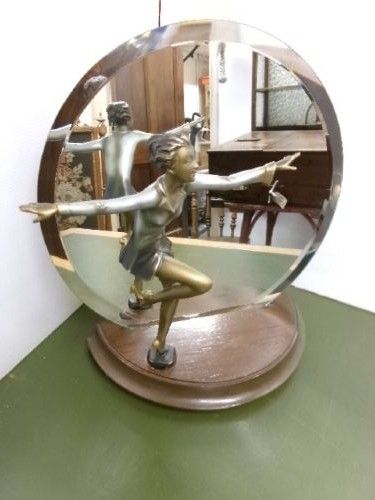
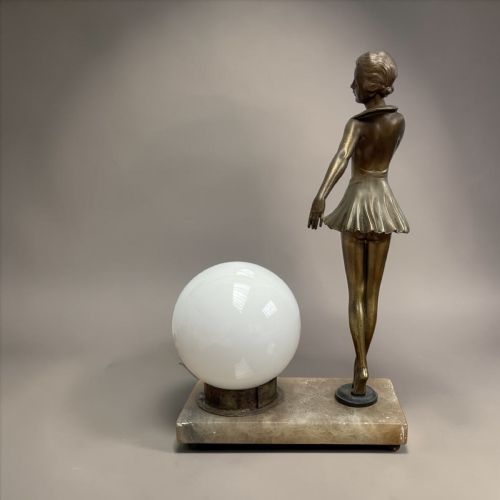
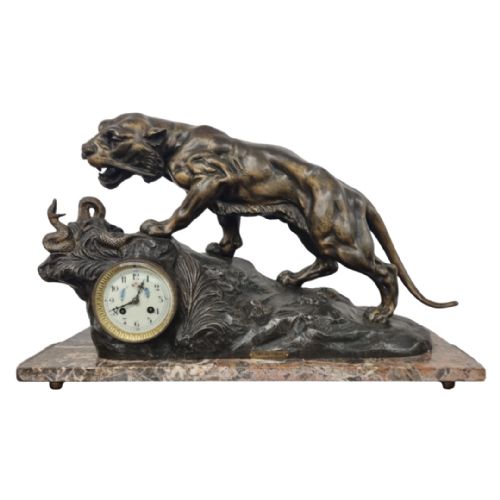
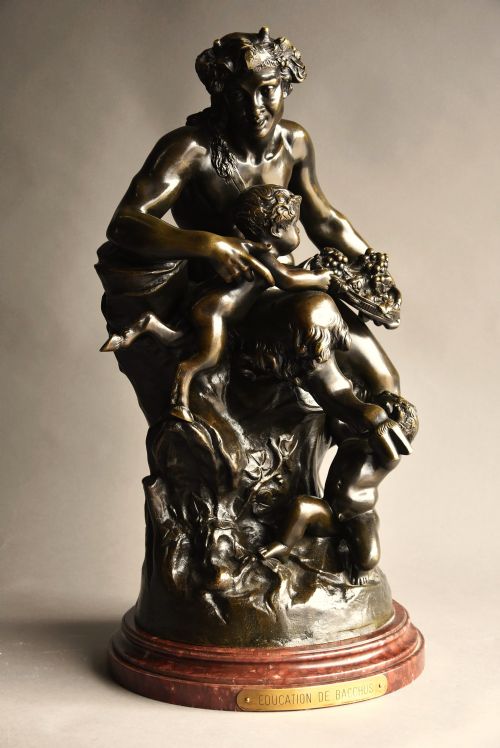
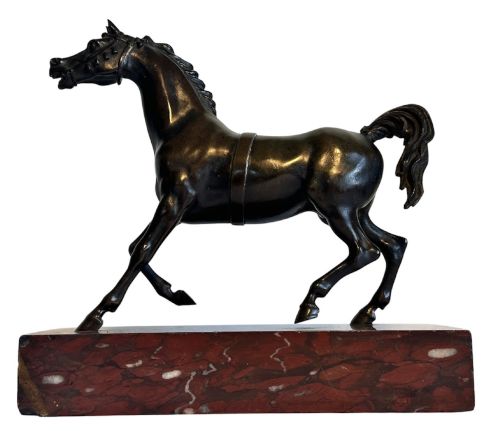
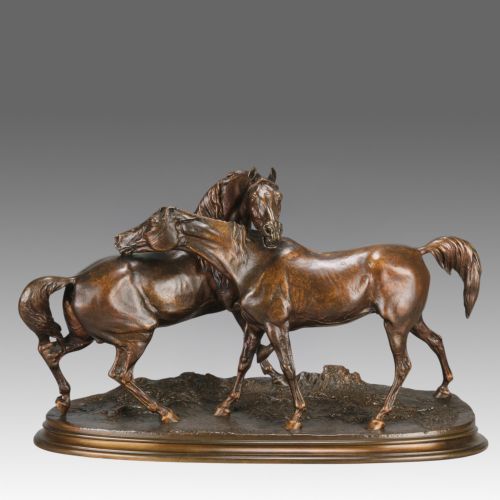
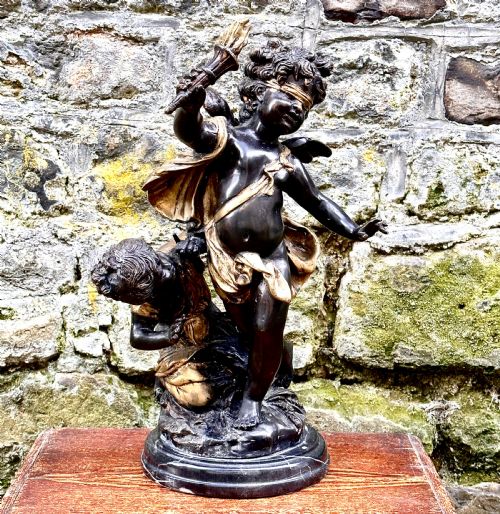
An antique french table sculpture encompasses cast metal figures, mantel clocks, and small lamps designed for interior display. You will frequently encounter nineteenth-century animalier studies, mythological figures, and twentieth-century dancer models.
The objects originate from workshops spanning the 1850s through the Art Deco era of the 1930s. They range from patinated bronze animals on marble plinths to gilt bronze mantel clocks and porcelain figural groups.
How they were made
Foundries utilised traditional bronze casting methods alongside spelter work for economic figures. Pieces often combined cast metal with carved marble bases, alabaster stands, and enamel details.
Surfaces received patinated bronze finishes, ormolu gilding, or applied enamel to accentuate the sculptural contours.
Listings feature periods spanning from the mid-nineteenth century through the 1930s Art Deco movement.
What varies in quality
The integration between the sculpture and its mounting also dictates the standard of the object. Heavy marble plinths fitted flush with the metal base demonstrate superior craftsmanship compared to loose or poorly aligned assemblies.
R Varnier·Claude Michel Clodian·P J Mêne·Alfred Barye·Barbedienne·Hector Lemaire·Leon Message·Emile Picault·Geo Maxim·Demetre Chiparus·Jean-Jules Cambos·H Moreau·Aug Moreau
The Antique French Table Sculpture Glossary
- Animalier
- A nineteenth-century sculptural style focused on realistic depictions of animals, particularly horses, hounds, and wild beasts. These works often captured creatures in motion or resting.
- Spelter
- An alloy of zinc and lead used as a cheaper alternative to bronze for decorative figures. It accepts patination readily but is softer and more brittle than bronze.
- Ormolu
- Gilt bronze created by applying a finely ground high-carat goldmercury amalgam to a bronze base. The object is then heated to vaporise the mercury, leaving a rich golden coating.
- Patinated Bronze
- Metal treated with chemical solutions to produce a controlled surface colour ranging from warm brown to deep green. This coating protects the underlying bronze and enhances visual depth.
Antique French Table Sculpture: Frequently Asked Questions
What is an animalier sculpture?
An animalier sculpture depicts animals with anatomical accuracy, capturing them in natural poses or during moments of action.
These pieces gained immense popularity across nineteenth-century European foundries and remain central to many collections.
How do I identify spelter from bronze?
Spelter is lighter in weight than bronze and tends to feel softer when examined closely near unpainted or worn areas.
Bronze exhibits a denser, heavier feel with greater resistance to surface scratching.
Where should I place a table sculpture?
These sculptures suit placement on mantelpieces, sideboards, or dedicated plant stands where adequate light highlights their patination.
Ensure the display surface is stable and capable of supporting heavier marble and metal combinations.
What distinguishes Art Deco figures?
Art Deco figures emphasise stylised human forms, clean geometric lines, and dynamic movement such as dancing or running.
Materials from this period frequently include silvered or gilded bronze paired with stepped marble bases.