




Classical Female Head
A classical female head brings enduring sculptural form into a room, capturing mythological heroines and noble ladies in enduring media.
Classical Female Head
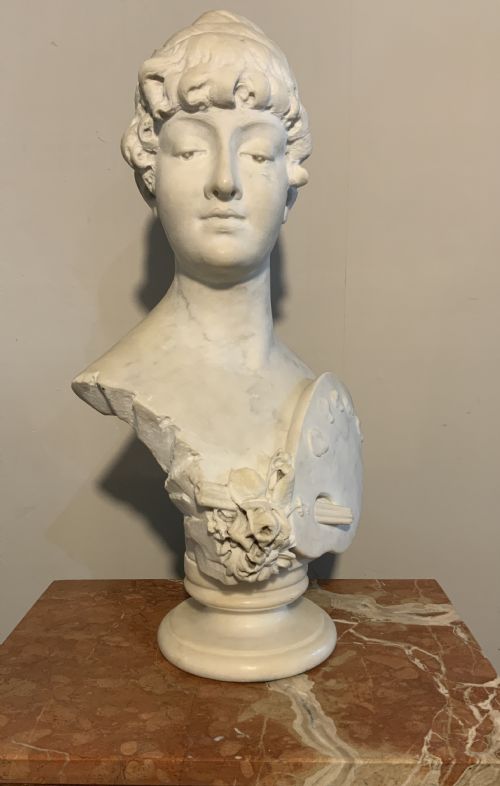
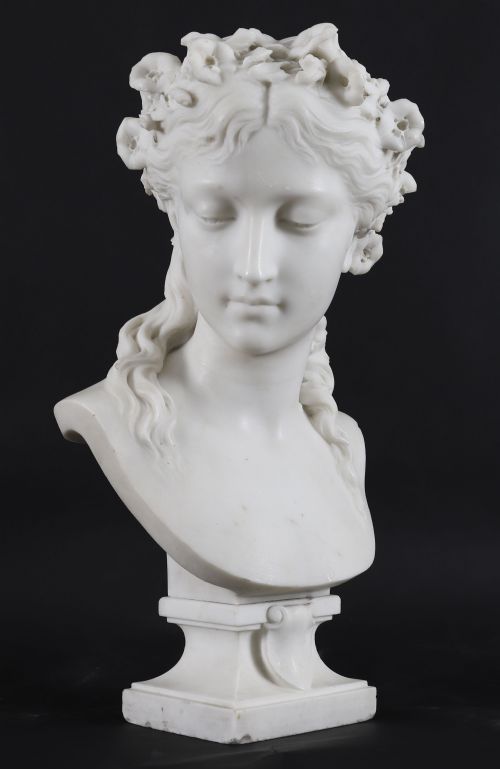
When you search for a classical female head, you encounter sculptural works that interpret historical, mythological, and idealized women. The selection on this page centres upon carved and cast portrayals originating predominantly from the seventeenth, eighteenth, and nineteenth centuries.
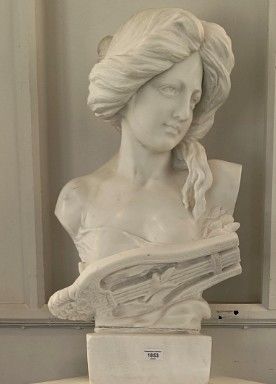
Most commonly, these pieces take the form of portrait busts and head studies executed in stone, marble, bronze, and terracotta. They range from grand Neoclassical depictions of goddesses and muses to intimate portraits of young girls and ladies created during the nineteenth century.
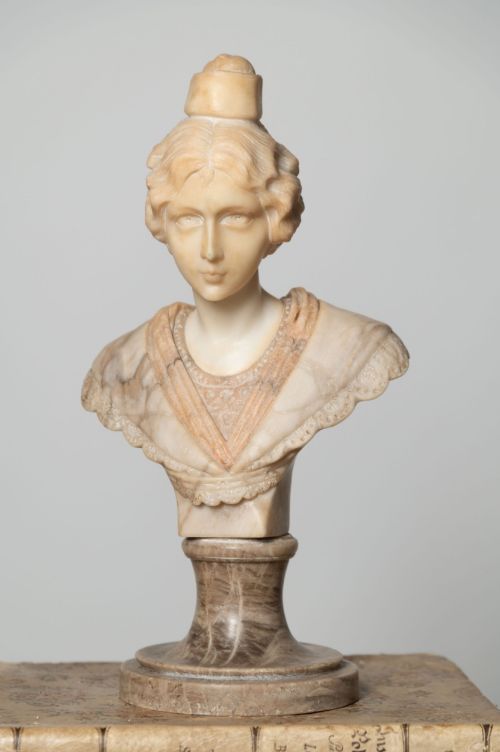
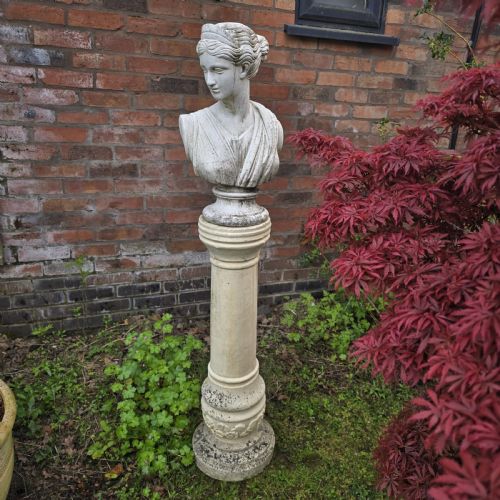
The origins span European workshops, with French and Italian makers strongly represented alongside English and Russian examples. Buyers find everything from garden statuary in stone to finely detailed patinated bronzes and alabaster carvings.
How they were made
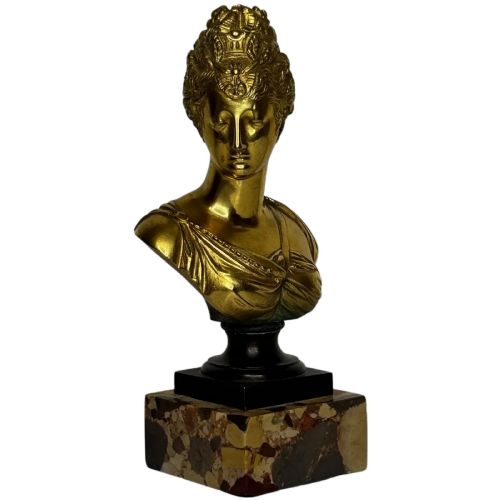
Makers utilised traditional subtractive and additive methods, carving directly into materials such as Carrara marble, alabaster, and various stones to release the subject from the block. Sculptors also employed casting techniques for bronze, brass, and terracotta, often combining metals with marble bases or ormolu mounts.
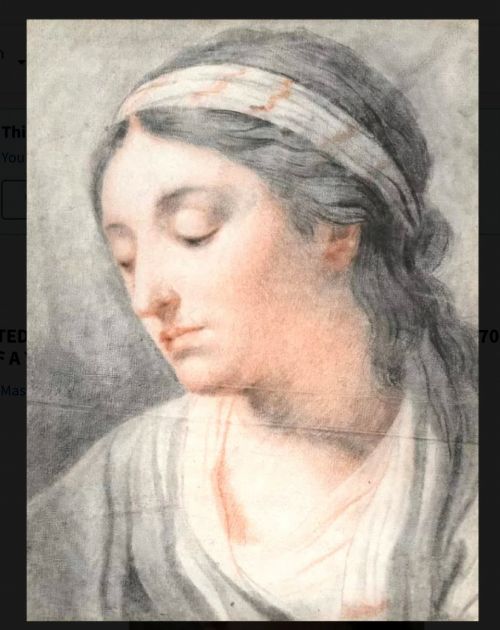
Detailing was achieved through hand-chasing in metalwork and meticulous surface polishing in stone to differentiate between skin, hair drapery, and clothing. Drawings and sketches in sanguine and paper provide flat-format counterparts executed with similar attention to linear form.
Even ring handles get historical treatment here, turning everyday door furniture into miniature classical female portraits.
What varies in quality
The distinction between standard works and exceptional pieces lies in the anatomical precision of the carving and the sensitivity of the expression. Master sculptors captured subtle shifts in muscle and mood, whereas lesser works remain stiff and formulaic.
Material selection also dictates calibre, with pure white Carrara marble or high-grade patinated bronze commanding greater presence than ordinary plaster or cast iron. The crispness of the chisel work in stone and the refinement of the casting finish determine the standing of each piece.
Eugene Aizelin·Emmanuel Villanis·Eutrope Bouret·Auguste Moreau
The Classical Female Head Glossary
- Bust
- A sculpted representation of a person from the chest or shoulders up. This format dominates the sculptural works found in this category.
- Neoclassical
- A style inspired by the classical art and culture of ancient Greece and Rome. It revivalist approach influences many eighteenth and nineteenth-century pieces here.
- Carrara marble
- A type of white or blue-grey marble mined in the city of Carrara in Italy. Sculptors prized it for its fine grain and durability.
- Ormelu
- Gilt bronze mounts applied to furniture or sculpture bases. This decorative technique adds contrast and polish to mixed-media pieces.
Classical Female Head: Frequently Asked Questions
What materials are common?
The listings feature a substantial proportion of white and mixed marbles, alongside cast bronze and terracotta.
Alabaster, stone, plaster, and paper drawings also appear across different centuries.
How were busts displayed?
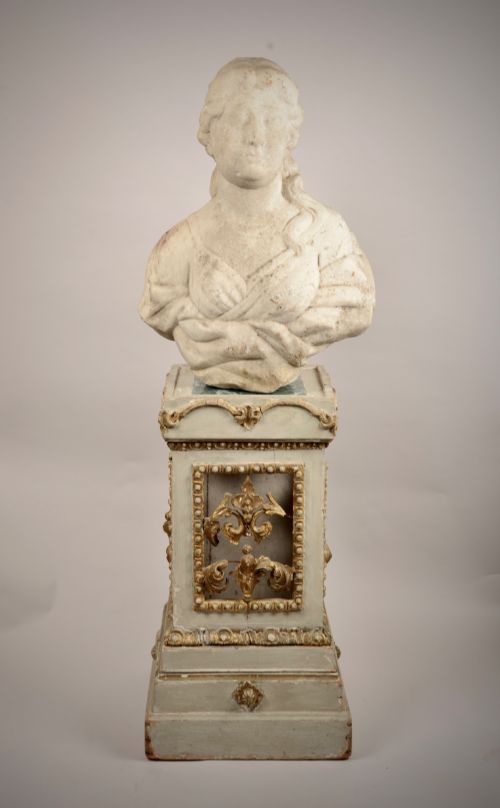
Sculptural busts typically stood upon pedestals, mantels, or dedicated plinths within domestic interiors and formal halls.
Heavier stone and marble examples often incorporated integrated bases or contrasting marble plinths for stability.
How do I identify periods?
Stylistic markers such as the restrained geometry of Neoclassicism or the flowing lines of Art Nouveau point to specific decades.
Material treatments, patination, and recorded signatures or attributions help confirm the era of execution.
Are these works signed?
Certain bronzes and marbles bear cast signatures or incised inscriptions naming the sculptor or foundry.
Unsigned works rely on stylistic comparison, period characteristics, and recorded historical attributions.