




Classical Empire Desk
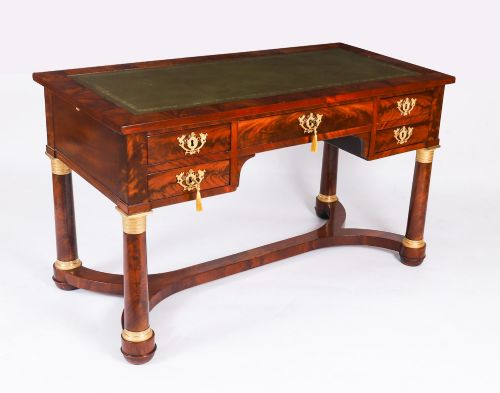
A classical empire desk brings architectural dignity and rich mahogany timber to a study, offering a grand workspace rooted in nineteenth-century design.
Classical Empire Desk
A classical empire desk represents a grand writing surface influenced by nineteenth-century French and Regency aesthetics, often appearing alongside related seating and lighting forms in the listings.
The primary examples span flame mahogany cylinder desks and writing tables dated from the early nineteenth century through to eighteen sixty, embodying formal classical proportions.
Materials and Construction
Makers utilised dense timbers such as flame mahogany for the primary carcase, ensuring a dramatic grain pattern across large surfaces like cylinder fronts.
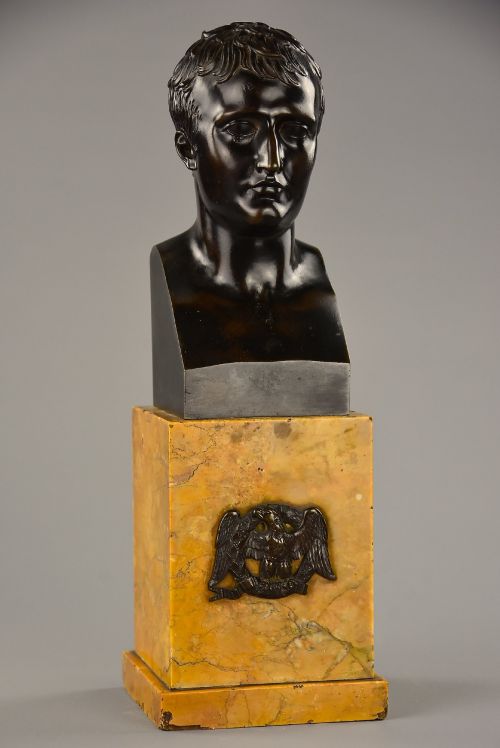
Cast ormolu and gilt bronze mounts decorate the structural corners and panels, paired frequently with contrasting marble components and patinated bronze details.
Classical Empire Desk Retail Price Guide 2026
Typical asking prices for classical empire desk among the pieces listed under this phrase on Sellingantiques today, from the lower quarter to the upper quarter. They describe what is for sale here now, not the wider market.
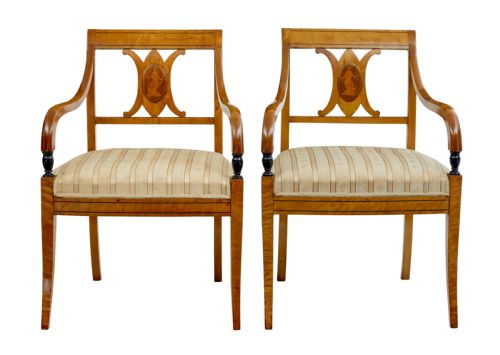
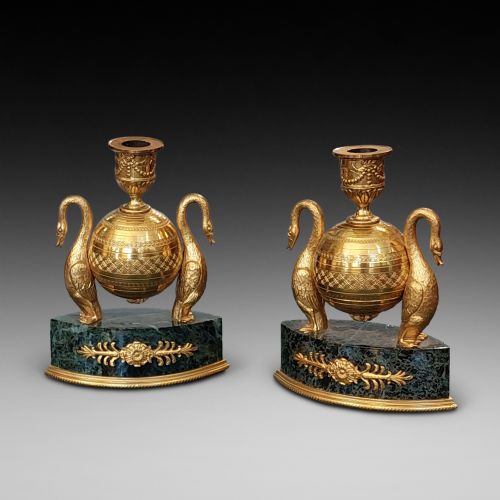
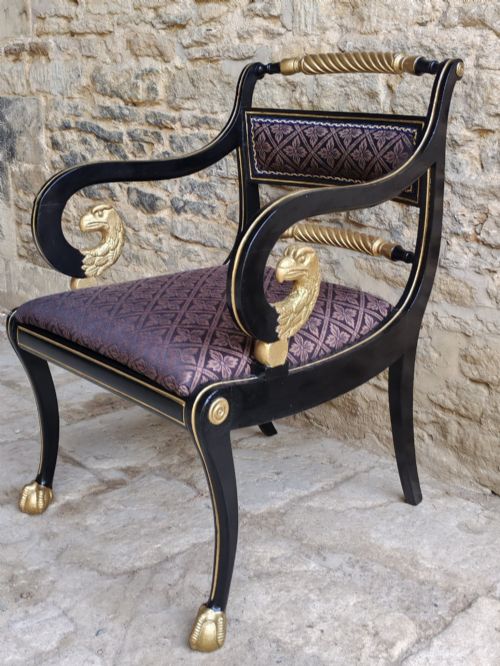
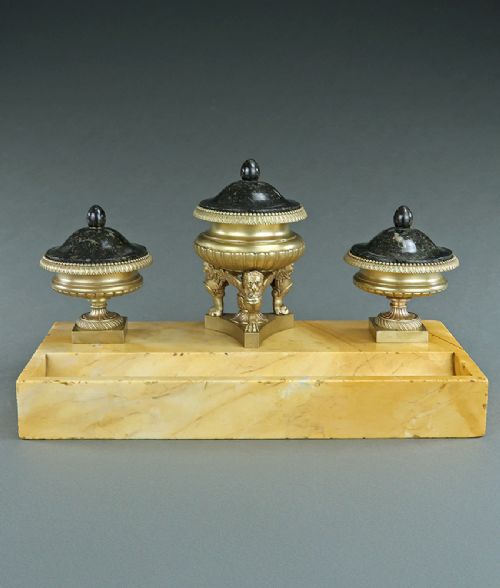
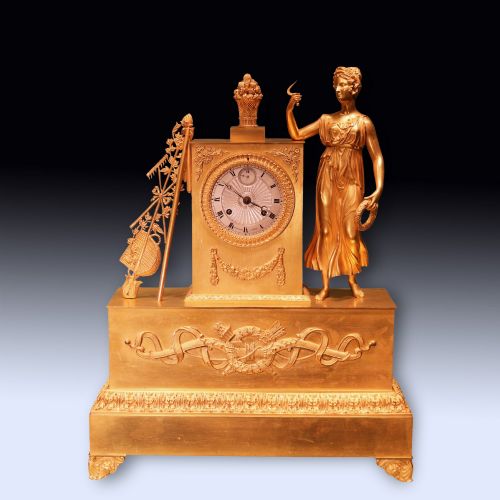
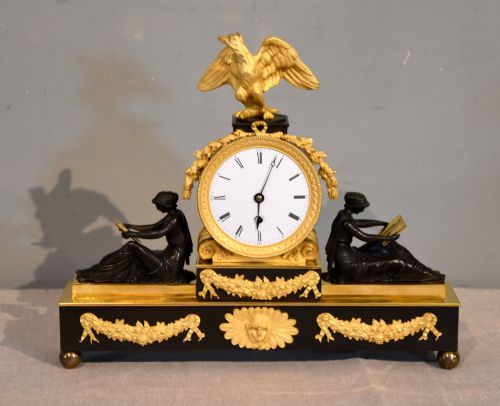
Listings combine nineteenth-century desks with related Regency and French Empire bronze inkstands, mantel clocks, and library armchairs.
Craftsmanship and Detail
Superior examples display crisp, finely chased ormolu mounts with sharply defined classical motifs, whereas lesser pieces show softer, shallower casting work.
The selection of timber grain and the precision of the joinery distinguish a master cabinetmaker's desk from standard workshop production.
Baetens London·Canaillor of Paris·Japy Freres·Lefebvre of Belgium·Messenger
The Classical Empire Desk Glossary
- Ormolu
- Gilded bronze applied to furniture mounts and clock cases. This technique creates a rich gold-coloured surface finish typical of nineteenth-century pieces.
- Cylinder desk
- A writing table enclosed by a rolling or curving curved wooden shutter that conceals the internal pigeonholes and writing slide.
- Patinated bronze
- Bronze treated chemically to achieve a darkened, stable surface tone. It provides contrast against bright gilt bronze mounts.
- Inkstand
- A desktop tray or stand fitted with inkwells and pen recesses. These accessories often match the materials of the main desk.
Classical Empire Desk: Frequently Asked Questions
What is a classical empire desk?
A classical empire desk is a substantial nineteenth-century writing table, frequently constructed from flame mahogany with prominent structural proportions.
These pieces draw heavily on French Empire and Regency design vocabularies, incorporating decorative metal mounts.
How do I care for mahogany and ormolu?
Maintain mahogany timber using traditional beeswax and a soft cloth to preserve the natural lustre of the grain.
Keep ormolu mounts dry and dust them gently with a soft brush, avoiding chemical cleaners that strip the gilding.
Where were these desks placed?
They served as formal writing furniture in nineteenth-century libraries, studies, and grand reception rooms.
Their finished backs often allowed them to sit freestanding in the centre of a room rather than against a wall.
How do I date an empire desk?
Dating relies on examining the timber construction methods, drawer linings, and the style of the cast bronze or ormolu mounts.
Earlier nineteenth-century pieces typically exhibit heavier mahogany construction and hand-cut dovetails compared to later revivals.