


Classical Display Stand
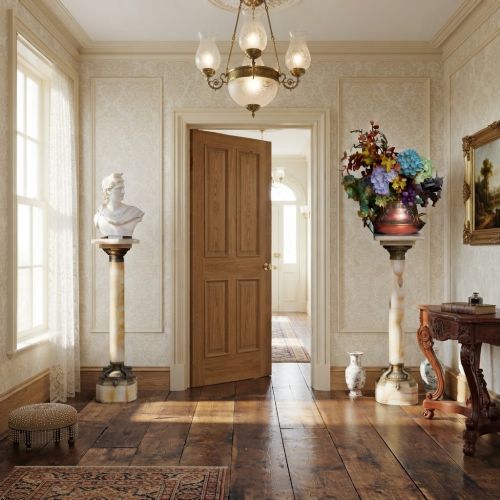
A classical display stand raises a prized sculpture or vase, bringing proportion and architectural presence into a room.
Classical Display Stand
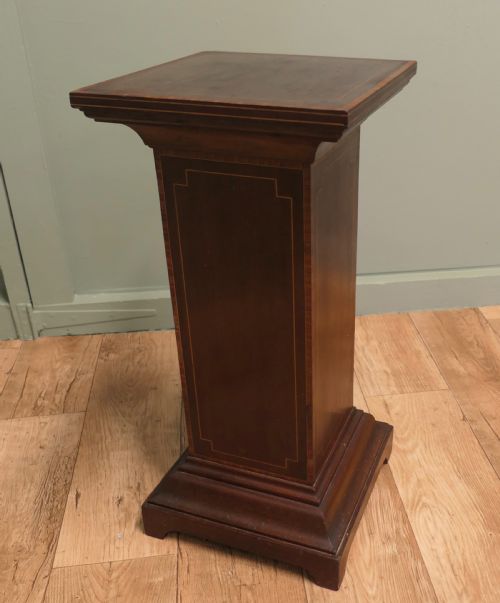
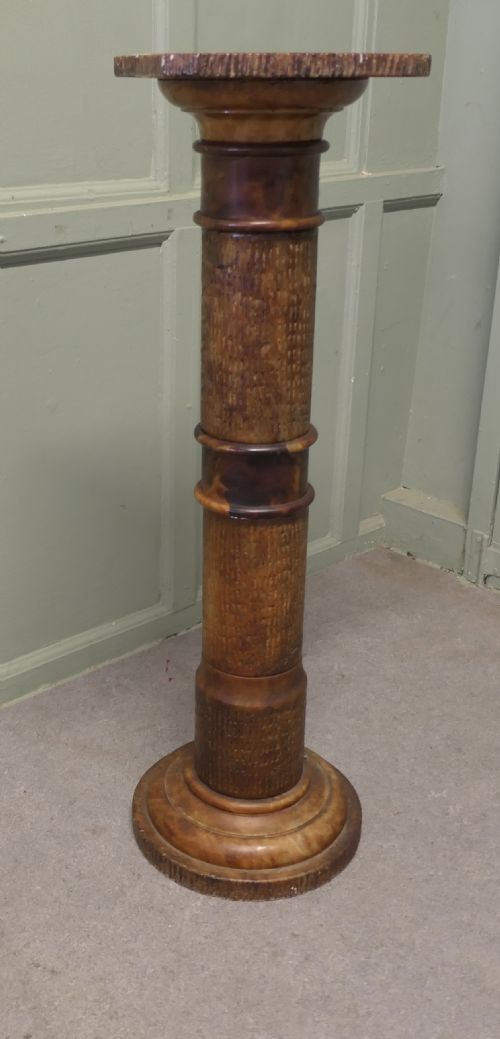
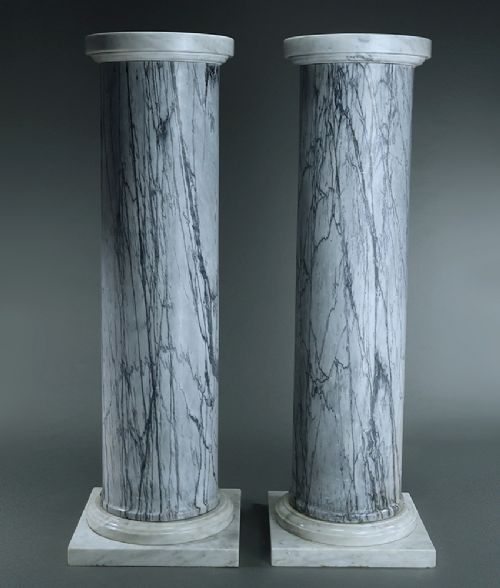
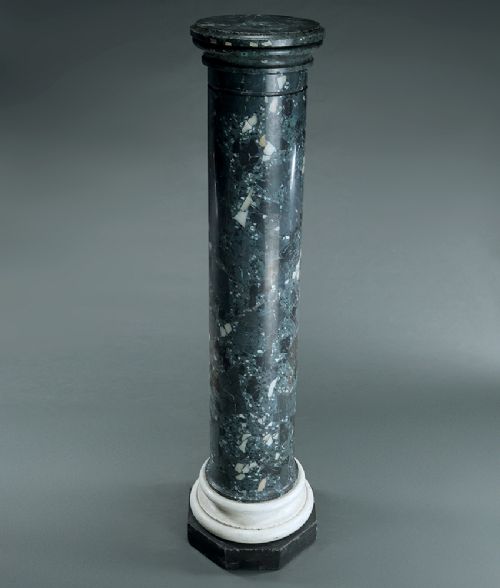
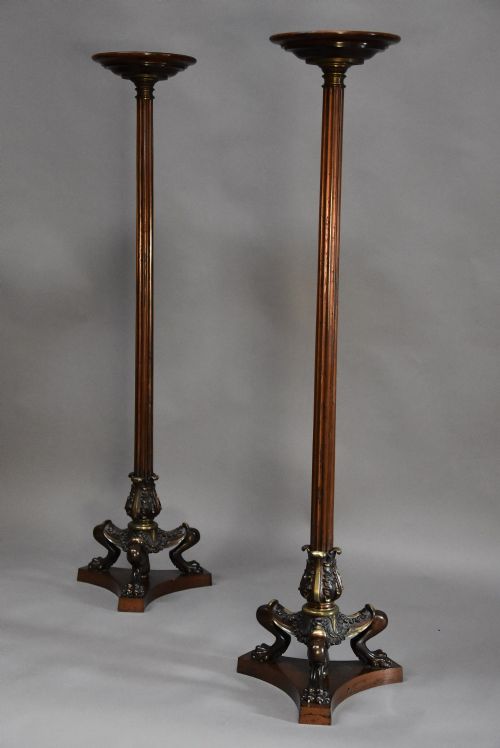
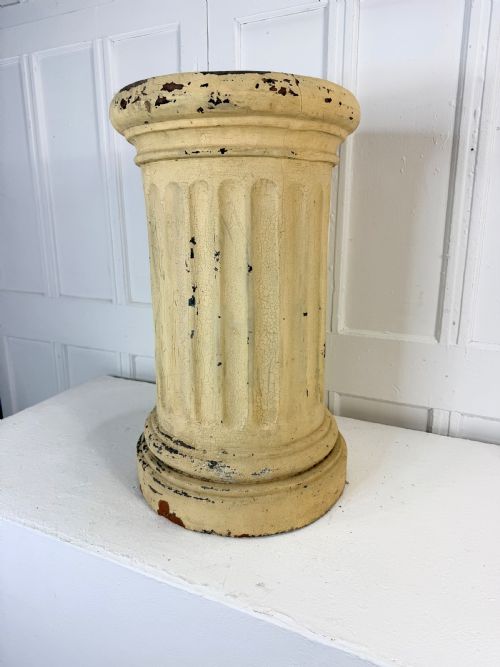
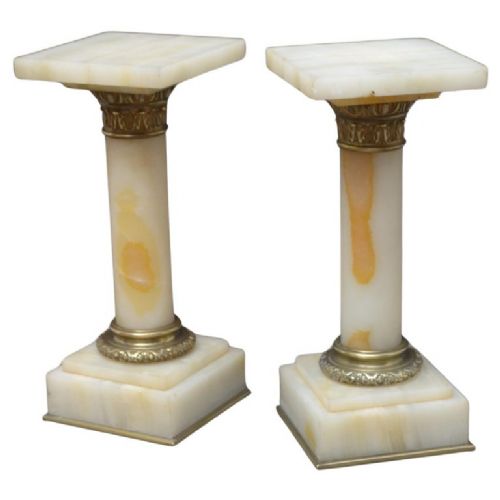
A classical display stand typically takes the form of a column, pedestal, or torchere designed to elevate decorative objects. The pieces appearing here span the Georgian, Victorian, and Edwardian eras through the early twentieth century, drawing on Neoclassical and Classical Revival design.
Judging Quality
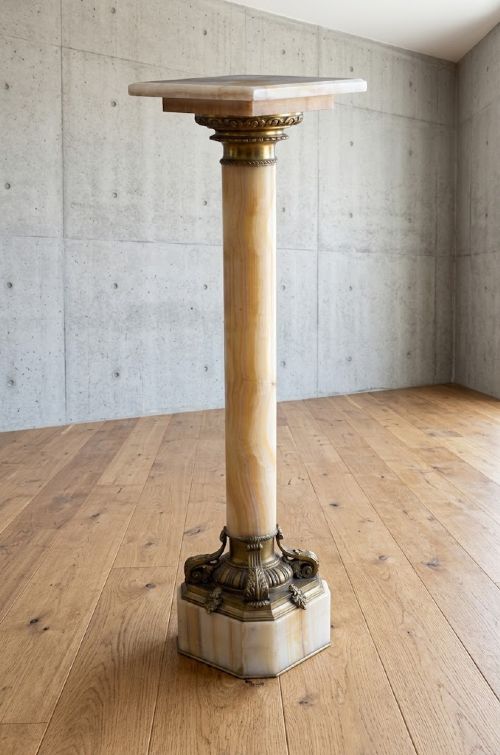
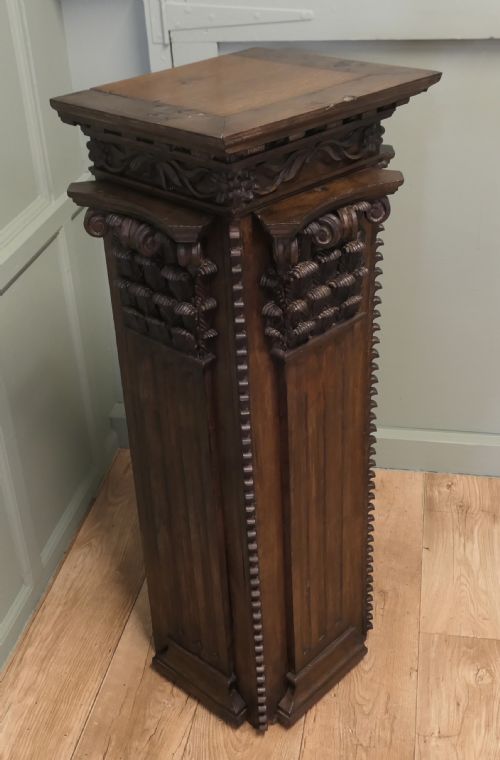
Quality rests in the fidelity of the classical proportions and the choice of materials, from figured marbles and dense hardwoods to simpler painted pine. The precision of the carved detail on capitals, fluted shafts, and bronze mounts separates standard utility items from ambitious workshop pieces.
Subtlety in surface finish and grain painting distinguishes successful decorative simulation from flat application, while matching pairs command greater architectural cohesion.
Listings feature eighteenth-century roots through to nineteen-thirties plaster, spanning mahogany, marble, onyx, and bronze.
The Classical Display Stand Glossary
- Torchere
- A tall stand or pedestal originally designed to hold a light source or candle. These slender supports now serve primarily to elevate sculpture and vases.
- Scagliola
- A composite material made from pigmented selenite, glue, and plaster, applied to resemble marble and other fine stones. Craftsmen polish the surface to achieve a convincing stone-like finish.
- Ormolu
- Gilt bronze mounts applied to furniture and decorative columns. This technique adds metallic contrast and decorative emphasis to stone and wood shafts.
- Pedestal
- An architectural base or column supporting a bust, urn, or decorative object. Examples range from plain wooden shafts to elaborate carved marble designs.
- Neoclassical
- A style reviving the architectural vocabulary of classical antiquity. Pieces display clean lines, classical orders, and motifs drawn from Greek and Roman architecture.
Classical Display Stand: Frequently Asked Questions
What goes on a classical display stand?
These stands suit marble busts, bronze sculptures, large ceramic vessels, and decorative urns. The top surface provides a stable platform that frames the object within the room.
Heavier items require stone or dense hardwood columns, while lighter decorative pieces sit securely on painted or veneered wood pedestals.
How do I pair mismatched columns?
Matching a pair requires similar height, diameter, and material weight rather than identical surface pattern. Placing them symmetrically on opposite sides of a fireplace or doorway creates visual balance.
If the heights differ slightly, minor adjustments using discreet shims beneath the base help level the display surface.
Where should I place a display column?
Corners and empty wall spaces benefit most from vertical architectural furniture, which draws the eye upward without occupying significant floor space. Natural light from a nearby window highlights the veining in marble and the carved detail in wood.
High-traffic walkways require stable, heavy stone or wide-based wooden columns that resist accidental tipping.
How do I identify faux marble?
Faux marble finishes appear on wood, plaster, and terracotta cores, often revealing a lighter weight when lifted. Close inspection of the surface reveals brushwork or lack of natural stone porosity.
Techniques like scagliola offer a heavier, colder feel closer to real stone, while painted pine and plaster rely entirely on visual simulation.