
Classical Column Reading Light
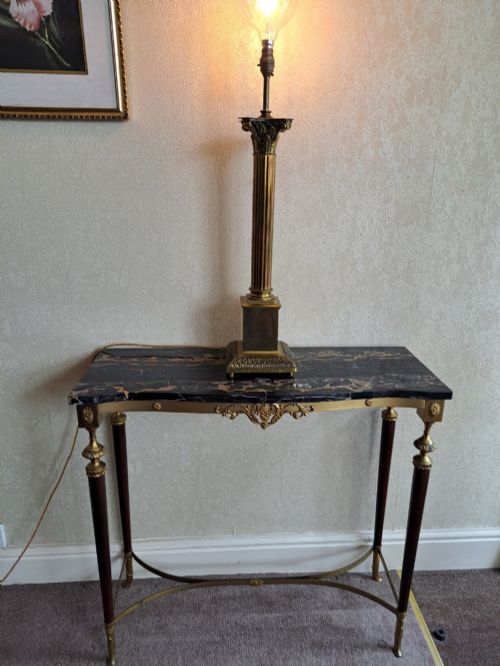
A classical column reading light brings architectural dignity and focused illumination to a room, making it a timeless choice for desks and side tables.
Materials and Construction Techniques
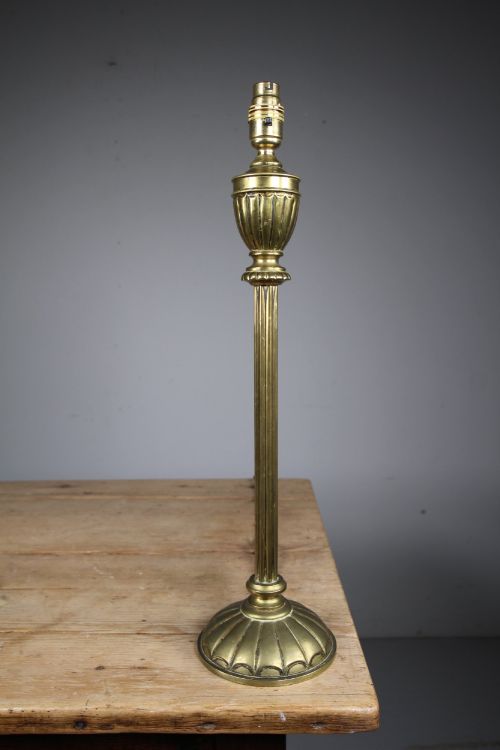
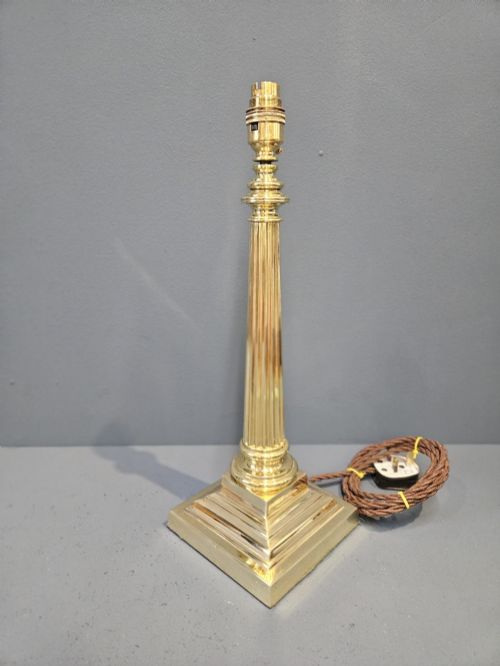
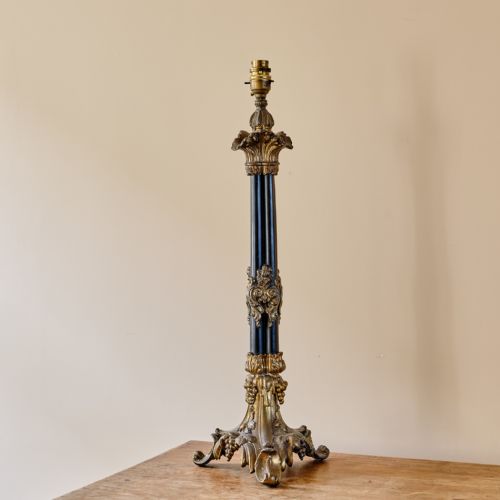
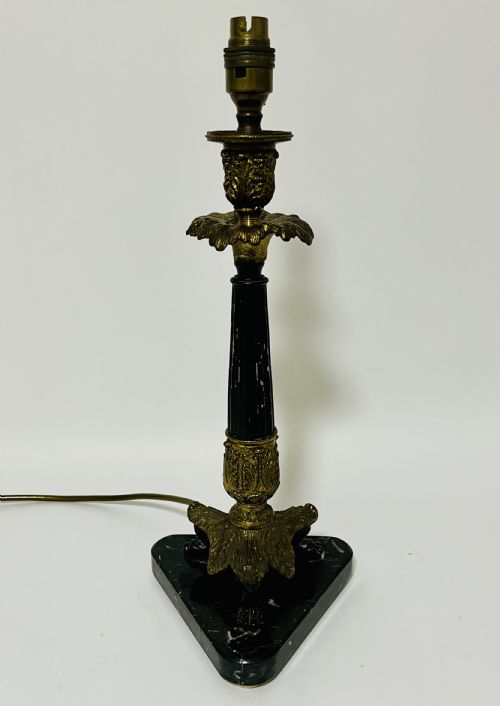
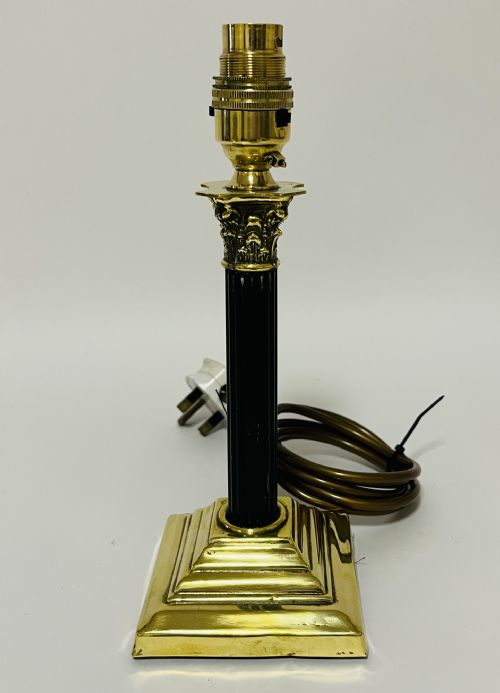
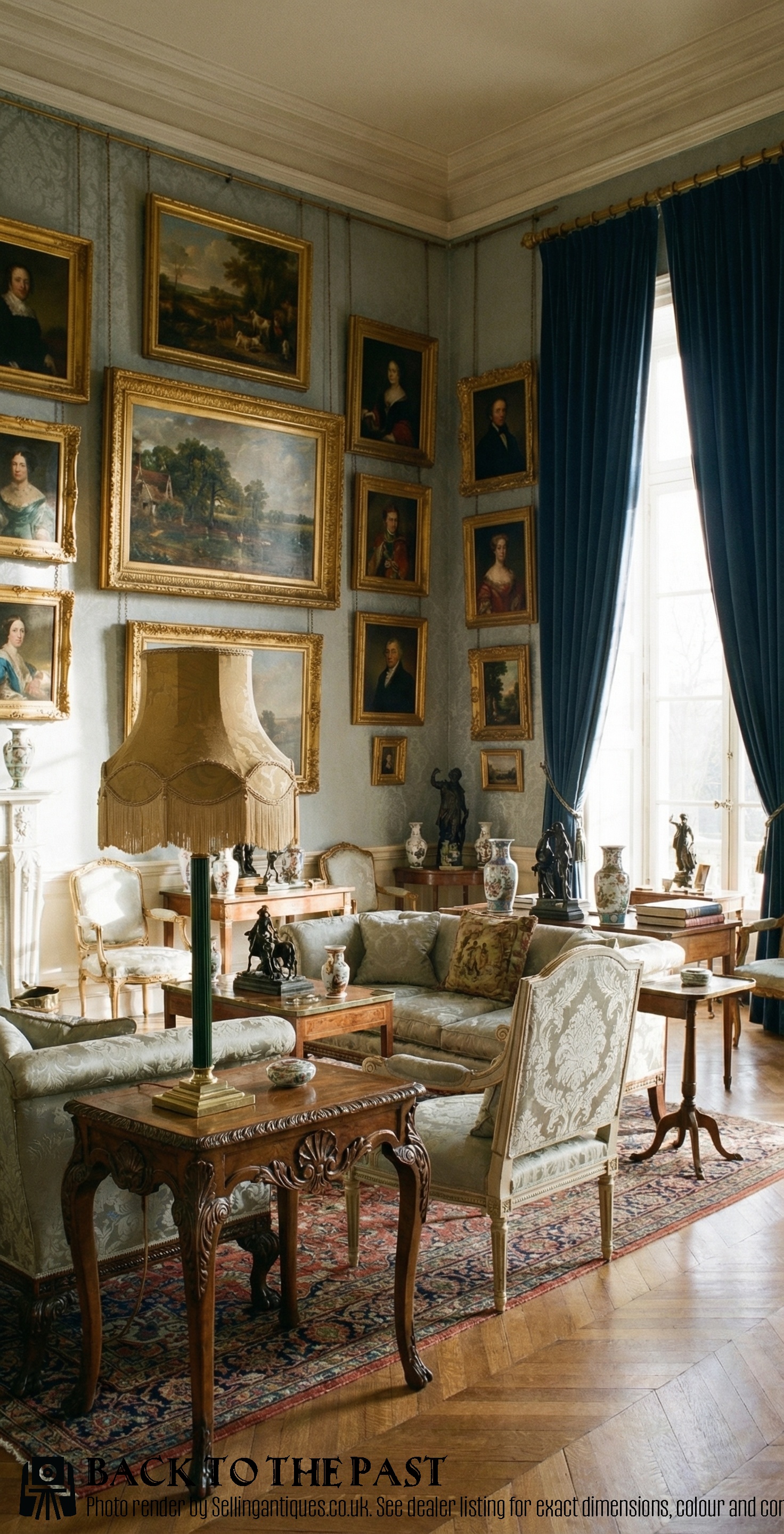
The construction of these lamps relies heavily on cast and turned metals, with brass forming the vast majority of the surviving examples. Workshops utilised silver plate, bronze, ormolu, and occasionally marble to give weight and surface variation to the shafts and bases.
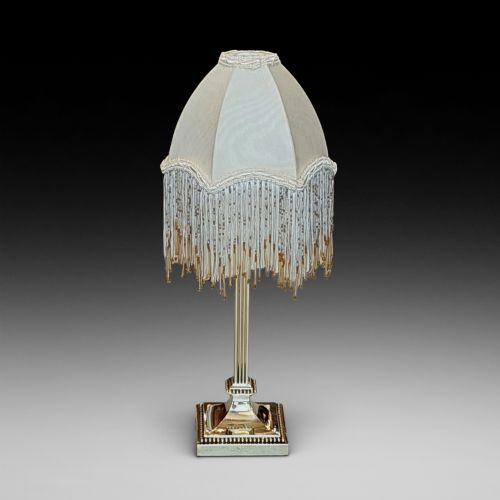
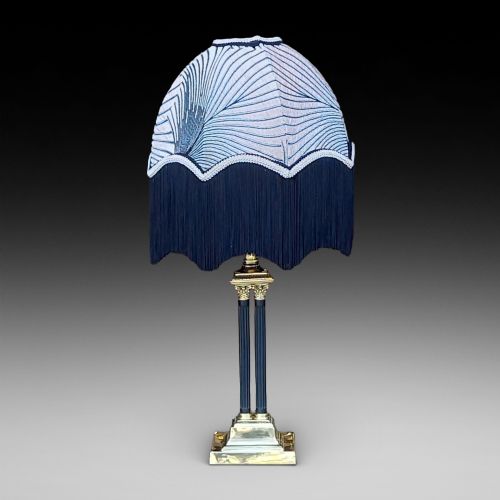
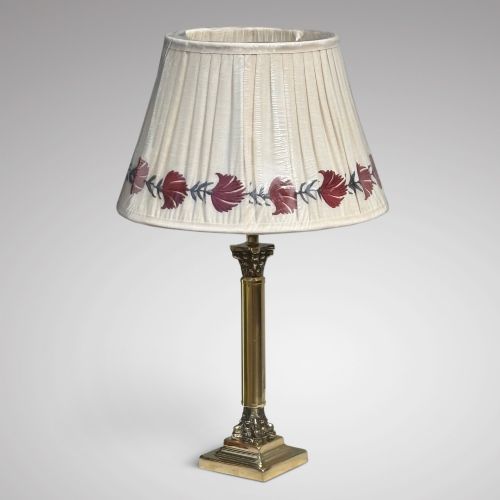
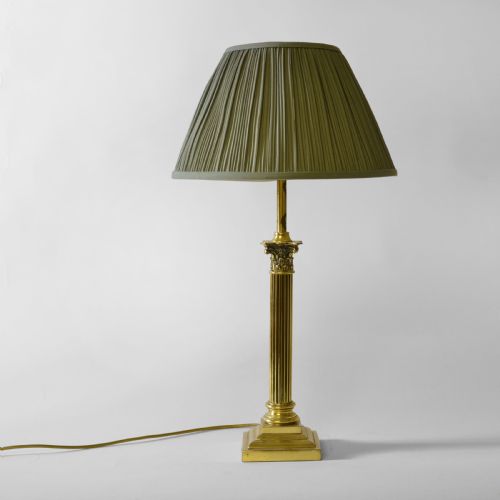
Capitals and bases were often cast separately from the main column shaft and joined mechanically or through threaded fittings. Fabric shades in silk or standard materials were subsequently paired with the metal bases to diffuse the light directed downward for reading.
Distinctions in Quality
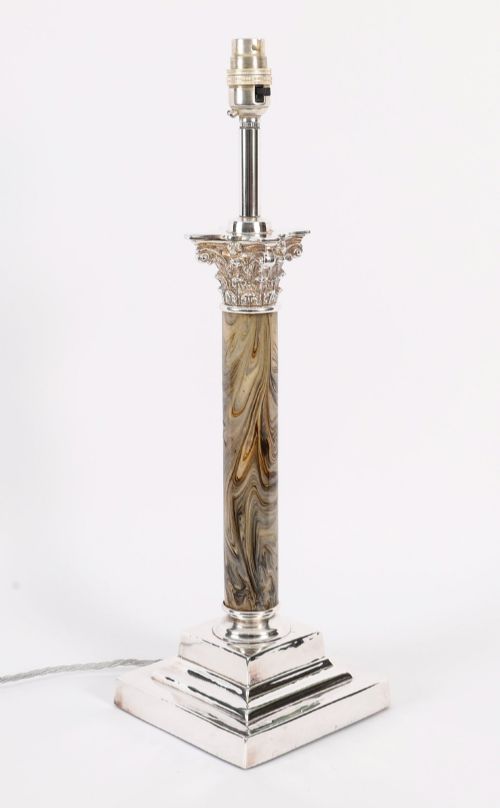
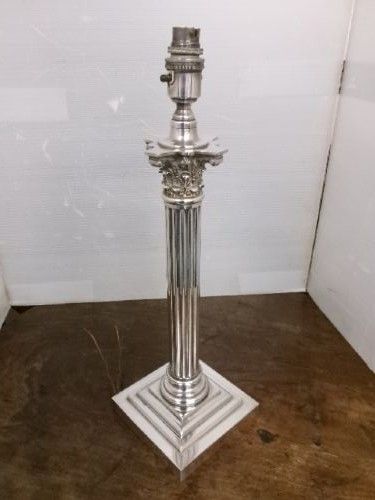
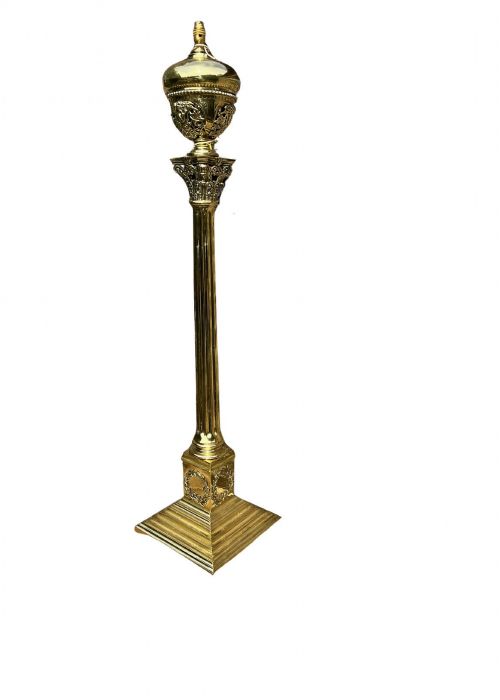
Quality in these lamps rests primarily in the crispness of the casting, particularly within the acanthus leaves and volutes of the column capitals. Finer examples display sharp, hand-finished detail and substantial metal weight, whereas simpler pieces rely on softer, mass-produced commercial castings.
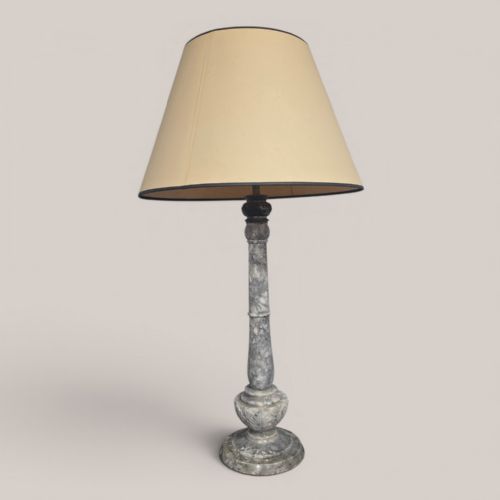
The choice of secondary materials also elevates a piece, such as the inclusion of contrasting ormolu mounts upon bronze columns, or solid marble plinths beneath metal shafts. Proportion and scale further divide the range, with well-balanced tall columns commanding greater visual presence than condensed or stocky counterparts.
Materials recorded in current inventory include bronze, ormolu, marble, fabric, silk, and glass alongside standard polished brass.
The Classical Column Reading Light Glossary
- Corinthian capital
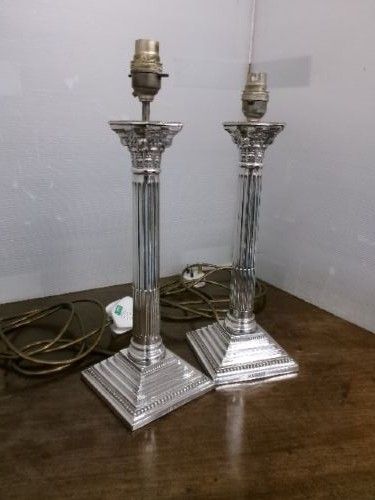
- The uppermost member of a column, adorned with carved acanthus leaves and small scrolls. This order appears frequently on the brass and silver-plated lamps listed in this category.
- Ormolu
- Gilded bronze, where a layer of gold is applied to a bronze base using mercury amalgamation or electrochemical techniques. It provides a rich, warm metallic finish on French Empire and Neoclassical lighting.
- Ionic column
- A column style distinguished by twin spiral scrolls, known as volutes, on its capital. It offers a slightly simpler alternative to the heavily decorated Corinthian order.
- Standard lamp
- A tall floor-standing lamp designed to illuminate a wider area or serve as a reading light beside a chair. These tall pieces share the same architectural column vocabulary as their smaller table-top counterparts.
Classical Column Reading Light: Frequently Asked Questions
What periods do these lamps come from?
The pieces seen in this category date primarily from the nineteenth century, the Victorian era, and the Edwardian period up through the 1930s. Makers during these decades frequently returned to classical architecture for inspiration.
Later adaptations into the early twentieth century continued utilising neoclassical motifs, maintaining the architectural column format while updating internal electrical components for modern use.
How were these lamps originally used?
These lamps served as functional task lighting for reading and writing on desks, tables, or beside seating areas in formal rooms. Their height allowed the light source to project down effectively over books and papers.
Beyond utility, they functioned as decorative objects that signaled the owner's appreciation for classical antiquity and refined interior decoration during the Victorian and Edwardian eras.
Are these lamps safe to use today?
Many older lamps have been rewired or adapted for contemporary electrical standards by dealers to ensure safe domestic operation. It remains standard practice to check the wiring and consult a qualified electrician before daily use.
Preserving the antique metal body while updating the internal flex and lamp holder allows these historic objects to function safely in modern homes without losing their original character.
How do I identify a neoclassical style?
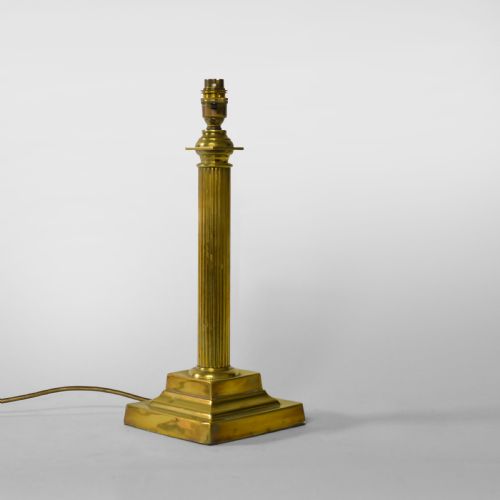
Neoclassical pieces draw direct visual reference from the classical architecture of ancient Greece and Rome, emphasising symmetry, proportion, and restrained ornamentation. You will spot formal column shafts, classical capitals, and stepped square bases.
This aesthetic experienced major revivals throughout the nineteenth and early twentieth centuries, producing the polished brass and silver-plated column lamps found across this category.