
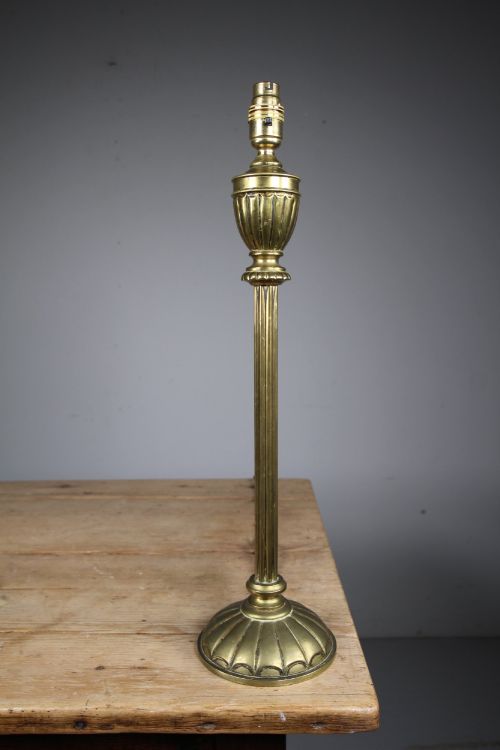


Tall Brass Side Lamp
These tall brass side lamp pieces bring upright metal light and period character to a room, offering both practical illumination and traditional presence.
Tall Brass Side Lamp
A tall brass side lamp provides elevated illumination alongside occasional tables, bedside surfaces and plant stands. The listings on this page span Edwardian, 1900, 1920, 19th Century and 1890 periods, bringing together metal lighting and wooden display furniture. Buyers searching for a tall brass side lamp will encounter upright column forms alongside supporting side tables with brass detail.
Most examples lean towards Edwardian, Neoclassical and French Neoclassical styles, with occasional Amsterdam School and Sheraton Revival expressions. The selection brings together table lamps constructed entirely of metal and supporting occasional furniture incorporating brass mounts and galleries. One frequently meets tall Corinthian column table lamps alongside round or rectangular occasional surfaces designed to hold them.
Materials and construction
Construction relies heavily on cast and turned brass, often paired with mahogany, walnut, rosewood, satinwood inlay, onyx and marble. Metal components are shaped into architectural columns or detailed mountings, while wooden tables utilise traditional joinery and drawer construction. Silver plating also appears on select metal lighting bodies.
Surface treatments and secondary materials complete the construction, incorporating fabric shades, inset stone tops and fine wood veneers. The combination of heavy metal bases and polished timber provides the necessary physical stability for tall lighting and surface use.
Several items double as plant stands, proving that nineteenth-century ferns needed good lighting just as much as we do.
Assessing quality and character
Quality reveals itself in the crispness of the brass casting, particularly on Corinthian capitals and column fluting, where sharper definition separates finer work from softer production. The weight of the metal base and the precision of the turnery dictate the overall solidity of the piece.
In supporting furniture, the selection of timber veneers, the tightness of gallery joints and the integration of brass details distinguish standard utilitarian pieces from more ambitious workshop output. Balance and proportion remain paramount in taller lighting fixtures, ensuring the piece stands securely and reads cleanly in a room.
The Tall Brass Side Lamp Glossary
- Corinthian column
- A classical architectural order featuring an ornate capital decorated with acanthus leaves. This motif is frequently utilised for formal brass table lamps.
- Galleried
- A small raised metal or wooden rim surrounding the top surface of a table. It prevents items from sliding off the edge.
- Satinwood inlay
- Contrasting light wood inserted into a darker timber surface to create decorative geometric or floral patterns. It is characteristic of Sheraton Revival furniture.
- Amsterdam School
- An early twentieth-century architectural and design movement known for expressive forms and traditional craftsmanship. Pieces from this tradition often combine brass and marble.
Tall Brass Side Lamp: Frequently Asked Questions
How do I style a tall brass side lamp?
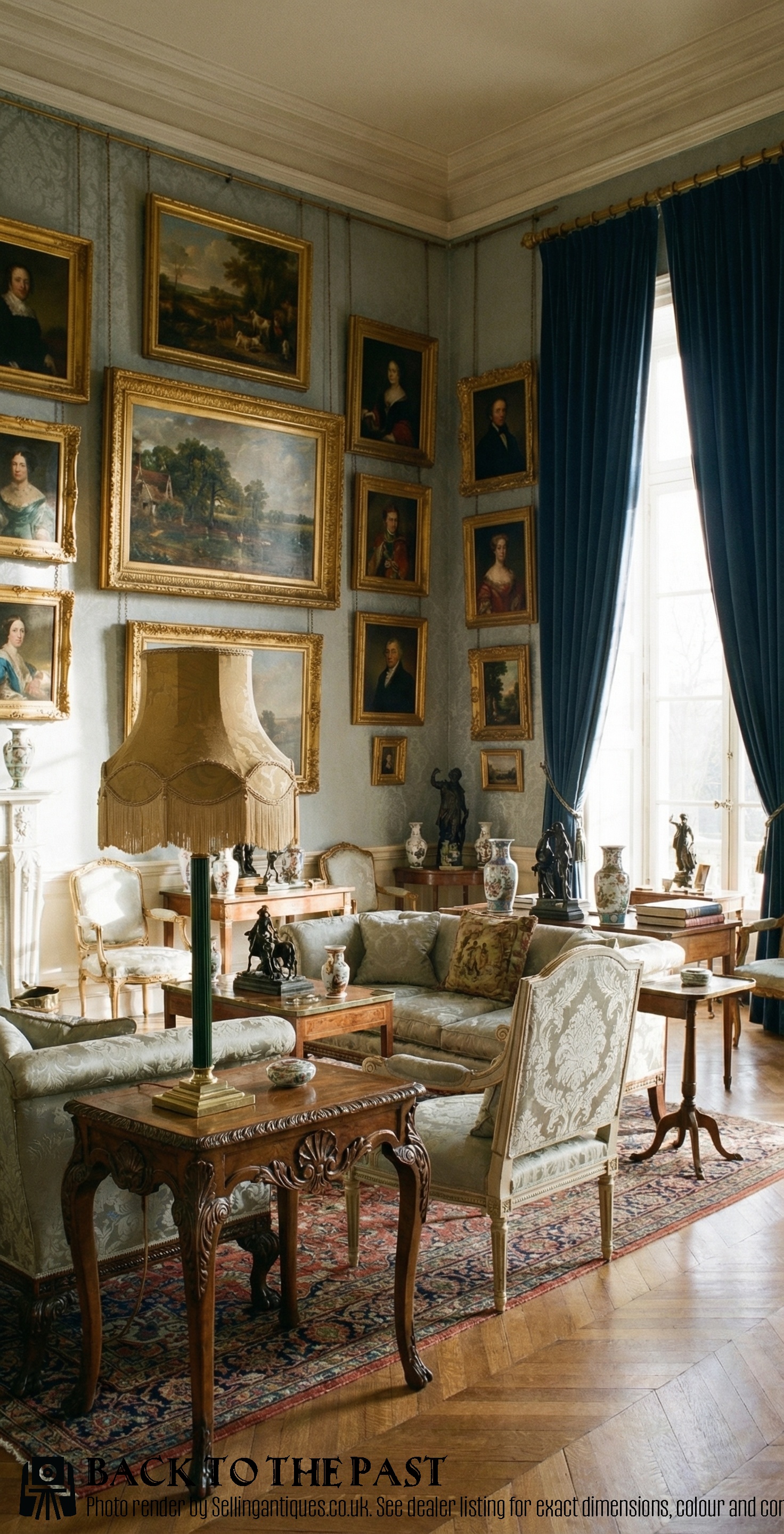
Position the lamp on a sturdy side table or plant stand where its height can provide balanced downward illumination. Pair it with complementary brass details and dark wood surfaces to anchor the arrangement.
Ensure the scale of the surrounding furniture allows the vertical column to read clearly without crowding the room's proportions.
What periods do these pieces come from?
The selection encompasses items originating from the Edwardian era, the late nineteenth century around 1890 and 1900, and the early decades of the twentieth century up to 1920.
Stylistic influences span Neoclassical, French Revival and Regency designs, reflecting the enduring popularity of classical forms.
Are these lamps rewired for modern use?
Many listed lighting pieces have undergone rewiring to meet contemporary electrical standards while retaining their antique metal bodies.
Buyers should check individual descriptions to confirm the current wiring status before installation.
How do I clean antique brass?
Maintain brass surfaces with a soft, dry cloth to remove dust without disturbing the aged patina. Avoid harsh chemical cleaners that strip away historical character.
Treat inset marble and wood surfaces according to their specific material requirements using appropriate mild polishes.