




Classical Column Plinth
A classical column plinth elevates a bust, urn or sculpture, bringing architectural dignity and height to a room.
Classical Column Plinth
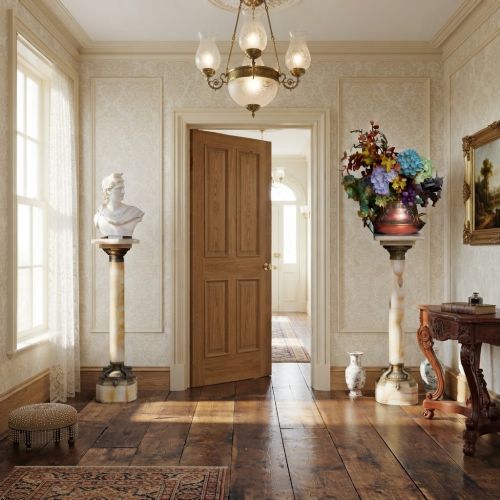
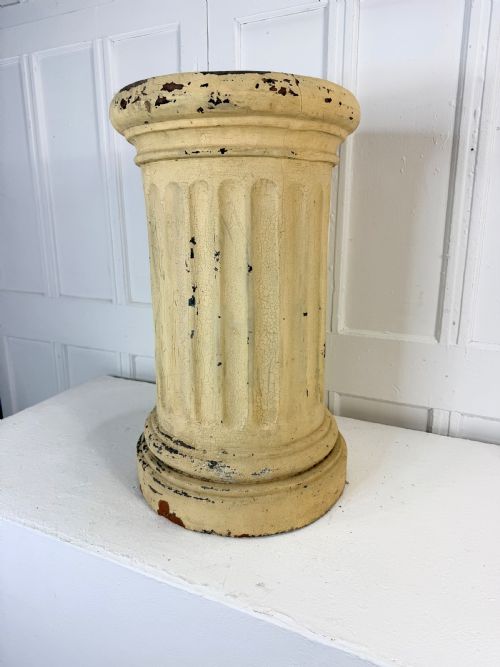
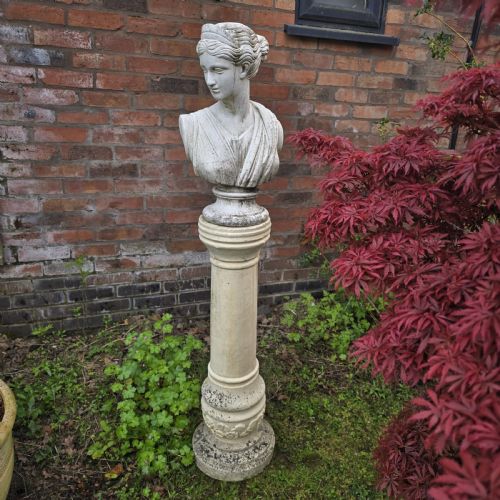
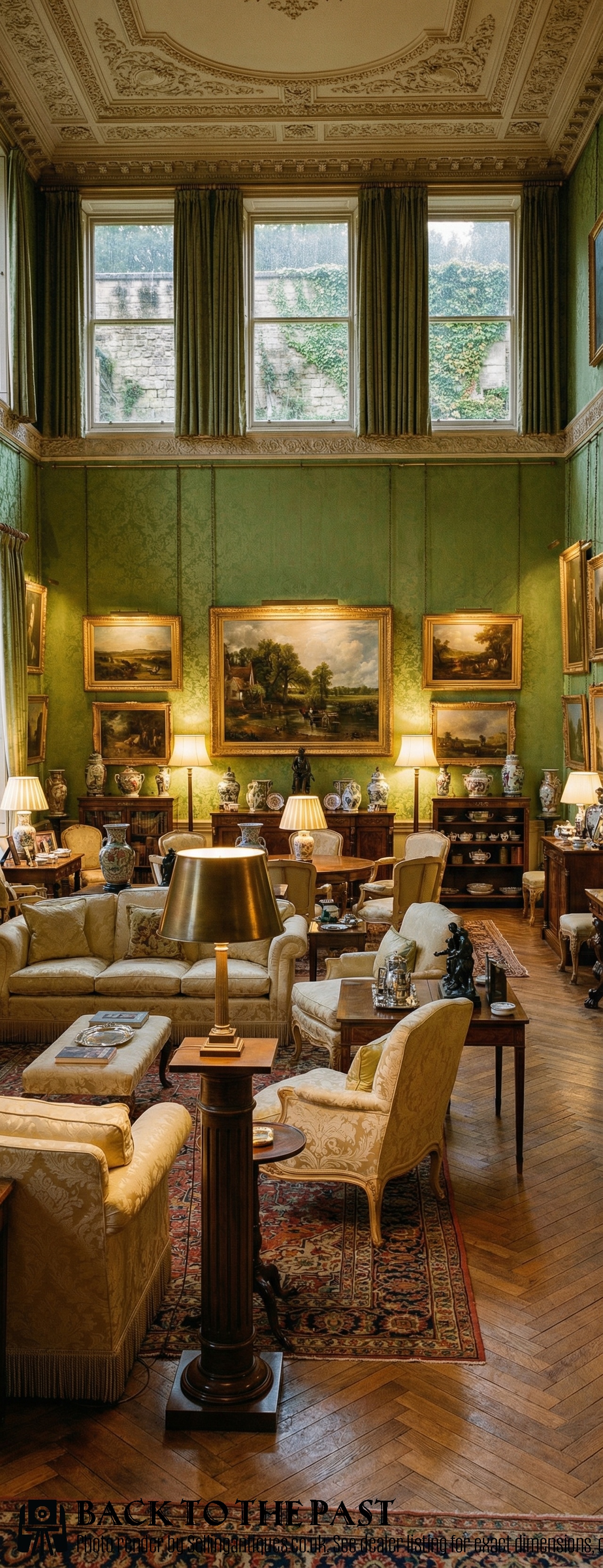
A classical column plinth serves as an architectural support for display, lifting sculptures, busts and urns above floor level. Buyers seek these vertical pedestals to create focal points in hallways, drawing rooms and studies, mirroring the grand interior arrangements of the nineteenth century.
The most common examples on this page date from the nineteenth century and the Victorian era, drawing heavily on neoclassical, classical revival and French chateau styles. These pieces range from substantial stone garden structures to refined interior display columns.
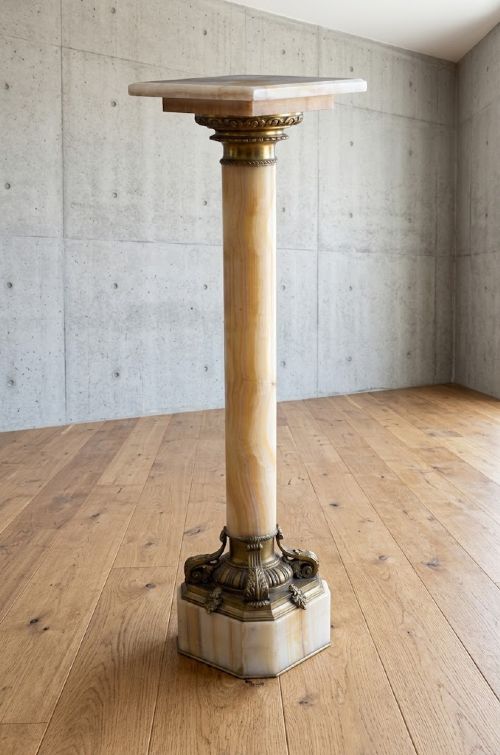
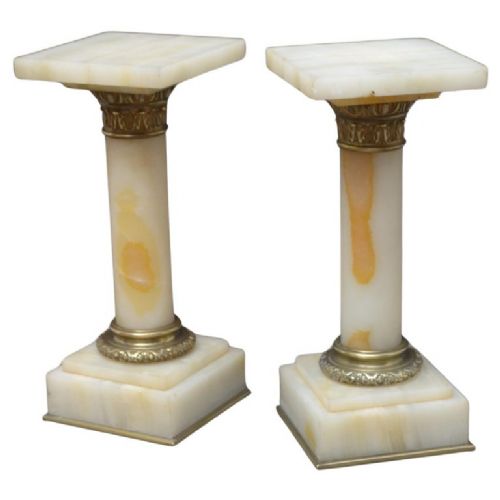
Formations vary from simple turned wooden pillars to elaborate marble and onyx shafts fitted with gilt bronze or ormolu collars. Many items function as torchere columns or display pedestals designed specifically to showcase decorative objects.
Materials and construction methods
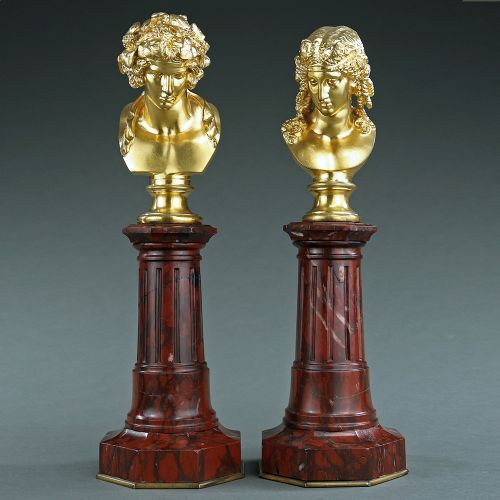
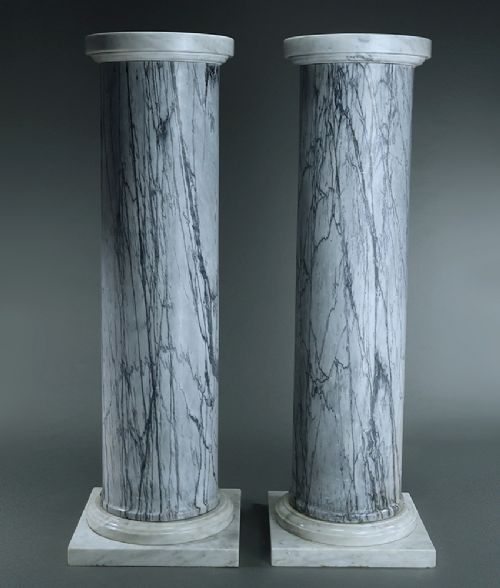
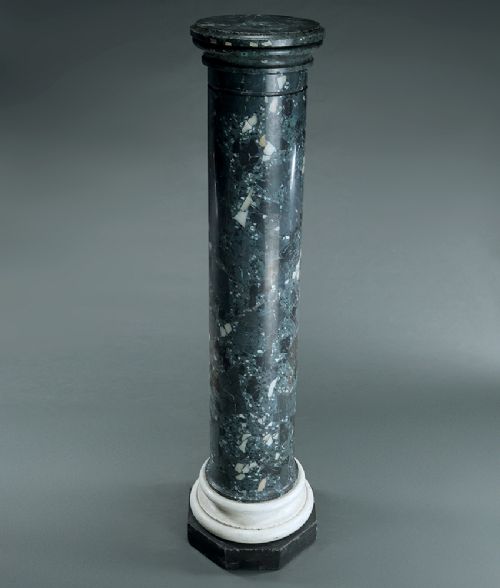
Makers utilised a diverse palette of hard stones and marbles, including variegated marble, verde antico, bardiglio, carrara and onyx, often complemented by cast gilt bronze or ormolu mounts. Faux finishes such as scagliola, grain painting and painted plaster offer the appearance of solid stone or exotic marble at a lighter weight.
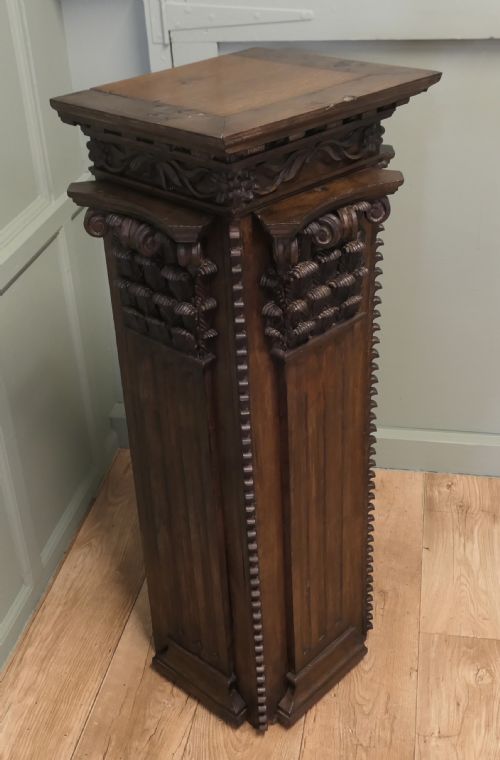
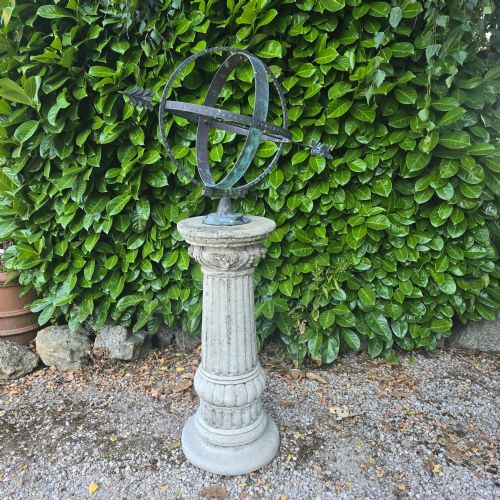
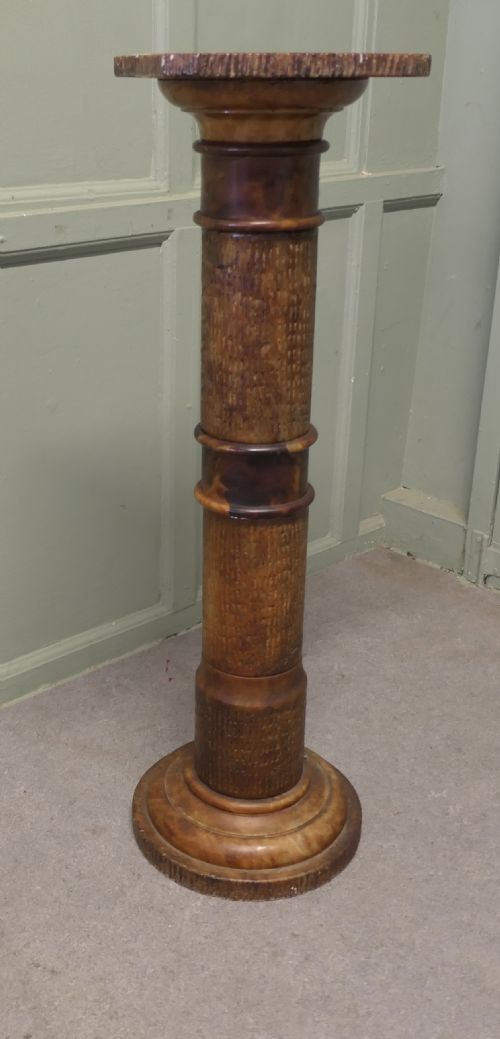
Wooden examples rely on traditional cabinet-making techniques using mahogany, oak, satinwood and stained or birch, sometimes featuring spiral turnings or finely carved details. Stone and reconstituted stone variants provide the weather resistance required for garden statuary and armillary sphere sundials.
Several columns double as secret display stands, though most prefer simply holding up a stern Victorian bust of David.
Distinctions in quality
Quality rests upon the selection of materials, such as the natural depth of veining in solid marble or onyx versus simpler painted wooden surfaces. The crispness of carved details in wood or stone and the weight and chasing of ormolu collars separate standard utility pieces from exceptional commissions.
Proportion and structural stability dictate the success of a column, as taller display pieces require precise balancing to support heavy stone busts or marble urns safely. Faux finishes demonstrate varying degrees of skill, with superior scagliola and grain painting mimicking natural mineral formations convincingly.
The Classical Column Plinth Glossary
- Plinth
- The lower square block or base supporting a column or statue. It provides stability and visual grounding to the vertical shaft above.
- Ormolu
- Gilt bronze mounted on decorative objects and furniture, popular in French and nineteenth-century neoclassical design. The technique involves applying a gold amalgam to bronze.
- Scagliola
- A composite material made from selenite, glue and pigments, mimicking natural marble and other hard stones. Craftsmen apply and polish it by hand to achieve a convincing stone finish.
- Torchere
- A tall stand or pedestal originally designed to carry a light or torch. In later periods, these slender columns held lamps or decorative figures.
- Verde Antico
- A dark green serpentine marble favoured in classical architecture and revival pieces. Its characteristic light veining creates a rich, mottled surface texture.
- Armillary sphere
- A model of objects in the sky consisting of a spherical framework of rings. These astronomical instruments frequently top stone garden pedestals.
Classical Column Plinth: Frequently Asked Questions
What goes on top of a plinth?
These columns typically support decorative objects, bronze busts, marble urns and small sculptures. They serve to elevate items for better viewing and display.
In garden settings, similar pedestals hold armillary sphere sundials or large stone statues, anchoring them within a landscape.
How do I date a marble column?
Dating relies on stylistic clues, such as the distinct proportions of nineteenth-century revival styles and the presence of specific manufacturing techniques like hand-chased ormolu.
Examining the underside, fixing methods and natural wear patterns helps distinguish nineteenth-century examples from later twentieth-century reproductions.
How heavy are stone pedestals?
Solid marble, stone and onyx columns possess substantial weight due to their dense material composition. They require careful positioning and occasionally two people to move safely.
Wooden, painted plaster and hollow faux marble alternatives offer a much lighter option for interior placement.
What is a Grand Tour column?
Grand Tour pieces relate to the traditional travels undertaken by nineteenth-century upper-class Europeans collecting classical art and architectural souvenirs. Columns from this context often feature high-grade marbles or miniature bronze busts.
These items brought classical antiquity aesthetics directly into Victorian and Edwardian domestic interiors.